
Comparing Polyaspartic and Epoxy Systems
Both polyaspartic and epoxy coatings deliver strong, protective floors. However, their chemistries, install techniques, and cost profiles differ sharply. Polyaspartics are fast-curing, UV-stable aliphatic polyureas. Epoxies rely on a chemical reaction between resin and hardener — usually slower but often thicker and customizable. When planning for whole-life facility costs, understanding these nuances is crucial.
What is a Polyaspartic Coating?
Polyaspartic is a type of polyurea resin, designed for rapid curing and superior UV stability. It can be applied at low temperatures and re-coated quickly—sometimes within an hour.
What is an Epoxy Coating?
Epoxy systems combine a resin with a hardener. This reaction forms a highly crosslinked surface that resists abrasion, chemicals, and heavy loads.
Polyaspartic vs Epoxy Cost Factors

Cost is more than material price. Let’s break down the main influences on the total lifecycle expense of each system.
Material Price and Yield
- Epoxy: Lower per-gallon price, but thicker build needs more product.
- Polyaspartic: Higher per-gallon cost, but high coverage rates and thin coats mean less is needed.
Installation Speed and Downtime
Polyaspartic coatings cure in under 2 hours, supporting foot traffic in a day. Epoxies can require days, extending downtime—costly for 24/7 operations. A fast return-to-service often offsets polyaspartic’s higher price in settings where downtime is pricey.
Service Life and Durability
| Coating | Core Chemistry | Shore D Hardness | UV Resistance | Typical Service Life | Best Use |
|---|---|---|---|---|---|
| Epoxy | 2K epoxy resin/hardener | 70–85 | Poor to Fair | 7–12 years | Heavy industrial, interior |
| Polyaspartic | Aliphatic polyurea | 75–90 | Excellent | 10–20 years | Warehouses, exterior, fast-turn |
UV Stability and Color Retention
Epoxy will chalk and yellow under sunlight or UV lamps. Polyaspartic stays colorfast and glossy even outdoors, reducing recoating cycles and appearance-related maintenance.
Repairability and Recoat Cycles
Epoxies are easy to patch if the surface is gouged. Polyaspartics can be tricky to repair unless surface-prep standards are met. Plan for labor, surface downtimes, and compatible topcoats in any facility’s lifecycle spending.
Installation and Application Insights
Choosing between polyaspartic and epoxy is not just about buying the right kit. Real costs emerge during surface prep, application environment, and skilled labor.
Site Preparation
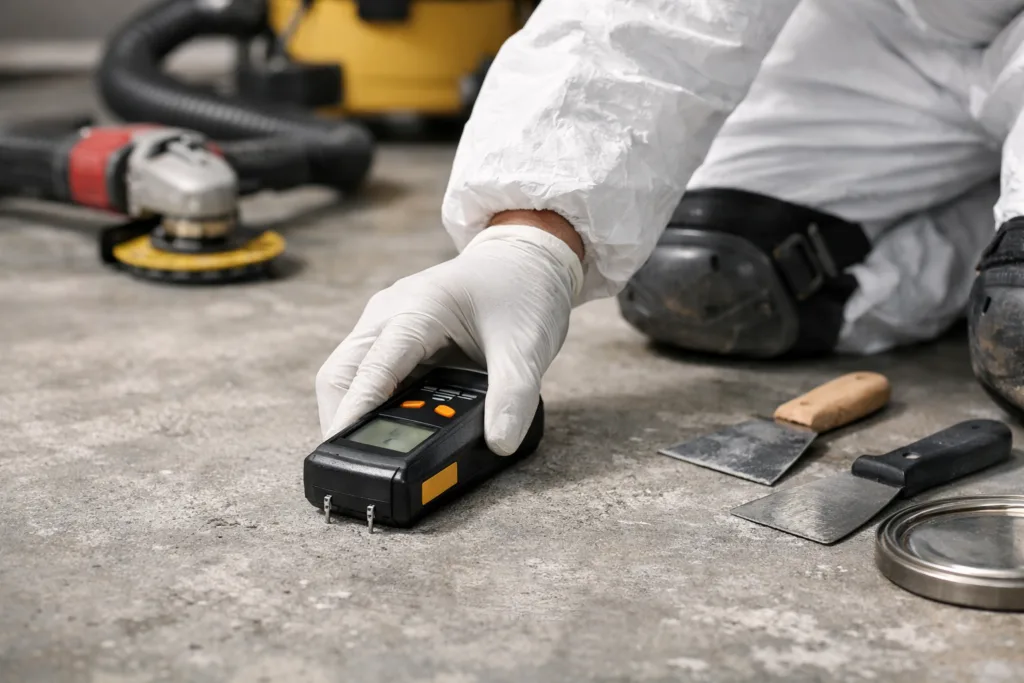
- Concrete Moisture: High moisture can blister either system. Polyaspartic tolerates slightly higher moisture but always test (ASTM F2170).
- Surface Cleaning: Both systems require degreased, abraded concrete (shot-blast or diamond-grind preferred).
Application Process
- Epoxy: Mix carefully (2K ratios, pot life ~30–45 mins). Open time is limited; do not overwork.
- Polyaspartic: Fast pot life (5–25 mins). Apply quickly with roller or squeegee. May need static mixers for large jobs.
Performance in Harsh Environments
Each coating excels in certain settings. For chemical plants, forklift traffic, kitchens, and exposed warehouses, think beyond just cost-per-square-foot. Factor in failure risk, coating age, and compliance needs over decades.
Thermal Shock & Chemical Resistance
- Epoxy handles hot water washdown (up to 65°C) but can soften with thermal shock. Limit exposure in food or pharma rooms.
- Polyaspartic resists acids, fuels, and caustics. UV resistance is vital for garages, exterior walkways, and processing docks.
Mechanical Wear and Impact
Epoxy typically offers higher compressive strength, handling dropped tools and machines. Polyaspartic has better flexibility and elongation, so it resists chips and micro-cracks on concrete that moves or vibrates.
Polyaspartic vs Epoxy Cost Over the Lifecycle
Now let’s analyze the full cost curve—not just initial install, but a decade or more of operation, downtime, and necessary recoats.
Expert Takeaway: “A floor that costs 15% more up front can often save twice that amount in lost revenue, labor, and downtime over twenty years if it means one less recoat cycle.”
Lifecycle Cost Table
| Cost Phase | Epoxy | Polyaspartic |
|---|---|---|
| Material (initial) | Low | Moderate–High |
| Install labor | Standard | Lower (less downtime) |
| Downtime losses | Higher | Very low |
| Maintenance | Moderate | Low |
| Recoat interval | Every 8–10 yr | Every 12–20 yr |
| Total 20-yr cost* | 100% | 75–85% |
*Typical industrial or commercial floor exposed to regular traffic.
Use Case Scenarios
- Manufacturing: Epoxy for torque, abrasion, and static loading.
- Warehouses: Polyaspartic for fleet turnover, weathered docks, and reduced downtime.
- Public areas: Polyaspartic for colorfast, glossy look; fewer recoats.
- Repair: Epoxy easier for small, isolated patches.
Substrate Compatibility and Preparation
Adhesion makes or breaks floor value—no chemistry can fix a poorly prepped concrete base. Detailed prep is mandatory for both options.
Concrete Basics
- Moisture < 5 lb/1000 sf/24 hr (per ASTM F1869).
- pH 6.5–9.0 for strong bonds.
- Contaminant-free: Always degrease, grit-blast, or diamond-grind.
Other Substrates
- Steel Treads: Use blast-cleaned metallurgical profile (NACE 2, SSPC SP-10).
- Tile/Stone: Prime with ZDSpoxy adhesion helpers for challenging surfaces.
Primers and Adhesion Promoters
Use epoxy-based primers for maximum grip, even under polyaspartic topcoats. ZDSpoxy offers tailored primer solutions for aggressive environments or engineered plastics.
Environmental and Regulatory Factors
Sustainability and compliance influence floor system selection.
VOC and Indoor Air Quality
- Epoxy: Some systems emit moderate VOCs. Look for low-odor formulations.
- Polyaspartic: Can be low-VOC but check SDS and compliance with regulations (REACH, RoHS).
Documentation and Quality Control
- Traceability: Demand lot-traceable material. ZDSpoxy provides ISO 9001 documentation on request.
- Performance Testing: Specify QC methods (salt spray, adhesion, thermal cycling).
Case Studies: True Cost in Action
Let’s look at projects that reveal actual lifecycle cost savings through informed selection and application.
Automotive Maintenance Shop
An epoxy floor failed after seven years due to chemical staining, tire marks, and UV discoloration. When the facility switched to a polyaspartic system, labor and closure time dropped by 60%. No color fade and fewer repairs led to an overall 40% lower cost over 15 years.
Pharmaceutical Clean Room
A controlled-environment epoxy system delivered 10 years before minor recoating was needed. Careful maintenance extended its life, but moisture was always closely monitored during prep.
Logistics Hub Loading Dock
A polyaspartic coating resists UV, de-icing chemicals, and weather-related concrete cracks, serving over 17 years with only two minor spot repairs. Quick application minimized shipment delays.
Choosing the Right System for Long-Term Value
Facility managers and owners should choose coating systems based on whole-life considerations—not just the upfront expenditure. Factor in downtime cost, load type, exposure (light, UV, chemicals), and long-term maintenance when deciding between polyaspartic and epoxy flooring. ZDSpoxy can advise on specific application or compliance needs to optimize every project’s bottom line.
- Define expected service life and usage demands.
- Specify required cure speed, color hold, and abrasion resistance.
- Budget for life—not just initial cost.
- Insist on proven prep, application, and maintenance protocols.
Polyaspartic vs Epoxy Cost
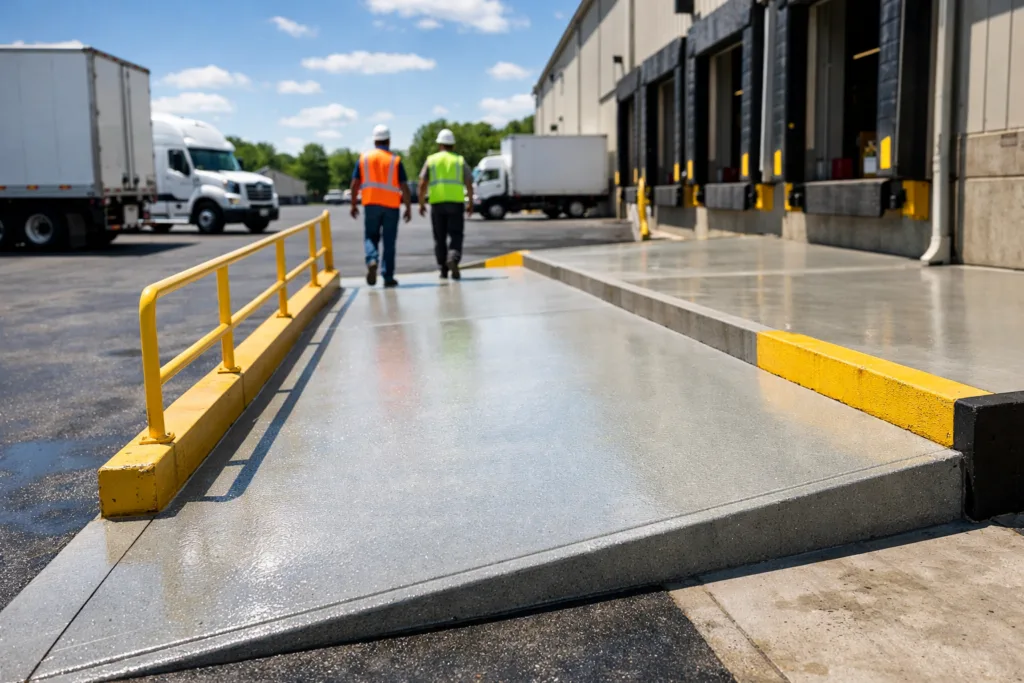
Polyaspartic often costs more per gallon but saves money in the long run. Fast return-to-service, fewer recoats, and better UV stability mean less downtime and repair. Epoxy wins for low upfront cost and ease of repair but may need more frequent attention if exposed to sun or tough chemicals. For mission-critical or high-traffic floors, weighing the full lifecycle cost shows the best path forward.
Frequently Asked Questions
Which is more durable over decades, polyaspartic or epoxy?
Polyaspartic coatings often last longer in harsh or UV-exposed areas, while epoxy excels indoors under heavy loads with proper maintenance.
How long does installation take for each system?
Polyaspartic can support foot traffic in about 2 hours, with full service in 24. Epoxy usually requires at least 24–48 hours before heavy use.
What is the biggest maintenance difference?
Epoxy may need recoating or patching every 7–12 years. Polyaspartic maintains its look and surface for 12–20 years, even in sunlight.
Are polyaspartic coatings much more expensive?
Per gallon, yes, but lower labor and downtime often offset this upfront. Over decades, polyaspartic frequently proves more cost-effective due to fewer recoats and repairs.
Can both systems be used outdoors?
Polyaspartic excels outdoors thanks to UV stability and weather resistance, whereas epoxy may yellow or chalk when exposed to sunlight.
Is surface preparation different for each option?
Both require thorough cleaning and profiling for lasting adhesion. Moisture and surface compatibility testing are essential steps for both systems.