
Introduction: Why Food-Grade Resin Flooring is Essential for HACCP Compliance
Maintaining rigorous hygiene standards in food processing facilities is not just recommended—it is required. Central to this challenge is the seamless selection and installation of flooring systems that uphold both food safety and operational performance. This article explores the process of selecting food-grade resin floors for HACCP compliance in food processing facilities, with a spotlight on the unmatched advantages of the ZDSpoxy seamless solution. We will examine how non-porous coatings, like ZDSpoxy, directly contribute to creating hygienic, safe, and durable environments.
Understanding HACCP and Its Flooring Implications
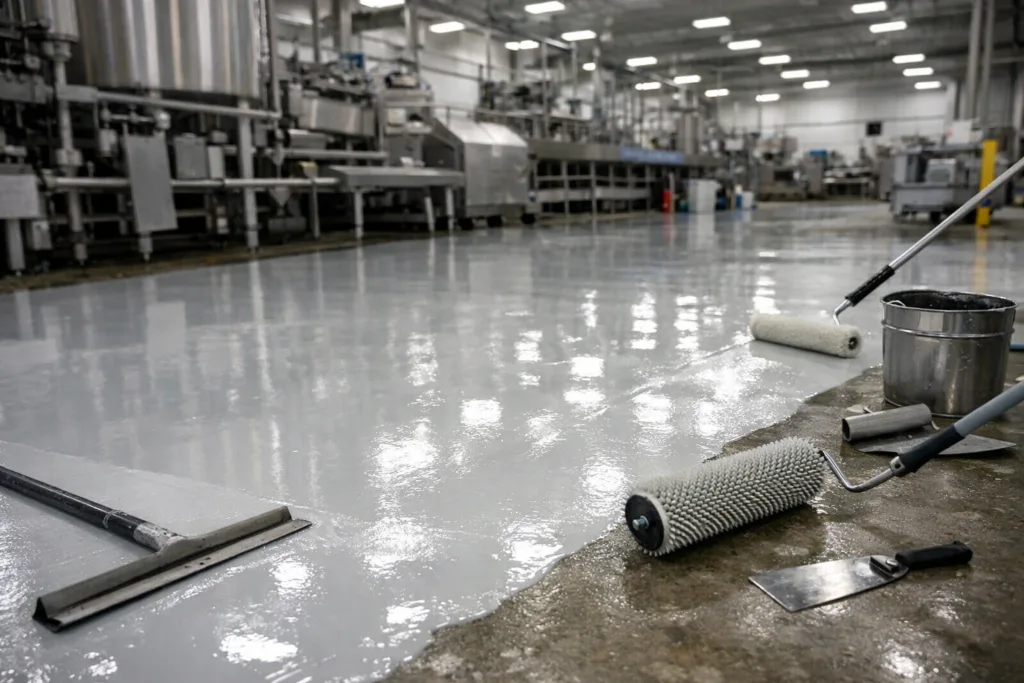
HACCP (Hazard Analysis and Critical Control Points) sets a gold standard for food safety protocols. Its principles require every possible point of contamination to be controlled—including flooring. Floors in food processing areas must resist bacteria, be durable under foot and machine traffic, and accommodate strict cleaning regimes. Indeed, food-grade resin floors have become the foundation of modern HACCP-compliant environments due to their close alignment with these standards.
The Unique Needs of Food Processing Facilities
Food processing environments subject floors to constant moisture, chemical exposure, impact from heavy equipment, and temperature cycling. Unlike retail or hospitality settings, the risk of cross-contamination here is high. Choosing a proper antimicrobial resin flooring helps limit bacteria growth, but only when the surface remains non-porous and flawless, with no cracks or unsealed joints.
What is a Food-Grade Resin Floor?
A food-grade resin floor is a seamless, non-absorptive system composed of synthetic resins such as epoxy, polyurethane, or polyaspartic layers. These resins create a hard-wearing, chemical-resistant coating that shields from spills, stains, and microbial growth. For example, ZDSpoxy systems utilize refined resin blends engineered for safe use around consumable goods.
Why HACCP Compliance Hinges on Non-Porous Coatings
Non-porous means fluids, oils, and pathogens cannot penetrate the flooring. Older porous solutions—such as tiles and grout or basic concrete—allow for seepage and bacterial colonies to thrive undetected. Resin coatings, when expertly applied, result in a truly seamless, easy-to-sanitize surface. Chemical resistant resin flooring systems, in particular, guarantee a tight barrier against aggressive cleaning agents and processing chemicals common in food plants.
Critical HACCP Flooring Criteria: What to Check
- Seamless Finish: No cracks, joints, or voids where debris or bio-film can accumulate.
- Non-Porous Surface: Prevents absorption, simplifies cleaning, and ensures disinfection efficacy.
- Chemical Resistance: Withstands caustic cleaners and disinfectants.
- Thermal Shock Tolerance: Handles rapid temperature changes during wash-downs or baking processes.
- Slip Resistance: Customized aggregate finishes for wet zones to mitigate workplace falls.
- Durability: Carries high load, resists abrasion, and maintains surface integrity long-term.
ZDSpoxy Seamless Solution: How It Meets and Exceeds Standards
The ZDSpoxy seamless resin system is engineered to meet the intense expectations of international food safety certifications. It begins with a ZDS-1012ab epoxy primer for concrete or ceramic floors, which ensures maximum bond strength and substrate sealing. Next, special ZDSpoxy mid- and topcoats are applied for robust chemical, thermal, and abrasion resistance. Such a layering approach allows ZDSpoxy to deliver a resilient, fully non-porous surface that readily passes HACCP audits.
Simplified Installation for Maximum Performance
ZDSpoxy application involves meticulous surface preparation, accurate mixing of resin-to-hardener ratios, and consistent application. On-site, managing the pot life and cure times is critical—a lesson ZDSpoxy project supervisors know well. Ambient conditions must be controlled (temperature, humidity) to achieve flawless bonding and avoid air bubbles or missed sections.
The Science of Non-Porosity: Resin Chemistry Explained
A truly non-porous coating is the result of polymer chains locking tightly, leaving no capillary spaces. ZDSpoxy pays close attention to plant and machinery resin interface areas. Brand engineers rigorously test formulae for viscosity, gel time, and salt spray resistance, ensuring the resin floor stays impermeable and survives repeated cleaning cycles and high-traffic wear. This makes the seamless surface ideal for even the harshest food safety demands.
From Application Reality to Ongoing Maintenance
In practice, real-world installations face dust, oil, and temperature swings. ZDSpoxy emphasizes batch consistency and strict adherence to application protocols—every layer, from primer to topcoat, is logged and checked. This methodical approach stops edge curling, delamination, and improper curing, ensuring your resin floor holds its HACCP-compliant qualities for years to come.
Comparing Resin Flooring Types: Which Is Right for Your Facility?
| Resin Type | Durability | Chemical Resistance | Non-Porosity | Cost | Foot Traffic Tolerance |
|---|---|---|---|---|---|
| Epoxy | High | Very High | Excellent | Moderate | Excellent |
| Polyurethane | Very High | High | Excellent | Higher | Outstanding |
| Polyaspartic | High | Moderate | Very Good | High | Excellent |
Site Constraints: Real-World Factors When Choosing Food-Grade Resin Floors
Facility managers must consider downtime, extreme temperature zones, and expected clean cycle frequency. For instance, aggressive chemical areas may warrant ZDS-8300AB 2K polyurethane clear topcoat rather than ordinary topcoat solutions, especially in bottling plants or dairies. The choice should fit both budget and operational exposures.
ZDSpoxy Food-Grade Resin Floor: Installation Best Practices
Before any installation, ensure the substrate is dry, oil-free, and prepared to the correct profile. Use a primer compatible with high humidity and, if needed, a moisture vapor barrier. Apply ZDSpoxy resin using calibrated trowels and back-roll to remove trapped air. Allow adequate cure between layers. Pay special attention to wall joints and corners for total encapsulation.
Surface Preparation and Failure Prevention
Surfaces must be mechanically cleaned and tested for bond strength before priming. Oily spots or laitance (concrete dusting) are common reasons for future failure. Always review batch records and conduct QC checks for each kit. Proper prep equals years of maintenance-free service.
Common Challenges in Food Facility Flooring
- Thermal expansion mismatches
- Substrate moisture migration
- Poor edge detail or cove formation
- Shortcut cleaning during installation
- Inadequate cure times
Tackling these challenges early prevents downtime and contamination events later.
Optimizing for High Foot Traffic and Machinery Loads
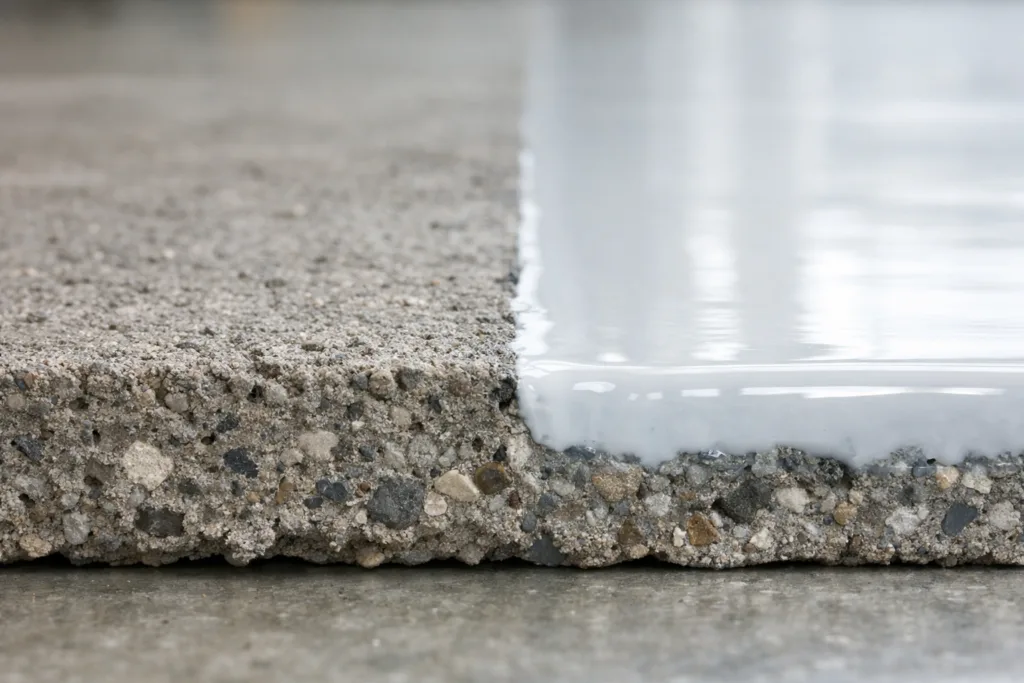
Daily forklift activity, rolling racks, and constant personnel passage require an especially robust topcoat. High-build ZDSpoxy mid-coat formulations provide compressive modulus and shear strength balances, avoiding surface cracking or permanent indentations, even with heavy machinery in use.
Sanitation, Cleaning, and Floor Care for HACCP
Cleanability is a major HACCP compliance driver. The seamless, non-porous finish of food-grade resin floors means cleaning regimes can be more effective with less aggressive chemicals. Dirt, fat, and sugar residues cannot cling; surface disinfectants reach all areas, and slip-resistance profiles retain their texture over time.
Resin Floor Longevity: Cost, Value, and Replacement
Although initial resin flooring costs are higher than some alternatives, lifecycle savings are substantial. ZDSpoxy systems often last twice as long as tiles or basic coatings, due to their deep chemical and mechanical resistance. Repairs, if ever needed, are less invasive and quickly return the area to service.
Food-Grade Resin Floor, HACCP Compliance, Non-Porous Coating
When considering options for your facility, the integration of food-grade resin floor, HACCP compliance, non-porous coating cannot be overstated. These elements together form the trifecta of a safe, efficient, and certified food processing environment. ZDSpoxy’s seamless solutions empower exporters and plant managers to achieve these high standards with confidence.
Regulations and Certifications: Understanding What Auditors Seek
Certifying bodies not only check the technical data sheet but will often test the surface for absorption, contamination, and resistance to cleaning cycles. It’s crucial to maintain supporting documents on batch data, installation records, and compatibility certifications for all resin systems installed.
Safety, Handling, and Environmental Compliance
ZDSpoxy resin components are designed to meet international VOC limits for safe, indoor application. Always provide adequate PPE (Personal Protective Equipment), ensure proper ventilation, and follow all mixing and disposal guidelines. This not only protects workers but also ensures regulatory compliance and long-term indoor air quality.
Why ZDSpoxy’s Engineering-First Approach Sets New Standards
By balancing compressive strength, low exotherm during curing, and batch-to-batch uniformity, ZDSpoxy food-grade resin floors consistently achieve remarkable results. Plant-floor experience has repeatedly demonstrated the value of real QC and methodical documentation at each project stage.
Conclusion: The Clear Advantage of ZDSpoxy Seamless Resin Floors for HACCP Compliance
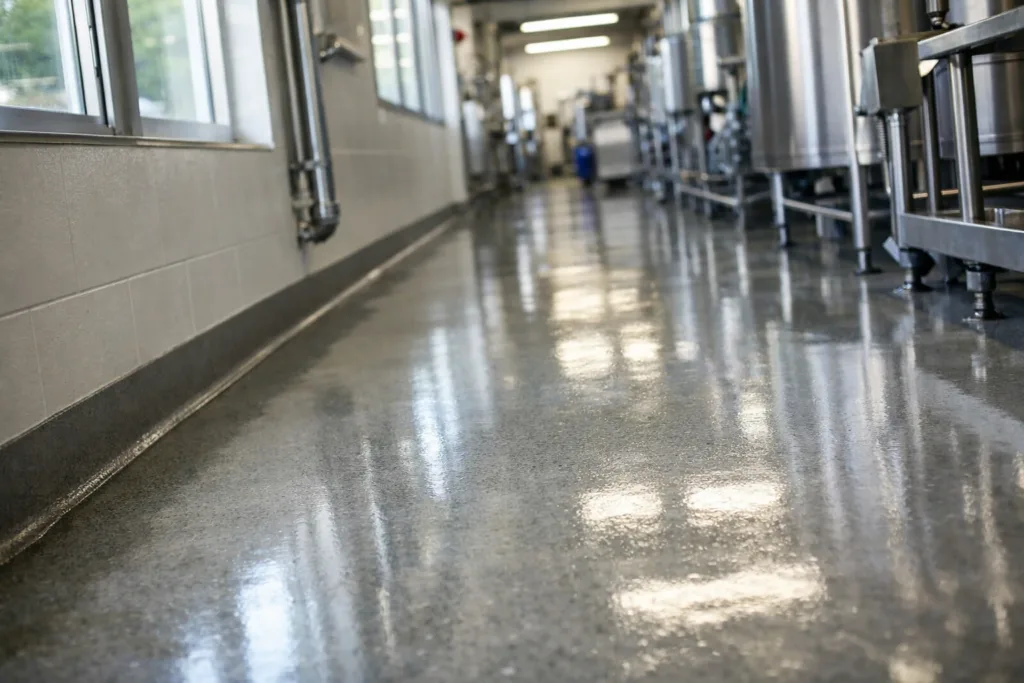
The process of selecting the right food-grade resin flooring for HACCP compliance is no small task. With food safety, durability, and operational efficiency on the line, facilities need solutions that perform long after installation. The ZDSpoxy seamless system delivers a non-porous, resilient coating that stands up to both audits and daily plant realities. When implemented with thorough surface preparation, skilled supervision, and attention to local site constraints, these floors ensure safe, sustainable production for years to come.
Frequently Asked Questions
How does non-porous resin flooring prevent bacterial growth?
Non-porous resin floors do not absorb water or organic matter, so bacteria and mold cannot thrive beneath or within the surface, making cleaning and disinfection more effective.
Is a food-grade resin floor suitable for wet processing areas?
Yes, it is ideal for wet areas. When textured finishes are specified, these floors offer excellent slip resistance while remaining easy to clean and maintain HACCP compliance.
What regular maintenance does a ZDSpoxy resin floor require?
Routine cleaning with standard food-industry detergents and periodic inspection of expansion joints or drains keep the system performing like new without heavy repair needs.
Can resin floors be repaired if damaged?
Yes, seamless resin floors allow for localized repairs without removing the entire floor. Proper surface prep ensures the new patch bonds seamlessly with the old section.
What steps ensure successful installation of food-grade resin flooring?
Key factors include surface cleanliness, controlling site moisture and temperature, precise mixing ratios, and layer-by-layer quality checks throughout the application process.
Are ZDSpoxy resin floors compliant with international food safety regulations?
Yes, ZDSpoxy systems are engineered to conform to international standards and regularly pass audits for use around consumable goods in food production and export plants.
Related Reading
- Discover 7 Benefits of Industrial Epoxy Floor Coating Solutions
- How Long Can Epoxy Flooring Really Last? Proven Insights
- Epoxy Resin Flooring Explained: A Complete Guide for Facility Managers
- Polyaspartic vs Epoxy: Cost, Value, and Performance—What to Know in 2024
- Maximize Floor Lifespan with Wear-Resistant Polyurethane Resin Systems