
Understanding Waterproof vs Water-Resistant: What’s the Real Difference?
Have you ever read a product label saying “waterproof” or “water-resistant” and wondered which really protects your home—or yourself? You’re not alone! Whether you’re shopping for bathroom upgrades, kitchen tiles, outdoor flooring, or just a tough rain jacket, these terms can be confusing. In this comprehensive guide, we’ll explain the waterproof vs water-resistant difference with practical analogies and examples, so you can make the best choice for your next renovation or purchase.
Basic Definitions and Real-Life Analogies
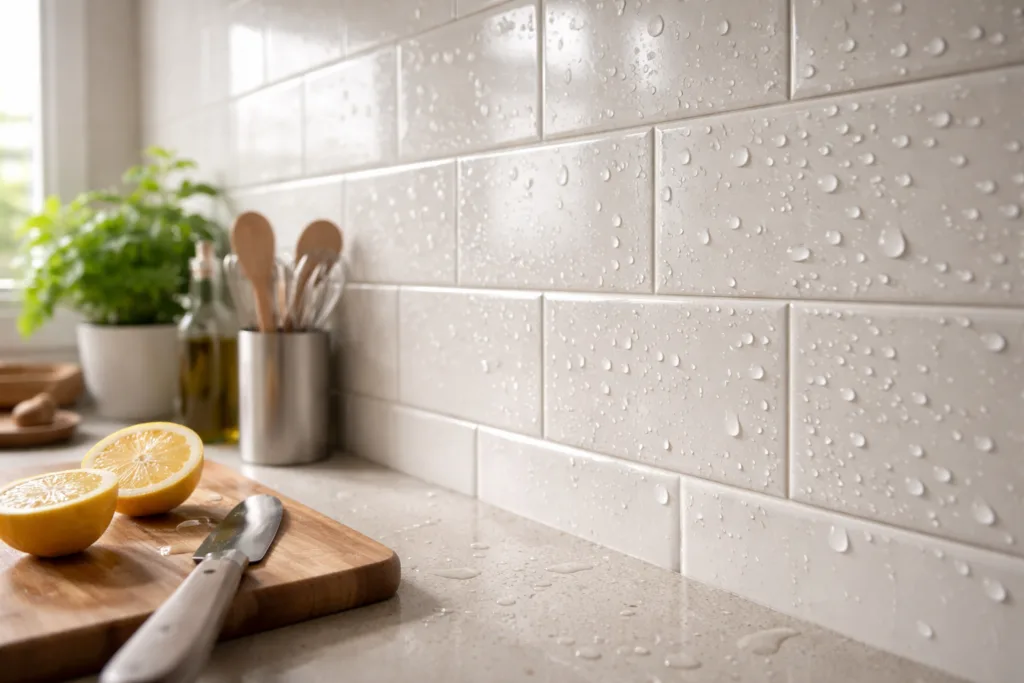
Let’s make this concept simple. Imagine you’re dressed for a rainy day:
- Water-Resistant: Like a raincoat—it repels light splashes but isn’t meant for full submersion. The rain will bead up, but standing in a downpour might lead to leaks.
- Waterproof: Like a scuba-diver’s wetsuit—it keeps water completely out, even when submerged or exposed to water for a long period.
This analogy also applies to surfaces and materials inside your home. Deciding which level you need depends entirely on the specific area you’re upgrading or protecting.
Three Levels of Water Exposure: Quick Splash vs Constant Wet vs Full Soak
Not all rooms or surfaces face the same amount of water.
| Exposure Level | Home Area | Recommendation |
|---|---|---|
| Short splashes (quick exposure) | Kitchen walls, backsplashes | Water-resistant coating |
| Constant damp, high humidity | Bathroom floor, shower walls | High-spec water-resistant, ideally waterproof |
| Submersion/standing water | Swimming pool, outdoor fountains | Certified waterproofing system |
Generally, the more exposure a surface has to water, the stronger the protection it requires.
How Materials and Coatings Differ
Water-resistant products use special treatments or design features to slow down water penetration. Think of a kitchen wall with tile grout that sheds splashes—not impenetrable but quite practical. True waterproofing requires a sealed barrier—such as epoxy or advanced polyurea coatings—that block water permanently.
Curious about advanced solutions for bathroom, kitchen, or outdoor areas? Check out kitchen bathroom tile waterproofing to explore exactly how engineered coatings prevent moisture damage.
Testing and Certification: What Do the Standards Say?
The difference isn’t just marketing. In manufacturing, waterproof and water-resistant are verified with third-party tests—like pressure tests, immersion durations, and chemical exposure. Reputable suppliers will share these certifications or lab results. For pool areas, only approved waterproofing systems pass strict pressure and immersion tests. You can explore certified swimming pool waterproofing for insight into real-world standards.
The Critical Role of Design & Installation
It’s not enough to use the right material: how you install matters just as much. For example, a water-resistant coating may fail if grout gaps aren’t sealed, or if kitchen tiles face heavy steam without proper ventilation. In contrast, dedicated waterproof layers in pools prevent leaks—even with daily immersion.
Practical Supplier Questions: What Should You Ask Before Buying?
Here’s a handy table you can use when speaking with any supplier—from tile shops to professional waterproofing providers:
| Question | Why It Matters |
|---|---|
| Is this product waterproof or just water-resistant? | Determines protection level for your needs |
| Which test or certification does it meet? | Verifies quality against industry standards |
| Does it suit splash, damp, or immersion areas? | Matches protection to room conditions |
| What maintenance or re-treatment is needed? | Plans for ongoing protection and budget |
| Are special primers or undercoats required? | Ensures correct installation for longevity |
For expert recommendations across every room or project, it’s wise to visit guides like waterproofing renovation solutions for actionable, field-tested strategies.
Kitchen Walls: Typical Water-Resistant Solutions
Kitchen walls face frequent splashes from cooking, cleaning, and accidental spills. Here, water-resistant designs are often good enough. High-gloss paint, ceramic tiles, and epoxy grout can safeguard vertical surfaces against daily moisture. Maintenance is easy: clean, inspect grout lines, and reseal every few years.
Bathroom Floors: The Need for Robust Waterproofing
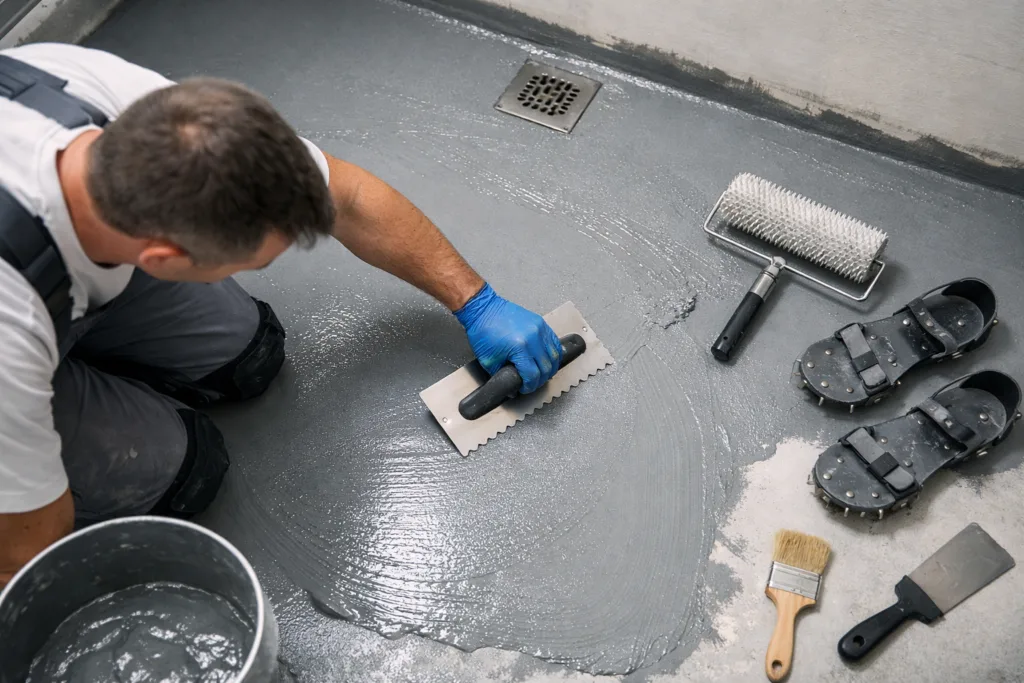
Bathrooms often hover between humid and directly wet. Floor areas around showers and tubs are regularly exposed to water pooling, soap, and cleaning chemicals. Here, both water-resistant and waterproof materials have their place, but the safest option is a true waterproof barrier beneath the finish layer—such as waterproof membranes and 2K polyaspartic coatings. These systems offer resilience against leaks and mold.
Swimming Pools: Full Waterproofing Is Mandatory
Swimming pools face constant water contact, pressure, and chemical stress. Only certified waterproof coatings and installation will last through years of submersion. Pool waterproofing combines several layers: a primer, a membrane, and a specially formulated topcoat.
Advanced Epoxy and Polyurea Systems: The Engineering Perspective
From an engineering viewpoint, choosing between waterproof and water-resistant is about matching product performance to expected stress. ZDSpoxy’s technical team emphasizes controllable mixing, application, and surface prep: for example, polyurea coatings cured under site humidity will outperform generic paints anytime moisture is present. Our lab sees firsthand how minor surface contamination or incorrect batch size can derail waterproofing, especially for high-pressure zones like pools. For areas with frequent splashes, controlled viscosity and gel time ensure tight bonds with no leaks.
Common Misconceptions: Marketing vs Reality
Just because something is labeled “waterproof” doesn’t mean it’s immune to every water hazard. Water-resistant products sometimes over-promise protection. Always check for credible certifications, not just marketing claims.
Long-Term Maintenance: Staying Protected Year After Year
Even the best waterproofing needs routine checks. Inspect for cracks, wear patterns, or peeled edges. Kitchens and bathrooms should be re-sealed periodically, while pools should schedule annual inspections before hot weather begins.
Expert Installation: Why It Pays Off
DIY may work for some water-resistant treatments—like painting a kitchen wall—but for waterproofing critical areas, professional installation is a must. The cost pays off by preventing thousands in future repairs.
Cost Considerations: Is Waterproofing Worthwhile?
Upfront, waterproofing may cost more than water-resistant treatments. However, it offers peace of mind, lowers risk of leaks, mold, and expensive rework—especially for bathrooms and pools.
Which Solution Is Right for Your Space?
Match your choice to actual risk. For example:
- Kitchen walls: Water-resistant (paint, tile)
- Bathroom floors/walls: Preferably waterproof underlayment with durable grout
- Swimming pools: Full certified waterproof membrane and topcoat
Where in doubt, use resources for detail: kitchen bathroom tile waterproofing and swimming pool waterproofing offer step-by-step logic for every scenario.
Waterproof vs Water-Resistant: What’s the Real Difference?
The essential difference? Water-resistant protects against mild, brief water contact—think a quick splash or spill. Waterproof stands up to long-term wetness and submersion, blocking water completely. For kitchens, bathrooms, and pools, knowing this difference helps you specify the right system and avoid future headaches.
Conclusion: Making Smart Choices for Every Surface
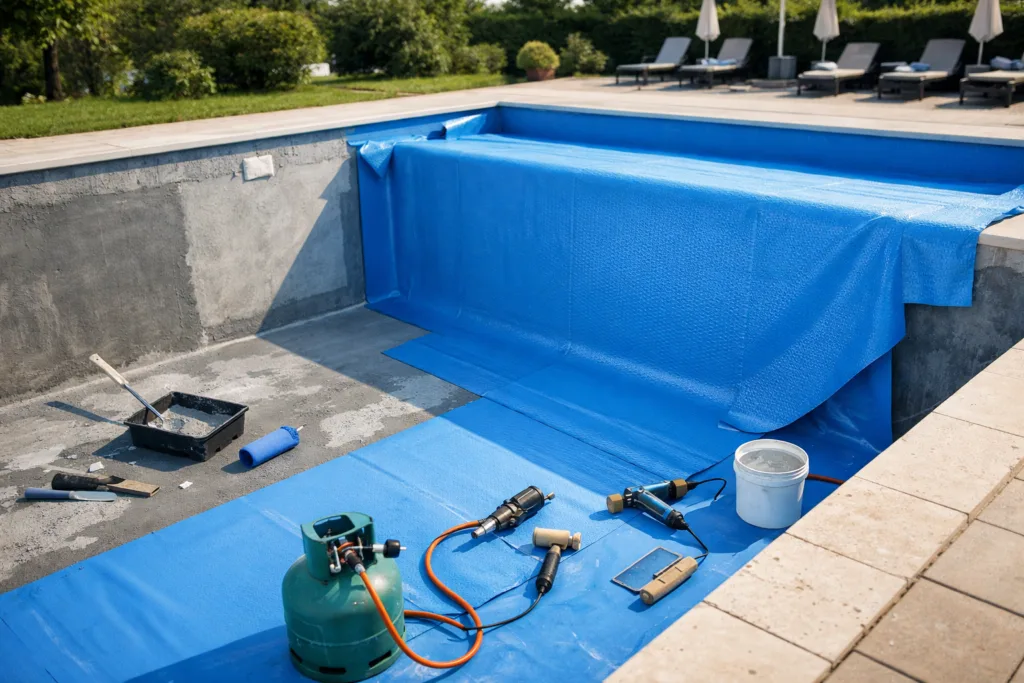
When it comes to renovation, “waterproof vs water-resistant” isn’t just marketing—it’s the key to preventing costly damage and keeping your spaces beautiful. Match your solution to the actual water exposure of the area. Always ask your supplier about certifications, maintenance requirements, and technical details. If you prioritize the right protection, you’ll enjoy lasting results and fewer worries, whether you’re tackling a new kitchen splash zone or renovating an old swimming pool.
Frequently Asked Questions
How do I know if a product is truly waterproof?
Look for credible certifications and immersion test results. Ask the supplier for lab reports or independent testing documents.
Can water-resistant coatings handle steam in bathrooms?
They resist light moisture and splashes, but ongoing steam and high humidity often require waterproof treatments, especially for floors and shower walls.
How often should I re-seal my kitchen or bathroom surfaces?
Generally, inspect and reseal every 2-5 years, or sooner if you notice wear, cracks, or peeling.
Are waterproof membranes necessary for every bathroom?
For showers and areas with standing water, waterproof membranes are crucial to prevent leaks and mold. Other areas may only need water-resistant surfaces.
Is professional installation important for waterproofing?
Yes, expert installation ensures correct layer thickness, technique, and curing—reducing risks of future leaks and failures.
What maintenance is required for swimming pool waterproofing?
Schedule yearly inspections for cracks, and clean the surface regularly. Tackle repairs immediately if you spot wear or water seepage.