
Understanding Waterproofing Lifespan: What Really Affects Longevity?
Every building surface tells a story about durability. When discussing how long waterproofing lasts, it’s essential to go beyond the marketing hype and explore real-world performance by area. Whether you’ve just finished a renovation or you’re considering preventive maintenance, waterproofing lifespan varies significantly across regions and environments—due to sun exposure, traffic, cleaning habits, and the moisture level in underlying substrates.
Homeowners and facility managers frequently ask: “How long does waterproofing last?” Area conditions, material choices, workmanship, and ongoing care all determine the answer. In this guide, we reveal how indoor and outdoor waterproofing behaves over time, what risks threaten each application, and actions that extend system life. Plus, discover why true longevity means choosing the right waterproofing renovation solutions and applying proven maintenance practices.
System Lifespan: Materials, Application, and Maintenance—Three Pillars of Protection
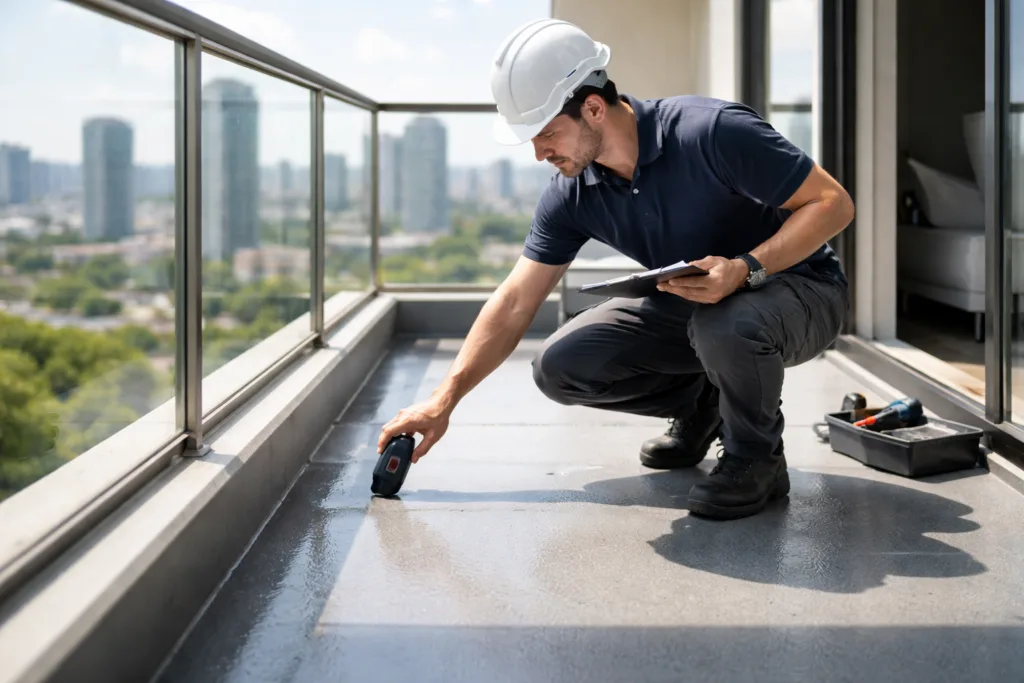
No waterproofing system survives on material alone. Longevity depends on the “triple equation”: quality of product, skill of installation, and thoroughness of ongoing upkeep. Even the most advanced coating, such as a ZDS1990AB 2K Polyaspartic Polyurea Waterproof Coating, will underperform if applied to a damp substrate or ignored during seasonal changes. Let’s break down the effect of each factor.
- Material: Chemistry (polyurea, epoxy, acrylic) affects UV resistance, flexibility, and durability.
- Installation: Surface preparation, moisture control, and mixing method are critical.
- Maintenance: Regular inspections, immediate repair of damage, safe cleaning methods.
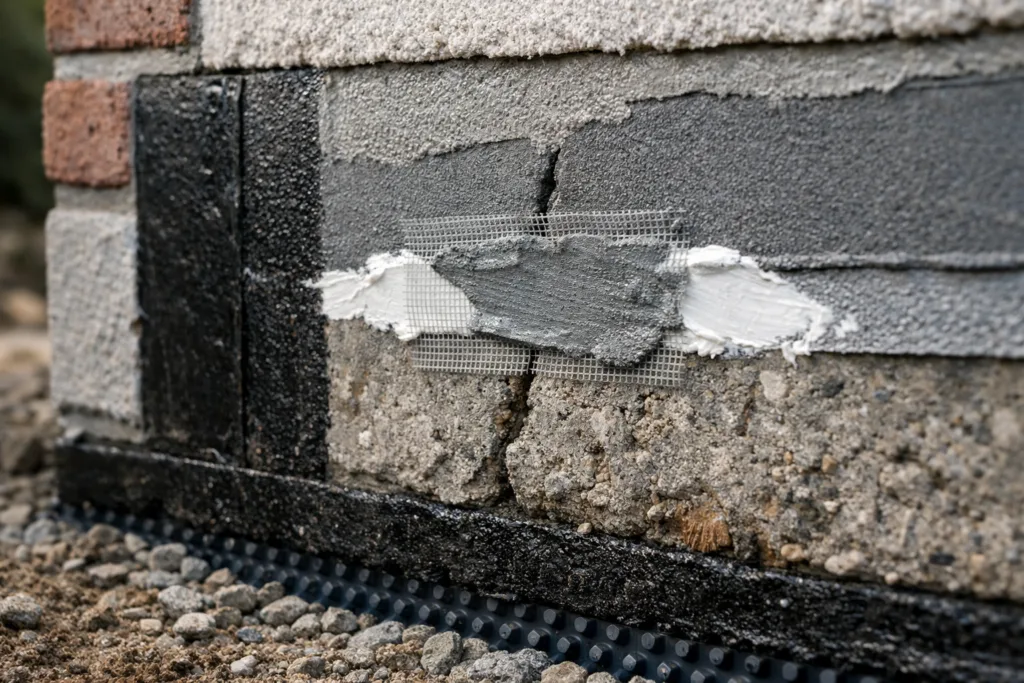
ZDSpoxy field experience shows that system failure most often correlates with overlooked prep or maintenance—not product flaws. For example, exterior coatings on walls should be regularly checked for new cracks or gaps, using a methodical approach and proper records. Success is repeatable when teams adopt disciplined mixing ratios and moisture testing before application.
Indoor Areas: Bathroom, Kitchen, and Living Spaces
Indoor waterproofing systems—like those for bathrooms and kitchens—generally face less aggressive weather but must cope with humidity, regular cleaning, and temperature changes. Typical lifespans range from 5 to 15 years, depending on the system used and maintenance care.
- Humidity: High moisture from showers or sinks increases risk of mold and material degradation.
- Cleaning Chemicals: Harsh cleaners and frequent washing can wear down coatings and sealants.
- Traffic: Floor areas near sinks, toilets, or wet rooms experience abrasion and impact.
Actions to Extend Lifespan in Indoors
- Gentle Cleaning: Use mild, non-acidic cleaning solutions to prevent erosion.
- Moisture Control: Ventilate rooms and promptly fix plumbing leaks.
- Periodic Inspection: Check junctions around tiles and fixtures for cracks or gaps every 6 months.
For tiled bathrooms and kitchens, choosing advanced kitchen bathroom tile waterproofing systems can further enhance life expectancy of your surfaces.
Outdoor Areas: Balcony, Terrace, Courtyard, and Roof Decks
Outdoor waterproofing faces the harshest tests—UV, heat, rain, freezing, and long-term pooling. Average lifespans can vary from 5 to 12 years, but only with intelligent design and regular assessment.
- UV Exposure: Sunlight breaks down certain coatings, causing chalking, color fade, and cracks.
- Ponding Water: Persistent pooling leads to hydrolysis and erosion.
- Thermal Cycling: Fluctuating temperatures expand and contract substrates, stressing coatings.
Actions to Extend Lifespan Outdoors
- Immediate Drainage: Correct slopes, unclog drains, and remove standing water fast.
- UV Resistant Materials: Choose coatings designed with enhanced outdoor UV protection—polyaspartic systems excel here.
- Annual Surface Checks: Inspect for cracks, blisters, and peeling before rainy season.
Your terrace or balcony may benefit from purpose-designed terrace balcony outdoor floor coatings engineered for heavy rain and intense sunlight.
Exterior Walls: Every Millimeter Matters
Wall waterproofing is challenged by persistent weather, building settling, and pollution. Typical exterior wall coatings last 7 to 12 years but drop quickly in poor climates or when regular repairs are skipped.
- Crack Formation: Expansion, contraction, and vibration can split coatings, inviting intrusion.
- Pollution Erosion: Acid rain and air contaminants slowly break down protective layers.
- Insufficient Overlap: Thinly applied coatings or missed seams often fail first.
Actions to Extend Wall Waterproofing
- Quarterly Visual Inspection: Scan walls for visible cracks or chalking.
- Seal and Patch: Immediately seal observed fissures—use compatible repair products.
- Keep Surfaces Clean: Wash away pollutants with low-pressure water, avoiding strong acids.
Swimming Pools: Submerged Longevity Tests
Waterproofing in pools and fountains faces continuous immersion, chloride attack, and dynamic stress from water movement. Lifespan typically ranges from 6 to 12 years in private pools, shorter for high-traffic public ones.
- Chemical Attack: Chlorine and pH adjusters degrade many waterproofing membranes.
- Hydrostatic Pressure: Ground movement and pressure can flex or tear membrane coats.
- Substrate Preparation: Any unaddressed cracks or high moisture areas risk fast delamination.
How to Prolong Pool Waterproofing
- Proper pH Control: Maintain water chemistry to avoid excess acidity or alkalinity.
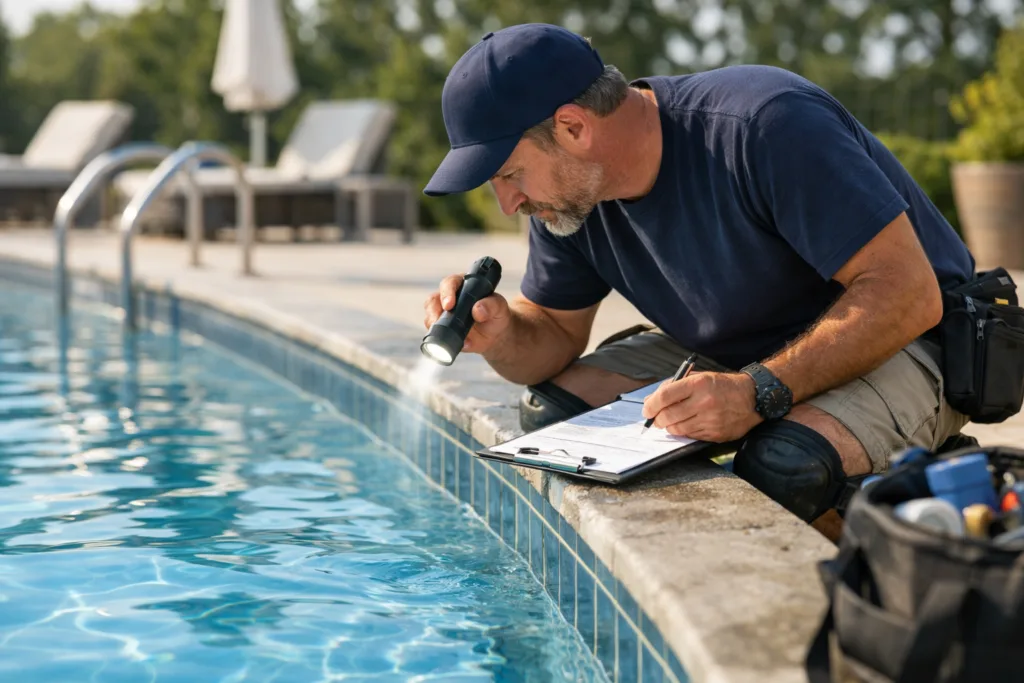
- Scheduled Maintenance: Annually shut down for deep surface inspection.
- Mosaic/Junction Care: Re-inject sealant at tile intersections as soon as gaps are found.
Specific systems built for pools—see swimming pool waterproofing solutions—are engineered for underwater durability and chemical resilience.
Flooring: Garage, Courtyard, Stone, and Wood
Floor waterproofing differs for concrete slabs, natural stone, and wood—material absorption, vehicle loads, and cleaning routines determine lifespan. With the right primer and topcoat, floors see 7 to 15 years; neglected surfaces may fail within 3 to 5.
- Traffic Damage: Cars, carts, or frequent footsteps naturally abrade the surface.
- Chemical Spills: Oil, fuel, and strong detergents quickly erode normal coatings.
- Substrate Moisture: Underlying dampness causes osmotic blistering, especially in untested slabs.
Extending Floor Waterproofing Life
- Immediate Spill Cleanup: Wipe oil, fuel, and chemicals as soon as detected.
- Traffic Control: Use protective mats or limit heavy vehicular traffic.
- Moisture Testing: Before renovation, test concrete moisture per industry standards.
For heavy-duty protection, see floor renovation coatings and courtyard stone flooring options—each designed for specific substrate and usage profiles.
Substrate Moisture: The Invisible Threat to Waterproofing Lifespan
Beneath the surface, hidden moisture is the most frequent culprit behind rapid waterproofing failure. If the concrete or wall is too damp, adhesives and coatings can blister, peel, or lose bond—sometimes within months.
| Area | Moisture Risk | Lifespan Impact | Best Practice |
|---|---|---|---|
| Indoor Floored Areas | Leaky plumbing, steam | Medium–High | Test substrate, ventilate, fix leaks |
| Outdoor Terraces | Ponding, rain migration | High | Correct slope, patch cracks |
| Pool Walls | Groundwater seepage | Very High | Inject sealant, retest annually |
Key Actions for Moisture Management
- Use industry moisture test kits before coating.
- Monitor humidity levels in enclosed areas.
- Seal cracks and penetrations in substrates promptly.
UV Exposure: Sunlight’s Erosion on Lifespan
UV radiation breaks down many waterproofing ingredients, especially acrylics and older bitumen. Modern systems like polyaspartic polyurea and epoxy blends resist sun damage, retaining gloss and flexibility. If not addressed, membrane chalking and micro-cracks deteriorate life within just 2–3 years outdoors.
UV Lifespan Extension Tips
- Choose UV-resistant coatings for all exterior surfaces.
- Inspect sunlight-facing walls and decks every spring.
- Recoat before visible fading, using manufacturer-specified intervals.
Traffic and Mechanical Impact: How Activity Reduces Duration
Mechanical wear—whether from vehicles, foot traffic, or moving furniture—shortens waterproofing life. The impact depends on resin toughness, surface smoothness, and use frequency. ZDSpoxy testing confirms that thicker epoxy or polyurea layers with aggregate toplocks hold up best in high-traffic sites.
Prolonging Life Under Traffic
- Apply additional topcoat or traffic-rated coating.
- Renew worn zones annually with spot repairs.
- Use protectors under heavy loads (mats, pads).
Cleaning Practices: Balancing Hygiene and Durability
Cleanliness matters—and so does technique. Aggressive acids, strong alkalis, and abrasive scrubbing wear down waterproof barriers. Lifespans shrink swiftly when incorrect cleaners erode the film or leave residue.
Cleaning for Longevity
- Switch to pH-neutral cleaners.
- Rinse gently and avoid abrasive pads.
- Train cleaning staff on correct protocols (especially in commercial use).
Comparative Table: Lifespan by Area and Threat
| Area | Typical Lifespan (Years) | Main Threats | 3 Lifespan-Boosters |
|---|---|---|---|
| Indoor Bathroom/Kitchen | 5–15 | Humidity, cleaning, abrasion | Gentle cleaning, fix leaks, inspect |
| Outdoor Balcony/Terrace | 7–12 | UV, ponding, temperature | UV coatings, quick drainage, annual check |
| Exterior Walls | 7–12 | Cracks, pollution, overlap | Surface scans, patching, low-acid cleaning |
| Swimming Pools | 6–12 | Chemicals, hydrostatic pressure | Water chemistry, annual shutdown, reseal junctions |
| Floors (Garage/Courtyard) | 7–15 | Traffic, chemicals, moisture | Spill cleanup, mats, moisture test |
Application Reliability: How Quality Control Extends Waterproofing Lifespan
On-site performance hinges on verifiable installation methods. ZDSpoxy routinely sees failure where mixing ratios are skipped, or surface contaminants are ignored. Adhering to manufacturer protocols, batch consistency, and using correct primers (such as rapid-curing epoxies) ensures full system bond and resilience. Operators should regularly audit cure times and inspect bond lines with moisture meters.
How Long Does Waterproofing Last? Real Lifespan by Area
The summary: waterproofing lifespan is never “one-size-fits-all.” For bathrooms and kitchens, expect repairs every 5–15 years depending on moisture and cleaning. Outdoor terraces and walls last 7–12 years when checked and re-coated routinely. Pools, under constant assault, may need work after 6–12 years. Flooring and covered courtyards see 7–15 years, provided substrate moisture is controlled and surface traffic is managed.
Always combine advanced material selection, skilled application, and vigilant maintenance for the longest system life—no shortcut exists.
Practical Takeaways: Maintenance Steps for Every Area
- Schedule Regular Inspections: Semi-annual for interiors, annual for exteriors.
- Moisture Test Substrates: Always test concrete or wood before recoating.
- Choose UV-Resistant and Tough Coatings: Especially for outdoor and high-traffic locations.
- Clean With Care: pH-neutral solutions preserve surface integrity.
- Patch and Seal Early: Address cracks and damage without delay.
Conclusion: Building for the Future
Waterproofing is an ongoing process, not a set-and-forget solution. With smart material choices, disciplined installation practices, and proactive maintenance, you can extend protection far beyond warranty years—saving money and preventing headaches. Remember, longevity relies equally on system design, environmental adaptation, and regular inspection. Invest in these pillars, and your building’s surfaces withstand the true test of time.
Frequently Asked Questions
Why does waterproofing fail early compared to its rated lifespan?
Most failures come from poor surface prep, hidden moisture, or missed maintenance rather than flaws in the coating itself. Environment and use pattern also impact results.
Can I extend waterproofing duration by recoating?
Yes, recoating with compatible materials after thorough cleaning and repair can add years. Always follow manufacturer’s advice for surface prep and selection.
How do I know if my waterproofing needs renewal?
Look for cracks, peeling, color changes, persistent damp, or recurring leaks. Regular inspections catch problems early before they escalate into full system failure.
Do outdoor surfaces always need special waterproofing?
Outdoor surfaces face more sun, rain, and temperature swings, so they require coatings optimized for UV and weather resistance—basic interior systems rarely suffice.
What is the fastest way to spot moisture problems in substrates?
Use industry-standard plastic sheet moisture tests, check for condensation, and inspect for efflorescence or salt blooms on the surface.
Is waterproofing maintenance costly?
Routine inspection and gentle cleaning are low-cost compared to full repairs. Keeping surfaces well-maintained spreads costs and maximizes value over time.
Related Reading
- Top 10 Early Warning Signs Waterproofing Needs Renovation
- Waterproof vs Water-Resistant: What Every Property Owner Should Know
- How Modern Exterior Wall Renovation Extends Building Life
- Expert Tips for Long-Lasting Interior Wall Waterproofing
- Resin Bound Stone Systems: Durable Outdoor Flooring for Harsh Climates