
Introduction: Understanding What Material Will Epoxy Not Stick To in Boat-Building
Epoxy adhesives and coatings are essential in boat-building and repair, offering outstanding toughness, water resistance, and bonding strength. Yet, not all surfaces guarantee a solid bond. When working with epoxy, the question what material will epoxy not stick to is crucial for both new builds and repairs. If you apply epoxy directly to certain materials, you risk peel-off, cure failures, or unsightly bubbles. This guide explains non-stick materials, boatyard surface prep standards, and practical approaches for reliable bonds—especially when you must tackle tricky substrates like polyethylene, polypropylene, or silicone.
Why Does Epoxy Refuse to Stick? The Science Behind Surface Energy
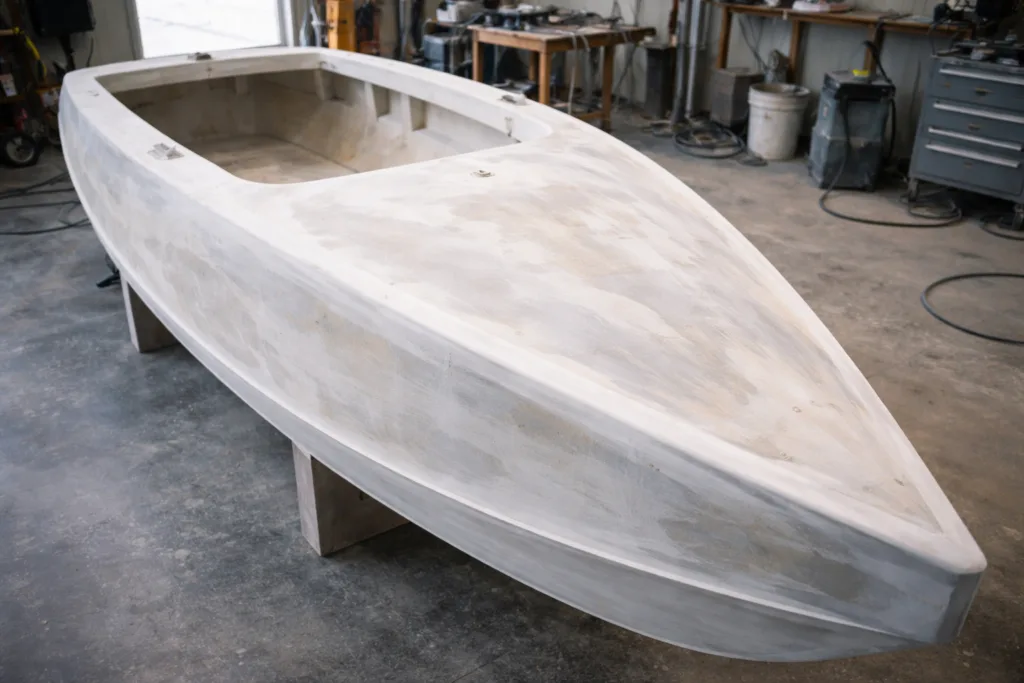
Epoxy relies on both mechanical grip and chemical adhesion. Successful bonding depends on ‘surface energy,’ with high-energy surfaces (metal, wood, fiberglass) providing strong adhesion. Low-energy substrates, such as polyethylene (PE), polypropylene (PP), and silicone rubber, almost always repel epoxy, resulting in weak or non-existent bonds. Surface contaminants, waxes, or release agents also prevent adhesion by creating slippery or oily layers.
List of Materials Epoxy Will Not Stick To: An At-A-Glance Table
| Material | Epoxy Bond Strength | Typical Boat Use |
|---|---|---|
| Polyethylene (PE) | Very poor | Containers, plastic tanks |
| Polypropylene (PP) | Very poor | Liners, fittings |
| PTFE (Teflon) | No bond | Gaskets, valve seats |
| Silicone Rubber | Poor | Seals, gaskets |
| Waxy/Lubricated Surfaces | None | Waxed hulls, mold surfaces |
| Release Agent-Coated Tools | None | Molds, forms |
| Oily/Greasy Metals | None | Machinery, engine bays |
The Challenge of Epoxy on Polyethylene and Polypropylene
Polyethylene and polypropylene are everywhere in boat systems—tanks, trays, and even some hull features. These plastics are in the ‘low surface energy’ category, meaning epoxy just slides off. Even with sandpaper roughening, bonds are unreliable. If you absolutely must bond epoxy to PE/PP, advanced preparation is needed: aggressive mechanical abrasion, flame or plasma treatment, and specialty adhesion promoters. However, these methods come with risks—bond durability remains questionable.
For repair and structural jobs, consider mechanical fasteners or replacing PE/PP parts with more epoxy-friendly materials. If you seek durable bonding solutions, the ZDS-2060AB wood primer offers strong adhesion on timber, but cannot overcome PE/PP’s chemistry.
Epoxy on Silicone, Wax, and Release Agent Surfaces
Silicone rubbers—used for gaskets, flexible seals, and even as masking—are famously hard for epoxy to bond. Epoxy cannot wet out the surface, and you can typically peel it off like tape once cured. Similarly, any waxed or mold-release-coated surface is designed to repel adhesives, including epoxy. This is why boatbuilders use waxes and release agents in molds for easy part removal.
Can Epoxy Bond to Teflon (PTFE)?
Teflon, or PTFE, is entirely resistant to epoxy—no chemical bond, no mechanical grip. It’s used deliberately in boat parts to separate moving surfaces or form easy-release gaskets. For applications needing a secure connection, use mechanical fixings, never rely on epoxy.
Epoxy Release Agents: Where Non-Stick Is a Feature, Not a Bug
In boat-building, release agents are often used on molds, tools, and forms to produce clean, seamless parts. These chemicals—based on silicone, PTFE, or wax—create a surface that epoxy will not stick to. If you ever struggle with adhesion, check for accidental transfer of these substances on your substrate.
Common Boat-Building Substrates That Do Accept Epoxy
- Fiberglass/Composite: Epoxy bonds extremely well after sanding and solvent wipe.
- Metals: Aluminum and steel require sanding/grinding and oil removal.
- Wood: Clean, dry, sanded wood accepts both structural and coating-grade epoxies.
For example, ZDSpoxy advises thorough degreasing and sanding on metal before applying specialized primers or bonding agents.
Step-by-Step Surface Prep for Epoxy Bonding: Boat Case Studies
Boatbuilders must follow strict surface preparation to ensure maximum bond strength. Here’s a quick procedural breakdown for common hull materials:
- Fiberglass: Sand to dull gloss, wipe with acetone, allow full evaporation, check for contaminants.
- Wood: Sand to open grain, tack away dust, ensure dry environment, choose the right primer for rot resistance.
- Metal: Grind to bright finish, remove oil/grease, apply a compatible primer before epoxy.
To repair wood, especially on boat hulls and decks, ZDS-189 offers reliable filling of dents and scratches after proper surface prep.
How Surface Prep Prevents Epoxy Bond Failure
Proper prep removes obstacles—dust, oil, wax, oxidation—that lead to bond failure. The goal is to establish a high-energy, mechanically roughened surface for strong adhesion. Failure to do so is a top cause of peel-off, especially in marine environments where moisture lurks everywhere. ZDSpoxy resin experts recommend strict adherence to batch-wise surface inspection and standardized cleaning protocols.
Practical Approaches When You Must Bond Epoxy to ‘Non-Stick’ Materials
Sometimes you have no choice but to create a bond to low-surface-energy materials. What can you do? Best practice includes:
- Aggressive mechanical abrasion: Use coarse sandpaper or grinding wheels to maximize roughness.
- Flame or corona treatments: Pass the surface through a gas flame or a plasma field to increase surface energy.
- Primers and adhesion promoters: Specialized chemicals (rare and expensive) may enhance the bond, but check compatibility and test in real conditions.
- Mechanical fasteners: Rely on screws, bolts, or clips for mission-critical applications.
Even with these methods, bonds may not withstand water immersion or repeated stress. Careful engineering judgment—and real-world testing—is mandatory.

Risks and Limits of Special Surface Treatments for Epoxy Bonding
Surface treatments can improve adhesion but are rarely perfect. Flame or plasma treatment may help temporarily, but surface energy can drop over time—especially in humid, salty marine conditions. Primers for difficult plastics are not always available or may require impossible working conditions. Always consider that even with advanced prep, epoxy bonds on PE/PP or silicone rarely match what you can achieve on fiberglass, metal, or wood.
Epoxy Bonding in the Real World: The Boat-Building Perspective
On the shop floor, strict surface prep is non-negotiable. Even the smallest trace of oil or wax can ruin a layup or repair. ZDSpoxy engineers have seen hundreds of failures caused by poor cleaning or missed contaminant spots. Every batch, every surface, every tool should be checked twice—especially before major hull or deck repairs. Where low-energy plastics are present, mechanical joining is often safer than relying on the chemistry.
Surface Compatibility Table: Epoxy Bond Strength vs Boat-Building Substrate
| Substrate | Epoxy Bond Strength | Typical Preparation |
|---|---|---|
| Fiberglass (Polyester) | Excellent | Sanding, solvent wipe |
| Wood (Teak, Mahogany) | Excellent | Sanding, dry environment |
| Aluminum | Good | Grinding, degreasing |
| Steel | Good | Grinding, solvent wipe |
| Polyethylene | Poor | Flame/plasma treatment, abrasion |
| Polypropylene | Poor | Flame/plasma treatment, abrasion |
| Silicone rubber | Poor | Not practical |
| PTFE (Teflon) | No bond | None |
Boat Maintenance Tips: Avoiding Common Epoxy Bonding Pitfalls
- Always clean and sand surfaces before epoxying—never shortcut this step.
- Watch for invisible contaminants: release agent, wax, oil, and dust.
- Double-check plastics—most clear, slippery types are low-energy and cannot be trusted for critical bonds.
- Use high-performance products only after surface is confirmed clean. If in doubt, test before committing to repairs.
- Store repair materials in clean, dry areas to prevent cross-contamination.
For challenging repairs such as underwater patching, ZDS-1002AB epoxy putty is engineered for bonding to damp and submerged surfaces—provided the substrate is compatible and properly prepped.
How to Identify Epoxy Bond Failures on Boats
- Delamination: Epoxy peels away in sheets; most common on waxed or oily surfaces.
- Bubbling: Moisture trapped below surface due to poor prep causes blistering.
- Cohesive failure: The epoxy itself cracks instead of the substrate—usually from improper mix or cure.
Regular inspection and touch-up can prevent further damage. If you see bond failure, review your prep steps and revisit material compatibility.
Boat-Building Case Examples: Solving ‘Non-Stick’ Epoxy Challenges
Example 1: A polyethylene water tank with a cracked wall—standard epoxy slides right off. Instead, the boat repair crew used a mechanical clamp and roughened the contact area with flame and coarse sandpaper, achieving a functional but temporary seal.
Example 2: Silicone gasket leaking on an engine bay cover—epoxy couldn’t bond, so a new rubber gasket and fastener system were installed.
Example 3: Fiberglass deck polish residue caused widespread delamination after epoxy coating. After sanding and solvent wiping, adhesion returned to normal.
Summary Table: Surface Prep Checklist for Boatbuilders
| Material | Prep Steps Required | Epoxy Suitability |
|---|---|---|
| Fiberglass | Sand, solvent wipe | Excellent |
| Wood | Sand, tack, check moisture | Excellent |
| Metal | Grind, degrease, dry | Good |
| PE/PP | Aggressive abrasives, flame | Low |
| Silicone/PTFE | None | Not recommended |
What Material Will Epoxy Not Stick To? The Definitive Section
Epoxy will not stick to polyethylene, polypropylene, PTFE, silicone rubber, waxed surfaces, release-agent films, or oily metals. These are all low-surface-energy substrates used in boat parts, gaskets, or as mold-release layers. Epoxy bonds best to properly prepped fiberglass, wood, and metals. When working on repairs or upgrades in marine environments, always test surface energy and prep thoroughly—never shortcut the cleaning, sanding, and degreasing steps. For materials that repel epoxy, consider mechanical bonding and engineered solutions.
Conclusion: Practical Epoxy Bonding Wisdom for Boat-Builders
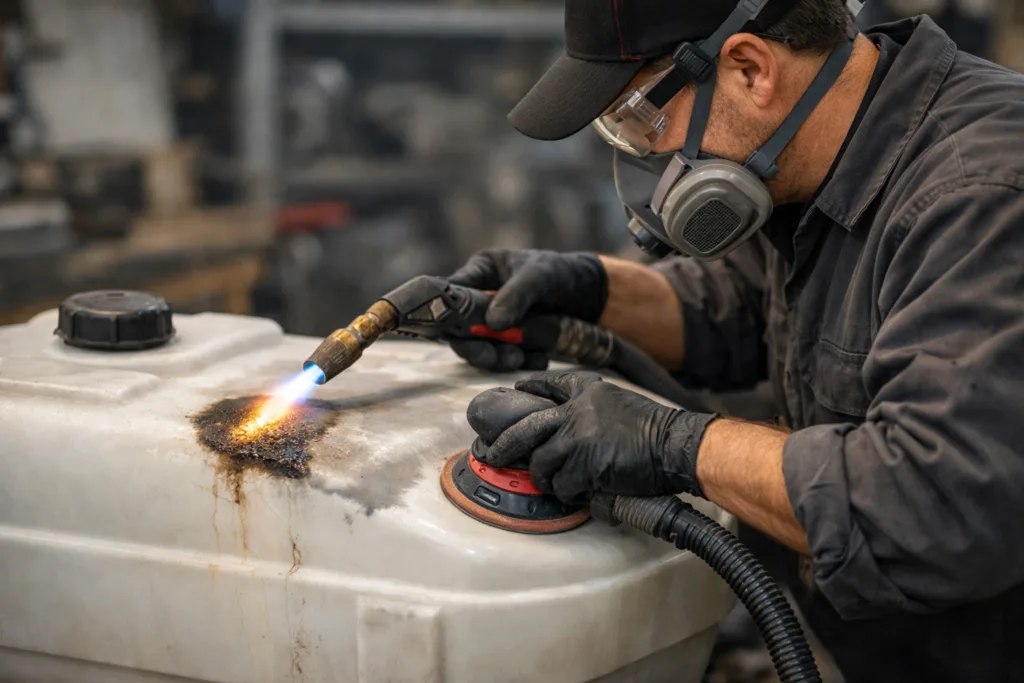
Understanding what material will epoxy not stick to is essential for successful boat building and maintenance. Key takeaways: epoxy avoids PE, PP, silicone, PTFE, wax, release agents, and oily metals, but bonds reliably to clean, sanded fiberglass, wood, and metal. Surface prep—sanding, cleaning, drying—remains your best friend. When you face non-stick materials, use mechanical attachment or advanced treatments, but always recognize the risks.
Strict adherence to prep standards, like those practiced at ZDSpoxy facilities, prevents most bonding failures. Keep tools and materials clean and dry, check every surface, and never rely on epoxy’s chemistry to overcome poor substrate compatibility. With this wisdom, your boat repairs and builds will deliver lasting performance, even in the harshest marine environments.
Frequently Asked Questions
Can epoxy bond to polyethylene or polypropylene?
No. Epoxy bonds poorly to both polyethylene and polypropylene because of their very low surface energy. Even advanced surface treatments offer only temporary, unreliable bonds.
Does epoxy stick to silicone rubber?
No. Epoxy will not adhere to silicone rubber; the bond is weak and typically peels off easily.
How can I bond epoxy to difficult plastics if needed?
Aggressive abrasion, flame/plasma treatment, and special primers may help, but bond strength is unpredictable and rarely suitable for structural repairs in boats.
Why does epoxy sometimes fail to bond to metals?
Metals contaminated with oil, grease, or coated with waxes or release agents will resist epoxy bonding. Proper cleaning and prepping are essential for reliable adhesion.
What surface prep is recommended for boat hulls and decks before epoxy application?
Sand surfaces, wipe with a solvent like acetone, ensure dryness, and inspect for contaminants such as wax or polish residues.
Can I use epoxy for repairs on water tanks or fuel lines made from PE/PP?
No. Epoxy will not bond well; mechanical fasteners or replacing the parts are safer choices for durable repairs.