
Waterproofing Primer Guide, Why Primer Important: The Foundation for Lasting Protection
Every great coating job relies on what lies beneath. When tackling waterproofing renovation or applying a new protective system, the importance of primer is often underestimated. Primer isn’t simply “the first coat”—it’s the anchoring layer that secures adhesion, blocks pores, and prevents long-term issues like bubbling and moisture intrusion. In this waterproofing primer guide, we’ll break down why primer matters, the top three roles it plays, and how to judge if you’ve applied enough. This article is for pros, DIYers, and property managers ready to improve waterproofing results, avoid renovation headaches, and ensure their project stands the test of time.
What Is Primer and Why Is It Critical for Waterproofing?
Primer is the specialized coating applied directly to a substrate—such as concrete, tile, or even previously finished surfaces—before the main waterproofing layer. Its job is far more than acting as a simple “base coat.” It’s a science-driven solution designed to create a chemical and mechanical link between the substrate and your waterproofing system. Whether you use epoxy, polyurethane, or polyaspartic coatings, skipping or poorly applying primer is asking for trouble.
The Three Key Functions of Primer in Waterproofing
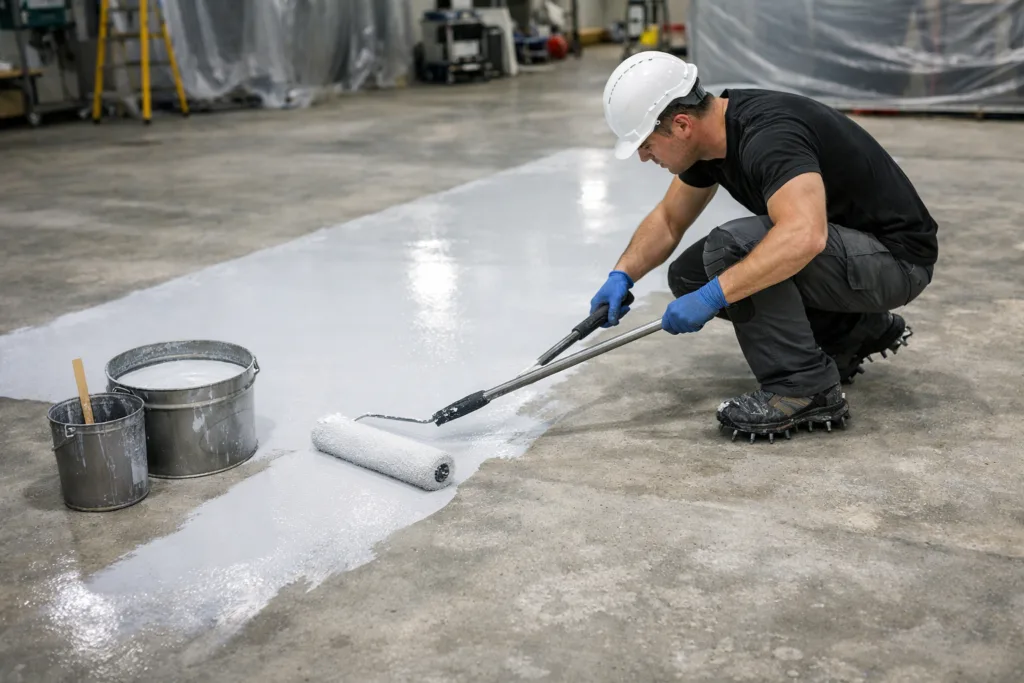
Properly applied primer delivers three essential benefits:
- Adhesion Enhancement: Primer chemically bonds to both the substrate and the topcoat, forming a tough bridge that keeps the coating securely in place. This bond prevents delamination—one of the most costly and common failures in waterproofing jobs.
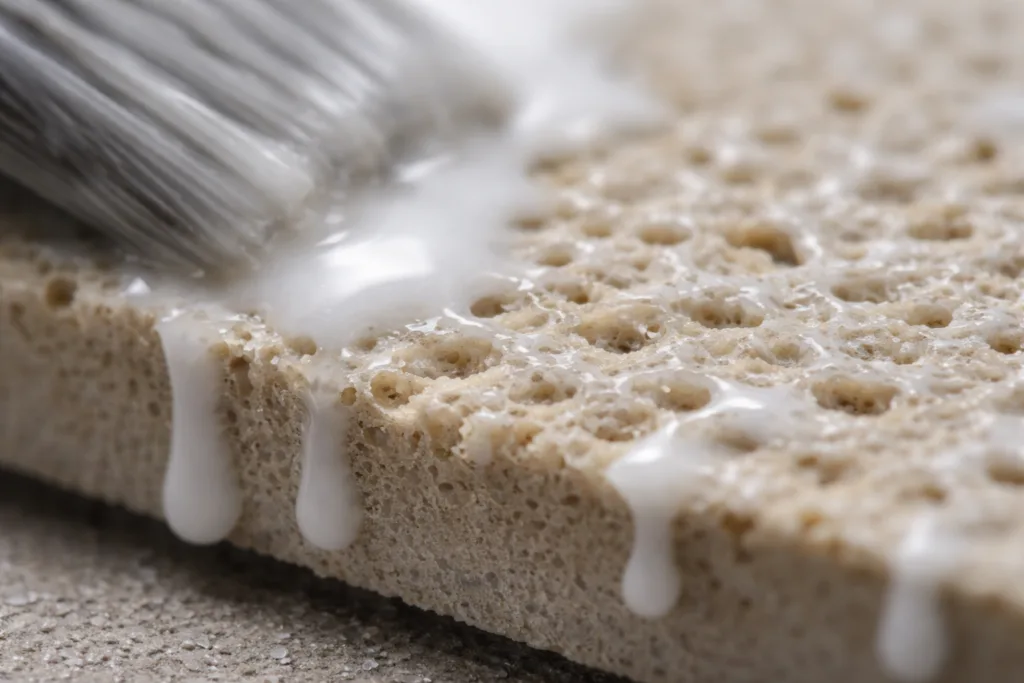
- Pore Sealing: Most substrates aren’t perfectly smooth or solid. Concrete, grout, and tile can be porous, containing small holes that allow water or vapor to sneak through. Primer fills and closes these pores, creating a continuous, sealed surface for the waterproofing layer.
- Bubble/Moisture Risk Reduction: On absorbent or damp surfaces, skipping primer can cause trapped moisture to escape as bubbles or blisters in the coating. Primer acts as a barrier, locking in residual moisture and stabilizing the substrate, so your topcoat cures without ugly or weak spots.
How Does Primer Work for Water-Based vs Solvent-Based Systems?
Not all primers are created equal. Water-based primers absorb quickly and are easier to clean up, while solvent-based ones offer deeper penetration and stronger bonding on tough substrates. Each system may require a specific type—consult manufacturer guidelines! For tough renovations, a rapid-curing epoxy primer like ZDS1271AB can ensure faster application and reliable anchoring.
Which Substrates Require Primer the Most?
Certain surfaces absolutely demand careful priming. Skipping primer on these can doom your project from the start:
- Powdery/Soft Concrete: Fresh, poorly cured, or chalky concrete is notorious for weak bonds. Primer penetrates and consolidates the surface.
- Ground or Sanded Ceramic Tiles: Mechanical abrasion creates micro-pores but also makes the surface slick. Primer provides grip and fills tiny cracks.
- Localized Repairs: Patching compounds, grouts, or repair mortars often have different properties than the surrounding floor or wall. Primer helps tie old and new materials together.
- Old Coating Renovation: When renewing an existing waterproofing system, subtle contaminants, residual oils, or previous primers can block adhesion. Primer adapts to these challenges and forms a connection.
For more information on tackling renovation in sensitive areas, check out the complete kitchen bathroom tile waterproofing resource.
Special Cases: Outdoor Areas
Terraces, balconies, and outdoor floors are prone to moisture, temperature swings, and UV damage. Every waterproofing renovation solution for these spaces starts with a primer step—gripping onto granular substrates and sealing against rainwater infiltration. Explore more on terrace balcony outdoor floor methods.
How to Judge If You Have Applied Enough Primer?
It is tempting to “skim” primer—especially to save material or time. But under-application increases failure risk. Here are practical ways (based on site experience) to know you’ve primed thoroughly:
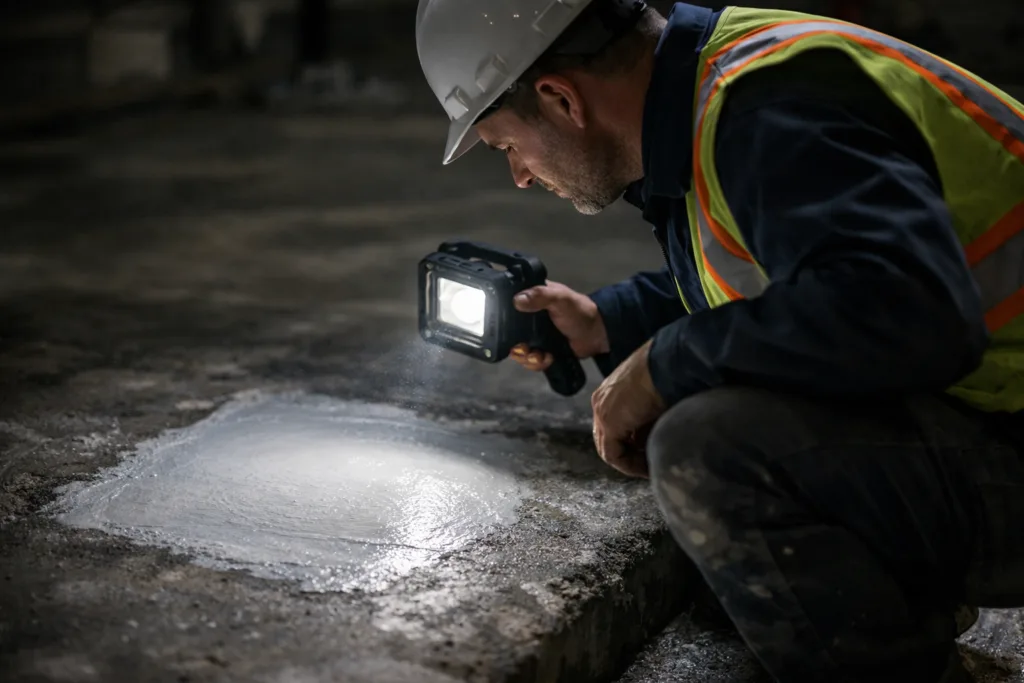
- Uniform Coverage: The substrate should appear evenly “wet” with primer, with no dry patches, streaks, or visible pores left open. Use angled lighting to check.
- No Absorbed Spots: If areas soak up primer rapidly and look dry within a few minutes, they likely need a second coat for full pore sealing.
- Resistance to Touch: The surface should feel tacky but not sticky; over-absorbed or dry-touch indicates missing primer.
- Absence of Pinholes: Close inspection (or using a small lamp) should reveal minimal pinholes in the primed layer. Pinholes can let moisture into the system.
In highly porous regions or on patchwork repairs, ZDSpoxy’s engineering advice is to pre-wet with primer, wait until dry, then apply a second layer. This ensures full penetration and strong bonding—especially in floor renovation projects (see floor renovation details).
Common Mistakes: Primer Application Gone Wrong
Despite its importance, primer can be mishandled. Here are practical observations:
- Applying primer to dirty, oily, or dusty surfaces (proper surface prep is vital!)
- Failure to mix two-part primers correctly—industrial-grade primers need careful ratio control and thorough mixing to avoid resin separation
- Trying to stretch primer further than recommended, leading to thin spots and poor sealing
- Rushing through application—primer must have time to penetrate, cure, and anchor before the topcoat arrives
Waterproofing Primer Guide, Why Primer Important: Critical Steps and Site Protocol
Every successful waterproofing job starts with strict protocol. ZDSpoxy recommends the following real-world checklist:
- Clean and dry substrate; remove all dust, grease, and laitance
- Perform moisture testing—especially vital for concrete floors prone to vapor issues.
- For repaired or mixed substrates, use an adhesion-promoting primer matched to the repair material
- Follow the manufacturer’s coverage rate and mixing instructions exactly. Measuring batch sizes reduces waste and ensures batch-to-batch consistency
- Allow primer layer to fully dry or reach tacky stage before applying topcoat
- Inspect primed area for coverage and repeat if needed
What Happens If You Skip Primer?
If primer is skipped, several consequences can arise:
- Delamination: Waterproofing layer doesn’t grip the substrate, leading to peeling or lifting under stress or moisture
- Bubbling: Substrate moisture rises through the coating, causing blistering and weak spots
- Poor Chemical Resistance: Coating is more vulnerable to corrosion, salt spray, and everyday wear
- Shortened Lifespan: The full system fails early, requiring costly repairs or full replacement
Choosing the Right Primer: Material Compatibility and Application Reality
Every substrate and coating has unique needs. Consider:
- Physical condition of substrate—powdery, aged, or newly repaired materials require deep-penetrating primers.
- Moisture content—high-moisture substrates must use moisture-tolerant primers, often epoxy or polyurethane.
- Project timeline—rapid or high-output jobs may leverage quick-curing systems like ZDS1271AB.
- Application temperature—low temperatures demand specially formulated primers with longer working times.
Site Safety: What Should You Watch Out For?
Primer isn’t just a technical step—it’s a safety-sensitive material. Always follow PPE guidelines, ensure good ventilation, and check product specs for VOC content. Storage and shelf-life are also crucial, especially on large commercial jobs.
Waterproofing Primer Guide, Why Primer Important: Real Engineering Insights
From manufacturing plants to real-world job sites, batch consistency and application discipline are key. ZDSpoxy engineers emphasize primer selection based on compressive strength, flowability, and exotherm risk—especially for substrates prone to moisture. A well-chosen primer can mitigate surface imperfections, adapt to ambient conditions, and bond difficult substrates without risk of shrinkage or catastrophic failure.
Should You Use One or Two Primer Layers?
Highly absorbent or mixed substrates often demand “two primer layers, one topcoat” as a best practice. The first primer seals pores, the second builds adhesion, and the final waterproofing coat completes the system. Always check substrate absorption rate and manufacturer guidelines.
Conclusion: Primer Is the First Defense Against Waterproofing Failure
Problems most often start from below the topcoat. The waterproofing primer guide shows why primer is non-negotiable—anchoring the system, sealing pores, and stopping moisture. Whether working with powdery concrete, sanded tile, repair patches, or old coatings, primer is your shield against delamination, bubbles, and premature breakdown. By understanding its three core roles, applying enough product, and matching to site conditions, you’ll secure lasting protection. Proper priming is not just a task—it’s the critical step for every successful waterproofing renovation.
Frequently Asked Questions
What is the main role of primer in waterproofing?
Primer enhances adhesion, fills substrate pores, and reduces the risk of bubbles or moisture-related failures in waterproofing systems.
How do I know if I’ve applied enough primer?
Uniform wet coverage, reduced dry spots, tacky surface feel, and minimal visible pinholes indicate sufficient primer application.
Which substrates always require primer?
Powdery concrete, sanded ceramic tile, local repair areas, and surfaces undergoing renovation should always be primed.
What problems can occur if primer is skipped?
Delamination, blistering/bubbling, poor chemical resistance, and early coating failure are common issues when primer is omitted.
Should I apply one or two layers of primer?
For highly absorbent or complex substrates, applying two layers is often recommended for best pore sealing and adhesion.
Can I use different primers for different waterproofing systems?
Yes, water-based and solvent-based primers have different behaviors; always match primer type to substrate and topcoat compatibility.
Related Reading
- Avoid Floor Coating Failures: 7 Critical Primer Selection Steps
- Diagnosing Waterproofing Failure: Signs, Causes, and Fast Repair Solutions
- Total Waterproofing Renovation Solutions for Modern Buildings
- Spot Early Waterproofing Problems: The 10 Warning Signs Every Owner Should Watch
- What Drives Waterproofing Renovation Cost? 7 Factors to Know Before You Start