
Understanding UV Resistant Waterproof Coating, Outdoor Coating UV: The Modern Outdoor Dilemma
Modern construction projects face three relentless outdoor challenges: intense UV radiation, wild temperature swings, and sudden rain. Without the right coating, even the toughest surfaces—balcony tiles or exterior walls—can fade, crack, or let water seep inside. The phrase UV resistant waterproof coating, outdoor coating UV isn’t just marketing talk; it’s essential engineering. To deliver meaningful, durable outdoor protection, smart coating selection and careful application are vital.
Three Main Challenges for Outdoor Surfaces: UV, Temperature, and Water
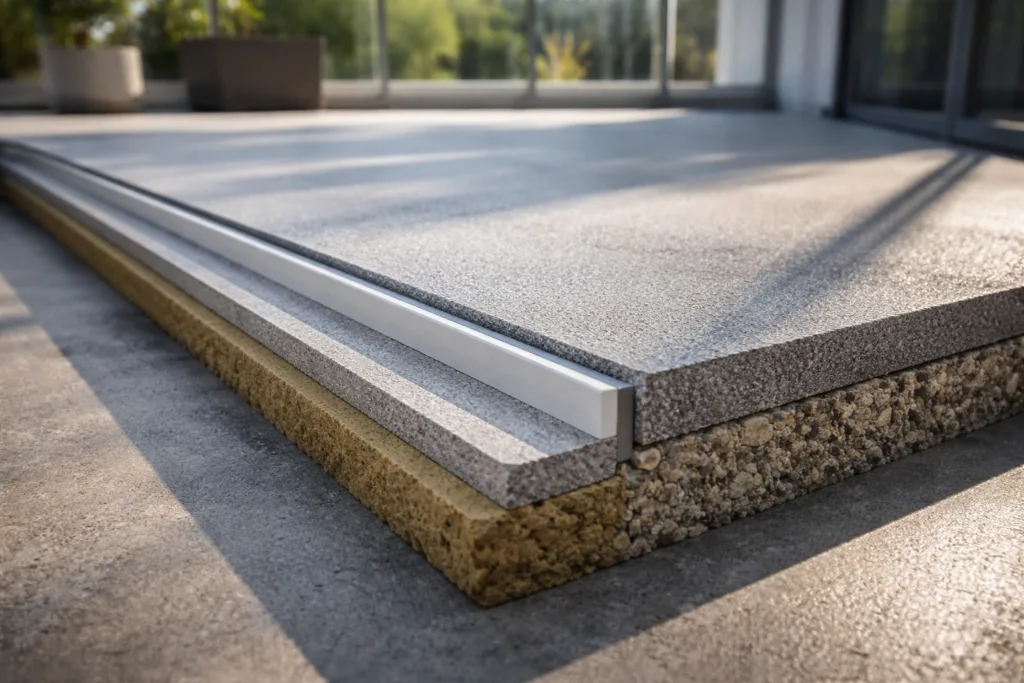
Outdoor structures must contend with three main enemies: UV rays, temperature variation, and rain. Each of these tests the limits of any surface. Without proper treatment, UV causes fading and embrittlement. Shifting temperatures bring micro-cracking as surfaces expand and contract. Finally, rainwater probes every seam and edge, causing leaks or swelling over time. A robust terrace balcony outdoor floor system or exterior wall coating is only as good as its ability to deflect all three threats.
UV: The Invisible Destroyer
The sun’s ultraviolet light is powerful enough to break chemical bonds in many construction materials. Over time, this means most paints and coatings will chalk, yellow, or lose strength. For premium outdoor protection, a true UV resistant waterproof coating must be engineered with stable polymers and sometimes UV-absorbing additives.
Thermal Fluctuations: From Freezing Nights to Blazing Afternoons
Temperature swings stress coatings every day. A proper outdoor coating UV system must handle expansion and contraction without losing its bond or developing hairline cracks. This is especially vital on exterior balconies or walls, where temperature differences can reach 50°C between seasons. The right formulation remains flexible and tough, even after years of sun and frost.
Rain and Water Penetration: The Silent Threat
Even tiny leaks can cause big problems: swelling plasters, peeling paint, or even structural rot. Water finds its way through cracks, joints, or poorly sealed edges. Modern waterproofing doesn’t just shed water off the top surface. It must waterproof at every seam, penetration, and vertical-to-horizontal join.
Five Essential Rules for Outdoor Coating Selection
When selecting any outdoor coating UV product—whether for a balcony, exterior wall, or walkway—these five rules are non-negotiable:
- High-Performance Weatherproof Top Layer: The final layer should offer maximum UV resistance, flexibility, and stain-proofing. Products like advanced polyaspartic or modified polyurethane coatings often excel here.
- Layer Count and Thickness Matching Area Use: A single thick coat can fail faster than multiple thin coats with targeted properties. For demanding surfaces, professional guidelines suggest at least two major layers: a primer and a flexible, high-build membrane, topped with a UV-proof finish.
- Evaluate Anti-Slip Needs: Outdoor surfaces, especially balconies and walkways, must remain safe when wet. Select coatings allowing anti-slip aggregate or delivering inherent slip resistance.
- Attention to Edges, Drains, and Penetrations: Weaknesses often occur at terminations—corners, drains, wall/floor edges, and service penetrations. Reinforcing bands and meticulous finishing make the difference between a long-lasting waterproof system and rapid failure.
- Plan for Wet Season Conditions: Rain can delay work or ruin a coating before it cures. Use rapid-setting systems if fast rainproofing is needed and always forecast weather to schedule application windows.
Case Study: Balcony vs. Exterior Wall—How Outdoor Hazards Differ
Consider a modern residential balcony and a painted exterior wall. Both face UV and water challenges, but with crucial differences. A balcony takes foot traffic, pooling rain, and aggressive cleaning; a wall faces streaks, driving rain, and more direct sunlight. Balcony coatings emphasize flexibility, abrasion resistance, and anti-slip features. Exterior walls need outstanding UV stability and ease of cleaning. Compare their risk points, and notice the details:
| Feature | Balcony Needs | Exterior Wall Needs |
|---|---|---|
| UV Stability | High, prevents yellowing/embrittlement | Extreme, prevents chalking/fading |
| Slip Resistance | Essential, safety for traffic | N/A |
| Water Resistance | Full membrane, including terminations | Hydrophobic, well-sealed junctions |
| Abrasion/Impact | Yes, from footfall/furniture | Minor, but must withstand windblown debris |
| Thermal Expansion | Must flex with slab | Deals mainly with thermal cycling on substrate movement |
For a full solution, see exterior wall renovation and terrace balcony systems for tailored approaches.
Which Materials Excel? Polyaspartic, Polyurethane, and Hybrid Systems
Modern UV resistant waterproof coatings often rely on polyaspartic, two-component polyurethanes, or hybrid blends. Polyaspartics deliver exceptional speed (rapid cure), flexibility, and resistance to both UV and chemicals. Polyurethanes stretch and bridge cracks and handle ponding. Still, each project demands matching the chemistry to local conditions—sunlight, expected rain, surface use, and even aesthetic demands.
Designing a System: Ideal Layer Structure for Outdoor Protection
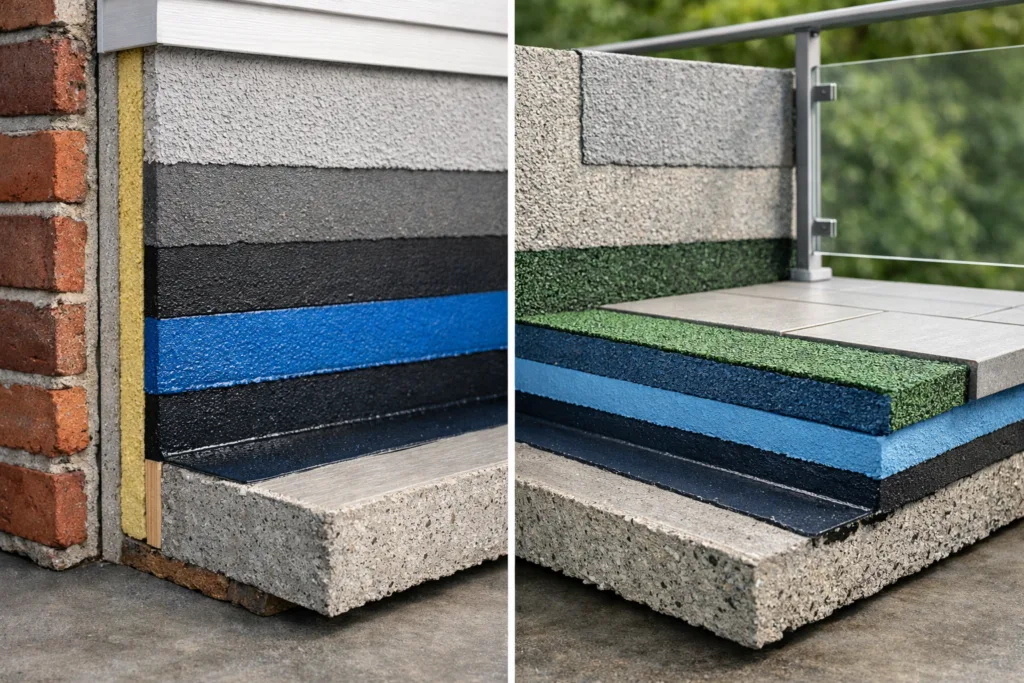
On-site, the “recipe”—from substrate primer to final topcoat—must be tailored. Standard practice for balcony or wall systems includes:
- Penetrating Primer: Locks down dust and provides strong adhesion
- Elastic/Waterproof Membrane: Main waterproofing layer; handles movement
- UV Resistant Topcoat: Provides the weatherproof shield and color stability
The correct order, thickness, and material compatibility are critical. Over-thick layers can crack; under-thick layers may wear or puncture prematurely.
What About Resin Bound Stone and Decorative Options?
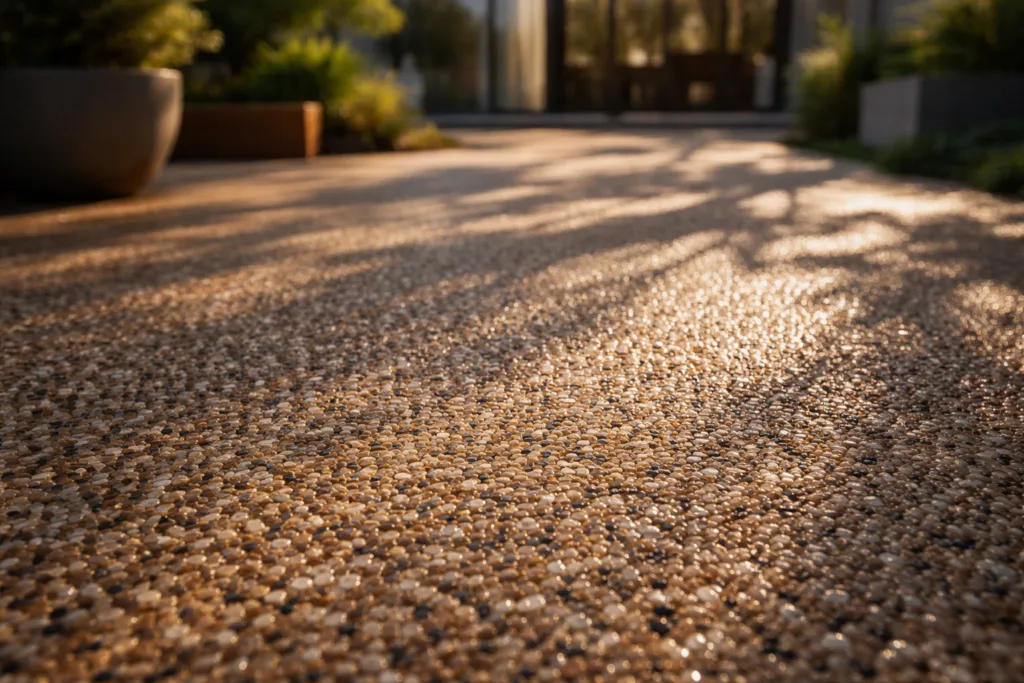
Many want style as well as safety. Resin bound stone systems use clear, UV-stable binders mixed with natural stone. They deliver slip resistance, permeability (rain drains through), and eye-catching visuals. However, their chemistry must deliver top UV and water resistance or the stones may yellow and binder can erode.
Real-World Constraints: Site Prep, Cure Windows, Batch Size, and ZDSpoxy Guidance
In practice, even the best UV resistant waterproof coating can fail without discipline. Surfaces must be clean from oils and dust; moisture levels checked. Under real site conditions, working time and pot life depend on weather—hot, sunny days mean faster curing and smaller batches; cool or rainy spells may extend open time or trap moisture beneath the coating. At ZDSpoxy, we urge contractors to always run a surface moisture test, control batch size, and confirm full cure between coats to prevent blisters or loss of adhesion. Small errors in prep or mixing—not just the coating chemistry—trigger most failures, not the product’s inherent quality.
Advantages of Dedicated Outdoor Systems Versus Ordinary Paints
Why not just use exterior paint? Simple: paint lacks core waterproofing and flexible strength. Specialized systems block water intrusion at the root, survive freeze-thaw cycles, and resist sunlight/fading far beyond decorative coatings. Repair, downtime, and eventual water damage make “economy solutions” far costlier in the long run.
Choosing the Right Solution for Your Needs
For a safe, beautiful balcony, prioritize a slip-resistant, multi-layer waterproofing solution. For walls, focus on a UV-stable, colorfast system that sheds water effectively. Always factor in weather exposure, traffic type, and edge/joint details to avoid premature breakdown.
For deeper guidance on all waterproofing renovation solutions, read the comprehensive waterproofing renovation solutions overview.
Summary: Outdoor Protection is Science—Not Luck
In outdoor settings, the combination of UV rays, rain, temperature change, and traffic can easily defeat basic paints or low-grade sealers. But with a tailored, multi-layer coating strategy, and proven materials like polyaspartic or polyurethane systems, you deliver surfaces that stay bright, dry, and intact for years. Every balcony and exterior wall deserves the detailed, professional approach outlined here.
Frequently Asked Questions
What does UV resistant waterproof coating mean?
It combines sun-blocking (UV-resisting) polymers with water-blocking chemistry. This prevents fading, yellowing, and leakage even after long outdoor exposure.
Can I apply outdoor coating UV myself?
Small areas are possible DIY, if you follow instructions carefully and watch for weather. For large/busy surfaces, hiring a pro ensures proper prep, thickness, and edge detailing.
How many layers are recommended for balconies?
Usually three: a bonding primer, a flexible main waterproof membrane, and a durable, UV-resistant topcoat. This structure balances protection, flexibility, and surface appearance.
What are the signs of coating failure outdoors?
Common signs include fading or yellowing, cracking, blistering, peeling away at edges, or leaks beneath tiles. Regular inspections help catch problems before they worsen.
Is edge sealing really that important?
Absolutely – most failures start at terminations, corners, or joins. Carefully applied, reinforced edges are crucial to keeping rain and UV out for the long-term.
Are all decorative coatings weatherproof?
No, only systems formulated with UV blockers, hydrophobic resins, and flexible binders are truly weather-resistant. Always check if products are rated for exterior use and exposure.
Related Reading
- 7 Factors Affecting Waterproofing Cost (And How to Budget Rapid Quotes)
- Waterproof vs Water-Resistant: What Actually Keeps Your Home Safe?
- 6 Waterproofing Failure Signs Every Property Manager Should Know
- Mastering Epoxy Primer Selection: Critical Steps to Prevent Delamination
- The Ultimate Step-by-Step Waterproofing Renovation Checklist