
Introduction: The Critical Role of Vibration Analysis, Pump Performance in Refineries
Refinery feed pumps are the backbone of countless fuel and chemical processes, moving massive volumes of fluid through piping, vessels, and reaction units. Maintaining efficient, safe, and reliable pump performance is vital in these fast-paced industrial environments. One of the most common—and costly—challenges faced by operators and maintenance teams is vibration. Unchecked vibration in refinery feed pumps can lead to decreased efficiency, unexpected downtime, safety hazards, and even catastrophic equipment failure.
Understanding the root causes and solutions for vibration issues is not just about keeping machines running—it’s about securing operational stability and protecting both people and valuable assets. In this article, we’ll explore vibration analysis, pump performance, and practical strategies for eliminating vibration risks in refinery feed pumps.
Why Vibration Analysis Matters in Refinery Feed Pump Performance
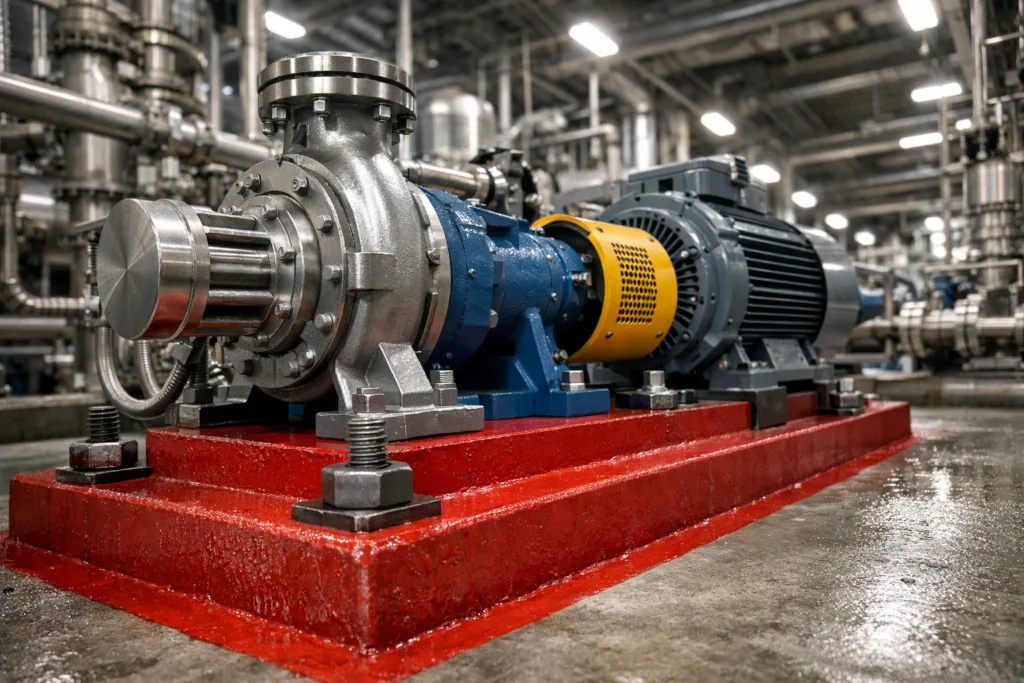
Vibration analysis plays a crucial role in the early detection of pump problems. By monitoring vibration patterns, engineers can identify issues before they escalate into major failures. Early intervention improves reliability, extends equipment life, and minimizes unscheduled shutdowns, which can cost refineries millions.
Common Causes of Vibration in Refinery Feed Pumps
Understanding the root causes behind vibration is the foundation for smart maintenance. The most frequent sources include:
- Misalignment (shaft or baseplate)
- Imbalance (rotor, impeller)
- Mechanical looseness (bolts, fasteners, foundations)
- Hydraulic problems (cavitation, air entrainment)
- Foundation issues (cracks, settling, poor grouting)
- Bearing damage (wear, lubrication failures)
Misalignment: The Hidden Source of Vibration
Even small misalignments between pumps and motors can cause significant vibration. Proper alignment requires precision equipment and skilled technicians. Laser alignment tools are often used to ensure shafts are set within tight tolerances.
Imbalance: When Rotational Forces Get Out of Control
Feed pumps rely on balanced rotating elements. An unbalanced impeller or rotor throws off centrifugal forces, producing vibration that strains bearings and seals. Precision balancing minimizes these destructive forces and supports smooth operation.
Foundation and Grouting Problems: Stability Starts Beneath the Pump
One often-overlooked aspect of vibration is the foundation and grouting beneath the pump. Voids, cracks, or improper grout selection can lead to uneven loading and excessive vibration. Using the right heavy machinery epoxy grout can help create a stable, vibration-resistant baseplate for refinery feed pumps.
Hydraulic and Mechanical Reasons: When Fluid Dynamics and Hardware Clash
Pumps operating outside their designed flow range may experience cavitation or air entrainment, causing erratic vibration. Mechanical looseness, such as worn bolts or degraded fasteners, introduces play that amplifies these issues.
Diagnosing Vibration: Tools and Techniques
Modern refineries use a mix of manual and digital techniques for vibration diagnosis. These include:
- Accelerometers and vibration meters
- FFT (Fast Fourier Transform) spectrum analysis
- Ultrasound and thermal imaging
- Visual inspection for loose or failed anchors
Integrated vibration monitoring systems also provide continuous data that enable predictive maintenance and trend analysis.
Case Study: Resolving Vibration in a Refinery Feed Pump
Let’s examine a real-world scenario where vibration threatened performance. In a large refinery, routine checks revealed rising vibration in a critical feed pump. Early signs included increased noise, erratic readings on gauges, and visible movement in the baseplate.
Engineers deployed vibration meters and found dominant frequencies pointing to imbalance and misalignment. Upon inspection, several anchors were loose, and the grout beneath the pump had cracked due to years of thermal cycling and heavy loading.
Action steps included:
- Re-aligning the pump and motor using laser tools
- Precision balancing the impeller
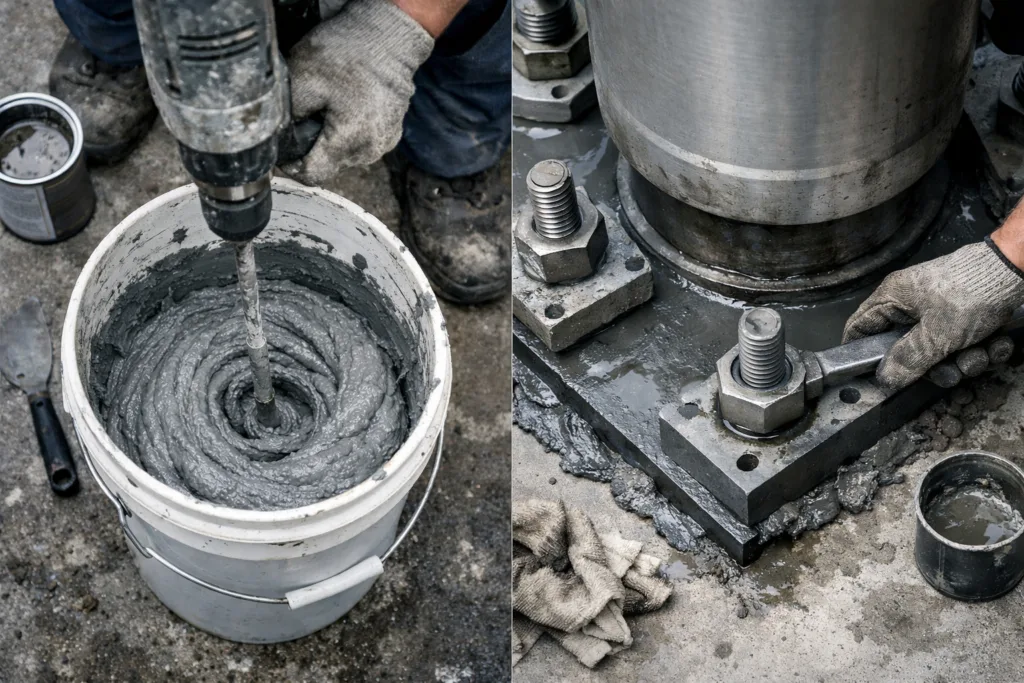
- Removing damaged grout and installing ZDS-1410AB high compressive epoxy grout for a durable baseplate solution
- Tightening all mechanical anchors and supports
After completion, vibration levels dropped by over 70%, noise fell, and operational efficiency improved measurably. Most importantly, pump reliability stabilized, and the risk of unplanned shutdown disappeared.
How Proper Epoxy Grouting Prevents Vibration Failures
Epoxy grout like ZDS-1410AB specifically addresses foundation issues by offering high compressive strength, exceptional chemical resistance, and minimal shrinkage. When applied with careful surface prep and curing controls, it closes gaps, fills voids, and locks pumps firmly in place—minimizing the risk of vibration transmission from underlying weaknesses.

Best Practices for Refinery Feed Pump Vibration Control
- Use vibration meters regularly to monitor equipment
- Ensure shaft and baseplate alignment (laser measurement preferred)
- Balance rotating elements after impeller replacement or overhaul
- Check anchor bolt tightness and foundation stability
- Utilize Epoxy Grout Volume Calculator Project Quote to decide proper batch amounts for void-free installations
- Choose high-performance epoxy grouts for baseplate repairs
Routine preventative maintenance and timely intervention yield lasting results, improved uptime, and safer operation.
Alignment, Balancing, and Grouting: The Integrated Approach
Successful vibration management is never one-dimensional. Most refinery teams leverage a coordinated approach combining alignment, balancing, and strategic grouting work. This ensures that every critical component—from shaft connections to baseplates—is optimized for minimal vibration and maximum performance.
The Importance of Equipment Reliability and Operational Safety
Reducing vibration isn’t just about prolonging pump life. It’s also a vital safety measure. Unstable pumps may throw off mechanical components, leak hazardous fluids, or cause cascading failures across connected systems. Reliable, vibration-free operation keeps teams, assets, and processes safe.
Choosing the Right Grout: Compressive Strength, Flowability, and Heat Resistance
Epoxy grouts vary widely in compressive strength, viscosity, and cure times. Choosing the right product involves evaluating site-specific thermal cycling, chemical exposure, and mechanical loading. In extreme environments—such as those facing heavy feed pumps—ZDSpoxy recommends batch consistency checks, mix ratio discipline, and real-world QC field tests to ensure the grout’s performance aligns with operational demands. Slight deviations in mixing or underestimating area requirements can result in voids, premature cracks, or heat buildup during curing (exothermic reaction), each of which might reintroduce vibration issues.
Practical Site Observations: Preventing Grouting Mistakes
Experienced crews note that ideal surface preparation, proper primer use, and batch size control are essential. Air release techniques (such as spiked rollers for self-leveling resin) and formwork sealing help minimize voids in mass pours. Failure to account for substrate moisture or contamination (oil, dust) is a top cause of poor bond line thickness and missed performance targets.
Long-Term Maintenance: Sustaining Pump Performance and Minimizing Vibration
Long-term success relies on vigilant maintenance practices:
- Regular vibration monitoring and trend analysis
- Periodic foundation inspections
- Scheduled impeller balancing and shaft alignment checks
- Prompt repair of damaged grout, anchors, and fasteners
- Continuous improvement of predictive maintenance strategies
These practices prolong pump life, reduce energy waste, and ensure operational continuity in demanding refinery environments.
Safety, Compliance, and Best Practices
Safety is paramount. Teams must wear suitable PPE, manage ventilation when handling epoxy products, and track shelf life for stored resins. Refineries require compliance with VOC standards and environmental management, especially when repairing or replacing foundation grouting.
Conclusion: Vibration Analysis, Pump Performance as Drivers of Reliability
Solving vibration issues in refinery feed pumps is a combination of engineering insight, practical groundwork, and routine monitoring. Vibration analysis, pump performance diagnostics, and integrated preventative strategies deliver stable operation, cost savings, and enhanced safety. By prioritizing alignment, balancing, and advanced grouting, refineries can maximize efficiency and expect their critical equipment to serve reliably for years to come.
Frequently Asked Questions
What are common signs of vibration in refinery feed pumps?
Typical indicators include increased noise, fluctuating vibration readings, and visible movement or instability of the pump baseplate. These signals should prompt immediate inspection and maintenance.
How does vibration affect overall pump performance?
Vibration leads to accelerated wear, reduced efficiency, more frequent maintenance, and higher risk of sudden failure. It impacts not only the pump but associated piping and foundation structures.
Why is epoxy grout recommended for refinery pump baseplates?
Epoxy grout offers high strength, chemical resistance, and minimal shrinkage. These properties help to stabilize baseplates, minimize vibration, and prevent premature failures under demanding loads and temperatures.
What is the role of balancing and alignment in vibration reduction?
Proper balancing and alignment eliminate unnecessary centrifugal forces and misalignment stresses. These actions significantly reduce vibration, enhance equipment uptime, and improve safety.
Which tools are most effective for diagnosing pump vibration?
Accelerometers, vibration meters, laser alignment devices, and FFT spectrum analyzers are essential for accurately identifying vibration sources and guiding repairs.
How often should vibration monitoring be performed in refineries?
Routine monitoring is recommended at least monthly, with additional checks after major overhauls or repairs. Continuous monitoring systems offer the best protective value for critical assets.