
Understanding UV Resistant Marine Epoxy
UV resistant marine epoxy is a specialty formulation targeting one of epoxy’s most persistent challenges: yellowing and degradation under sunlight. This has major practical implications for boat repairs, outdoor wood restoration, and all marine applications where aesthetics and long-term durability matter. Achieving true “low yellowing” demands understanding both the chemistry of epoxy systems and the realities of sunlight exposure at sea.
What Causes Epoxy to Yellow?
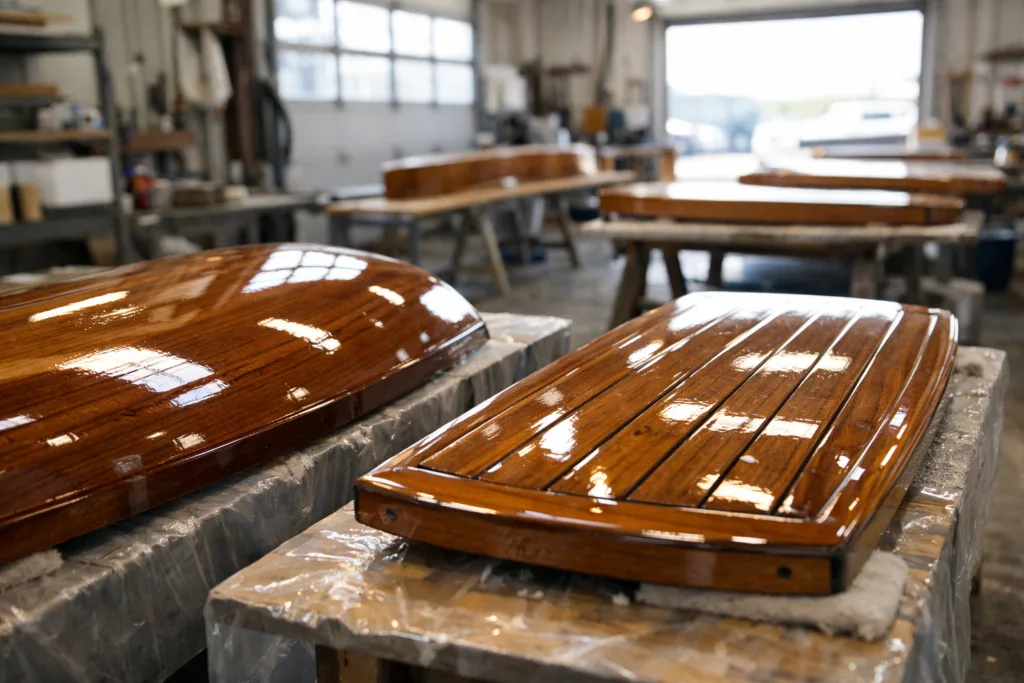
Epoxy’s molecular structure naturally reacts to ultraviolet (UV) light. When epoxy is exposed to sunlight, UV rays break chemical bonds in the cured resin, creating free radicals. These trigger oxidation and chain reactions that darken and yellow the originally clear finish. Heat, oxygen, and humidity accelerate this process. Even the clearest hardeners cannot fully “block” these effects—making it essential to select the right type and layer protective coatings.
What Does “Low Yellowing” Mean in Epoxy Resins?
The term “low yellowing” in the context of marine epoxies refers to formulations that slow, but do not halt, discoloration over time. Ingredients like UV stabilizers and optical brighteners are added, providing temporary resistance to yellowing. However, no pure, uncoated epoxy is ever truly UV-proof. Typically, you might expect months up to 1-2 years of enhanced clarity in outdoor sunlight, depending on the severity of exposure, colorants, and layer thickness. This is why layering with compatible topcoats is the gold standard in marine work.
UV Stability in Marine Applications
Marine environments are among the harshest for any polymer. The combination of constant sunlight, salt spray, moisture, and temperature variation tests the limits of any “UV resistant marine epoxy.” For example, exposed deck repairs or clear-glazed woodwork are prime candidates for rapid yellowing without a topcoat. That’s why ZDSpoxy engineers emphasize practical strategies: never rely solely on bare epoxy for UV exposure—combine system selection with topcoat planning from the start.
Clear Epoxy Marine Finishes: The Goal and the Limits
Crystal-clear marine finishes show off wood grain, decorative fillers, and vibrant pigments. Achieving and maintaining this “just poured” clarity is a constant battle against UV-induced yellowing. While some advanced curing agents offer impressive initial water-white appearance, field data and lab testing (like accelerated QUV weathering) demonstrate gradual color change is unavoidable above the waterline. Maintenance cycles and recoating intervals are essential for sustained aesthetics.
Polyurethane and Polyaspartic Topcoats: The Best Shield
Professional applicators and manufacturers, such as ZDSpoxy, often specify aliphatic polyurethane or polyaspartic topcoats over marine epoxy. These coatings contain higher concentrations of UV absorbers and blockers, providing a sacrificial, renewable barrier. While “low yellowing epoxy” slows color change, these topcoats do the heavy lifting—extending service life by 3-5x or more. Topcoats can be gloss, matte, clear, or pigmented, tailored for foot traffic, chemical exposure, and ease of maintenance. Learn more about the role of primer and topcoat combinations in our UV Resistant Waterproof Coating guide.
How Polyaspartic Differs from Conventional Polyurethane
Polyaspartic coatings are an evolution of polyurethanes. They cure faster and offer higher film build in one pass, but—critically for marine and exterior projects—they surpass most traditional systems in UV resistance. Their ability to grip cured epoxies with minimal sanding (given proper cure window) reduces labor and maintains bond quality. However, real-world deployment demands careful batch mixing, humidity management, and regular film thickness checks to avoid “orange peel” or tiger striping.
Marine Epoxy vs Regular Epoxy for Sunlight Exposure
Not all epoxies are suitable for marine or UV-prone conditions. Marine formulations are typically engineered for higher crosslink density, lower amine blush, and less color drift. They may feature additives for salt resistance, improved flexibility, and enhanced wetting of wood or composites. This is distinct from general-purpose shop and flooring epoxies, which are rarely intended for direct sunlight exposure. For a detailed explanation of performance gaps, visit our resource on Marine Epoxy vs Regular Epoxy.
Common Misconceptions About UV Resistance
Boaters and fabricators often hope for a “never-yellows” clear epoxy—that simply doesn’t exist. Marketing sometimes overstates the term “UV resistant,” but in the field, results depend on the interplay of exposure time, sunlight intensity, and the actual topcoat system. Remember: even “UV stable” means resistance, not immunity. All clear resins will show some yellowing or loss of gloss over months and years if left uncoated above the waterline.
Testing and Measuring Yellowing in Marine Epoxies
There are established methods to quantify yellowing. The most common is the b* value from the CIELAB color space, which numerically captures the shift from transparent to yellow after specified hours of UV exposure testing (often QUV-B or QUV-A lamps). Professional resin manufacturers, like ZDSpoxy, track both initial clarity and accelerated aging metrics when qualifying a formula for “low yellowing” applications. Consistency in lab batches and mock-up panels is essential before scaling up to full projects.
How Solvent Use Affects Yellowing in Epoxies
Solvent-free marine epoxies typically resist yellowing better than solvent-based formulations, which can trap residual solvents or create incomplete crosslinking, accelerating discoloration. However, solvent-based primers can help wet out porous substrates before applying thicker, UV resistant marine epoxies—provided solvents are fully flashed off before overcoating. For challenging repairs, reference systems like ZDS-2060AB for their balance of low odor, deep penetration, and compatibility with clear or pigmented topcoats.
The Role of Fillers, Pigments, and Additives
Opaque fillers and light color pigments such as white or gray can help mask yellowing, as they reflect much of the visible spectrum rather than allowing UV to penetrate deeply. However, the more transparent a system is, the more obvious even slight color drift becomes. Additives like hindered amine light stabilizers (HALS) and optical brighteners significantly slow yellowing, but must be expertly balanced to avoid affecting working time, viscosity, or final film properties.
Surface Preparation for Maximal Topcoat Performance
Proper surface preparation maximizes both the adhesion and durability of your UV-resistant coating system. This means removing all dust, oil, amine blush (if present), and sanding to the required grit for topcoat bond. Skipping these steps risks delamination or uneven gloss. For guidance on preparation and troubleshooting bond failures, refer to our detailed Epoxy Primer Selection Guide.
Best Practices for Mixing and Application
Consistent film properties require proper mixing and meticulous attention to mix ratios. With marine epoxies, always mix according to manufacturer’s recommendations, not “by eye,” as off-ratio blends almost always yellow or cloud prematurely. Batch size must match pot life and working time, especially in warm, humid conditions. Air release and surface pinholing problems, common when coating vertical or complex geometries, can also contribute to long-term defects and patchy yellowing.
How Cure Temperature Impacts Yellowing
High cure temperatures accelerate both the crosslinking reaction and post-cure yellowing. Field projects done in direct sunlight, or with inadequate shade during cure, often see more rapid discoloration. Conversely, slow cures (at cool, stable temperatures with low UV) help maintain clarity for longer. Plan your layups and recoats for cool times of day or use temporary shading for high-visibility areas.
Sunlight Exposure: Dose, Duration, and Direction
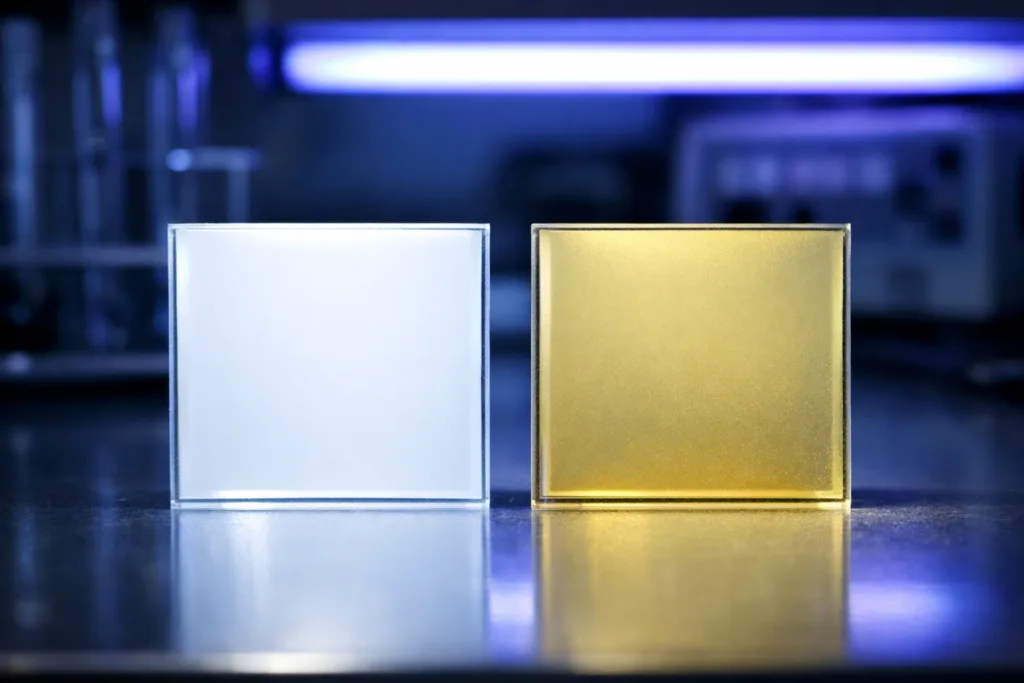
The total amount of sunlight—its dose and duration—is the dominant factor in yellowing. Surfaces facing up, like decks or handrails, will brown and yellow many times faster than vertical or shaded faces. Even the best low-yellowing epoxy should be topcoated within days if left in strong, direct sun. Regular inspections and routine cleaning also help spot yellowing early, supporting timely maintenance cycles.
Topcoat Compatibility: Avoiding Problems at the Interface
Not all topcoats are compatible with every marine epoxy. Polyurethane and polyaspartic systems need a well-cured, lightly abraded surface to anchor properly. Application within the recommended “recoat window” maximizes chemical bonding, while overcures may require mechanical abrasion. ZDSpoxy recommends test patches in climate extremes and paying close attention to ambient humidity and dew risk before full-scale application.
Field Repair and Maintenance of Clear Marine Epoxy Layers
Even the best-protected surface will eventually show wear, abrasion, or patchy yellowing. Spot repairs are possible with compatible marine epoxies, but color blending and clarity matching are trickier as time passes. Always clean and sand out compromised areas, feather edges, and re-apply topcoat to extend system life. Regularly scheduled maintenance avoids costly full-strip failures down the line.
Case Example: Deck Varnish Over Epoxy, A Realistic Timeline
A typical scenario is marine plywood sheathed in UV resistant marine epoxy and overcoated with a premium aliphatic polyurethane gloss varnish. After two years of Mediterranean sun, light surface yellowing may appear. Sanding and recoating renews performance and gloss almost entirely. Meanwhile, leaving bare epoxy uncoated under the same conditions would result in significant yellowing and potential chalking or embrittlement within that same time frame.
How ZDSpoxy Approaches UV-Exposed Epoxy Projects
From an engineering point of view, ZDSpoxy field teams use records of batch consistency (gel time, viscosity, and color tests) to catch potential formulation drifts before site delivery. They favor solvent-free epoxies for large surface areas due to their minimal VOC and odor profile—key for working in boatyards, marinas, and closed cabins. When applying over old repairs or mixed substrates, we recommend small-scale adhesion and color stability tests with the actual topcoat planned for service conditions.
Comparing UV-Resistant Epoxies: What to Look For
When evaluating different products, request the technical data sheet (TDS) for parameters such as initial clarity, Gardner color, yellowing index (after hours of QUV exposure), VOC content, and service temperature. Favor suppliers with credible test results and who describe the limitations of their products honestly—in low yellowing epoxy, modesty signals real-world experience. Ask about which topcoats have been successfully tested in combination with the system.
Cost-Benefit Analysis of Topcoat Systems
While using a double-layer system (epoxy + polyurethane/polyaspartic) increases material and labor cost, it significantly extends life, clarity, and the maintenance interval versus uncoated epoxies. For high-traffic or visually critical installations (show decks, teak overlays, display joinery), the extra investment nearly always pays off. For hidden substrates (underlayment, repairs only), color change may not matter as much—calibrate the approach to the criticality of exposure and use case.
Simple Maintenance Principles for Long-Lasting Clear Epoxy Marine Coatings
- Routinely wash with mild detergent to remove surface salts
- Inspect at least seasonally for patchy yellowing or gloss loss
- Sand and recoat topcoat layers before complete breakdown
- Never use harsh abrasives that cut through both topcoat and epoxy
- Store touch-up kits (small amounts of resin, hardener, topcoat) for quick field fixes
Pillar Products and System Selection for Maximum UV Stability
If your project demands both credible UV stability and broad chemical protection, consider urethane and polyaspartic finishing systems alongside low yellowing marine epoxies. Explore ZDSpoxy’s Marine Epoxy Resin Manufacturer pillar resource for advanced case studies, data charts, and compatible high-performance topcoats. The right solution balances substrate, traffic, environment, and desired appearance.
Conclusion: Setting Realistic Expectations for UV Resistant Marine Epoxy
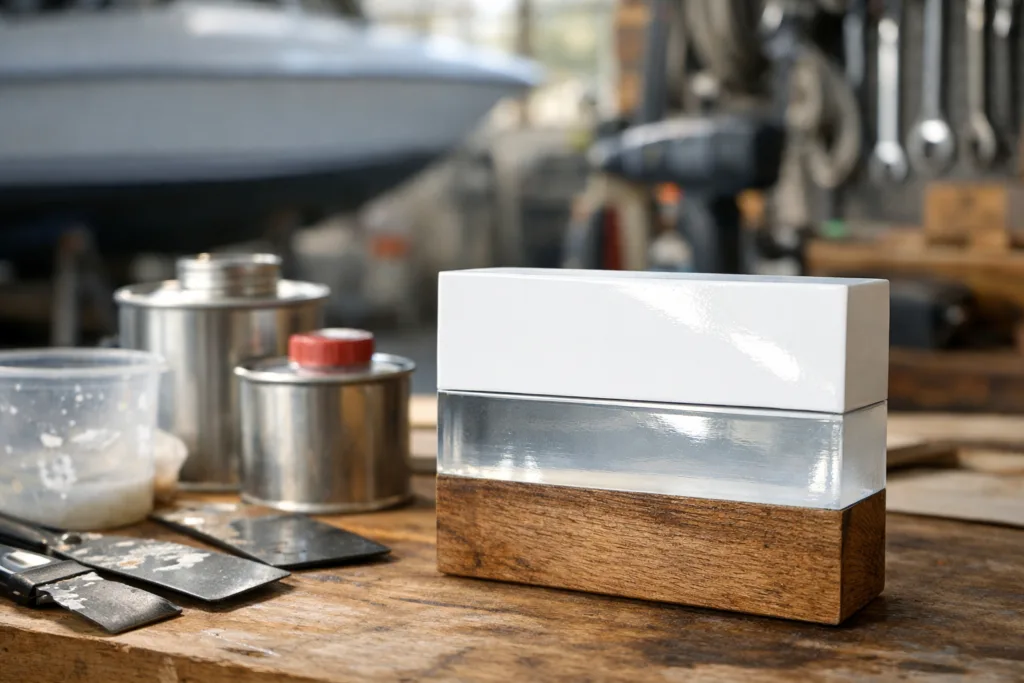
Low yellowing and UV resistance in marine epoxy have come a long way, but full immunity to the effects of sunlight doesn’t exist—yet. By understanding why yellowing occurs, using modern hybrid topcoat systems, and sticking to a disciplined maintenance plan, owners and professionals can achieve years of beautiful, high-performance results. Layering polyurethane or polyaspartic topcoats over quality, low yellowing epoxy is the only proven path to true longevity on sun-exposed marine surfaces.
Frequently Asked Questions
How long does UV resistant marine epoxy stay clear in sunlight?
Most advanced “low yellowing” epoxies remain visually clear for several months to 1–2 years under direct sunlight if topcoated promptly. Unprotected, all epoxies will eventually yellow.
What kind of topcoat gives the best UV protection for marine epoxy?
Aliphatic polyurethane or polyaspartic topcoats offer the best long-term UV shielding, gloss retention, and renewability for epoxy-coated marine surfaces.
Is it possible to make epoxy totally UV-proof?
No, epoxy resins can’t be made completely UV-proof. Even with stabilizers and additives, minimal yellowing or gloss reduction is expected under direct sunlight.
Why does clear marine epoxy sometimes yellow unevenly?
Yellowing often appears patchy due to surface contaminants, differing exposure angles, or variable film thickness, which can accelerate local degradation under UV.
How do I fix yellowed or cloudy epoxy on a boat?
Clean and sand the area, then apply a compatible new layer of low yellowing epoxy, followed by a recommended UV-resistant topcoat for best results.
Are pigments or fillers effective against epoxy yellowing?
Light-colored fillers and pigments reflect UV, helping mask yellowing and improve appearance, but alone they can’t fully prevent UV-related resin degradation.
Related Reading
- 15 Smart Tips for Achieving UV-Stable Epoxy Floors
- The Boat Owner’s Guide: Selecting Marine Epoxy for Repairs and Builds
- How to Pick the Most Durable Marine Epoxy Resin for Repairs
- Why Slow Cure Epoxy Beats Fast Cure for Large-Scale Marine Projects
- Step-by-Step Guide: Marine Epoxy for Aluminum & Stainless Surfaces