
Understanding Grouting and Pump Seal Life: Why It Matters
In the industrial world, the silent partnership between grouting and pump seal life often goes unnoticed—until it fails. Grouting isn’t just about filling spaces; it’s a precision process that supports machinery, especially pumps. Poor grouting can lead to rapid pump seal deterioration, unexpected failures, and spiraling maintenance costs that eat away at profit margins. In fact, grouting has a measurable impact on seal longevity, reliability, and whole-of-life costs. Let’s delve into this hidden cost, explore the mechanics behind it, and reveal how strategic grouting protects your investment and ensures your operations run without costly interruptions.
The Science of Grouting: A Foundation for Long Pump Seal Life
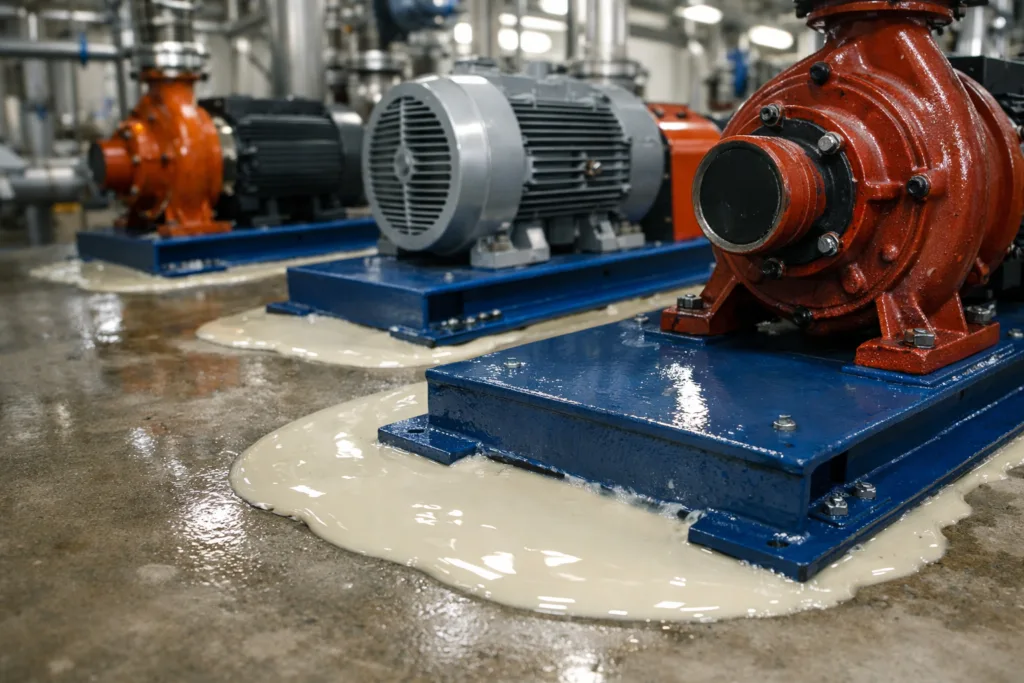
Proper grouting creates a supportive bed for pumps, dissipating operational vibration and load. This foundational layer ensures equipment alignment, absorbs dynamic forces, and prevents micro-movements—key factors that directly influence pump seal life. Epoxy and specialized grout materials, when chosen wisely, act as tough, non-shrinking buffers that guard against the minute foundation shifts that so often translate into rapid seal wear.
Critical Consequences: How Poor Grouting Shortens Pump Seal Life
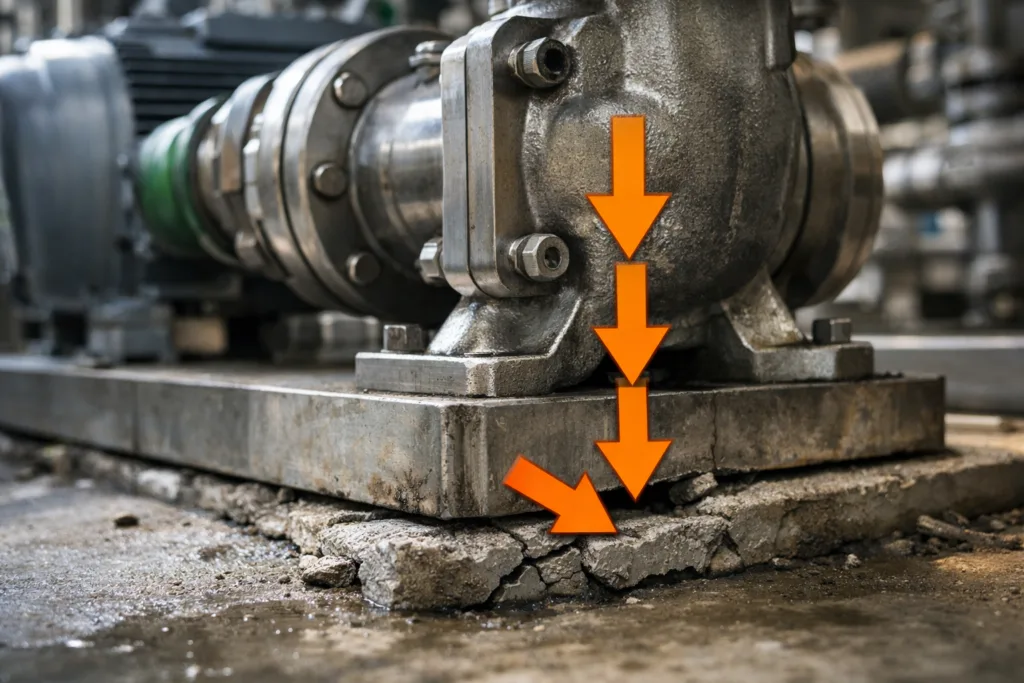
Poor grouting leads to voids, weak spots, and improper load transfer. These flaws set off a chain reaction: misalignment, vibration, shaft movement, and increased forces on the seal. Over time (sometimes shockingly quickly), seals succumb to wear, leakage, and catastrophic failures. Case studies from major facilities confirm costly shutdowns traced back to foundational errors during installation—not the pumps or seals themselves.
Grouting, Pump Seal Life: The Real Connection
Let’s examine how grouting is directly tied to seal performance. When vibration and misalignment are eliminated at the foundation level, shaft deflection decreases, seal faces are loaded evenly, and friction heat is minimized. This means pump seals last far longer, requiring fewer interventions and drastically reducing downtime. In some applications, simply switching to precision-placed epoxy grout has tripled seal life.
Common Grouting Failures That Accelerate Seal Deterioration
- Insufficient grout coverage under support plates
- Voids due to improper mixing or application technique
- Use of unsuitable materials (e.g., shrinkage or lack of chemical resistance)
- Poor surface preparation leading to debonding
- Thermal cycling stresses and freeze-thaw cracks
Avoiding these failures is possible with attention to application detail and the right product. For high compressive strength and reliable void filling, specialized formulas like ZDS-1410AB offer proven site performance, even in heavy machinery installations.
Case Study: Costly Pump Downtime from Inadequate Grouting
One refinery documented recurring pump failures with average downtime of 16 hours per event. Investigation found grout voids beneath the pump base, leading to excessive shaft deflection. After repairing the foundation with high-performance epoxy grout, seal life increased by 2.7x, and unplanned outages dropped to nearly zero over three years.
Material Selection: Epoxy, Cementitious, and Polyurethane Grouts
Material matters. Epoxy grout offers high chemical resistance, minimal shrinkage, and strong bond, essential for pumps exposed to process media. Polyurethane grouts provide flexibility but may lack the ultra-high compressive strength needed where vibration is extreme. Cementitious grouts remain widespread for general use, but can shrink and crack unless properly formulated. Whether you’re grouting heavy machinery foundations or pumps in corrosive locations, matching material to operating risk is critical for seal protection.
The Physics: How Grout Supports Pump Seals
The load path from pump to foundation is only as strong as its weakest link. Properly placed grout ensures even support under the baseplate, eliminating bending or “soft foot” effects that cause pump frame distortion. Any flexing at the connection transfers movement to seals, rapidly wearing primary and secondary sealing faces. A dense, void-free grout layer locks the installation, turning dynamic energy away from sensitive components.
Step-by-Step Grouting Best Practices for Maximizing Pump Seal Life
- Pre-Installation: Clean all surfaces, ensure roughness to promote bonding (shotblasting preferred)
- Formwork: Seal tightly to contain fluid grout—prevent leaks and air inclusions
- Mixing: Use proper ratio and batch size, mixing thoroughly to avoid dry pockets
- Pouring: Place grout continuously from one side, allowing air to escape; avoid interrupting flow
- Curing: Respect working and cure times; don’t expose to vibration prematurely
Precision and patience at each stage results in a foundation that never lets you down. For calculations, use tools like the Epoxy Grout Volume Calculator Project Quote to avoid material shortages or waste.
Ensuring Reliability: Case Examples in the Field
Across the chemical and water treatment sectors, proper grouting transformed pump reliability. In a recent municipal water project, switching from cement-based to epoxy grout decreased annual seal replacement costs by 60%. In another, a process plant partner noted that careful grout placement and selection eliminated a persistent vibration issue that had plagued one high-duty pump position for years.
Site Variables That Influence Pump Seal Life
Not all environments are equal. Substrate temperature, moisture, vibration, and chemical exposure can each accelerate or slow seal wear. For foundations exposed to aggressive media or wet curing conditions, choosing grouts specifically formulated for those realities is vital. ZDSpoxy research teams advise considering the interaction between grout chemistry, baseplate design, and operational load cycles when planning major capital installations.
Role of Alignment and Soft Foot Correction in Prolonging Seal Life
Alignment tools and soft foot correction techniques (sometimes using epoxy shims) are essential companions to quality grouting. Without a fully planar surface, even the best grouting will not save pump seals from uneven load and accelerated wear. Alignment surveys before and after grouting are part of a comprehensive seal life strategy.
Impact of Vibration and Resonance on Pump Sealing Components
Vibration is a major enemy of both grouting and seals. Resonant frequencies in machinery bases can amplify even minor foundation weaknesses into destructive forces at the seal. Proper grout selection and installation is the first line of defense against vibration-driven seal failures.
Shrinkage, Creep, and Their Effects on Foundation Integrity
Inferior grouts may shrink, crack, or suffer from long-term creep, all resulting in loss of baseplate support. Over time, this creates micro-movements that eat away at seals and increase the likelihood of leaks. High-performance epoxy grouts maintain integrity under both load and temperature extremes, protecting seals far longer than basic blends.
Thermal Cycling: Hidden Stress on Seals from Improper Grouting
Repeated heating and cooling cycles cause expansion and contraction in all materials. Improper grouting leads to gaps where hot spots cool disproportionately, increasing uneven stresses. Eventually, these thermal cycles accelerate wear or even crack pump seals, particularly in hot service or outdoor installations.
Comparing Traditional vs. Modern Grouting: Effects on ROI
| Type | Material Cost | Seal Life | Downtime Risk |
|---|---|---|---|
| Traditional (Cementitious) | $$ | Short/Moderate | High |
| Modern (Epoxy/Polyurethane) | $$$ | Long/Extended | Low |
While the upfront cost of precision grouting appears higher, the extended seal life and lower unplanned outages deliver superior ROI almost every time.
Early Warning Signs of Grout Failure Affecting Pump Seals
- Unexpected vibration or noise during operation
- Frequent shaft realignment needs
- Seal cooling liquid temperature spikes
- Visual grout cracking or edge spalling
Regular inspections and early repairs pay off by preventing escalation to catastrophic seal failures. For corrective actions, epoxy concrete repair systems can extend foundation life and maintain sealed environments for years to come.
Best Practices for Monitoring and Maintenance
- Use periodic alignment checks (laser or dial indicator methods)
- Inspect grout visually for cracking or oil staining at each shutdown
- Listen for new or worsening vibration signatures
- Plan proactive seal and grout replacement as a unit task
Cost Analysis: Poor Grouting vs. Strategic Foundation Investment
Comparing three-year maintenance costs from heavy industry sites shows poor grouting nearly quadruples unplanned seal replacement expenses. Investment in specialty grout typically pays for itself within a single maintenance cycle—even before considering reduced downtime costs and increased equipment availability.
Making the Business Case: Life Cycle Cost Perspective
When capital and operational costs are viewed across the full pump life cycle, strategic grouting is not an expense, but a safeguard triggering long-term value. Lower maintenance cost, fewer seal failures, and improved asset utilization form the business case for putting grouting in the spotlight.
ZDSpoxy’s Perspective: Application Reality and Field Testing
Based on practical experience across multiple ZDSpoxy field installations, three variables govern seal longevity: correct surface prep (free from oil/contaminants), batch mixing discipline (no shortcuts on ratio or dwell time), and respecting pot life during application. Field testing confirms: cutting corners in grouting always results in earlier seal failures, regardless of pump design or duty cycle.
Recommended Steps for Engineers Managing Pump Installations
- Prioritize engineered grouts compatible with pump operating environment
- Develop inspection routines targeting both seal and foundation health
- Integrate grouting QA records with overall asset management systems
- Never compromise due to schedule pressure—foundation errors persist for years
Future Directions: Smart Monitoring and Predictive Maintenance for Grouted Pumps
Sensor-driven vibration and temperature tracking, when paired with historical maintenance data, is reshaping the maintenance landscape. Grouting is now recognized as a predictive failure point—and proper initial documentation plus ongoing monitoring can push seal replacement intervals to new highs, reducing lifecycle costs dramatically.
Conclusion: Grouting, Pump Seal Life, and Business Resilience

Poor grouting turns minor installation mistakes into major recurring expenses. Investing in proper foundation preparation and modern grouting materials is one of the highest-leverage actions for boosting pump seal longevity and maximizing ROI. Practical, field-tested steps—detailed in this guide—arm your team against costly surprises and set the foundation (literally) for continued operational success.
Frequently Asked Questions
What are the main signs of grout failure affecting pump seal life?
Common signs include increased vibration, more frequent shaft misalignment adjustments, elevated temperature at seal areas, and visible cracking or displacement of foundation grout.
How does grouting help reduce maintenance costs for pumps?
Effective grouting minimizes movement, vibration, and misalignment, directly reducing wear and tear on pump seals, which leads to extended service intervals and lower replacement costs.
Why is epoxy grout preferred in critical pump installations?
Epoxy grout offers superior compressive strength, chemical resistance, and minimal shrinkage, ensuring stable, long-term support that protects pump seals in harsh environments.
Can poor grouting really void pump warranties?
Yes, manufacturers may deny warranty claims if improper foundational support through poor grouting leads to misalignment-induced failures in pump seals or other components.
How often should grout be inspected in pump foundations?
Visual inspections should be carried out at every shutdown or maintenance interval, with in-depth evaluations done annually or whenever vibration or seal problems are detected.
Which tools or resources help calculate the right grout volume?
Tools like the Epoxy Grout Volume Calculator Project Quote guide users to accurately estimate material needs, preventing shortages or excess and ensuring complete foundation support.
Related Reading
- 9 Expert-Approved Pump Grouting Solutions to Eliminate Foundation Failures
- Metal Fabrication Success: Why Grout Hole Design Makes All the Difference
- How to Boost Pump Reliability: Advanced Vibration Analysis Explained
- Vertical Inline vs Horizontal Split Case Grouting—What Every Engineer Should Know
- Solving Soft Foot: The Pro’s Guide to Epoxy Shims and Trouble-Free Alignment