
Understanding Matte vs Gloss Coating: Essential Insights for Surface Renovation
When planning a renovation or upgrade, the decision between matte vs gloss coating, especially for high-traffic or wet areas, significantly impacts functionality, maintenance, and aesthetics. Homeowners, facility managers, and construction professionals frequently debate which finish delivers practical results for kitchens, bathrooms, hallways, and commercial floors. This comprehensive guide deciphers how surface sheen influences stain resistance, cleanability, and the visibility of imperfections, supporting smarter choices for every space.
What Is a Matte Finish? Characteristics and Advantages
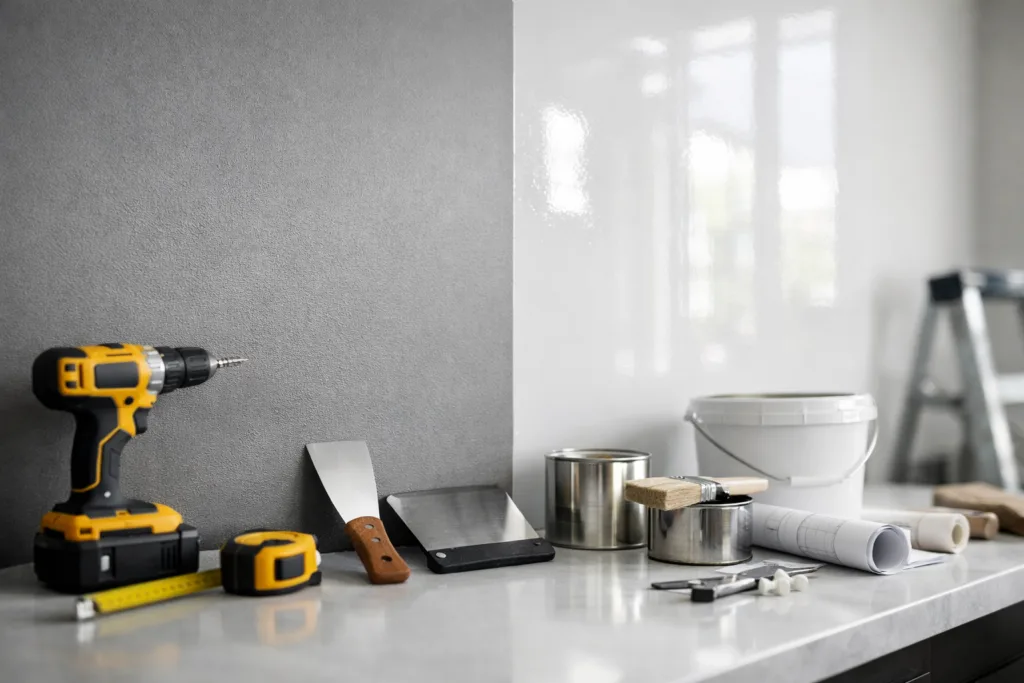
Matte finishes are popular for their low-sheen appearance and refined, contemporary feel. Unlike glossy coatings, matte surfaces absorb light, limiting reflection and resulting in a soft, understated look. This finish is achieved through specialty resins, fillers, or matting agents blended into coatings designed for durability and even wear.
Gloss Finish Defined: Shine, Depth, and High Reflectivity
Gloss coatings are known for their sharp, mirror-like reflection. By maximizing light bounce on the surface, gloss finishes bring visual depth, vibrancy, and enhanced color perception to floors and walls. Modern gloss formulas for renovations use polyaspartic or polyurethane resins for superior chemical and abrasion resistance.
Matte vs Gloss Coating: Visual Impact and Light Interaction
The primary difference between matte and gloss coatings is how they interact with light. Matte finishes mute reflections, helping spaces appear cozy and even-color. In contrast, gloss finishes make spaces feel larger and brighter but also highlight any surface flaws or unevenness.
Matte Clear Waterproof Coating: When Subtlety Meets Protection
Thanks to advanced resin technology, matte clear waterproof coating solutions protect substrates from moisture without the often undesired shine of gloss. Ideal where aesthetic restraint is valued, these coatings are increasingly specified for spaces needing both style and robust waterproofing.
Stain Resistance and Cleanability: Does Sheen Level Matter?
Sheen is more than visual preference. Gloss coatings generally repel spills, graffiti, and dust, making them easier to wipe clean. However, extremely glossy finishes may show fingerprints, water spots, or streaks more readily. Matte coatings, on the other hand, can conceal dust and smudges but sometimes hold onto stains, so proprietary stain-blocking additives are crucial in high-performance matte waterproofing systems.
The Relationship Between Sheen and Hiding Power
Matte finishes are excellent at camouflaging small scratches, flaws, or patch repairs thanks to their diffuse, non-reflective appearance. For older or uneven surfaces, matte or satin coatings can dramatically reduce the visibility of substrate defects, minimizing the need for extensive prep work.
Gloss Coatings: Best for Easy Wipe-Down in Busy Areas
High gloss is often the go-to for spaces that demand swift, frequent cleaning. Hallways, lobbies, and commercial kitchens benefit from the slick, resilient surface that stands up to mopping, chemical disinfectants, and abrasive scrubbers without loss of sheen.
Scenario Analysis: Where Matte Excels and Gloss Shines
Matte: Hides defects, suits relaxing, aesthetic spaces
Gloss: Highlights vibrancy, supports easy cleaning in functional areas
Below, we break down recommendations for kitchens, bathrooms, corridors, and commercial floors—helping you match sheen to site requirements.
Kitchen Surfaces: Grease, Splash, and Traffic
Kitchens face grease, oil, and food stains. A gloss or semi-gloss coating is often preferred for walls and floors because splatters can be swiftly wiped away without risk of dulling the surface. For open-plan kitchens flowing into leisure spaces, a kitchen bathroom tile waterproofing system balancing gloss on functional walls with matte zones for sitting areas offers the best of both worlds.
Bathroom Recommendations: Humidity, Mold, and Splash Proofing
Bathrooms demand resistant coatings to prevent moisture infiltration and bacterial growth. Glossy or satin waterproof coatings simplify cleaning soap residues and water marks, especially in showers and backsplashes. However, matte waterproof coatings are increasingly specified for bathroom walls above splash zones for a modern, spa-like feel and subtlety where wall wave or uneven plaster may exist.
Hallway and Corridor Solutions: Hiding Wear and Traffic Traces
Corridors and entrances see continuous foot traffic, which over time can lead to abrasive scuffs and visible dirt trails. Matte or low-gloss finishes are strategic for these zones; their forgiving surface helps mask daily wear, shoe prints, and unevenness. For long-term endurance, pairing a matte waterproof floor coating with proper substrate preparation is best practice. For more on resilient corridor solutions, explore interior wall renovation strategies.
Commercial Flooring: Balancing Durability with Cleanability
Shops, showrooms, and industrial spaces need a balance between appearance and maintenance efficiency. Glossy, high-traffic floor coatings such as advanced polyurethane or polyaspartic finishes are popular due to their easy cleaning. Their ability to resist tire marks and chemical spills saves valuable time. However, matte options are gaining traction in style-centric retail settings, as they reduce glare and maintain neat appearance even as the floor accumulates minor imperfections.
How Matte Coatings Minimize Visual Flaws
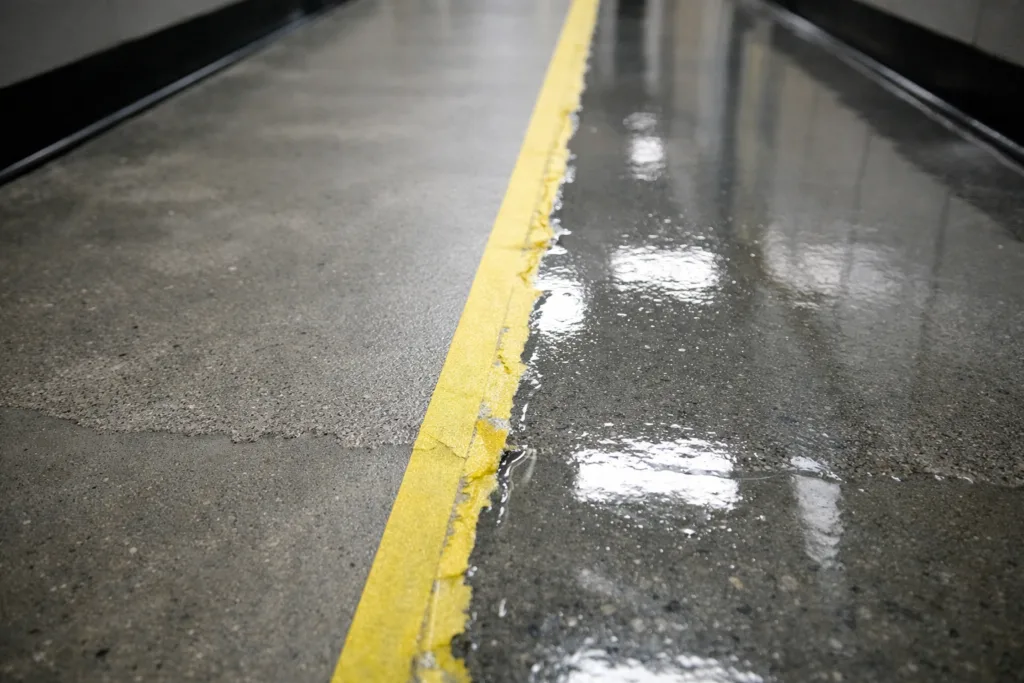
Matte coatings scatter light, making them ideal for aging concrete, patched floors, or plaster walls that can’t be brought to perfect smoothness. Choosing a matte finish for renovations reduces the need for intensive preparation and can help mask minor defects in cementitious substrates. This is especially useful in older buildings or for rapid retrofit projects.
Gloss Coatings: Reflecting Light, Highlighting Color
Shiny finishes aren’t just about brightness—they can make colors more saturated and surfaces appear ultra-clean. They’re excellent for highlighting architectural details or new build surfaces with minimal imperfections. Still, a caveat: in uneven installations, gloss accentuates undulations, trowel marks, or missed repairs.
Practical Table: Advantages of Matte vs Gloss in Key Spaces
| Application Area | Recommended Sheen | Rationale |
|---|---|---|
| Kitchen Walls & Floors | Gloss/Semi-Gloss | Easy grease/water clean-up |
| Bathroom Wet Zones | Gloss | Stain & water resistance |
| Bathroom Walls (Above Splash) | Matte/Satin | Conceals wall defects |
| Corridors/Hallways | Matte/Satin | Masks scuffs, wears evenly |
| Showroom Floors | Gloss | Enhances light, vibrant color |
| Retail/Leisure | Matte/Satin | Reduces glare, hides flaws |
Waterproofing and Renovation Systems: Matching Coating to Use Case
Effective waterproofing is non-negotiable for high-moisture environments like bathrooms and kitchens, regardless of sheen. Both matte and gloss waterproof coatings need to be properly formulated to resist water infiltration, mold, and mildew. For durable results, consider a certified floor renovation coating system; several are available with either finish profile. Consult floor renovation guidelines for optimal system matching.
Real-World Example: Using Matte to Hide Small Defects
An older commercial hallway with subsurface cracks benefited from matte polyaspartic waterproof topcoat application. The matte finish minimized the visibility of minor patch repairs, kept glare in check under fluorescent lighting, and maintained an attractive appearance between routine sweeps and cleanings.
Real-World Example: Gloss for Quick Clean-Up in Busy Kitchens
In an upscale restaurant kitchen, installers applied a high-gloss polyurethane floor coating. After curing, daily spills, oil splashes, and service foot traffic were handled with simple mopping, supporting strict hygiene standards without dulling the finish.
The ZDSpoxy Perspective: Site Constraints and Product Selection
Factory-applied and site-installed coatings from ZDSpoxy reveal that real-world constraints—such as residual moisture, imperfect subfloors, and local application skills—demand flexible sheen choices. Matte finishes absorb minor substrate irregularities, while gloss systems, with accurate mixing and batch control, amplify color consistency and surface smoothness. Choosing the right finish involves not only the traffic or cleaning needs but also honest, on-site assessment of existing conditions and workmanship.
Do Matte Coatings Require Different Maintenance?
Matte waterproof coatings, whether for bathroom floors or corridor walls, often require gentle, non-abrasive cleaning to avoid surface glazing or streak development. Special care should be taken with mop or sponge choice to avoid shiny patches developing over time—especially where non-gloss resin formulas are specified for aesthetics or defect-masking.
Choosing Between Matte and Gloss: A Workflow for Renovators
- Assess the substrate: Age, repairs, and expected wear patterns
- Identify use case: Cleaning frequency, exposure to stains/liquids
- Prioritize looks or function: Style preference vs. maintenance routine
- Trial a sample area to observe glare, defect highlighting, and cleaning response
Product Spotlight: Resins and Topcoats for Every Sheen
With growing demand for both matte and gloss waterproofing, modern resin systems offer flexibility. Polyaspartic, polyurethane, and advanced acrylics provide clear and pigmented options, available in both matte and high-gloss sheens to suit site requirements. Manufacturers like ZDSpoxy develop formulations with tuned viscosity, UV stability, and multi-sheen compatibility for renovation professionals.
Final Thoughts: Matching Finish to Real-World Needs
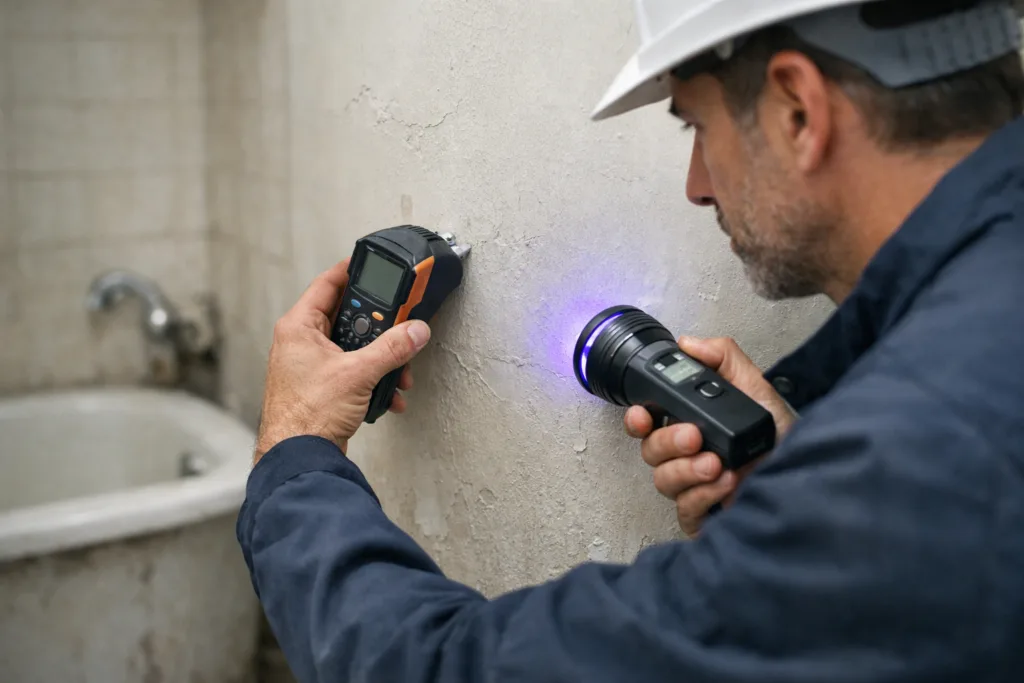
The best renovation outcome pairs matte or gloss coating to environment, expected wear, and realistic cleaning protocols. Gloss provides brilliant color and efficient wipe-down in kitchens and wet zones, while matte offers practical concealment of small flaws and time-worn substrates in corridors and above-basin areas. Combining both allows form and function to work in harmony—leaving surfaces beautiful and easy to maintain for years ahead.
Frequently Asked Questions
What is the main difference between matte and gloss waterproof coatings?
Matte coatings absorb light, hide small flaws, and work well in spaces where surface imperfections are a concern. Gloss coatings reflect light, create a shiny look, and are easier to clean, making them better for high-traffic or wet environments.
Where should I use matte finish coatings in my renovation?
Matte finishes are ideal for hallways, corridors, or areas with imperfect walls or floors. They help to conceal minor scratches, repairs, or uneven surfaces, and are often specified for style in modern bathrooms above splash zones.
Are gloss coatings always better for kitchens and bathrooms?
Gloss coatings generally provide better stain and water resistance, making them a strong choice for kitchen backsplashes, floors, and bathroom wet zones. However, matte waterproof formulas can be considered outside constant splash regions.
Does gloss finish show dirt or imperfections more than matte?
Yes, gloss highlights both surface dirt and underlying flaws due to its reflective nature, while matte coatings help camouflage scuffs, dust, and minor irregularities.
Can I combine matte and gloss coatings in one space?
Absolutely. Use gloss for high-use or wet-contact areas and matte for surrounding walls or corridors to balance easy maintenance with visually forgiving finishes.
What is a matte clear waterproof coating used for?
Matte clear waterproof coatings are typically used where a non-glossy, subtle appearance is desired, such as concealing repairs on walls or floors while providing robust moisture protection.
Related Reading
- How to Choose Between Clear and Colored Waterproof Coating for Surface Longevity
- A Step-by-Step Engineer’s Guide to Picking the Right Waterproofing System
- Balcony and Exterior Wall Waterproofing: Mastering UV Resistance
- 6 Waterproofing Failure Signs Every Facility Manager Should Know
- Understanding the 7 Key Factors That Impact Waterproofing Renovation Costs