
Introduction: Defining the Stakes in Wood Protection
Boat owners, woodworkers, and marine professionals are often faced with a critical decision—how best to protect wood exposed to sun, water, and extreme conditions. The debate commonly centers around two solutions: clear marine epoxy and marine varnish. If you are sealing a wooden hull, deck, or trim, your choice directly affects the surface’s lifespan, clarity, and ongoing maintenance. This guide demystifies both approaches, reveals their strengths and weaknesses, and offers practical advice for building a high-performance, low-maintenance marine wood system.
Understanding Clear Marine Epoxy: Structure, Function, and Real-World Limits
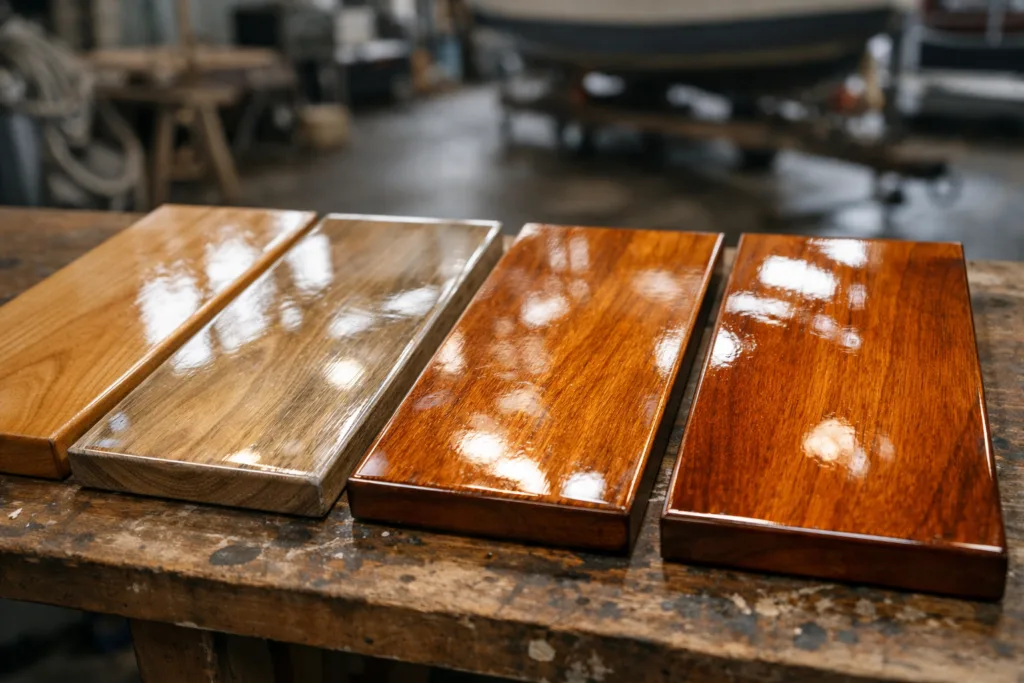
Clear marine epoxy is a two-part thermosetting resin system designed for robust wood sealing and structural bonding. When applied to timber, it soaks in and forms a hard, cross-linked polymer network, creating a powerful barrier against water and air. For most marine projects, its chief strengths include:
- Excellent water resistance—up to full immersion
- Hard, durable film—impact and abrasion tolerant when fully cured
- High adhesion—great for bonding with new coatings or fiberglass
Epoxy serves as an ideal primer for wood before adding a finishing coat, but by itself, it’s not resistant to extended sun exposure. Ultraviolet (UV) light can break down the epoxy matrix, leading to chalking, loss of clarity, and a yellowed appearance—issues that can be minimized but not eliminated without a UV-stable topcoat.
Marine Varnish Demystified: Characteristics, Strengths, and Weaknesses
Marine varnish is a clear, typically oil-based or spar polyurethane finish engineered specifically for outdoor wood. Its main advantages over standard household finishes include:
- Superior UV blockers—protects underlying epoxy or wood from yellowing and degradation
- Long-lasting gloss or satin sheen—resists chalking and hazing over time
- Flexible film—expands and contracts as the wood moves with temperature and humidity
Its main drawback? Varnish is less effective than epoxy as a bulk moisture barrier—making it best as a finish, not a sealer. Layering it over properly sealed wood combines the best properties of both materials.
How UV Exposure Affects Clear Marine Epoxy and Varnish
Without protection, clear marine epoxy will slowly lose clarity and structural integrity when exposed to sunlight. UV rays break down the chemical bonds within the cured resin, resulting in:
- Epoxy yellowing
- Surface chalking
- Brittleness and possible cracks
Marine varnish, by contrast, contains UV stabilizers and blockers. Applied as a topcoat, it acts as a sunscreen for the epoxy and the wood, absorbing harmful rays before they penetrate the protective layer.
Moisture Barriers: Why Starting with Epoxy Makes a Difference
One major benefit of using clear marine epoxy as your foundation is its moisture-blocking power. When fully cured and properly applied, epoxy forms a nearly impermeable shield across wood grain. According to experienced resin formulators at ZDSpoxy, maintaining correct mixing ratios and thin, even layers can greatly enhance both the depth of penetration and uniform sealing—critical in challenging, humid marine environments. This physical barrier stops water ingress, helps prevent rot, and reduces the risk of varnish peeling due to trapped moisture pressure below the coating.
Compatibility Do’s and Don’ts: Epoxy and Varnish in Harmony
Do:
- Use marine-grade epoxy resin for initial wood sealing—apply multiple thin coats for best results
- Allow the final epoxy coat to cure fully, then lightly sand to a matte, smooth finish
- Choose a marine varnish specifically labeled as “epoxy-compatible” to ensure adhesion
- Apply several thin varnish coats, following manufacturer instructions for recoating times and surface prep
- Regularly inspect and touch up varnish topcoats, especially in high-traffic or sun-exposed areas
Don’t:
- Use epoxy as the only finish in areas with direct sunlight (risk of yellowing and failure)
- Apply solvent-based varnish to a soft or under-cured epoxy (may not adhere, can cause gloss defects)
- Skip surface prep; a glossy, unsanded epoxy will repel most coatings
- Overload with thick layers of epoxy hoping for extra protection; can cause heat buildup and stress cracks
For detailed recommendations on product systems and compatibility, refer to this Marine Epoxy Resin Manufacturer resource.
Can You Apply Marine Varnish Over Epoxy?
Yes, but with important caveats. Only apply marine varnish over a fully cured and well-abraded epoxy surface. The most common cause of peeling or adhesion failure is insufficient sanding—varnish needs a fine, matte texture to bond. Use a 180-220 grit sandpaper between the final epoxy coat and the first layer of varnish. Always allow sufficient ventilation during curing to avoid trapped solvents.
Preventing Epoxy Yellowing: What Works, What Doesn’t
No matter the brand or formulation, direct UV exposure will eventually cause epoxy yellowing. Some modern epoxies tout “UV resistance,” but without a dedicated UV-blocking topcoat, the performance is limited. Always apply a marine-grade varnish, polyaspartic, or polyurethane over clear epoxy for any above-water application. Explore expert insights into UV-stable marine epoxy systems here for long-term clarity.
Typical Layer System: Epoxy and Varnish Combined
A proven wood protection stack:
- 2-4 coats of marine-grade clear epoxy (for deep-sealing wood and blocking moisture)
- Feather-sanded, dust-free surface prep
- 4-10 coats of marine varnish (depend on exposure and durability needs)
This two-stage approach locks out moisture and shields against both UV and everyday abrasion.
Choosing the Right Epoxy: Key Qualities for Marine Sealing
When selecting a clear marine epoxy, prioritize:
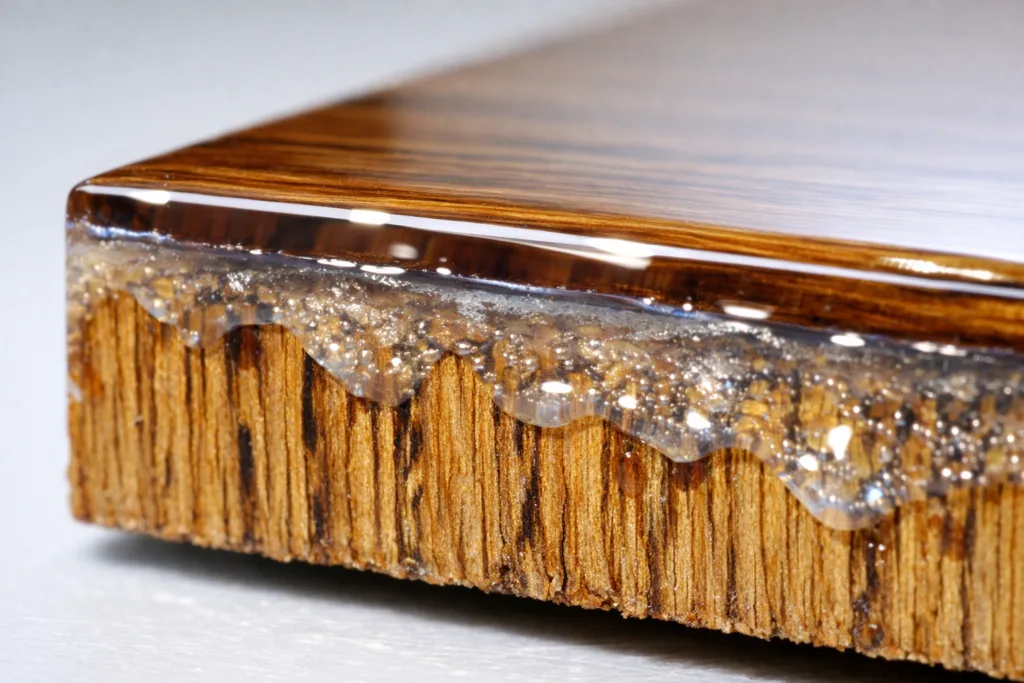
- Low viscosity for deep penetration into grain
- High adhesion to both wood and subsequent topcoats
- Low amine blush (for easier overcoating)
- Consistent batch-to-batch quality, especially on larger jobs
For critical wood repair before sealing, consider products like ZDS-189 Wood Repair Putty to fill dents and scratches before epoxy application.
Varnish Types and UV Stability: What To Look For
Not all marine varnishes are created equal. Look for:
- Spar and polyurethane formulas with maximum UV blockers
- Rated for “system use” over epoxy substrates
- Suitability for your preferred finish (high gloss or satin)
- Proven outdoor marine performance—product reviews and test results matter
Misconceptions: Can Epoxy Replace Varnish for UV Exposure?
No, even the most advanced clear marine epoxies are not sufficient as “final” UV-exposed topcoats. Over time, sunlight will damage the resin, degrade clarity, and shorten wood life. Always finish with a UV-stable topcoat unless the sealed surface is permanently shaded or covered.
When to Use Only Varnish: Special Cases
In situations where absolute moisture protection is less critical (e.g., covered seating, handrails), marine varnish alone may suffice for ease of application and re-coating. For decks, hulls, and exterior joinery, hybrid systems remain the gold standard.
Table: Epoxy vs. Varnish—Properties & Application
| Property | Clear Marine Epoxy | Marine Varnish |
|---|---|---|
| Water Barrier | Excellent | Moderate |
| UV Protection | Poor (on its own) | Excellent |
| Structural Bonding | Yes | No |
| Repairability | Requires sanding/recoating | Simpler spot fixes |
| Application Complexity | Higher (mixing, timing) | Straightforward |
| Clarity (UV exposed) | Yellows over time | Lasting clarity |
Practical Steps: Building Your Marine Woodcoating System
- Prepare the wood: Clean and dry substrate, sand to open the grain
- Apply clear marine epoxy: Mix and lay down two or more thin coats, allowing correct cure times (refer to ZDSpoxy batch notes for guidance)
- Abrade epoxy: Use 180-220 grit sandpaper for a keying texture
- Apply varnish: First test adhesion in a small area. If good, proceed in thin, even coats
- Service coating: Inspect annually, sand and recoat as needed
Common Application Mistakes and How to Avoid Them
- Applying varnish to uncured or greasy epoxy: wait for a full cure and remove amine blush with water and light abrasion.
- Skipping UV topcoat: leads to rapid epoxy yellowing.
- Over-thick epoxy coats: can trap air bubbles and create surface heat defects.
- Neglecting to sand between layers: risks delamination.
Real-World Experience: ZDSpoxy Application Notes
Some resin manufacturers, including ZDSpoxy, stress the importance of environmental controls. High humidity, uneven surface temperatures, or overly large batch sizes can alter cure rates, reduce penetration, and increase risk of incomplete sealing. On job sites, consistent mixing and thin application layers are key for optimal results. Keeping detailed QC records—especially on large restoration projects—helps catch surface issues before final varnishing, reducing costly labor later.
Future-Proofing Marine Wood: Maintenance and Top-Up Cycles
All wood protective systems require periodic maintenance. Plan to renew varnish every 1-3 seasons depending on sun exposure. Minor dings or worn areas should be sanded and spot recoated before wood is exposed. Prompt touch-ups extend both the clarity and strength of the overall system.
Cost, Longevity, and Labor Trade-Offs
While laying down epoxy plus multiple coats of varnish may seem labor-intensive, the payoff is a dramatic extension in both wood appearance and service life. The initial investment in a hybrid system usually translates to lower repair costs and far fewer full “stripped and refinished” cycles. When planning projects, consider material, labor, and downtime versus long-term performance, especially for frequently used areas.
The Environmental Angle: Volatile Organic Compounds (VOC) and Safety
Modern marine epoxies and varnishes vary widely in VOC content and safe use instructions. Lower-VOC, low-odor solutions are available; always check labels if you are working in confined spaces. Use PPE, practice good ventilation, and observe container storage life to avoid skin irritation or curing failures.
Summary Table: When to Use Epoxy, Varnish, or Both
| Application Scenario | Recommended System |
|---|---|
| Hull Below Waterline | Epoxy + marine-grade paint (not varnish) |
| Decks & Toe Rails | Epoxy + UV-stable varnish |
| Covered Woodwork | Epoxy only or varnish only |
| Handrails & Seating | Varnish only okay for low-exposure |
Expert Recommendations: Building a Reliable Wood Protection System
Combine a flooding coat of clear marine epoxy for deep sealing with multiple layers of a proven, UV-resistant varnish. Always consult technical datasheets for both products to ensure system compatibility. When in doubt, test adhesion and clarity in an inconspicuous area before full application.
Conclusion: Choosing the Best for Your Project
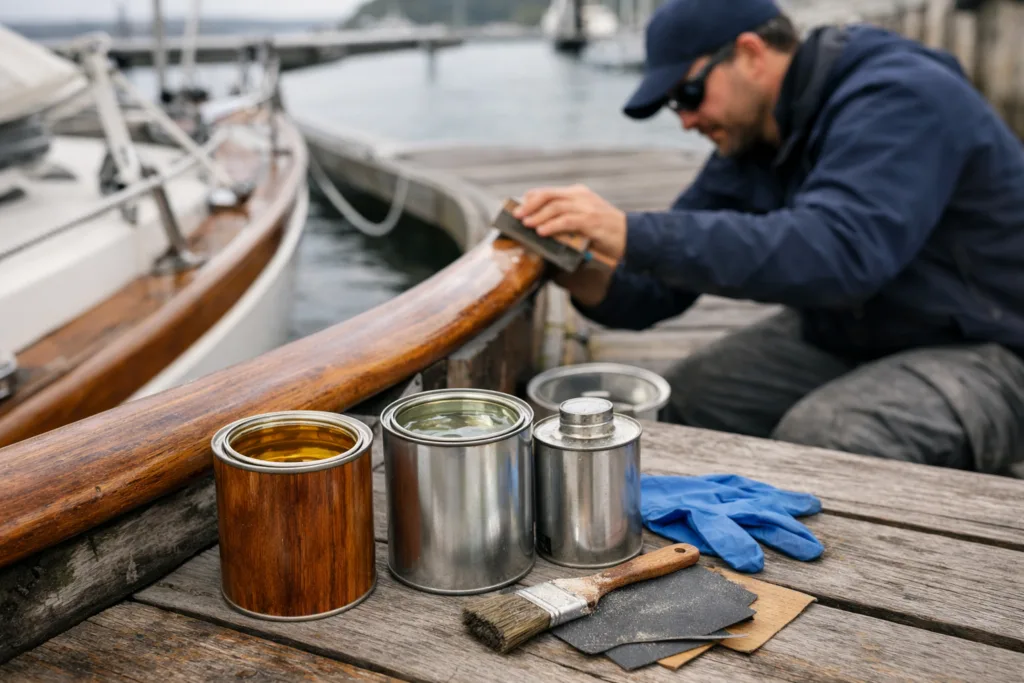
Choosing between clear marine epoxy and marine varnish is not an “either/or” decision—the strongest, most lasting wood protection comes from using both in a smart layered system. Epoxy delivers powerful sealing; varnish ensures sunlight and surface abrasion don’t undermine your work. Pay attention to compatibility, application detail, and upkeep, and you’ll enjoy years of crisp, bright, low-maintenance marine woodwork.
Frequently Asked Questions
Should I use varnish or epoxy as the final finish for exterior wood?
Always use a UV-resistant marine varnish as the final finish for sun-exposed wood. Epoxy is excellent for sealing but must be protected from UV with a topcoat.
Will epoxy alone stop wood from yellowing under sunlight?
No, clear marine epoxy will eventually yellow if left exposed to UV. A UV-blocking topcoat like marine varnish is required for clarity retention.
Can I use any varnish over clear marine epoxy?
No, only use marine varnishes that are marked as compatible with epoxy surfaces. Always sand cured epoxy to a matte texture before varnishing.
How many coats of epoxy and varnish should I apply?
Typically, two to four coats of epoxy provide full sealing, followed by at least four to ten coats of marine varnish for ideal UV and abrasion protection.
What are signs my finish system is failing?
Look for chalking, yellowing, peeling, or cracks in the varnish. These may signal underlying epoxy degradation or poor surface adhesion. Early touch-ups prevent major repairs.
Is there a one-product solution for wood water and UV protection?
No, single products struggle to excel at both moisture and UV defense. A system of clear marine epoxy sealing plus UV-stable varnish topcoat provides best-in-class results.
Related Reading
- Comparing Polyaspartic and Polyurethane Marine Coatings: Real-Life Lessons
- Marine Epoxy Resin Packaging: Sizing Your Buy for Less Waste
- How to Select the Best Marine Epoxy Resin for Repairs
- Understanding Epoxy Yellowing: Expert Prevention Tips
- Clear vs Colored Waterproof Coatings: Pros and Cons Explained