
Introduction: Why Fire Resistance Matters in Resin Flooring
In modern public spaces, fire safety is a top concern, especially where large numbers of people gather. Whether you’re designing a school, hospital, shopping mall, or transportation hub, the specification of fire resistant resin flooring has never been more critical. Recent regulations—particularly the EN 13501-1 European classification system—have raised the bar for building material performance, directly impacting architects, facility managers, and contractors. In this guide, we’ll demystify how flame retardant standards like Bfl-s1 protect both structures and people, and how ZDSpoxy’s resin solutions offer proven compliance and real-world reliability.
The Basics of Fire Resistance Ratings: A Primer
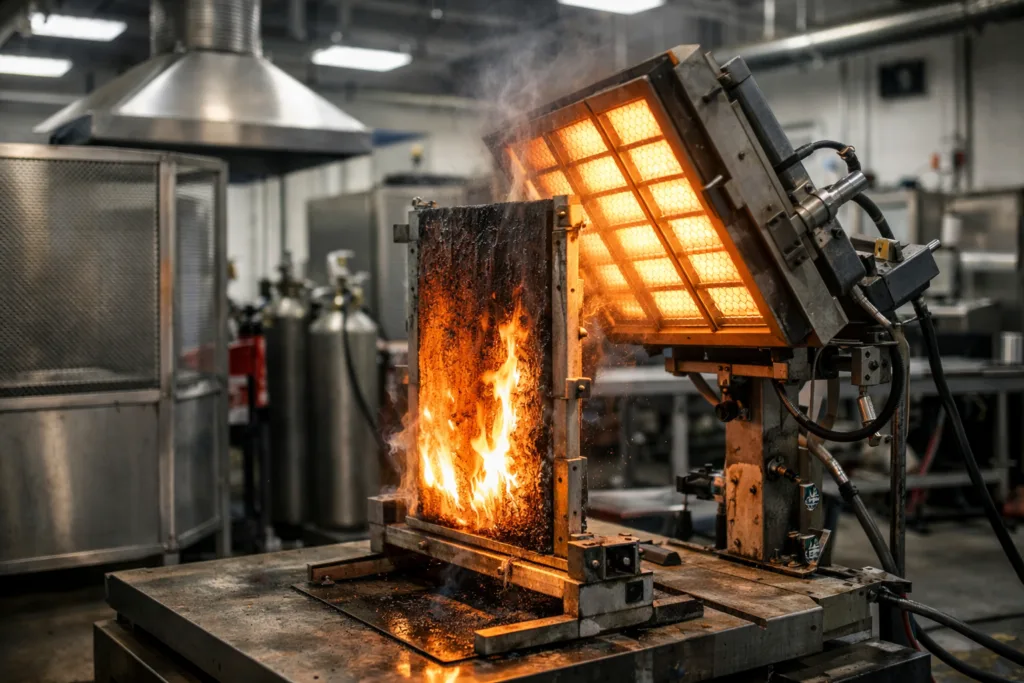
Fire resistance ratings serve as the backbone of building safety compliance. They measure how well construction materials limit the spread of fire and smoke, which is critical for safe building evacuations and minimizing property loss. For resin floors, two factors matter most: the floor’s reaction to fire (how it ignites and spreads flame) and its ability to resist surface burning.
The EN 13501-1 Standard: Europe’s Gold Standard for Fire Safety
EN 13501-1 is a harmonized European standard for classifying the fire performance of construction products, including flooring materials like resin. This standard helps create uniform safety regulations across all EU countries, making it one of the strictest and most widely adopted systems worldwide. The EN 13501-1 test examines several behaviors: combustibility, smoke release, and burning droplets, using controlled laboratory conditions to ensure accuracy and comparability.
Classification Breakdown: What Does Bfl-s1 Actually Mean?
Within EN 13501-1, the “Bfl-s1” label is a specific classification for flooring products. Let’s break it down:
- ‘Bfl’: The material has a very limited contribution to fire (second only to ‘Afl’, which is non-combustible).
- ‘s1’: Indicates the lowest smoke production possible during fire exposure.
So, if you see a resin floor labeled Bfl-s1, it is engineered to be flame retardant and create minimal smoke in the event of fire. This is especially crucial in public sectors where rapid evacuation and visibility are critical.
The Science Behind Flame Retardant Resins
How do resin manufacturers like ZDSpoxy enhance the fire resistance of their materials? Flame retardant resin formulations typically incorporate special additives that either slow down combustion, promote char formation (which blocks oxygen), or reduce smoke toxicity. A blend of advanced chemistry and quality control ensures these products meet modern compliance standards.
EN 13501-1 Testing Process for Resin Floors
The path to earning a Bfl-s1 rating isn’t automatic—every resin formulation must undergo rigorous, third-party testing. Laboratories conduct the “flooring radiant panel test” to check how quickly flames spread across the material and measure smoke emissions in real time. Only products passing strict thresholds earn certification. ZDSpoxy’s systems are regularly batch-tested for compliance, providing end users with reliable documentation for building approvals.
Why ‘Flame Retardant’ Is Not Enough: Beyond the Label
While many products claim to be flame retardant, only those with clear EN 13501-1 documentation provide trustworthy assurance. Watch for valid test certificates, traceable batch numbers, and up-to-date compliance statements—especially if you’re specifying flooring for fire-regulated spaces like schools, hotels, or transit stations.
Comparing Fire Resistant Resin Grades: A Quick Table
| Classification | Flame Spread | Smoke Production | Best For |
|---|---|---|---|
| Afl | None (non-combustible) | None | Labs, critical infrastructure |
| Bfl-s1 | Very limited | Very low | Public/commercial flooring |
| Bfl-s2 | Very limited | Low to moderate | Workshops, warehouses |
| Cfl-s1 | Limited | Very low | General office, retail |
| Df | High | High | Rarely approved |
Fire Resistant Resin, EN 13501-1, Flame Retardant: Key Section
Fire resistant resin, EN 13501-1, flame retardant flooring is not merely a regulatory checkbox—it’s an active shield against one of the most dangerous scenarios in public environments. Choosing resin flooring rated to Bfl-s1 provides crucial benefits: extended evacuation times, reduced injury rates from smoke, and minimized structural loss. For architects, specifiers, and building owners, these classifications translate into peace of mind and greater legal compliance.
Why Smoke Production is as Important as Flame Spread
It’s easy to focus only on ignition, but most fire injuries in public buildings occur due to smoke inhalation—not burns. That’s why EN 13501-1’s “s1” label is vital. Flooring releasing minimal smoke (s1) preserves air visibility and quality, supporting orderly evacuations critical to saving lives. When selecting a resin floor, never overlook the smoke classification.
Designing for Safety: Integrating Bfl-s1 Flooring into Public Spaces
The best fire resistance strategy combines certified flooring with smart layout design. Use Bfl-s1 resins in exit corridors, stairways, lobbies, and assembly points to slow fire progress where foot traffic is most dense. This approach is quickly becoming the norm in new public builds across Europe and the Middle East.
Global Regulations: How EN 13501-1 Compares to Other Standards
Although EN 13501-1 leads in Europe, other major fire safety standards exist—such as ASTM E648 in the US or BS 476 in the UK. However, many international investors and companies now specify EN 13501-1 by default because its classifications are stricter and more widely harmonized for multi-country projects.
Practical Considerations: Site Prep and Application
No matter the rating, real-world performance starts with proper site prep. Residual dust, oil, or excess moisture can compromise the bond line of any fire resistant resin. It’s best practice to follow resin manufacturer guidelines for moisture checks and use recommended ZDS-1012ab epoxy primer to optimize adhesion and overall fire performance. Remember: lab testing assumes correct substrate and installation.
How ZDSpoxy Formulates for Real-World Fire Safety
At ZDSpoxy, R&D teams routinely balance flame retardance with other essential resin properties, such as compressive strength, flowability, and long-term durability. In actual installations, trade-offs can occur: more additives can increase viscosity or cure time. Experience shows that adjusting mixing ratios and using temperature-stable batches can deliver a system that meets both the Bfl-s1 rating and operational demands. Batch-level testing and transparent QC records are always available upon request to support building documentation.
Flame Retardant Resin Innovations: What’s Changing in 2024?
Modern projects demand greener and safer solutions. Flame retardant resin systems now use advanced materials, such as halogen-free, phosphorus-based, or nano clay additives, to limit both smoke and toxicity. These innovations keep both installers and occupants safer and often offer better VOC profiles.

Debunking Myths: Does Fire Rating Impact Other Resin Properties?
A common question from specifiers: does improved fire resistance mean reduced mechanical or chemical resistance? Not with today’s high-quality Bfl-s1 systems. For example, ZDSpoxy’s fire rated resins maintain full performance in abrasion, flexure, and chemical resistance tests. In fact, some flooring solutions combine flame retardant additives and chemical resistance for labs, kitchens, and manufacturing facilities. You can learn more about these dual-function chemical resistant resin floorings and how they benefit complex environments.
Specifying Fire Resistant Resin in Commercial Projects
For building certifications and tenders, you will need a clear, batch-specific compliance report and a current EN 13501-1 test certificate. Always request both. Work closely with manufacturers to match the resin to your anticipated foot traffic, floor loads, and cleaning regimen. An expert technical partner can help tailor the best-performing, code-compliant package for your floor.
Installation Best Practices for Flame Retardant Resin Flooring
Quality installation is just as important as product selection. Ensure correct batch mixing, follow manufacturer guidelines, and observe curing times according to environmental temperature. For challenging substrates, consider specialized primers or sand broadcasts to maximize adhesion. In sensitive areas, continuous monitoring of air quality and ventilation during installation ensures both worker safety and optimal fire performance.
Maintenance and Inspection: Keeping Your Fire Ratings Valid
Fire rating is not a “set and forget” attribute. Regular maintenance—including cleaning, prompt repair of cracks, and assessment of heavy wear—keeps resin flooring at peak safety. Look out for upgrades in regulations; a certified floor must always be in line with the latest code, which can evolve over the years. Scheduled inspection of resin floor surface integrity is a highly recommended facility management task.
Common Mistakes That Undermine Fire Resistant Floors
Missteps such as over-thinning, use of incorrect primers, skipping mandatory curing time, or poor batch tracking can erode your hard-earned compliance. For higher-risk public spaces, using system-specific primers like ZDS-105 water-based acrylic epoxy primer secures both adhesion and long-term fire integrity.
Proven Applications: Fire Resistant Resin Flooring in Real Projects
Take a hospital with continuous floor loads and strict fire code: resin systems rated Bfl-s1 withstand routine cleaning, spills, and even chemical exposure—without losing their fire rating. Transport hubs, which see high foot traffic, benefit from coatings that maintain slip resistance and appearance over years of heavy use, all with certified fire safety.
How to Read a Fire Test Certificate: What to Look For
Test certificates should clearly state Bfl-s1 (or your required class), the precise formulation (product code, supplier), date of testing, and regulatory body. Always check that a valid, current certificate accompanies your resin shipment—avoid generic or outdated paperwork, which can lead to failed inspections.
Working with Contractors: Ensuring On-Site Compliance
Make sure contractors understand and respect fire safety protocols during mixing and installation. Brief teams on the need for compliance, and keep a copy of the product data sheet and fire test certificate readily available on-site. Communication between the supplier, contractor, and architect is key for audit-readiness and public safety assurance.
Retrofitting: Upgrading Older Floors to Meet EN 13501-1
In some commercial buildings, existing floors may not meet current fire code. The good news: flame retardant resin overlays can be installed to upgrade fire resistance without full slab removal. Surface profiling, priming, and correct curing bring the entire floor up to modern safety standards—an ideal solution for schools or hospitals working within renovation budgets.
Do’s and Don’ts: Building a Resilient Fire Safety Floor Strategy
- Do: Specify EN 13501-1 Bfl-s1 rated resin in public-use buildings.
- Do: Maintain accurate compliance records, updated with each batch.
- Don’t: Rely solely on “flame retardant” advertising—demand full documentation.
- Don’t: Overlook smoke and toxicity aspects when reviewing test results.
Conclusion: Raising Confidence with Certified Fire Resistant Resin

As fire safety rules grow ever more complex, certified fire resistant resin flooring is essential in today’s public buildings. The Bfl-s1 standard shows a product meets the highest expectations for fire and smoke control, directly supporting safer evacuations and durable facilities. By thoroughly understanding codes, documentation, and real-world performance, building teams can confidently deliver spaces that protect lives and assets—meeting both legal duties and moral responsibilities.
Frequently Asked Questions
What does Bfl-s1 mean on resin floors?
Bfl-s1 is an EN 13501-1 rating meaning the flooring is highly flame retardant (very limited contribution to fire) and produces minimal smoke during a fire.
Why is EN 13501-1 important for commercial flooring?
EN 13501-1 classifies and certifies the fire performance of flooring, ensuring consistency and safety in buildings regulated under European fire codes.
Can old resin floors be upgraded for fire safety?
Yes, flame retardant resin overlays can upgrade existing floors to meet EN 13501-1 Bfl-s1 standards after proper surface prep and installation.
Does fire resistant resin impact floor durability?
Modern flame retardant resin floors, such as those formulated by ZDSpoxy, maintain high strength, abrasion, and chemical resistance alongside fire safety.
How can I verify a resin floor’s fire rating?
Request a copy of the product’s current EN 13501-1 test certificate with clear batch numbers from the manufacturer before installation.
Is smoke production more dangerous than fire in emergencies?
Often yes—most injuries in fires result from smoke inhalation, making low-smoke (s1-rated) flooring vital for safe evacuations.
Related Reading
- Map-Based Solutions: Tackling Cracks for Lasting Waterproofing
- Demystifying UV Resistance: Long-Term Clarity in Marine Epoxy
- Behind the Sticker: The Hidden Costs & Risks of Budget Epoxy
- 7 Must-Know Anchor Bolt Isolation Techniques for Reliability
- Choosing a Resin Flooring System for High-Performance Results