
Understanding Expansion Joints and Cracking in Epoxy Floors
Epoxy floors are favored in industrial, commercial, and even modern residential settings for their durability, seamless finish, and chemical resistance. However, even the toughest epoxy system is susceptible to cracking if expansion joints are ignored or not handled correctly. Proper joint filler application is essential for managing concrete cracks and enabling movement joints in epoxy, ensuring the resilience and performance of the floor over time.
What Are Expansion Joints?
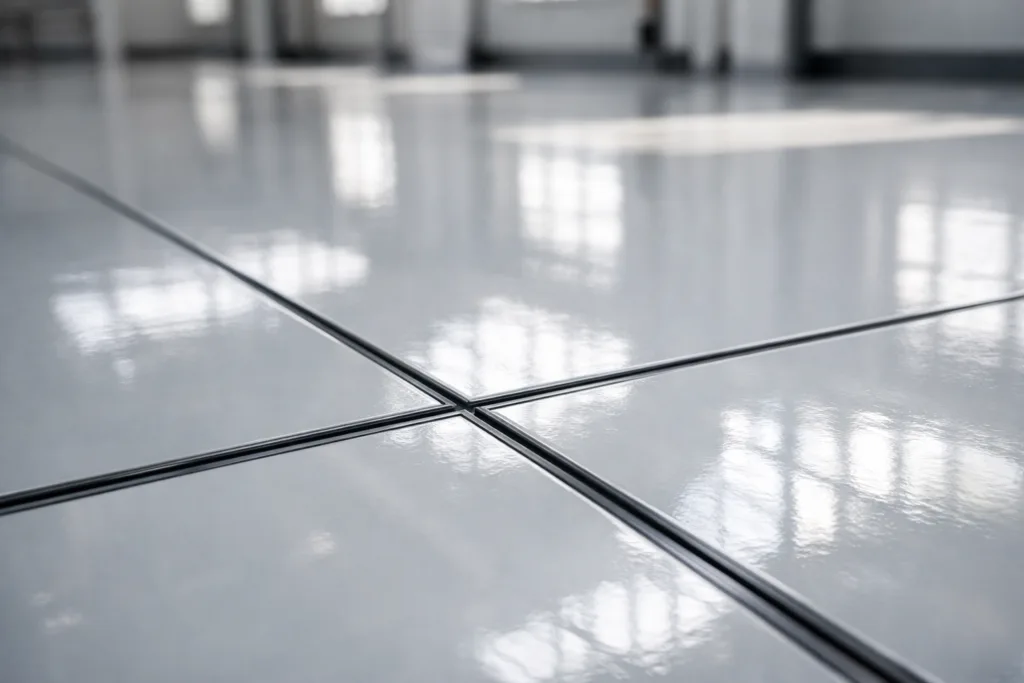
Expansion joints are intentional gaps placed within concrete slabs and epoxy flooring systems to accommodate movement from temperature changes, shrinkage, and external forces. Without these gaps, natural movement leads to stress buildup, resulting in unsightly and often costly cracks. Addressing movement joints in epoxy is foundational to creating a long-lasting and safe floor system.
The Science Behind Floor Movement
Concrete naturally expands and contracts throughout its life cycle. Changes in temperature and humidity, heavy loads, or curing contractions can all trigger movement. Epoxy coatings, known for their high adhesion and rigidity, do not flex as much as their substrate, making proper joint filler and movement joints in epoxy vital for preventing floor failure.
Why Concrete Cracks Under Epoxy Floors
When concrete moves and there’s no room for expansion or contraction, tension accumulates. Over time, this manifests in cracks that run through both the concrete substrate and, eventually, the decorative or functional epoxy coating. Left untreated, these cracks can lead to water ingress, delamination, and costly repairs.
Common Scenarios Leading to Cracking
- Thermal Movement: Natural expansion and contraction due to temperature swings
- Structural Settlement: Shifts in the building’s foundation
- Heavy Traffic Loads: Forklifts, machinery, or other heavy equipment stressing the slab
- Poor Surface Preparation: Missed joints or lack of bond-breakers during epoxy installation
The Role of Joint Filler in Concrete and Epoxy Floors
Joint filler products are designed to occupy the space within planned floor joints, staying flexible enough to absorb movement but tough enough to protect the joint’s edges. When choosing joint fillers for movement joints in epoxy, you need options with the right balance of flexibility, adhesion, and chemical resistance. ZDSpoxy’s flexible joint filler is specifically engineered to accommodate slab movement without cracking or losing adhesion to the joint’s sides.
Types of Joint Fillers
- Polyurethane-based
- Polyaspartic-based
- Epoxy and hybrid formulas
For environments requiring high chemical resistance or aesthetics, polyurethane and polyaspartic joint fillers are often preferred. ZDS-1901 is one example of a polyurethane primer compatible with advanced joint fillers, creating robust adhesion prior to installation.
The Importance of Movement Joints in Epoxy Flooring Systems
Movement joints in epoxy act as controlled “flex” zones, protecting the integrity of both the base concrete and the top epoxy layer. Unlike static cracks, these are engineered, and when combined with the correct joint filler, they allow the slab and epoxy layer to flex independently. This prevents uncontrolled cracking and water ingress—two critical threats to any floor longevity plan.
Joint Filler Placement: Strategic Considerations
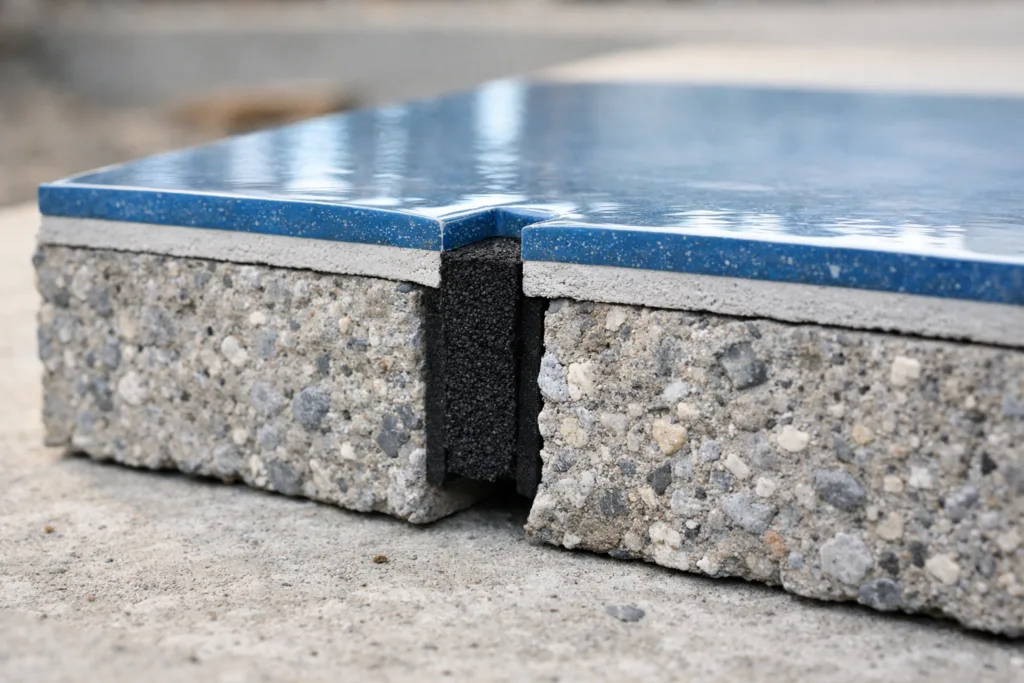
Best practices for movement joints in epoxy include extending joints from the concrete slab up through the entire flooring system, including all coats of epoxy, sand layers, and optional topcoats. This approach is echoed in industry-standard flooring resin systems, which prioritize comprehensive joint management for lasting performance.
How to Choose the Right Joint Filler for Epoxy Floors
Consider environmental exposure, expected traffic loads, location and width of joints, and chemical resistance requirements. For example, food plants may need fast-curing, hygienic solutions, while heavy industry will require extreme toughness. Mixing and batching also play a role; as ZDSpoxy’s engineers have observed, precise ratio control and mixing prevents field failures due to improper cure or shrinkage.
Key Selection Factors
- Flexibility: Must handle expected joint movement without tearing
- Bond Strength: Adheres well to both epoxy and concrete surfaces
- Chemical Compatibility: Withstands exposure to water, oils, and industrial chemicals
- Hardness: Balances flexibility and resistance to crushing or indentation
- Cure Time: Matches the job’s time constraints and curing schedule
Application Best Practices for Joint Fillers
Applying joint filler is straightforward, but mistakes can undermine the entire flooring system. Surface preparation is essential—joints must be clean, dry, and dust-free. Follow the manufacturer’s instructions for sealant depth, typically one-half the width of the joint, and observe pot life and curing time closely. ZDSpoxy technicians emphasize test batch mixing and application on off-cuts for first-time users to build confidence.
Mixing and Installation Tips
- Mix only the amount that can be installed within the product’s pot life
- Use clean, dry tools and containers
- Mask joint edges to prevent spillover
- Remove air bubbles by working with a spatula or squeegee
- Allow joint filler to fully cure before reopening the area to traffic
Common Mistakes When Handling Movement Joints in Epoxy
Field errors can cost both time and money. Some of the most frequent jobsite mistakes include:
- Skipping joint cleaning, leading to poor adhesion
- Overfilling or underfilling joints, increasing failure risk
- Allowing excessive movement before the joint filler has fully cured
- Choosing a joint filler with inadequate elongation for the expected movement range
- Applying epoxy over flexible joints without any compatible, flexible joint filler in place
How ZDSpoxy’s Engineers Address Cracks in Epoxy Flooring
At ZDSpoxy, years of field experience have shown that cracks are often a symptom of missing or mishandled movement joints. Teams work closely with installers to advise on proper expansion gap sizing based on slab geometry and expected service load, and to recommend joint filler products tailored for the region’s climate and chemical exposure.
Batch Consistency and QC
Real-world performance hinges on batch-to-batch uniformity—ZDSpoxy’s lab routinely checks viscosity, color, and pot life, and advises installers to keep batch records to trace any potential site-side errors. This attention to detail minimizes surprises long after the floor is put into service.
Flexible Joint Filler: Essential Properties and Site-Proven Performance
ZDSpoxy’s flexible joint fillers are designed to move with the slab and the epoxy overlay, providing both mechanical resilience and chemical endurance. These products feature well-controlled viscoelasticity, resisting both indentation and “memory” from heavy loads over time. When tested under salt spray and chemical cycles, ZDSpoxy joint fillers maintain adhesion and flexibility, ensuring the joint does not become a weak spot.
Comparison Table: Popular Joint Filler Choices in Epoxy Flooring
| Filler Type | Flexibility | Cure Speed | Chemical Resistance | Use Cases |
|---|---|---|---|---|
| Polyurethane | High | Medium | Excellent | Industrial, Food, Warehouse |
| Polyaspartic | Moderate-High | Fast | Very High | Fast-track Jobs, Cold Sites |
| Epoxy | Low-Moderate | Slow-Medium | Good | Decorative, Light Traffic |
Case Study: Successful Expansion Joint Integration in Epoxy Flooring
A large-scale warehouse sought to reduce frequent repairs. After analysis, engineers determined cracks stemmed from inadequate movement joint design. By integrating properly sized expansion joints, filling them with compatible polyurethane joint filler, and overlaying with ZDSpoxy epoxy flooring, the result was a seamless, crack-free performance exceeding two years. Ongoing site checks have found no recurrence of cracks, demonstrating the real-world advantage of diligent joint planning.
Quick Reference: Steps for Best Practice Joint Management
- Plan joint layout according to slab and ambient conditions
- Ensure joints extend through all epoxy system layers
- Choose joint fillers with suitable flexibility and compatibility
- Mix and apply according to technical data sheets
- Inspect and maintain joints periodically for early warning signs
Special Considerations: Temperature, Moisture, and Movement Speed
Both installation and service conditions affect the performance of movement joints and their fillers. For instance, rapid material movement or significant temperature swings demand joint fillers with higher elongation and faster curing, such as those based on polyaspartic chemistry (see ZDS-1223AB for fast-flooring compatibility).
Moisture and Substrate Quality
Substrate moisture must be monitored before applying both joint filler and epoxy resin. High-moisture concrete can cause blistering or premature joint filler failure. Test, document, and address any moisture issues before starting site work.
Maintenance of Expansion Joints and How to Spot Early Failure
Perform routine joint inspections for signs of debonding, tearing, or significant compression set. Good maintenance practices extend the life of your resin flooring, reducing the odds of water ingress, subfloor contamination, or visible surface cracking.
Maintenance Checklist
- Inspect monthly for visible joint separation or edge spalling
- Address minor tears or adhesion loss promptly
- Keep joints clean and free of debris or spilled chemicals
Summary: Key Takeaways for Lasting Epoxy Floors
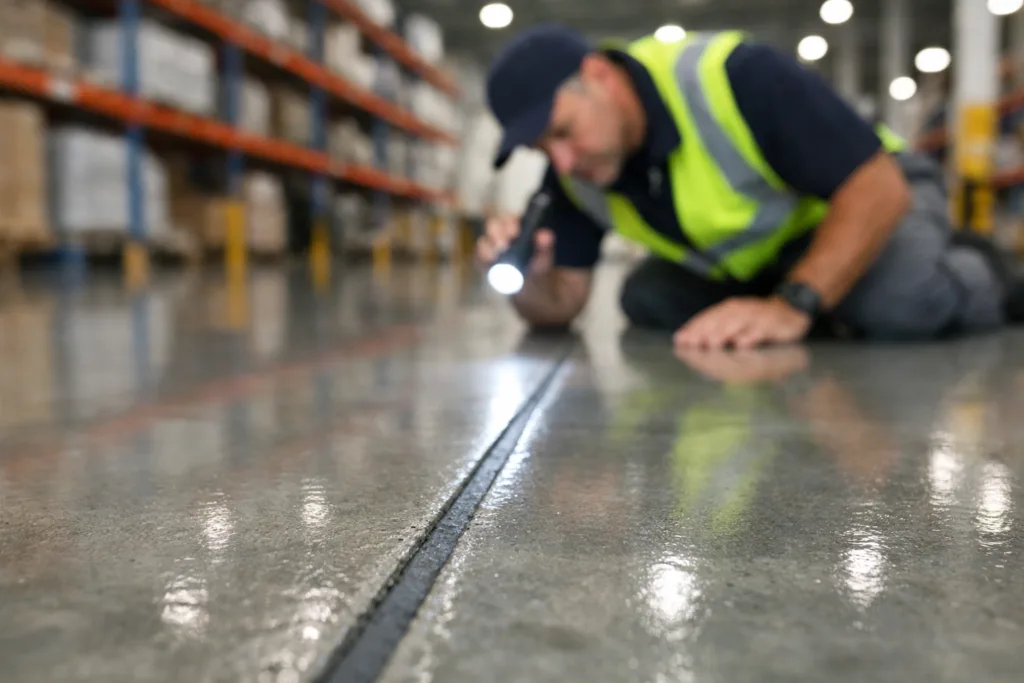
The longevity of an epoxy floor depends on more than the resin you choose. Proper engineering and handling of movement joints, with the selection of high-quality joint fillers, is critical for avoiding cracks, moisture intrusion, and expensive repairs. By investing in thoughtful joint management and routine maintenance, facility owners can extend the service life of both the floor and the underlying structure.
Frequently Asked Questions
Why do epoxy floors crack even with high-quality materials?
Cracking often results from poor expansion joint management, not from the epoxy itself. Natural concrete movement creates stress, which cracks the overlay if not managed with proper joints and flexible joint fillers.
How often should expansion joints in epoxy flooring be inspected?
Inspect joints monthly under typical conditions. In high-traffic or severe service environments, increase inspection frequency to catch issues early and prevent failure.
Can I repair cracks in epoxy floors after they form?
Yes, cracks can be repaired, but it’s best to assess why they occurred, address joint management, and use compatible fillers and repair resins to prevent recurrence.
What is the recommended joint filler depth for industrial floors?
Industry standard is typically half the joint width, but always review your resin and joint filler manufacturers’ technical guides for the exact project specifications.
Is it safe to apply joint filler on damp concrete?
Joint filler should generally be applied to dry, clean concrete for maximum bond and performance. Specialized products exist for damp substrates, but always check compatibility and dry time requirements first.
What characteristics should I prioritize when choosing a joint filler for epoxy flooring?
Focus on flexibility, chemical resistance, adhesion to both substrate and resin, cure speed, and long-term durability relative to your facility’s traffic and exposure.
Related Reading
- Pinpointing and Repairing Hairline Cracks & Waterproofing Solutions
- Can You Safely Coat Damp Concrete? Practical Tests & Best Fixes
- Step-by-Step Guide: Repairing Oil-Soaked Concrete Foundations
- Understanding Grout Stiffness and Resonance in Industrial Applications
- Comprehensive Guide to Modern Flooring Resin Systems