
How Polyaspartic Chemistry Works
The backbone of polyaspartic coatings comes from the combination of polyaspartic esters, which are derivatives of aspartic acid, and multifunctional isocyanates. When mixed, these two create a crosslinked network through a chemical process known as amine-isocyanate addition. The ester’s reactive hydrogen meets the isocyanate group, forming strong urea linkages. This network gives polyaspartics outstanding mechanical strength and chemical resilience.
Key Features of Addition Polymerization
- Fast curing at room temperature
- Low volatile organic compound (VOC) emissions
- High gloss retention
- Superior abrasion and chemical resistance
Raw Materials: Roles and Selection
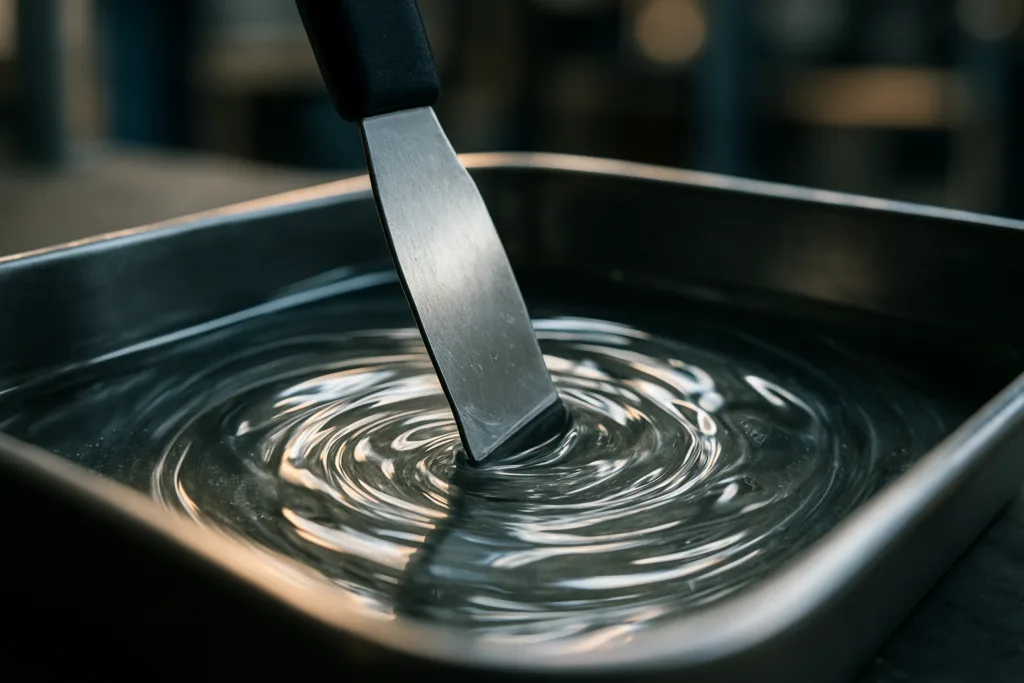
Every polyaspartic recipe starts with precise raw materials. These include polyaspartic esters, often tailored for specific reactivity and viscosity needs, as well as aliphatic or aromatic isocyanates.
Polyaspartic Esters
Polyaspartic esters dictate many final coating properties. By adjusting ester structure, manufacturers control cure time, flexibility, and viscosity. Higher molecular weights yield thicker, slower-curing products. Lower weights promote quick curing and easier application.
Isocyanates
Isocyanates drive the linking reaction. Aliphatic types resist yellowing and suit outdoor or UV-exposed surfaces. Aromatic variants cost less but risk discoloration over time. Careful selection balances cost, performance, and appearance.
Solvents, Fillers, and Additives
- Solvents: Control viscosity, aiding spray or roll application.
- Fillers: Enhance hardness, impact resistance, or slip resistance depending on particle shape and size.
- Additives: Help defoam, wet surfaces, and stabilize color during curing.
Reaction Mechanism: Step by Step
When polyaspartic ester meets isocyanate, their active chemical groups fuse instantly. The primary amines on the ester attack the isocyanate’s carbon atom, making a urea bond in a classic nucleophilic addition. Reaction speed can be fine-tuned by controlling temperature, ambient moisture, and raw material purity.
Cure Profiles and Performance Mapping
| Chemistry | Substrate | Cure Time (min) | Shore Hardness | Main Advantages |
|---|---|---|---|---|
| Polyaspartic-isocyanate | Concrete, metal | 30–90 | 70–90D | Fast cure, weather resistance |
| Epoxy-amine | Concrete, tile | 180–360 | 75–85D | Strong adhesion, moderate cure |
| PU-prepolymer | Wood, metal | 60–120 | 60–80D | Good flexibility, lower abrasion resistance |
Monitoring Reaction Conditions
- Temperature: Higher means faster cure but possibility of exotherm.
- Moisture: Excess can cause bubble formation or surface defects.
- Mixing ratio: Precise ratios—often 1:1 by volume or weight—control final strength and flexibility.
Applications of Polyaspartic Chemistry
Polyaspartic coatings have quickly earned a place across many sectors. They’re common in automotive assembly lines, electronics housings, and construction flooring. ZDSpoxy formulates systems for both indoor and heavy-duty outdoor use, lending expertise in adhesion to stone, engineered plastics, and demanding metals.
Why Polyaspartics Excel
- Rapid turnaround—walkable surfaces in less than an hour.
- Minimal disruption—low VOCs and odor simplify commercial installs.
- Exceptional aesthetics—high clarity and gloss resist yellowing.
- Robust performance—endures salt spray (ASTM B117), harsh chemicals, and UV.
Polyaspartic Chemistry
At its heart, polyaspartic chemistry revolves around speed and strength. These coatings blend quickly and cure even in cold or humid environments, unlike traditional epoxies. Their dense microstructure keeps water and chemicals out, protecting surfaces from corrosive damage and fading. ZDSpoxy’s labs tune their formulations to withstand intensive industrial use, balancing cure speed for easy installation and the highest long-term durability.
Comparing Other Coating Technologies
- Epoxy: Reliable for adhesion and chemical resistance, but cure slower and risk yellowing outdoors.
- Polyurethane: Flexible, with good abrasion resistance, but not as UV-stable as polyaspartics.
- Acrylics: Fast cure, good color stability, but less robust than urea networks.
Quality Control and Regulatory Compliance
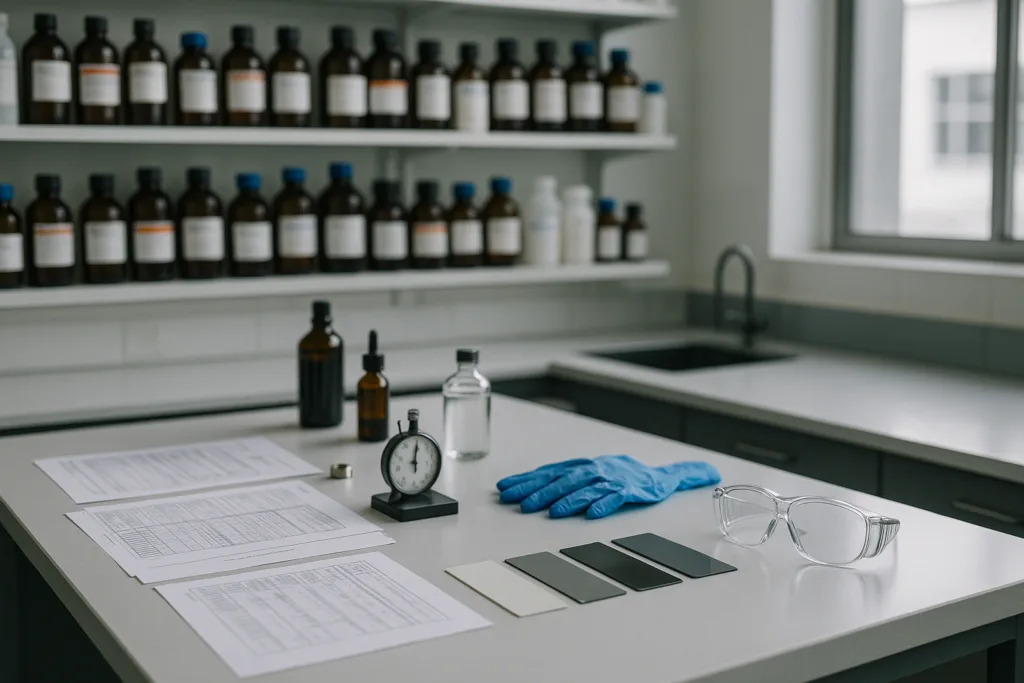
Strict quality testing ensures polyaspartic coatings meet performance claims. Tests include lap-shear strength (ASTM D1002), salt spray resistance, and thermal cycling. ZDSpoxy maintains ISO 9001 protocols, REACH and RoHS compliance, and full documentation—from batch traceability to SDS sheets. Finished products remain stable in sealed containers for up to 12 months when stored below 30°C.
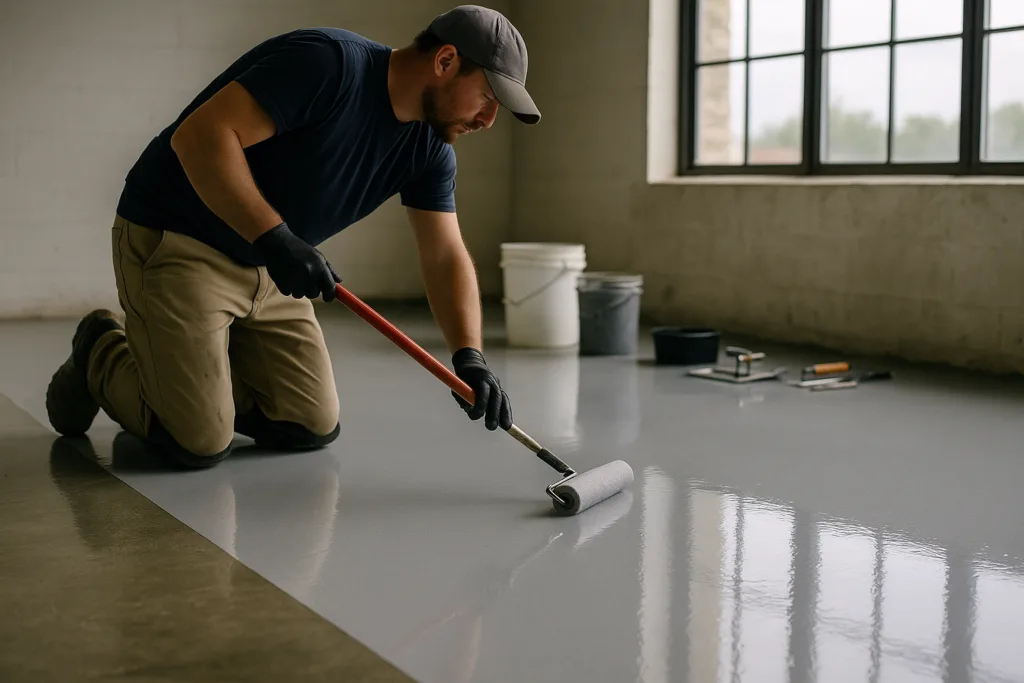
Common Substrate Prep Methods
- Grit blasting for concrete and steel
- Chemical degreasing for metals and plastics
- Primer application for engineered resins like ABS or polycarbonate
- Corona or plasma treatment for difficult plastics
Expert Insights: Application and Installation
Experienced installers note that polyaspartic systems require precise mixing and rapid application. Pot life—the window for workable material—is typically 20–35 minutes. Automated dispensing helps maintain accuracy on large projects. Fixture and clamp times are short, minimizing labor and downtime. ZDSpoxy offers tailored advice to optimize installation, even in fluctuating climates or challenging substrate conditions.
“Proper surface prep is non-negotiable. For maximum adhesion, always degrease and, where possible, abrade before coating.”
Best Practices for Application
- Pre-measure all components to ensure proper mix ratios.
- Use static mixers for consistent blending.
- Apply with suitable tool: bead, roller, spray, or slot-die.
- Control ambient conditions—temperature and humidity affect cure speed.
- Check coating thickness with a gauge for even coverage.
Future Trends in Polyaspartic Chemistry
Researchers continue to expand polyaspartic use in green construction, vehicle electrification, and electronics. Next-generation systems target lower VOCs, improved cold weather curing, and better recyclability. ZDSpoxy – Polyaspartic Coating Manufacturer adapts its formulations to meet new demands from EV battery packs to advanced stone flooring. Efforts focus on balancing performance, safety, and environmental responsibility for the future.
Innovations on the Horizon
- UV-curing polyaspartics for ultra-fast installation
- Hybrid MS-polyaspartic blends for flexible, tough surfaces
- Bio-based esters and low-toxicity isocyanates
Frequently Asked Questions
What makes polyaspartic coatings different from epoxy?
Polyaspartic coatings cure faster, resist UV yellowing, and offer higher abrasion resistance compared to epoxy. They enable quicker installation and longer-lasting beauty outdoors.
Can polyaspartics be applied in cold or humid environments?
Yes, polyaspartic chemistry allows for curing even in challenging cold or humid conditions, making them versatile for many climates.
Are polyaspartic coatings safe for indoor use?
Most polyaspartic systems emit low VOCs and odors, making them suitable for indoor installations with proper ventilation during application.
Which surfaces can be coated with polyaspartics?
Polyaspartics bond to concrete, metal, engineered plastics, stone, and more. Correct surface preparation ensures long-term adhesion and durability.
How long do polyaspartic coatings last?
With proper application and substrate preparation, polyaspartic coatings can protect surfaces for 10+ years, even in harsh environments.
How do I ensure maximum adhesion when using polyaspartic coatings?
Degrease, clean, and abrade the surface as needed. Use recommended primers for challenging substrates to achieve optimal bonding.