
Understanding Polyaspartic Coating Cost
Choosing a polyaspartic coating means balancing durability, speed, and cost. Many project managers and homeowners ask, “What drives polyaspartic coating cost?” The answer connects to materials, labor, project size, surfaces, and long-term performance. This guide explores each factor, making sense of why prices vary—and what delivers value.
Key Factors in Polyaspartic Coating Cost
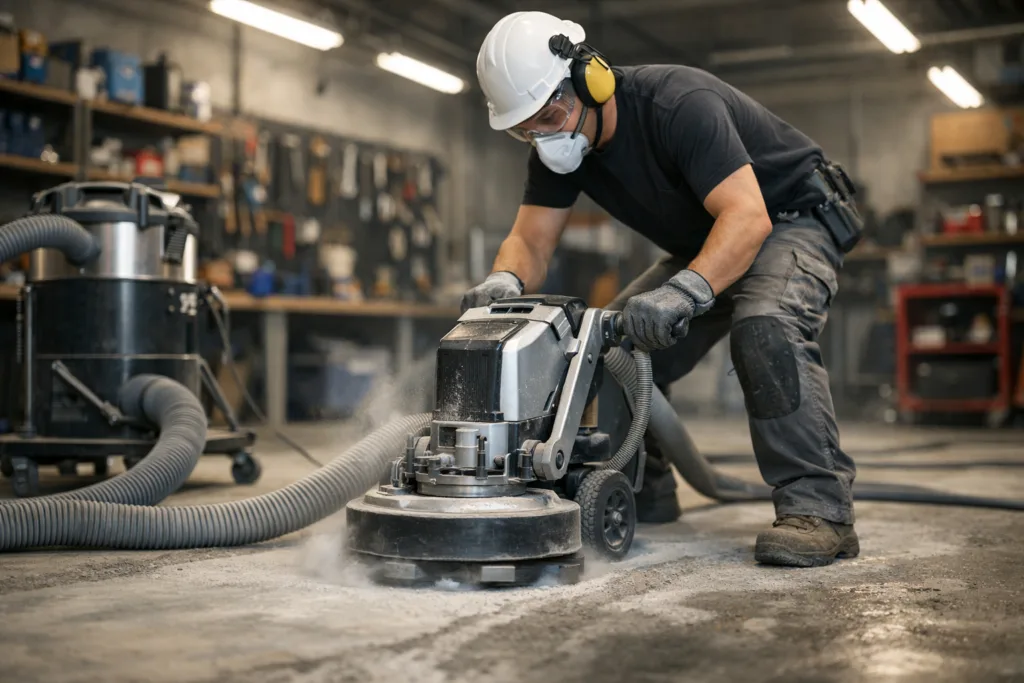
Polyaspartic coatings offer rapid cure, strong chemical resistance, and outdoor toughness. But several parts of the job influence the final bill. Below, we break down major price components:
Raw Material Chemistry and Grade
The coating’s core chemistry matters most. High-purity polyaspartate resins, pigments, fillers, and additives drive quality—and price. Commercial-grade products often cost more than basic versions due to advanced performance and tighter quality control. ZDSpoxy, for instance, tailors formulas across levels, from economical garage systems to heavy-duty industrial floors.
Coating Thickness and Number of Layers
Each project’s specification affects cost. Thicker films use more material, raising supply expenses. A single roll coat on concrete saves money but offers less durability than a two-layer broadcast system with color flakes and a clear topcoat. Typical thicknesses range from 2–5 mils per coat (1 mil = 0.025 mm). Deeper builds cost notably more in materials and labor.
Surface Preparation Requirements
Proper surface prep ensures long-term bonding and appearance. Old concrete might need scarifying, crack repair, or oil removal. Polished or sealed slabs require abrasive treatment (like diamond grinding) for primer adhesion. Costs climb with surface condition. Unexpected patching or moisture mitigation can add $2–$4 per sq. meter, according to field data.
Labor and Installation Practices
Labor forms a large share of project budgets. Polyaspartics cure fast—often within an hour per coat—so installers must move quickly and skillfully. Nighttime, weekend, or high-traffic installs (such as car park or retail) cost more due to premium labor rates and logistical hurdles. Automated mixing and dispensing, such as using static mixers and airless sprayers, can reduce install times and costs but also require investment in specialized equipment.
Project Size and Layout Complexity
Larger, open areas (like factory floors) generally enjoy lower per-square-meter costs. Tight corners and post obstructions increase handwork, wasting time and materials. Small garages (under 40 sq. meters) often see higher pricing bands due to setup and cleanup overheads.
Climatic and Environmental Demands
Sub-zero or high-humidity environments require adjusted chemistries, such as moisture-tolerant or rapid-cure polyaspartics. These specialty grades carry higher purchase and application costs. UV-intense sites may need pigments with added UV absorbers and stabilizers for color retention—boosting the material budget by 10–20%.
Comparing Polyaspartic Coating Cost by Chemistry
| Chemistry | Typical Substrates | Key Properties | Best Uses | Relative Cost ($/sq.m) |
|---|---|---|---|---|
| Polyaspartic | Concrete, Metal | Fast-cure, UV-stable, abrasion & chemical resistant | Garages, factories, car parks, outdoors | 25–60 |
| Epoxy | Concrete, wood, metal | High strength, slower cure, chemical/impact resistant | Workshops, warehouses | 18–40 |
| Polyurethane (PU) | Concrete, flexible substrates | Flexible, superior UV/weather resistance | Commercial indoor, exterior decks | 30–65 |
| Acrylic | Asphalt, concrete | UV-stable, fast dry, less chemical resistance | Walkways, light-duty concrete | 15–30 |
Material Economics: What’s Inside the Drum?
- Resin Content: High-solids (85–98%) polyaspartic formulas cost more but offer thicker, longer-lasting coats.
- Pigments & Fillers: Premium UV blockers, color flakes, and anti-skid aggregates add specialty price per batch.
- Additives: Slip resistance, antimicrobial agents, and moisture vapor barriers tailor function but add expense.
Installation and Project Management
A well-run project can lower polyaspartic coating cost. Plan for temperature and humidity swings: these affect workability, open time, and cure performance. Pre-condition materials to 20–25ºC for optimal viscosity (800–2500 cP) and flow. Match batch sizes to install crew speed—since pot life is usually only 20–45 minutes. Delays invite wasted product.
Polyaspartic Coating Cost
Actual installed cost for polyaspartic coating typically ranges between $25 and $60 per square meter for most standard projects. This includes labor, surface prep, materials, and a basic warranty. Costs rise for thick, decorative, or high-performance builds, and when substrate repairs or special climatic considerations add complexity.
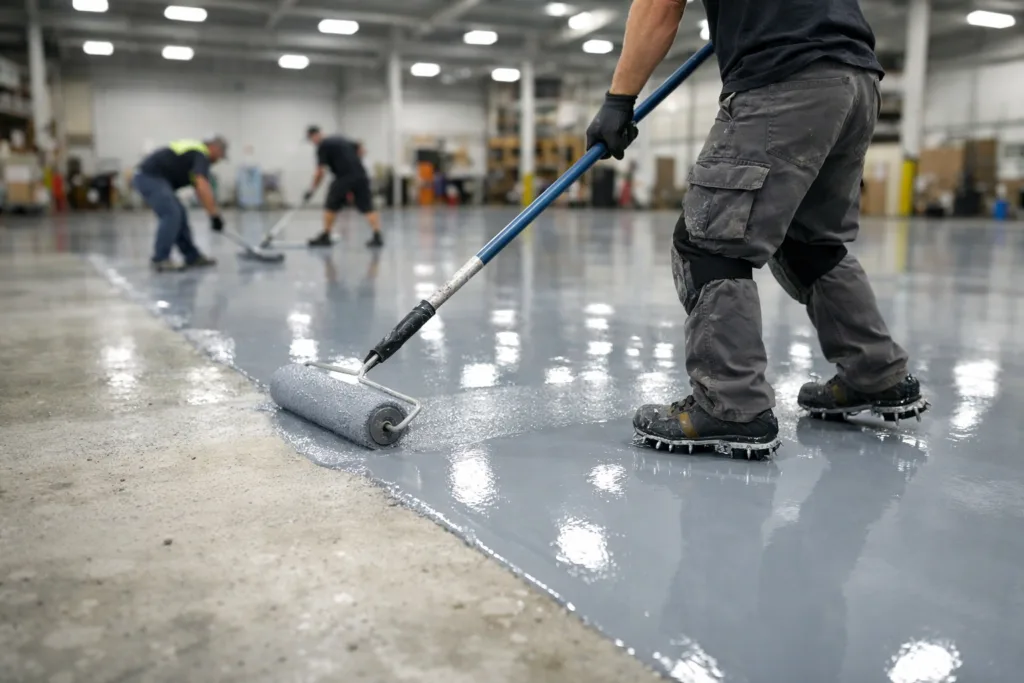
Step-by-Step Price Breakdown
- Surface Prep: $5–$10/sq.m (degreasing, grinding, patching, moisture barrier)
- Priming: $4–$7/sq.m (optional for highly porous or weak concrete)
- Base Coat(s): $8–$16/sq.m (1–2 coats high-solids polyaspartic)
- Broadcast (flakes/quartz): $3–$8/sq.m (if desired for texture/design)
- Topcoat: $5–$15/sq.m (clear sealer, anti-slip additive, pigment for color)
- Labor & Miscellaneous: $5–$15/sq.m (crew, masking, cleanup, waste)
Ways to Optimize Your Cost
- Consolidate project scope to reduce set-up/tear-down time
- Specify standard colors and finishes—custom tints or flakes cost more
- Prep substrates early for a faster install window and efficient crew use
- Consult suppliers (like ZDSpoxy) early for advice on chemistry choice and install logistics
Real-World Example: Medium Warehouse Floor
A 300 sq. meter repair-free concrete floor gets two polyaspartic coats. Minimal obstructions, good layout. Basic gray finish (no flakes or specialty additives).
| Line Item | Details | Cost (USD) |
|---|---|---|
| Surface Prep | Diamond grind, clean | $2,400 |
| Materials | High-solids polyaspartic x2 coats | $4,800 |
| Labor | 3-person crew, 2 days | $3,000 |
| Consumables | Masking, tools, PPE | $600 |
| Total Installed | $10,800 | |
| Per Sq. Meter | $36 |
Application Methods That Affect Cost
- Bead-rolling: Fastest for open floors, minimizes seams
- Back-rolling: Smooths out roller marks, ideal for small jobs
- Squeegee-and-Notched Trowel: Best for consistent film thickness over broad areas
- Spray Application: Fast but requires expert-level skill & PPE
Compliance and Quality Assurance
Top suppliers provide QC support, including salt spray (ASTM B117), thermal cycling, chemical resistance, VOC content, and REACH/RoHS certification. Reliable storage and lot traceability ensure the right product for each project. Safety data sheets (SDS), installation guides, and ISO 9001 documentation back up claims—reducing risk and rework costs.
Why Polyaspartic Over Epoxy or Polyurethane?
Polyaspartic coatings cure faster than epoxies—often ready for foot traffic in 1–2 hours and vehicles in under 24 hours. While up-front cost per square meter is higher, these savings multiply on fast-track jobs. Polyaspartics also outperform epoxies in UV stability, resisting yellowing in parking lots and exteriors. Compared with polyurethane, they cure faster and allow thicker one-pass application, saving labor time.
Expert Takeaway: “Invest in high-purity polyaspartic for tough environments. The up-front premium pays off in durability, speed, and minimized downtime.”
How to Choose the Right Polyaspartic Coating Solution
Start by detailing substrate, exposure conditions, and project goals. Match product specs—like viscosity, cure time, and finish—to the job’s demands. For busy facilities, plan installations on weekends or off-shift hours. Ask suppliers (such as ZDSpoxy) for sample systems, technical data, and references from similar jobs. Take care: the lowest bid rarely aligns with longest lifespan.
Typical Mistakes That Raise Project Cost
- Poor substrate prep: Leads to peeling and earlier recoating costs
- Wrong chemistry for exposure: Moisture, UV, or chemicals quickly break down ill-suited coatings
- Over-specification: Paying for excessive thickness, colors, or additives not needed for the environment
Maximizing Value in Polyaspartic Coating Projects
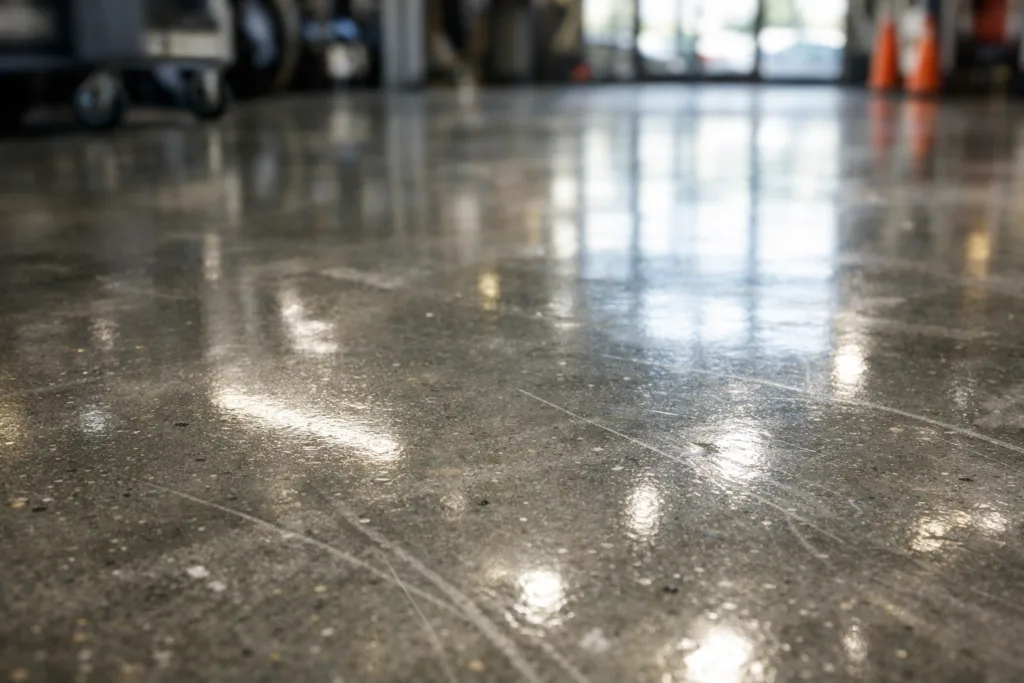
It’s smart to weigh the whole life cost, not just day-one pricing. Polyaspartics cut downtime after install, sometimes allowing same-day facility reopenings. Many building managers save thousands in lost use and reduced callbacks. Partnering with a trusted manufacturer, such as ZDSpoxy, ensures tailored advice, quality support, and reliable supply. Invest wisely—your floor and your business depend on it.
Frequently Asked Questions
What is the average polyaspartic coating cost per square meter?
The average installed polyaspartic coating cost typically ranges from $25 to $60 per square meter, depending on project specifics.
Why is polyaspartic coating more expensive than basic epoxy?
Polyaspartic coatings have higher-purity ingredients, faster cure speed, and better UV/chemical resistance, all of which raise the cost.
Can polyaspartic coatings be installed in cold or humid conditions?
Special polyaspartic chemistries are available for cold or humid sites, but these advanced products cost more than standard types.
How long does a polyaspartic floor last compared to epoxy or polyurethane?
A polyaspartic floor often lasts 8–15 years or longer in most conditions, outlasting standard epoxy under UV or chemical stress.
What impacts the coating’s cost besides material price?
Labor, site prep needs, space size, layout complexity, and additional features (like flakes) all significantly impact final cost.
Does ZDSpoxy offer project support for custom polyaspartic coatings?
Yes. ZDSpoxy offers custom chemistry, install support, technical data, and documentation to optimize cost and performance for your project.