
Introduction: The Urgent Need for Agricultural Flooring with Organic Acid Resistance
In modern food production, the performance demands on agricultural flooring, organic acid resistance, slaughterhouse floor systems have never been higher. Slaughterhouses operate in uniquely corrosive, high-traffic environments where floors must withstand constant exposure to organic acids from blood, fat, cleansers, and biological waste. Ordinary concrete or standard coatings often fail within months, threatening safety, hygiene, and regulatory compliance. The agricultural industry urgently requires flooring systems that combine mechanical toughness with authentic, documented organic acid resistance. This article explores technical risks, experimental durability data, and why advanced resin flooring from manufacturers like ZDSpoxy is transforming food facility durability and operational efficiency.
Understanding Slaughterhouse Floor Challenges
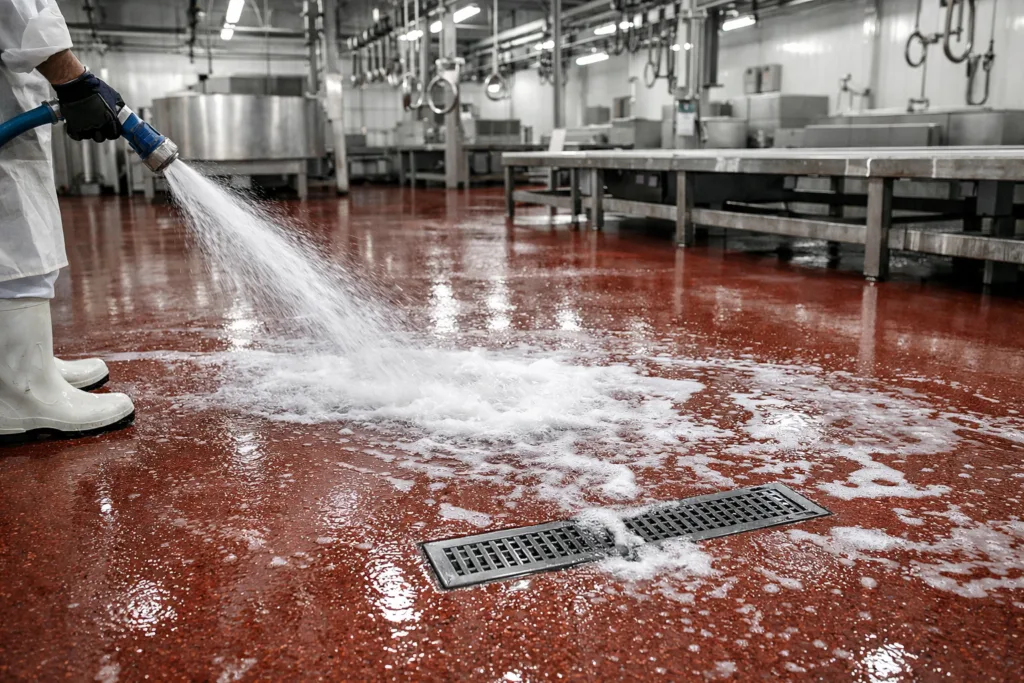
Slaughterhouse floors face relentless attacks from acidic by-products, temperature swings, moisture, and heavy equipment traffic. These facilities introduce unique stressors: daily washdowns at hot and cold temperatures, direct blood and fat contact, and aggressive chemical cleaning. Over time, this combination rapidly deteriorates concrete, soft coatings, or insufficiently protected floors—posing safety and contamination risks.
What Is Organic Acid Corrosion in Agricultural Flooring?
Organic acid corrosion refers to the gradual degradation of flooring by acids found naturally in animal fats, proteins, and cleaning by-products. In meat processing plants, lactic, acetic, and uric acids are especially prevalent. Unlike mineral acids, these organic acids often work more slowly but penetrate deeper, causing surface pitting, etching, or even deep cracks if not addressed.
The Science Behind Organic Acid Damage
When organic acids contact concrete, a chemical reaction dissolves the calcium compounds over time. This weakens the surface, leads to dusting, and creates absorption sites for contaminants—further accelerating damage and hampering cleaning. Effective chemical resistant resin flooring mitigates this process by forming a non-porous, crosslinked barrier that organic acids cannot penetrate.
Common Flooring Materials and Their Limitations
Standard choices such as concrete, tiles, or cheap seals were historically used in agricultural settings. However, these materials:
- Absorb moisture and acids, leading to rapid deterioration
- Offer limited slip resistance when wet, increasing accident risk
- Are difficult to clean, causing ongoing hygiene challenges
- Exhibit seam failure and maintenance headaches
Why Traditional Solutions Fail in Slaughterhouses
Classic concrete floors crack or spall when exposed to heat, freezer cycles, and acid attack. Even tiles or epoxy paints with poor acid resistance can fail within a year. Once floors are compromised, expensive downtime, contamination, and regulatory breach risks escalate.
Key Properties for Acid-Resistant Agricultural Flooring
Agricultural flooring designed for slaughterhouses must demonstrate:
- High crosslink density polymers for total chemical resistance
- Low porosity, seamless installation—no gaps or grout lines
- Thermal cycling tolerance and impact resistance
- Safe, slip-resistant surface finishes
- Compliant with HACCP and relevant food safety guidelines
Acid-Resistant Epoxy and Polyurethane: The Gold Standard
High-performance wear-resistant polyurethane resin flooring and advanced epoxy resin systems excel under these conditions. Their molecular structure prevents ingression of organic acids and resists mechanical wear—outperforming traditional systems in both laboratory and site-based testing.
Experimental Data: Organic Acid Resistance in Real Environments
Multiple third-party and in-house studies compare organic acid penetration rates and physical degradation for various coating technologies:
- Plain Concrete: Loses over 40% compressive strength after 30 days exposure to lactic acid (2%)
- Tile/Grout: Shows grout breakdown and under-tile contamination within 90 days
- Generic Epoxy: Visibly discolors and softens after 2-4 weeks of organic fat and acid exposure
- Acid-resistant Polyurethane (ZDSpoxy Formulation): Retains >99% mechanical strength and shows no measurable etching or swelling over the test period
Case Study: Slaughterhouse Floor Resilience with ZDSpoxy
One regional red meat processor experienced three costly floor replacements over five years due to recurring acid-induced failures. After switching to a ZDS-2802-PU Polyurethane Chemical Resistant Flooring, the site sustained five years of nearly maintenance-free operation, with floor integrity maintained throughout routine organic acid spill events and high-pressure cleaning cycles. Mechanical checks and site audits continue to confirm coating resilience.
Performance Table: Flooring Solutions for Organic Acid Resistance
| Floor Type | Organic Acid Resistance (1-5) | Slip Safety | Cleaning Ease | Typical Life (Years) |
|---|---|---|---|---|
| Uncoated Concrete | 1 (Poor) | 2 | 2 | 1–2 |
| Tiles/Grout | 2 | 3 | 2 | 3–5 |
| Standard Epoxy Coating | 3 | 3 | 3 | 4–7 |
| Acid-Resistant Polyurethane (ZDSpoxy) | 5 (Excellent) | 4 | 5 | 10+ |
Installation Best Practices: Ensuring Durability and Safety
For any resin system, substrate preparation is critical. Missed moisture checks, dust, or oil contamination all create weak points. ZDSpoxy’s application guides stress:
- Conducting moisture and contamination testing before priming
- Using compatible primers and sealers (never mismatched chemistries)
- Batch mixing by weight (not volume) for reactives, with thorough mechanical agitation
- Applying in controlled temperature and humidity ranges to ensure full cure
The Role of Flooring System Design in Compliance and Hygiene
Food regulatory authorities demand non-porous, seamless, and HACCP-compliant floors. These surfaces not only resist acids but prevent bacterial harborage. Slaughterhouses benefit from:
- Rounded coving details to eliminate floor-to-wall corners
- Integral slope for rapid drainage
- Floor marking for workflow control and contamination prevention
Comparison: Epoxy vs. Polyurethane for Slaughterhouse Floors
| Property | Acid-Resistant Epoxy | Acid-Resistant Polyurethane |
|---|---|---|
| Organic Acid Barrier | Very Good | Excellent |
| Impact Resistance | Good | Excellent |
| Thermal Shock | Moderate | Superior |
| Cure Speed | Standard | Fast (at site temperatures) |
| Cost | Lower | Moderate |
Choosing the Right System for Your Facility
Deciding factors include traffic density, cleaning regimen, temperature cycling, and anticipated acid loads. ZDSpoxy emphasizes balancing surface hardness with resilience; for high-impact or freezer environments, their polyurethane systems provide the ideal compromise between mechanical strength and chemical shielding.
Sustainability and Maintenance Efficiency
Modern resin systems last up to a decade or more, cut down downtime, and minimize VOC emissions. Their seamless, non-absorbent finish dramatically reduces cleaning times, meaning staff can sanitize faster and with less water or detergent waste.
Floor Safety: Slip Resistance and Color Coding
Acid resistance does not need to compromise grip. Industrial flooring can incorporate fine aggregates for slip-resistant, easy-to-clean textures. Color options allow workflow zoning or hygiene demarcation, supporting safety audits and visual management—and further reducing compliance risk.
Real-World Constraints: Working Time, Batch Size, and Pot Life
On busy sites, resin working times set the pace for application and project handover. Practical experience—seen in ZDSpoxy installations—shows strict adherence to batch size, mix time, and application windows is essential. Overextending pot life or ignoring air circulation can impact cure and lead to shrinkage or premature acid attack.
Long-Term Monitoring and Repairability
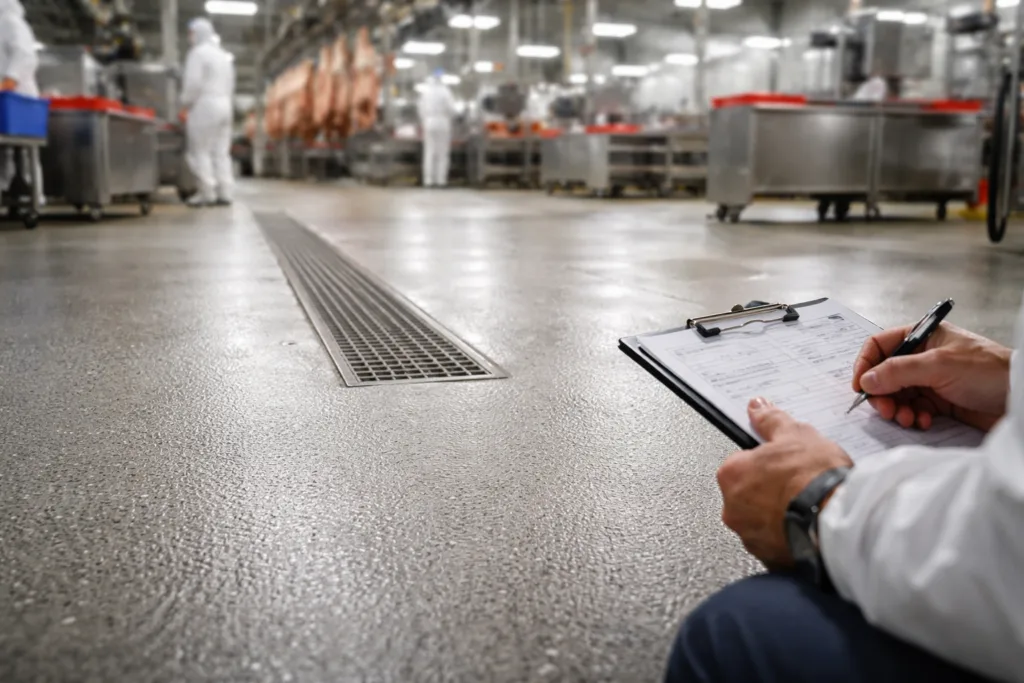
Leading systems allow for sectional re-coating, wear monitoring, and ongoing QC checks (like hardness/etch testing). This ensures any accidental or localized damage does not threaten overall hygiene or equipment uptime.
How HACCP and GMP Drive Flooring Choices
Beyond chemical resistance, slaughterhouse floors must demonstrate compliance with wide-ranging safety, cleaning, and environmental rules. Non-compliant floors may risk shutdowns or insurance penalty. Integrated flooring systems—epoxy or polyurethane—are the standard among globally certified sites.
Case Example: Polyurethane Mortar for Wet, Hot Processing Zones
In areas exposed to boiling washdowns, steam cleaning, or frequent blood/fat deposits, ZDSpoxy’s ZDS-2803 Antimicrobial Polyurethane Resin Flooring Mortar creates a chemical-resistant, easy-to-sanitize surface. Its antimicrobial properties add a further layer of food safety, reducing overall contamination risk in high-load sites.
Innovations in Acid-Resistant Flooring Technology
Ongoing developments target faster cure times, improved air release, and lower temperature installations—even in walk-in freezers or live operations. Laboratory recipes are routinely field-tested by ZDSpoxy for real-world cleanability, non-slip measures, and damage resistance, with continual adjustments based on customer feedback from slaughterhouse engineers and facility managers.
Key Takeaways for Specifiers and Plant Managers
- Organic acids present an ongoing, often underestimated risk to agricultural flooring
- Epoxy and polyurethane coatings offer documented, long-term acid resistance when designed right
- Compliance, cleaning, and repairability must shape your product and installer selection
- Hands-on application quality—not just material specs—determine lifecycle success
Frequently Asked Questions
What are organic acids, and why do they harm slaughterhouse floors?
Organic acids, such as lactic, acetic, and uric acid, originate from animal byproducts and cleaning chemicals. They attack porous flooring, causing weakening, surface etching, and deeper cracks—especially in concrete and poorly protected substrates.
How do epoxy and polyurethane floors resist acid damage?
Both materials create seamless, crosslinked barriers that block acid penetration, preventing chemical reactions with substrate surfaces and offering durable protection.
What laboratory tests determine organic acid resistance?
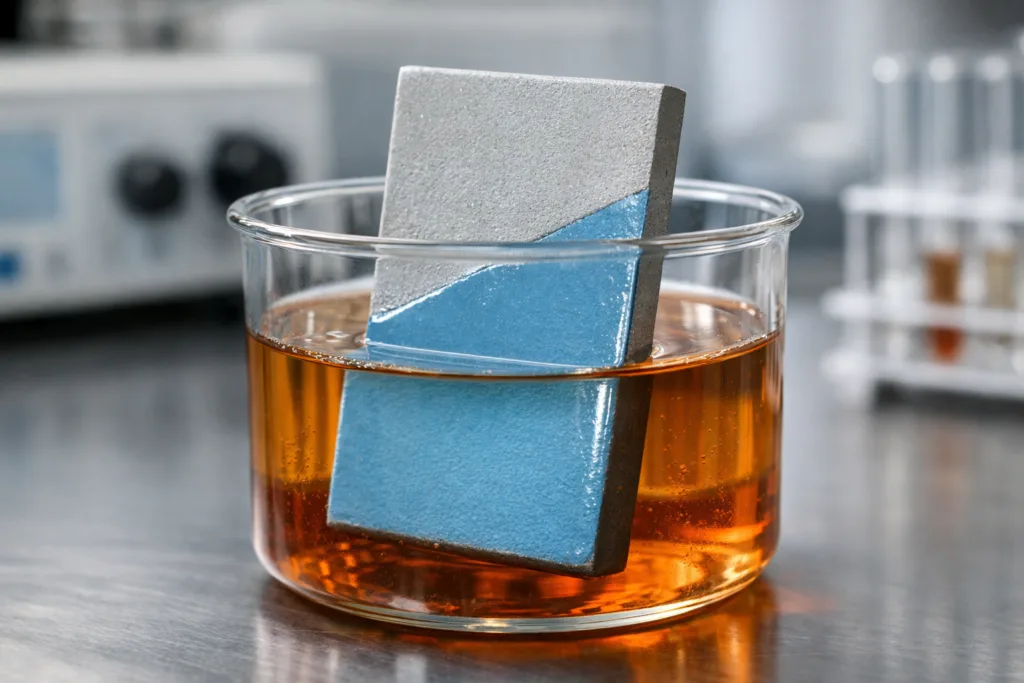
Tests include soaking coated panels in organic acid solutions, measuring etching, swelling, or color change, and compressive strength retention after exposure cycles. Only top-grade resins maintain full strength and integrity.
How long does a high-quality acid-resistant floor last in a slaughterhouse?
Properly installed resin floors can last 10 years or more, even under heavy traffic and daily cleaning, provided maintenance and application rules are followed.
Can damaged sections of acid-resistant flooring be repaired?
Yes. Modern resin flooring systems allow for area-specific recoating, with correct surface preparation ensuring long-term chemical and mechanical performance post-repair.
How does slip resistance fit with acid resistance in flooring design?
Slip-resistant aggregates or patterned textures are integrated into resin coatings, offering excellent grip and easy cleaning without compromising chemical shielding properties.