
Introduction: The Critical Role of Aircraft Hangar Flooring
Aircraft hangar flooring is more than just a surface to walk on—it’s a critical component for safe and efficient aviation maintenance. Hangar floors must withstand immense static and dynamic loads, frequent rolling from heavy aircraft, and, most challenging of all, chemical attacks from aviation fluids such as Skydrol. Meeting these strict demands requires advanced, high gloss epoxy systems engineered for high-performance and long-term durability. In this article, we’ll explore why epoxy flooring is the international standard for hangars, the science behind Skydrol-resistant floors, and how modern formulations from leading manufacturers like ZDSpoxy are redefining industrial flooring solutions for aviation environments.
Why High Gloss Epoxy is Essential for Modern Hangars
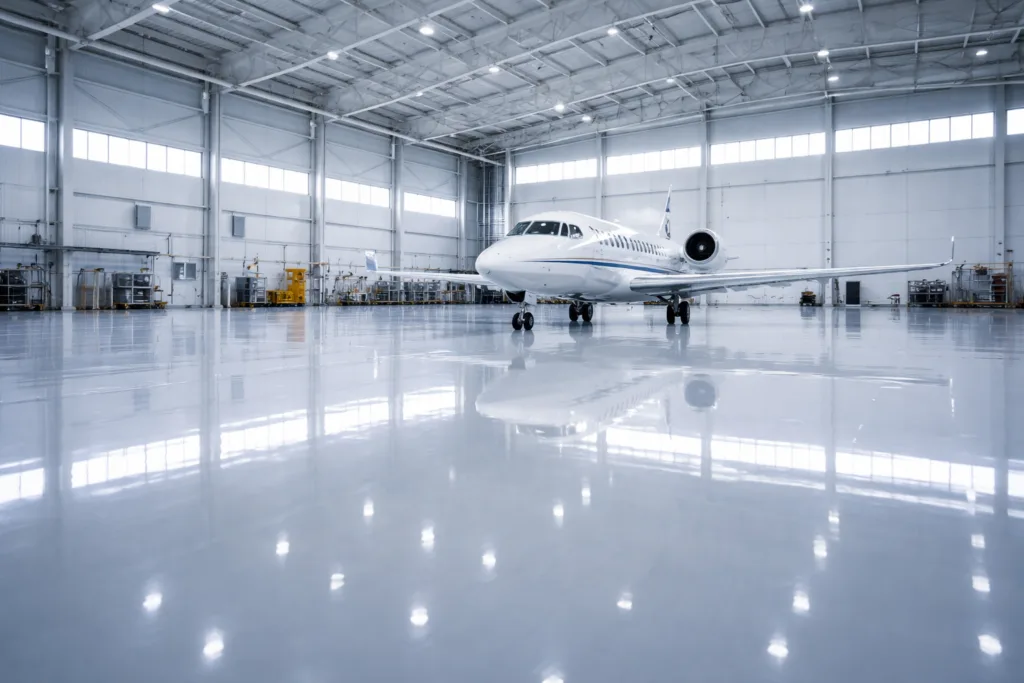
Epoxy is prized in aviation for its seamless surface and brilliant gloss, which not only enhance aesthetics but also enable faster cleaning and visual inspections. High gloss reflects overhead lighting, making foreign object detection easier and reducing maintenance risks. In a working hangar, these qualities directly translate to better safety and operational efficiency.
Hangar floors also serve as a canvas for line markings, zones, and safety demarcations; epoxy’s smooth finish keeps paint crisp and clear. Compared to concrete or tiled alternatives, epoxy coatings offer a non-porous, chemical-resistant barrier, ensuring lasting protection even under severe spill conditions. In summary, the combination of functional durability and clean, professional appearance justifies the investment in premium high-gloss coatings.
Understanding Skydrol: The Aviation Industry’s Ultimate Flooring Test
Skydrol is a phosphate ester-based hydraulic fluid widely used in aircraft systems. Its chemical makeup makes it resistant to oxidation and flammability—a must for aviation—but it’s infamously aggressive to most building materials, including concrete, rubbers, and many polymers. Prolonged exposure to Skydrol can lead to staining, softening, or complete breakdown of traditional floor coatings. That’s why aviation maintenance facilities require specialized, Skydrol-resistant epoxy formulations that don’t just survive, but maintain their performance characteristics over years of service.
Key Flooring Performance Requirements in Aviation Maintenance Spaces
Aviation hangar flooring faces some of the toughest real-world usage scenarios. Any qualifying resin system must demonstrate:
- Chemical durability: Surviving repeated Skydrol, jet fuel, oil, and cleaning agent exposure without discoloring or losing cohesion.
- Mechanical strength: Withstanding point-loading from landing gears and towed equipment.
- Abrasion resistance: Handling rolling traffic from maintenance lifts and tool carts.
- Gloss and reflectivity: Maintaining a smooth, dust-free surface for fast cleaning and superior light reflection.
- Anti-slip options: Preventing slip accidents, even when contaminated.
Not every resin formulation is up to the task—especially in regions with wide humidity or temperature swings, or where frequent maintenance and recoating are impractical. That’s why engineering the right blend of properties is non-negotiable for hangar applications.
Decoding Chemical Resistance: Why Skydrol is Different
While many industrial chemicals attack coatings through acidity or causticity, Skydrol’s phosphate ester chemistry seeks out and breaks down weaker bonds in resins and fillers. Over time, non-specialized floors blister, peel, or revert to sticky residues. Chemical resistance testing for aviation flooring doesn’t stop at short-term immersion; it covers prolonged exposure, heat cycles, and mechanical abrasion in the presence of Skydrol and other aviation chemicals.
How High Gloss Epoxy Coatings Combat Skydrol Exposure
Special epoxy systems built for aircraft hangar flooring are engineered with highly crosslinked polymers, which provide superior chemical barriers. Additives and fillers are carefully chosen so Skydrol cannot find weaknesses to exploit. These high gloss epoxy finishes seal out contaminants, resist staining, and retain a brilliant, reflective look, ensuring ongoing safety and compliance with aviation maintenance standards.
For facilities seeking even higher performance, advanced polyurethane or polyaspartic topcoats may be layered above the epoxy base, providing UV stability and even greater durability against sustained fluid contact. For more on highly chemical resistant options, see our chemical resistant resin flooring overview.
Comparing Epoxy, Polyurethane, and Polyaspartic Systems in Hangars
| Property | Epoxy | Polyurethane | Polyaspartic |
|---|---|---|---|
| Chemical resistance | High (Skydrol-resistant types) | Excellent (varies by system) | High |
| Gloss/Reflectivity | High | High | Very high |
| Flexibility | Moderate | High | Moderate to high |
| UV Stability | Moderate | High | Very high |
| Cure speed | Standard | Varies | Very fast |
For most hangars, a multi-layer epoxy system with either a high gloss clear or a pigmented topcoat provides the best all-around balance of performance and cost. Polyurethane and polyaspartic options are ideal as upgrade layers where rapid return-to-service or extreme weather resistance is required.
Real-World Skydrol Spill Case Studies: How Epoxy Floors Stand Up
Consider a midsize commercial hangar that experienced regular Skydrol drips below the hydraulic lines and actuators. With a standard concrete floor, deep etching and staining occurred within months, creating permanent eyesores and trip hazards. After applying a high gloss, Skydrol-resistant epoxy system, subsequent spills could be cleaned within minutes, with no visible damage or gloss loss—proving the value of investing in materials engineered for aviation’s specific needs.
Industry Standards and Compliance for Aircraft Hangar Floors
Globally, hangar floors are governed by airport authorities, FAA/EASA compliance, and insurance regulations. These bodies mandate VOC limits, slip resistance values, minimum compressive strength, and fire/chemical safety grading. Properly specified epoxy flooring not only meets these rules but adds value through easy maintenance and cost predictability during audits and repairs. Working with floor systems validated to international standards ensures no surprises during certification processes.
Common Challenges: Why Traditional Concrete and Tile Fail
Unsealed concrete, even if reinforced, is porous and weak against Skydrol. Tile systems offer slightly better chemical isolation but have grout lines and joints where fluids pool, eventually leading to bacteria harboring or substrate attack. When aircraft jacks or support stands shift, tiles crack easily, causing FOD (Foreign Object Debris) risks in high-stakes aviation zones. This is why most modern renovations or new builds choose high gloss epoxy or hybrid resin systems instead.
Proper Surface Preparation: The Most Critical Step
No epoxy system can overcome poor substrate preparation. Professional teams use shot blasting or diamond grinding to expose sound concrete, then inspect for remaining contamination or weak spots. All cracks or joints are sealed with compatible fillers, and a moisture-tolerant primer (such as ZDS-1012ab Epoxy Primer) is applied to maximize adhesion and longevity. Skipping these steps invites coating failures, especially in hangars where humidity and thermal expansion are daily realities.
Mixing and Application: Getting Epoxy Right the First Time
Consistency in mixing ratios, batch size, and application conditions is essential for resin performance. ZDSpoxy’s technical guidance stresses batch discipline—ensuring the correct blend of base and hardener, adjusting for ambient temperature, and verifying gel time on each batch. Air release techniques (such as spiked rolling) and proper curing periods ensure bubble-free, extra-dense surfaces, eliminating weak spots where chemicals might penetrate. For more tips, check the contractor’s guide to pot life and recoat windows.
Maintenance Protocols for Skydrol-Resistant Epoxy Flooring
While advanced epoxy systems resist most stains and chemical attack, simple daily maintenance makes a big difference. Best practice is to clean up Skydrol or fuel spills promptly—using compatible absorbents and neutral pH cleaning agents. Avoid harsh solvents or abrasive pads, which may reduce gloss over years of use. For line marking reapplication or touch-ups, ensure the topcoat has fully cured and is lightly abraded for best bond.
Gloss Retention: Keeping Hangar Floors Visibly Safe
A significant advantage of high gloss epoxy is visual clarity. Good floors keep their shine for years with minimal maintenance—a feature that allows for the instant spotting of fluid drips, tool drops, and FOD. This continual gloss makes inspections faster and supports flight safety. Over time, foot and wheel traffic will reduce gloss, but scheduled recoats can restore reflectivity without downtime for the entire floor.
Anti-Slip Measures Without Compromising Chemical Resistance
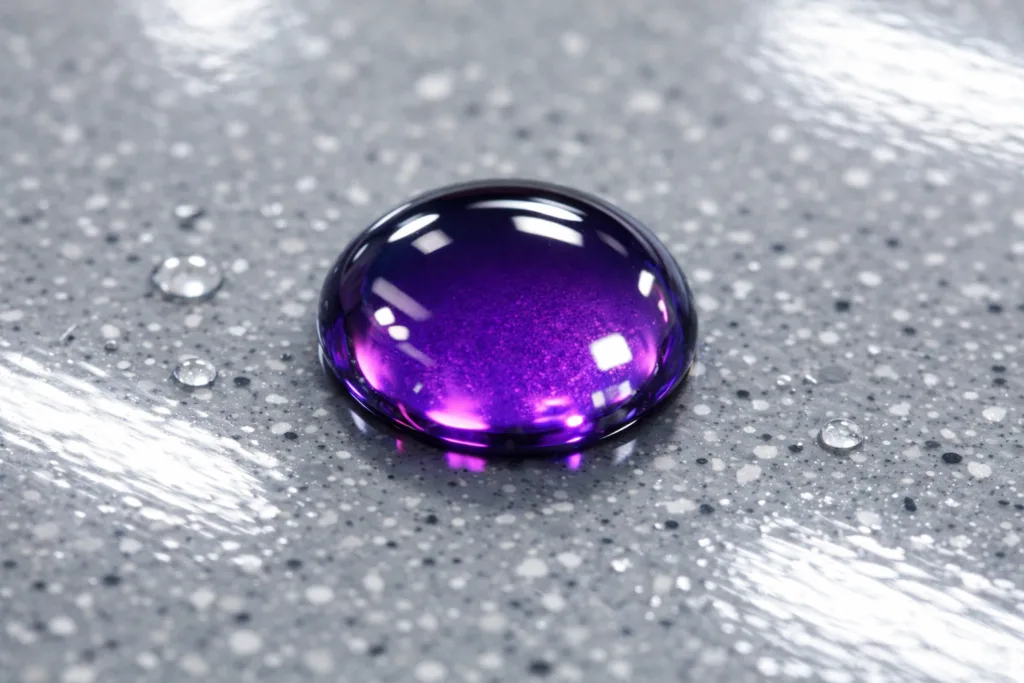
No hangar floor is complete without addressing anti-slip safety. For high-traffic or wet zones, fine silica or polymer grit can be broadcast onto the topcoat while it’s wet, increasing traction. Importantly, anti-slip textures must be compatible with chemical exposure—especially Skydrol—or they become sites for breakdown and eventual delamination. Selecting high-quality, resin-compatible aggregate is key for durability.
Resin System Design: Layering for Ultimate Durability
The most enduring hangar floors use a multilayer system: primer for adhesion, a self-leveling body coat for mechanical strength, and a high gloss epoxy or polyaspartic topcoat for chemical durability. Optional intermediate coats may include color, decorative effects, or additional chemical barriers. This approach maximizes both performance and ease of maintenance, as only the top layer may need recoating after years of service.
ZDSpoxy Lab Insights: Developing Next-Generation Skydrol-Resistant Systems
From a manufacturing standpoint, ZDSpoxy’s team has found that the key to Skydrol resistance lies in tightly controlled crosslink density, high-purity fillers, and rigorous batch-to-batch quality testing. On the plant floor, we routinely immersion-test panel samples in fresh Skydrol at elevated temperatures, then check for mass loss, color changes, or gloss reduction. Our data is used to refine each formula, ensuring real-world consistency—not just lab results. This underpins long-term confidence for both contractors and end users.
Designing Hangar Floors for Longevity: Minimizing Maintenance Downtime
Durability equals lower operating costs. With a properly selected and installed Skydrol-resistant epoxy system, annual maintenance interruptions are minimized since the surface rarely requires more than buffing or light spot repairs. Facilities can schedule reapplications for off-peak times, protecting uptime and budget. Even heavy rolling loads and mechanical impacts are absorbed without visible damage when the right underlayers and topcoats are combined.
Integrating Decorative Finishes: Combining Function and Visual Appeal
Modern epoxy flooring isn’t purely about performance—aviation clients increasingly request custom colors, corporate branding, or metallic effects in their hangar floors. Advanced pigment and flake systems can be used under transparent high gloss epoxies, combining standout aesthetics with full chemical protection. It’s now possible to create visually stunning, yet high-functioning, flooring without compromise.
Environmental and Safety Considerations
Aviation facilities must consider not only performance but also environmental and workplace safety factors. Low-VOC and solvent-free Skydrol-resistant epoxy options are available for projects under tight air quality regulations. ZDSpoxy’s technical sheets report VOC compliance and safe application guidance—important for both worker health and regulatory audits.
Specifying Epoxy Systems for New-Build vs. Hangar Refurbishments
For new build hangars, flooring can be designed from the concrete up, with vapor barriers and resin systems matched to expected chemical load. Refurbishments are trickier—requiring thorough substrate analysis and compatible primers to bridge to aged subfloors. Epoxy’s self-leveling property helps correct minor slab defects, restoring both function and appearance quickly.
Cost Breakdown: Investing in Performance and Long-Term Savings
While premium, Skydrol-resistant flooring is a greater upfront investment than simpler options, the long-term savings on repairs, cleaning, and safety incidents are substantial. Reliable high gloss systems extend floor life beyond a decade, supporting safety, compliance, and operational efficiency and even improving the facility’s overall image with visitors and inspectors.
Future Trends in Aviation Flooring Solutions
Looking ahead, hybrid resin technology—combining the best of epoxy, polyurethane, and polyaspartic chemistry—is becoming more common in international aviation settings. Automation of application, digital gloss monitoring, and smart sensors for spill alerts are also beginning to make their way into hangar projects, raising the standards for both safety and asset protection.
Conclusion: The Smart Choice for Aircraft Hangar Flooring
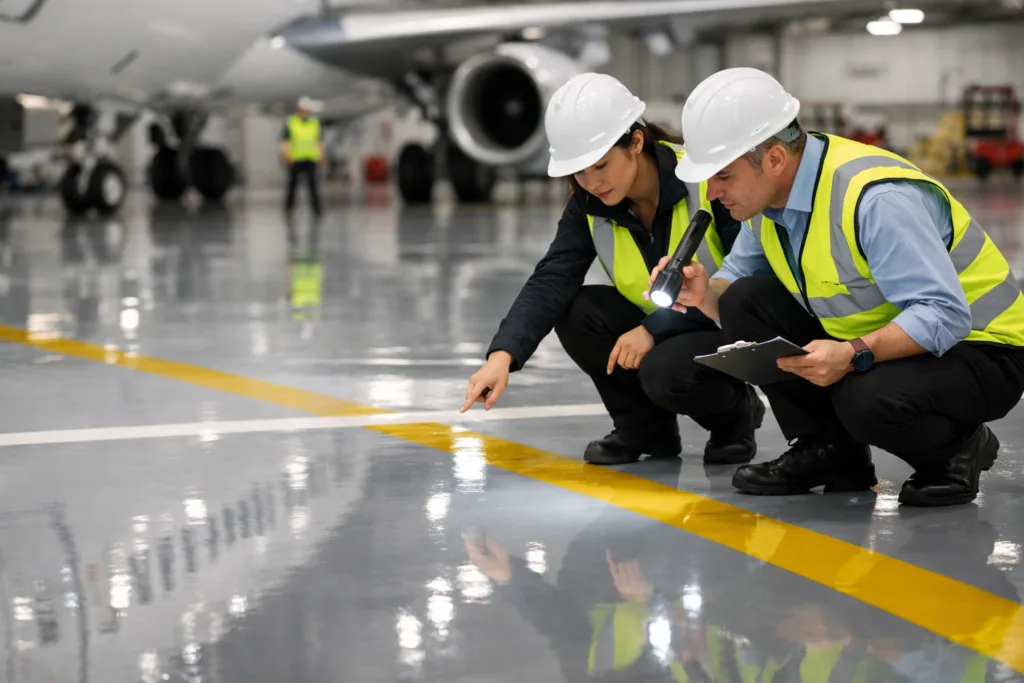
Modern aircraft hangar operations depend on surfaces that deliver both exceptional durability and reliable Skydrol resistance. High gloss epoxy coatings, especially those engineered for aviation by manufacturers with real lab and site experience, protect investments, people, and assets under the world’s most demanding conditions. With thorough preparation, specialist topcoats, and a focus on ongoing maintenance, aviation facilities can enjoy decades of safe, high-performance floors that meet global standards and withstand even the toughest chemical challenges.
Frequently Asked Questions
What makes Skydrol such a challenge for hangar floors?
Skydrol is a phosphate ester hydraulic fluid that aggressively attacks many conventional coating materials, causing staining and breakdown unless a system is specifically engineered for resistance.
How often does high gloss epoxy hangar flooring need to be recoated?
With proper installation and maintenance, recoating is typically needed only every 5–10 years, unless heavy damage or major surface abrasion occurs.
Can anti-slip finishes be used with Skydrol-resistant epoxy?
Yes, but it’s crucial to use resin-compatible aggregates that won’t degrade when exposed to Skydrol or frequent cleaning chemicals.
Are there VOC-free options for aircraft hangar floor coatings?
Absolutely. Many manufacturers, including ZDSpoxy, offer low-VOC and solvent-free high gloss epoxy systems suitable for strict air quality requirements.
Is epoxy or polyurethane better for aviation hangar flooring?
Epoxy provides the best all-around performance, but polyurethane or polyaspartic topcoats can enhance chemical and UV resistance for specialized needs.
How important is surface prep before applying epoxy in hangars?
It’s the most critical step—thorough cleaning, crack filling, and priming are essential to achieve the chemical resistance and longevity required in these environments.
Related Reading
- Long-Term Clarity with UV Resistant Marine Epoxy: Is It Achievable?
- Maximize Floor Lifespan in Agriculture: Organic Acid Resistance Explained
- Designer Options for Decorative Resin Flooring in Industrial Settings
- 15 Smart Ways to Prevent Epoxy Floor Yellowing & Achieve UV Stability
- Matte vs Gloss Floor Coatings: 7 Essential Tips for Your Renovation Decision