
Introduction: Why Anchor Bolt Isolation Matters in High-Vibration Machinery
Reliable operation of high-vibration machinery in industrial environments hinges on the stability and performance of every fastening component—especially anchor bolts. Anchor bolt isolation isn’t just a detail: it’s a foundation for vibration mitigation, equipment longevity, and workplace safety. Uncontrolled vibration can lead to bolt fatigue, nuisance noise, machinery misalignment, and catastrophic equipment failure. As industries press for higher output and machine power, incorporating robust anchor bolt isolation techniques is more critical and nuanced than ever.
Understanding Anchor Bolt Isolation: The Fundamentals
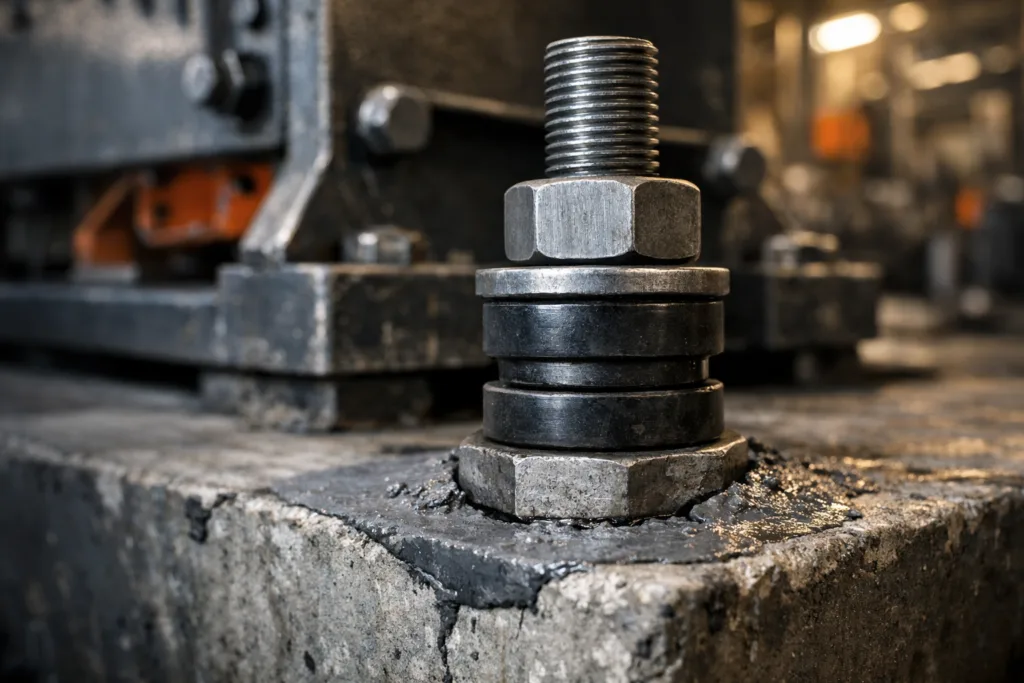
Anchor bolt isolation involves separating the bolt from direct vibration pathways into the equipment foundation. The goal is minimizing vibration transmission not only to protect bolts but also to extend the performance lifespan of the connected machinery. High-vibration machinery—such as crushers, reciprocating compressors, forging presses, and turbines—typically requires enhanced solutions due to severe operational loads.
The Science of Vibration Mitigation in Industrial Equipment
When machines operate, energy propagates in all directions, often concentrating at connection points like anchor bolts. Vibration mitigation encompasses methods and materials that break, absorb, redirect, or isolate these pathways, from the machine base all the way into the substrate. A proper isolation approach factors in vibration frequency, amplitude, resonance behavior, and the physical properties of both anchor bolts and foundation material.
Common High-Vibration Machinery: Risk Profiles and Isolation Needs
Several equipment categories particularly demand advanced anchor bolt isolation:
- Crushers (mining, aggregate)
- Reciprocating compressors
- Large centrifugal pumps
- Turbines and high-speed fans
- Forging presses and stamping equipment
Each application blends its own vibration profile—frequency, direction, and duration—which influences the most suitable anchoring and isolation method.
Core Anchor Bolt Isolation Techniques
Industrial teams deploy several proven anchor bolt isolation methods for vibration mitigation:
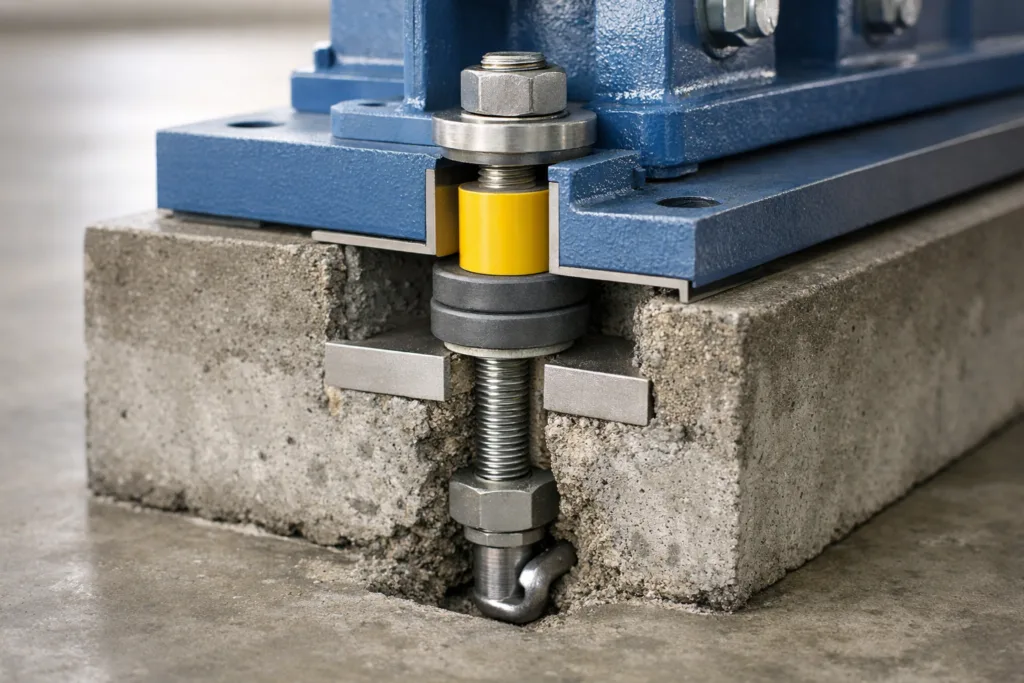
- Resilient Washers and Bushings: Placing elastomeric or polymer washers/bushings between the bolt, machinery base, and concrete slows vibration transmission.
- Double-Nut Isolation: Using two nuts with a resilient material sandwiched between increases vibration damping and prevents bolt loosening.
- Isolation Sleeves: Non-metallic sleeves (usually PTFE, polyurethane, or similar) completely surround the bolt shaft inside the foundation, physically decoupling it from direct vibration flow.
- Precision Bolt Tensioning: Proper torqueing, stretch measurements, and load monitoring ensure bolts act as intended—neither under- nor over-stressed, both of which amplify vibration issues.
- Advanced Isolation Systems: Custom-engineered bases and vibration pads (elastomeric, spring, or pneumatic) can isolate the entire machine—one study approach that works for new installations.
Role of Epoxy Grouts in Anchor Bolt Isolation
Epoxy grouts have revolutionized anchor bolt performance in vibration-prone environments. High-compressive strength and controlled flowability allow precision encapsulation of anchor bolts, minimizing voids and maximizing bond. For example, Heavy Machinery Epoxy Grout ensures bolts remain solidly set while still allowing integration of sleeves or resilient elements. Compared to traditional cementitious grouts, advanced epoxies resist chemical attack, maintain structural performance at thinner bondlines, and withstand aggressive vibration cycles—making them indispensable in modern isolation strategies.
Design Considerations: Choosing the Right Isolation System
Good anchor bolt isolation begins at the design phase. Factors to consider include:
- Dynamic load calculations
- Expected vibration spectrum (frequency and amplitude)
- Foundation substrate conditions (humidity, oil exposure, temperature extremes)
- Planned equipment maintenance intervals
ZDSpoxy projects have shown that blending high compressive strength with low exotherm and flowable grout aids reliable machine startup even in aggressive thermal and vibrating environments. Consistent mixing and application discipline also play a major role in long-term vibration management.
Step-by-Step Guide: Installing Isolated Anchor Bolts
Precision during anchor bolt installation is pivotal. Here’s an overview of best practices:
- Mark foundation hole locations per manufacturer’s baseplate template
- Drill to recommended depth, ensuring cleanliness and rough sidewall for bond
- Install non-metallic sleeves and bushings (if required) as per isolation design
- Position anchor bolt, securing in place with templates or temporary jigs
- Pour or inject ZDS-1410AB High Compressive Epoxy Grout or equivalent into the cavity as specified
- Observe pot life and gel time to ensure safe handling and optimal curing
- Once set, torque bolts in sequence using calibrated tools and follow up with final tension check after 24–48 hours
Resilient Materials for Isolation: Types and Selection
The choice of resilient material depends on isolation performance requirements. Common options include:
- Neoprene: General vibration control, moderate chemical resistance
- Polyurethane: High wear and repeated compressive loads
- PTFE (Teflon): For chemical exposure and low friction needs
Site-specific constraints, such as exposure to oil or extreme temperatures, should guide final material selections.
Adjusting Bolt Tension for Optimal Isolation
Both under- and over-tightened bolts can compromise isolation performance and structural safety. A calibrated torque wrench, verified tension values, and proper documentation of results are mandatory for critical anchor bolt installations. Many modern plants also specify smart bolting systems or tension-monitoring washers to provide ongoing vibration mitigation data.
Advanced Systems: Spring and Pneumatic Isolation Approaches
For machinery experiencing the highest vibration loads, entire foundation isolation is sometimes necessary. Spring elements or air-cushioned pads installed beneath the baseplate decouple the machine and anchor bolts from the slab, drastically reducing vibration transmission even at harmonic frequencies. Combine with resilient bushings for maximum benefit.
Epoxy Coating on Anchor Bolts: An Added Layer of Protection
Applying a thin, controlled epoxy coating system on exposed anchor bolts increases corrosion and chemical protection and can provide minor isolation benefits, particularly in marine or chemical plants. The right epoxy system is selected to avoid excessive build (which could affect clamping) and ensure adhesion under high stress.
Machine Baseplate Isolation: Techniques and Materials
Baseplate design is crucial for ensuring that isolation methods actually protect anchor bolts. Slots or pockets are often engineered into the plate to house resilient mounts or bushings. Selecting the right foundation grout to minimize shrinkage and ensure full contact is essential for base stability.
Case Study: Vibration Mitigation in a Crusher Installation
One aggregate facility faced recurring issues with loose anchor bolts and excessive vibration on a primary jaw crusher. By combining polyurethane sleeves, correct bolt torqueing, and high-compressive epoxy grout, repair intervals were extended from monthly to annual, downtime fell by 80%, and noise was significantly reduced. This case illustrates how integrating multiple isolation techniques delivers reliable, long-term performance.
Role of Grouting in Anchor Bolt Performance and Isolation
Proper grouting fills all voids around anchor bolts, securing them against micro-movement and facilitating true load transfer. Both epoxy and cementitious grout types are used, but only epoxies tolerate the aggressive shock and fatigue found in today’s heavy industry. ZDSpoxy field tests have documented reductions in bolt head vibration and root mean square (RMS) displacement when switching to advanced epoxy formulations.
Inspection and Maintenance: Sustaining Isolation Integrity
Regular inspection routines check for signs of grout cracking, sleeve wear, bushing compression set, and bolt looseness. Laser displacement sensors and vibration meters increasingly guide predictive maintenance, ensuring that vibration issues are caught and corrected before causing machine downtime or failures.
Safety and Compliance in Anchor Bolt Isolation
All anchor bolt isolation installations should comply with relevant building codes and industry standards, such as ASME, ISO, and API 686. Good documentation and traceable QA ensure proper techniques are used, especially when isolators might affect ground bonding or earthing schemes in hazardous locations.
Comparative Table: Isolation Methods for Anchor Bolts
| Isolation Method | Vibration Reduction | Cost | Typical Usage |
|---|---|---|---|
| Resilient Washers/Bushings | Moderate | Low | General machinery |
| Double-Nut Isolation | Low-Moderate | Low | Maintenance upgrades |
| Isolation Sleeves | High | Moderate | Compressors, crushers |
| Spring or Pneumatic Systems | Very High | High | Forging presses, dynamic machines |
| Epoxy Grout Encapsulation | High | Moderate | All heavy machinery |
Integration with Equipment Foundations: Holistic Vibration Mitigation
The most effective isolation is part of a complete vibration control system—including machine feet, foundation grout, baseplate isolation, and anchor bolt techniques. Neglecting one element can lead to vibration bypassing the others, limiting the effectiveness of even the best isolators.
Technician Training: Ensuring Isolation System Success
Proper technician training in anchor bolt installation and maintenance increases the likelihood of long-term isolation performance. Detailed pre-startup checklists and practical lessons from manufacturers like ZDSpoxy enhance awareness of installation pitfalls and reinforce correct procedures on demanding job sites.
Challenges: Common Pitfalls with Anchor Bolt Isolation
Frequent causes of isolation failures include improper bushing placement, deviation from design torque, using the wrong grout for substrate moisture conditions, and cross-contamination with oils/grease before grout placement. Pre-job planning, compatible material selection, and careful QC follow-through prevent most isolation breakdowns.
Best Practices Checklist for Anchor Bolt Isolation
- Use foundation templates for precise bolt placement
- Apply only clean, dry, uncontaminated bolts and sleeves
- Ensure complete encapsulation of bolts with flowable grout such as ZDS-3382AB Grey Low Viscosity Epoxy Grout
- Torque bolts following manufacturer recommendations and verify with a calibrated tool
- Inspect isolators periodically for wear, compression, or chemical attack
Innovations: Smart Anchoring and Remote Condition Monitoring
Digital torque verification, remote vibration monitoring, and RFID tracking of anchor bolt installations now support asset management in high-reliability industrial operations. This enables predictive maintenance and further reduces risk from unseen isolation failures.
Environmental Factors Affecting Anchor Bolt Isolation
Wet foundation concrete, fluctuating temperatures, and chemical exposure directly affect isolation durability. Use of solvent-free epoxies and moisture-tolerant primers is vital when grouting in challenging conditions, as they prevent loss of bond or unplanned curing reactions.
Future Trends: Toward Total Vibration Control
With machinery running faster and heavier, anchor bolt isolation will advance alongside machine learning diagnostics, integrated vibration dampers, and new polymer blends for sleeves and bushings. Designs will increasingly feature tunable systems tied to condition monitoring dashboards, minimizing operator intervention and boosting reliability.
Conclusion: Building a Legacy of Reliability with Anchor Bolt Isolation
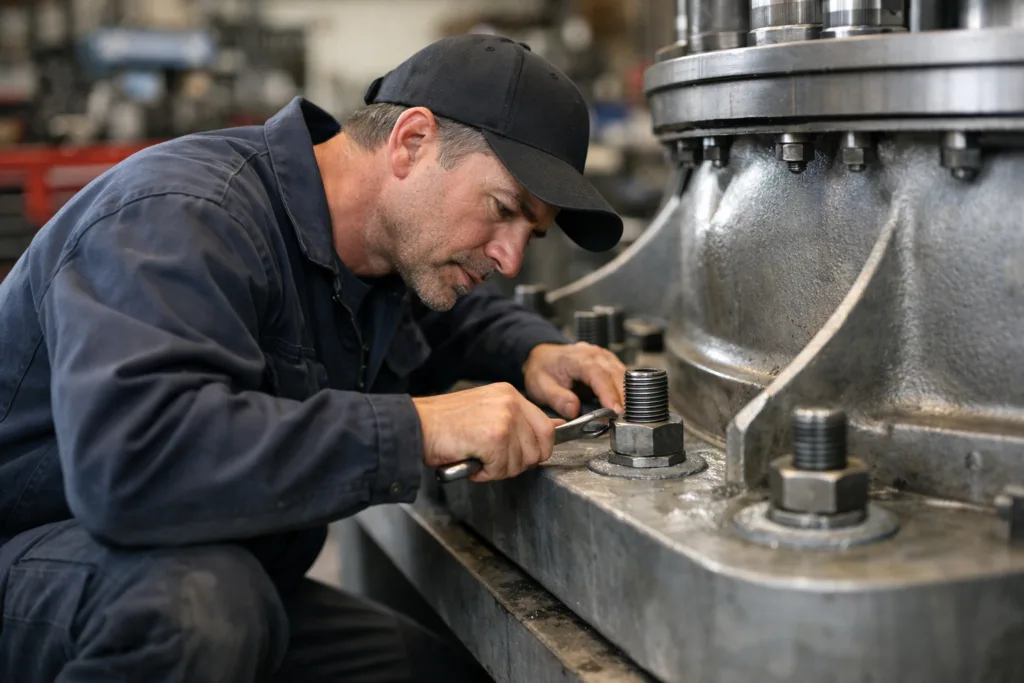
Implementing robust anchor bolt isolation techniques is proven to increase machine lifespan, reduce unscheduled shutdowns, and safeguard worker safety—all while keeping noise and vibration within compliance standards. The difference between chronic headaches and years of stability is often found in the details of how anchor bolts are isolated, grouted, and maintained.
Frequently Asked Questions
What is the main purpose of anchor bolt isolation?
The main goal is to reduce vibration transmission, protect bolts from fatigue, and improve overall machinery performance and safety.
Which machines benefit most from anchor bolt isolation?
High-vibration machines like crushers, compressors, turbines, and forging presses see the greatest improvements.
Are epoxy grouts better than cementitious grouts for vibration?
Yes, epoxy grouts provide stronger bonds, better vibration resistance, and longer service life in harsh environments.
How often should isolated anchor bolts be inspected?
Inspections should occur during routine maintenance cycles—typically every 6 to 12 months or after any major event or shutdown.
Can existing anchor bolts be retrofitted for isolation?
Yes, isolation bushings, sleeves, and re-grouting can often improve vibration control in retrofit applications.
Does improper torqueing affect vibration isolation?
Absolutely. Undershooting or overshooting recommended torque values can decrease isolation effectiveness and lead to failures.
Related Reading
- 5 Vibration Challenges in Reciprocating Compressors—and Industrial Grouting Solutions
- 9 Proven Pump Base Grouting Methods You Can Use to End Foundation Failures
- API 686 Grouting: Essential Compliance for Safe, Reliable Equipment Installations
- Discover the Top Industrial Epoxy Grout Applications that Boost Machinery Performance
- How Epoxy Concrete Repair Prevents Foundation Problems in Factories