
Introduction: Why Slow Cure Epoxy Is a Game-Changer for Marine Work
In the demanding world of marine construction, repair, and composite laminating, choosing the right epoxy system can make or break your final results. While fast cure epoxies offer speed, the best slow cure epoxy brings critical performance advantages when working on large surfaces, structural fiberglass, or in colder conditions. This article explores exactly when and why slow cure epoxy beats the quick-setting alternatives — revealing the technical parameters you need to get repeatable, bubble-free, and high-strength results every time.
Understanding Slow Cure Epoxy: Benefits for Boatyards and Beyond
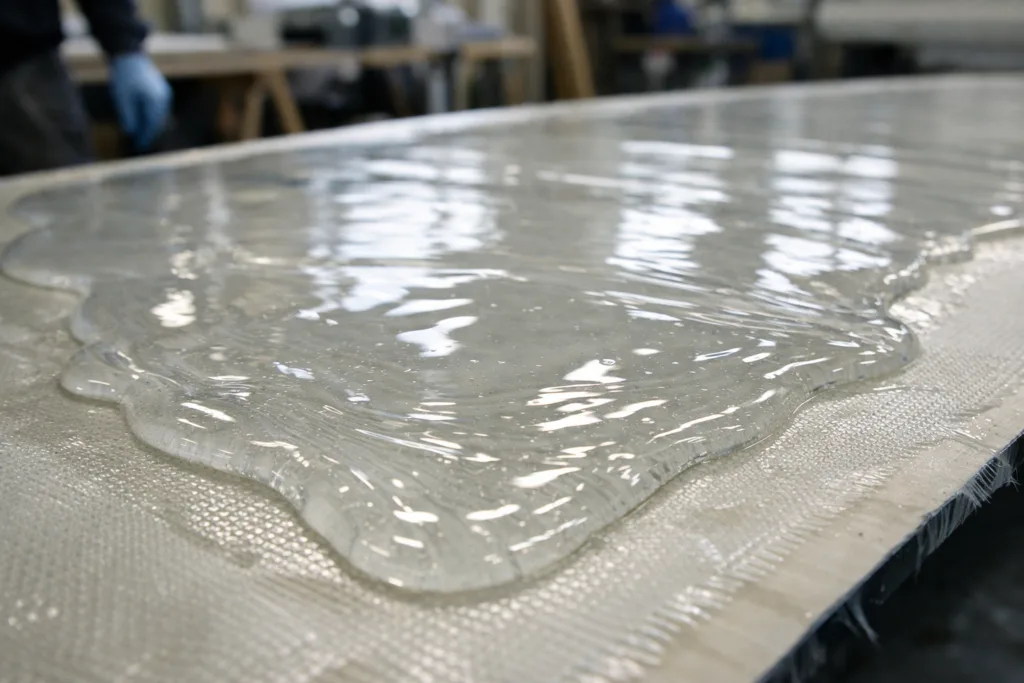
Slow cure epoxy is formulated with a controlled hardener system, designed to delay the chemical cross-linking so the pot life (usable time) is significantly extended. For boatyards, laminators, and DIY repair enthusiasts, this means more time for careful application, deeper substrate wet-out, and much lower risk of heat-related failures or bubble formation. The Marine Epoxy Resin Manufacturer pillar resource outlines several formulations dedicated to marine performance. But how do these features work together in field applications?
When Slow Cure Epoxy Outperforms Fast Set: Four Critical Advantages
1. Lower Exotherm (Heat Build-Up)
Unlike fast cure systems that generate significant heat during curing, slow cure epoxy maintains a low exotherm profile. Larger batch sizes or thick pours release heat slower, helping prevent warping, foam, or cracking in mass laminations. This is especially important for large fiberglass hulls, bulkheads, and mass timber laminations where thermal control can mean the difference between a smooth cure and expensive rework.
2. Longer Pot Life for Complex Applications
With a longer pot life—sometimes exceeding 45-90 minutes in 25°C conditions—slow cure epoxy delivers ample working time. This is essential for full-surface fiberglass layups, multi-step vacuum bagging, or large area wood sealing. Users can focus on quality wet-out, careful roller application, and minimizing voids or resin starvation. The guide on pot life vs working time is a helpful reference when planning batch sizes and layer thickness.
3. Better Fiber Wet-Out & Bubbles Prevention
Resin that cures slowly remains at a lower viscosity for longer. This dramatically enhances fiberglass and fabric wet-out, allowing the epoxy to penetrate reinforcement layers down to each filament. It also gives trapped air or bubbles enough time to rise and escape—meaning stronger, lighter, and clearer laminates. Fast-setting products often trap air, leading to cloudy layers or structural weakness.
4. Reliable Cure in Cold Weather
Chilly boatyards or winter repair sheds pose a unique challenge: epoxies meant for rapid cure may never fully set, leading to sticky or partial cures. Dedicated slow cure systems are engineered with accelerators or flexible amine blends that allow steady curing at temperatures as low as 5°C (41°F). Cold-weather systems maintain a manageable pot life without sacrificing cross-link density or final mechanical properties. For more about temperature effects, see the article How Temperature Affects Marine Epoxy Cure.
Key Performance Criteria for Choosing the Best Slow Cure Epoxy
Not all slow cure epoxies are created equal. To select for your project’s conditions, compare the following:
- Pot life / Working time: Longer is safer for large mixes, warm weather, or where intricate work is needed (typically 45–120 minutes at 25°C).
- Gel time: Corresponds to initial set; a slow gel enables excellent open time for embedding or repositioning reinforcements.
- Exotherm peak temperature: Lower is better for large pours; check technical datasheets for max safe pour thickness or batch mass ratings.
- Viscosity: Lower viscosity during the entire work window ensures superior fabric penetration—crucial for marine and composite use.
- Mixing ratio (by weight/volume): Consistent ratios mean predictable cure times, minimizing risk of amine blush or tackiness.
- Tolerance to temperature swings: Formulations proven for cold-weather application or high ambient setups.
The Science: Pot Life, Mixing Amount, and Exotherm in Epoxy Systems
What is Pot Life?
Pot life is the time you have to use the mixed epoxy before it starts to gel—in other words, your window for clean application. For slow cure epoxies, this can range widely (from 45 minutes up to several hours), allowing safe batch management in real workshops.
How Does Mixing Amount Affect Exotherm?
Mixing more epoxy in one bucket results in higher internal temperature: exotherm rises with batch size. Fast cure epoxies can ‘flash’ and even smoke or foam up if poured too thick. Slow cure formulas postpone this heat build, so you can safely mix and pour larger quantities without risk. Always consult product safety data for the max recommended batch size or pour thickness.
| Mix Size (g) | Pot Life (min, 25°C) | Peak Temp (°C) |
|---|---|---|
| 100 g | 120 | 35 |
| 300 g | 70 | 65 |
| 1000 g | 35 | 98 |
Why Low Exotherm Matters for Marine Work
Epoxy with low exotherm reduces stress on substrates, improves bond line integrity, and minimizes the risk of voids or ‘hot spots’ which can cause delamination. This property is especially vital for marine hull lamination, deck repairs, and large bulkhead reinforcements, where thermal shock can reduce long-term durability.
Slow Cure Epoxy for Boats: Applications and User Scenarios
Laminating Large Surfaces and Hulls
For new builds or repairs where glass fiber cloth, core foam, or timber is being installed over large marine surfaces, slow cure systems give craftsmen the time needed to ensure even resin distribution. There’s less panic and more attention to detail, resulting in fewer defects.
Fiberglass Layering and Infusion
Slow cure allows multilayer composite stacking and vacuum bagging. Multiple layers can be placed wet-on-wet without rushing, and the system’s low viscosity ensures every fiber is saturated. This increases laminate transparency and reduces waste.
Structural Repairs and Filler Work
When filling rot in transoms or bonding reinforcement blocks in cold weather, slow cure products perform reliably. Use them for major keel, joint, or bulkhead rebuilds for peace of mind—especially where thick sections or extended repositioning time is critical.
Epoxy Pot Life Long Enough? Decision Guide
Consider these key questions before choosing:
- How large is the repair or lamination area?
- Do temperature or humidity swings affect cure schedule?
- Are you working alone or with a crew?
- How much time do you need for careful wet-out and positioning?
- Is minimizing exotherm critical for your substrate?
Slow cure systems give safety margins for all these conditions and minimize waste caused by rushed application. For wooden restoration or fine detail, try a product like ZDS-2060AB, which balances long pot life and shallow exotherm for wood repairs on site.
Cold Weather Epoxy Cure: Smart Strategies for Reliable Results
Marine projects can’t always pause for winter. Fortunately, advanced slow cure epoxy blends are optimized for cold temperatures without sacrificing performance. For successful results:
- Store resin and hardener indoors (15–25°C) before mixing—never use freezing cold epoxy straight from storage.
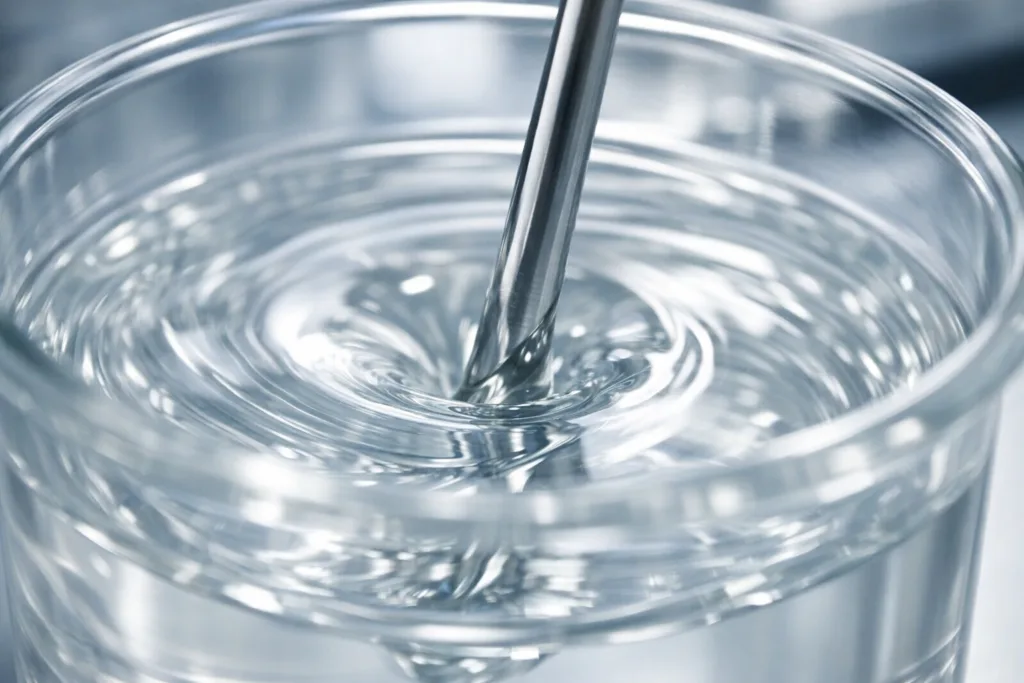
- Mix thoroughly, scraping sides and bottom to ensure uniformity.
- Warm your workspace using safe heaters (never open flame).
- Allow extra cure time—for example, a 24-hour full cure at 25°C might extend to 48–72 hours at 10°C.
- Choose epoxies with flexible blend hardeners engineered for low temperature setups.
ZDSpoxy’s team routinely tests and documents cold-weather curing to validate results in real dockyard scenarios. Adjustments such as batch size or hardener ratio protect performance when winter brings unexpected chills.
Slow Cure Epoxy for Fiberglass Laminating: Must-Know Best Practices
To achieve crystal-clear, void-free fiberglass laminations:
- Choose a system with proven low initial viscosity and slow gel time.
- Apply with rollers or wet brushes, working in manageable zones for best penetration.
- Eliminate all visible air pockets before overlaying the next fabric layer.
- Allow each coat to reach ‘tack stage’ (no fingerprint but slightly sticky) before adding additional glass or core materials.
- Post-cure at elevated temperature (per datasheet) for ultimate physical properties and clarity.
Low Exotherm Epoxy Systems: When and Why to Specify Them
Low exotherm is especially important for:
- Deep pours (thicker than 10mm)
- Pocket fills or bulkhead grouting
- Insulated core bonding
- Structural fairing or composite repairs
ZDSpoxy engineers tailor exotherm profiles to customer needs, balancing cure speed, strength, and application technique for every job—whether pedal-to-the-metal for speed on small repairs, or slow-and-steady for industrial hulls or decks.
Comparing Slow Cure vs. Fast Cure Epoxy: A Practical Table
| Feature | Slow Cure Epoxy | Fast Cure Epoxy |
|---|---|---|
| Pot Life (25°C, 100g) | 60–120 min | 5–30 min |
| Exotherm Risk | Low | High |
| Laminating Area | Large | Small |
| Cold Cure Feasible | Yes | Tricky |
| Bubble Risk | Low | High |
| Mass Pour Compatible | Yes | No |
| Rapid Repairs | No | Yes |
ZDSpoxy’s Slow Cure Epoxy Solutions: Custom Blends for Demanding Applications
In R&D-focused factories like ZDSpoxy, slow cure marine epoxy is not one-size-fits-all. The company customizes blend ratios and viscosity profiles to match project constraints: formulating high pot life, low exotherm solutions down to -5°C application limits, or specialized systems for wet layup where maximum fabric penetration is required. Batch consistency, well-documented shelf-life, and process discipline underpin every ZDSpoxy batch produced.
Is Slow Cure Always Better? Situational Choices
While slow cure epoxy performs best for mass laminating and when working in cold, it’s not the ideal choice for every job. For quick-fix surface repairs, adhesive bonding of small parts, or when working against time, fast-cure systems may provide efficiency—if you manage exotherm by mixing in smaller batches and limit pour depth. Use selection tables and consult your datasheet before each project to balance speed and quality.
Mixing and Application Tips to Maximize Success
- Stick to recommended mix ratios to prevent incomplete cures and amine blush.
- Measure both parts by weight or volume accurately.
- Stir slowly and thoroughly for 2–3 minutes, scraping the sides of the mixing container.
- Avoid trapping air—do not whip or mix aggressively.
- Use clean tools and containers to avoid contamination.
Maintenance and Storage of Slow Cure Epoxy Systems
Store all resin and hardener components in a climate-controlled space out of direct sunlight. Seal containers after use. Check technical data sheets for shelf life: most high-quality slow cure systems provide stable properties for 12–24 months if maintained correctly.
Troubleshooting: Common Issues in Slow Cure Epoxy Applications
- Sticky surfaces after full cure? Check for mix ratio errors or low temperature application.
- Cloudy or bubbly finish? Review your mixing method, work in smaller batches, and apply gentle heat post-application if needed.
- Reduced strength? Ensure all layers receive proper wet-out, avoid entrapped moisture, and respect all cure schedule notes.
- Unexpected gel in pot? Remember exotherm rises fast with large mix sizes—halve your batch size if needed.
Best Slow Cure Epoxy for Marine Work: Selection Recap
To sum up: Slow cure epoxies with low exotherm, long working times, and consistent viscosity are the first choice for boatbuilders, repair shops, and anyone handling large marine surfaces or cold-weather jobs. Match pot life and gel time to your demands, don’t push the boundaries of batch size, and always consider the seasonal conditions and substrate materials involved.
Conclusion
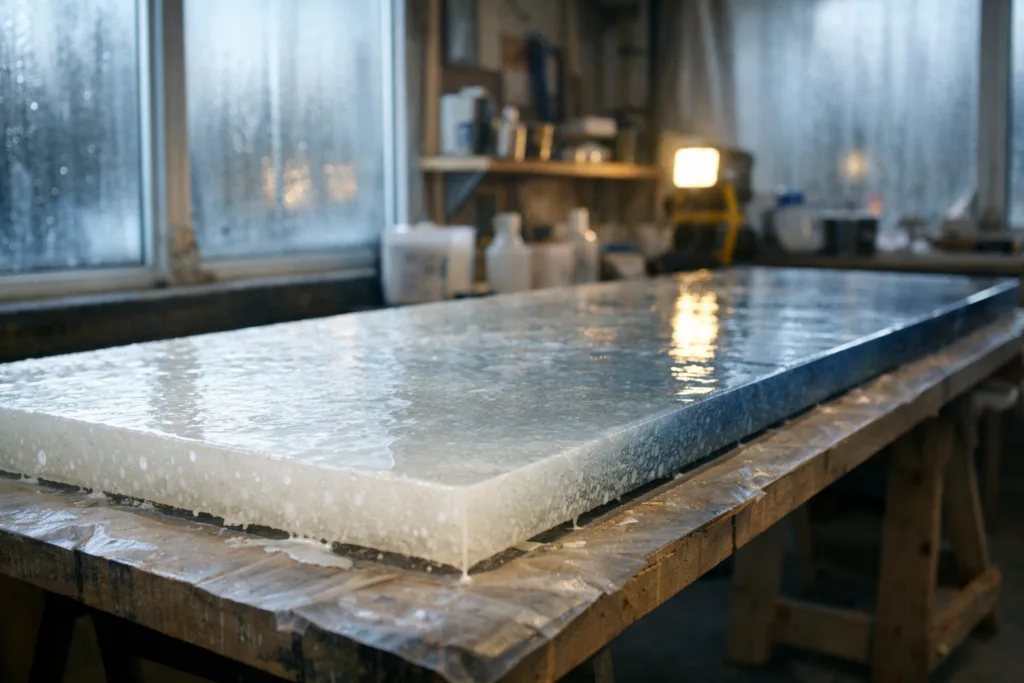
The best slow cure epoxy systems deliver unmatched reliability, fewer curing surprises, and proven site-level performance when marine structures are on the line. Careful engineering, jobsite-tested strategies, and the ability to fine-tune properties make these resins a staple across professional marine repairs, boatbuilding, and composite manufacturing. By mastering selection and field application, you set yourself up for results that stand the test of time and tide.
Frequently Asked Questions
What is the main difference between slow cure and fast cure epoxy?
Slow cure epoxy provides a lengthy working window (pot life), low exotherm, and superior wet-out for large or thick projects, while fast cure sets quickly but risks bubbles and overheating if mixed in volume.
Can slow cure epoxy be used in cold climates?
Yes, properly formulated slow cure epoxies are designed to cure reliably at low temperatures; always check technical datasheets for minimum application temperatures and extended cure times.
What’s the safest batch size I can mix with a slow cure marine epoxy?
Mix size depends on pot life and exotherm data—generally, up to 300–500g can be handled safely in one batch with most slow cure systems. Always check the specific product recommendation.
Will a slow cure epoxy resist sagging on vertical surfaces?
Some slow cure formulas have thixotropic (non-sagging) agents but most are runny for good wet-out. Use an appropriate filler or a tailored grade if vertical application is required.
How do I prevent amine blush or sticky residue with slow cure epoxy?
Maintain correct mix ratios, apply at recommended temperatures, and ensure adequate airflow during cure. Wash any blush with water and mild soap before recoating.
Is it possible to speed up cure time for slow cure epoxy?
While adding heat (within datasheet limits) can accelerate cure, always balance with potential exotherm. Never add hardener beyond recommended ratios—it can lead to incomplete cure or failure.
Related Reading
- How to Master Marine Vacuum Infusion Resin Selection for Stronger Hulls
- Top Performance Tips for Fiberglass Boat Epoxy Repairs
- Essential Checklist for Specifying Marine Grade Epoxy Resin
- Marine vs Regular Epoxy: What Every Shipyard Should Know
- The Mixing Ratio Blueprint to Avoid Marine Epoxy Failures