
Understanding Marine Epoxy Resin Applications
Choosing marine epoxy resin for your boat project is a critical decision that directly impacts performance, safety, and durability. With options ranging from boat repair epoxy, laminating epoxy, infusion epoxy, to barrier coats and adhesives, each type solves a unique challenge. In this guide, we’ll demystify the selection process, emphasize the importance of matching resin to substrate and application, and provide you with practical insights for a successful marine project.
The Core Types of Marine Epoxy Resin
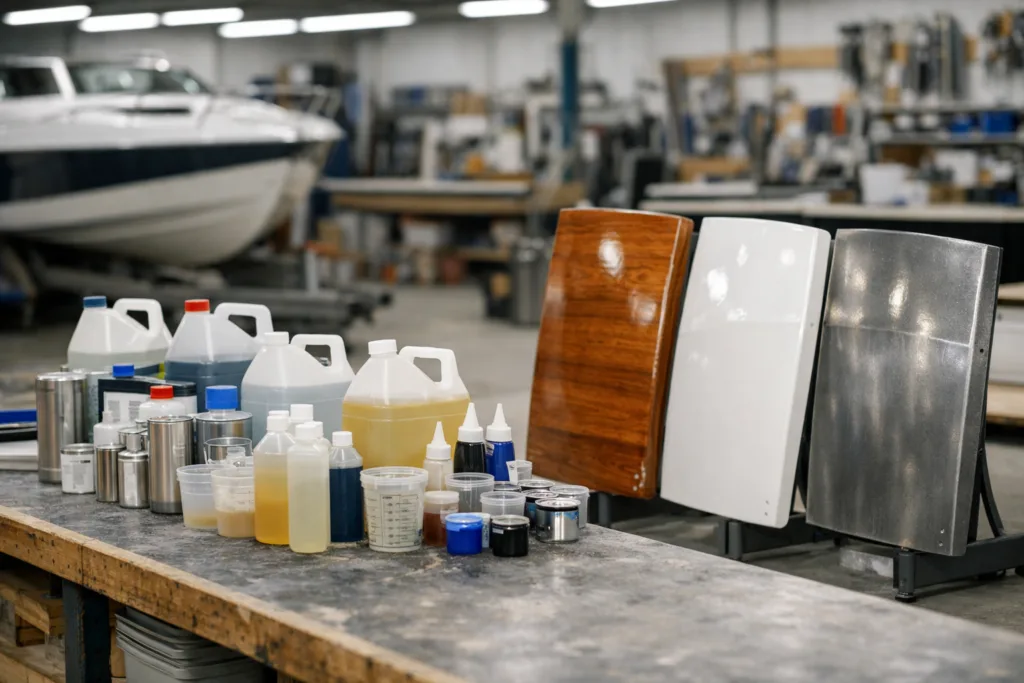
Before diving into your project, it’s essential to understand the primary categories of marine epoxy resin. Whether your priority is structural strength, flexibility, waterproofing, or rapid curing, choosing the appropriate type is foundational. Let’s break down the top resin types:
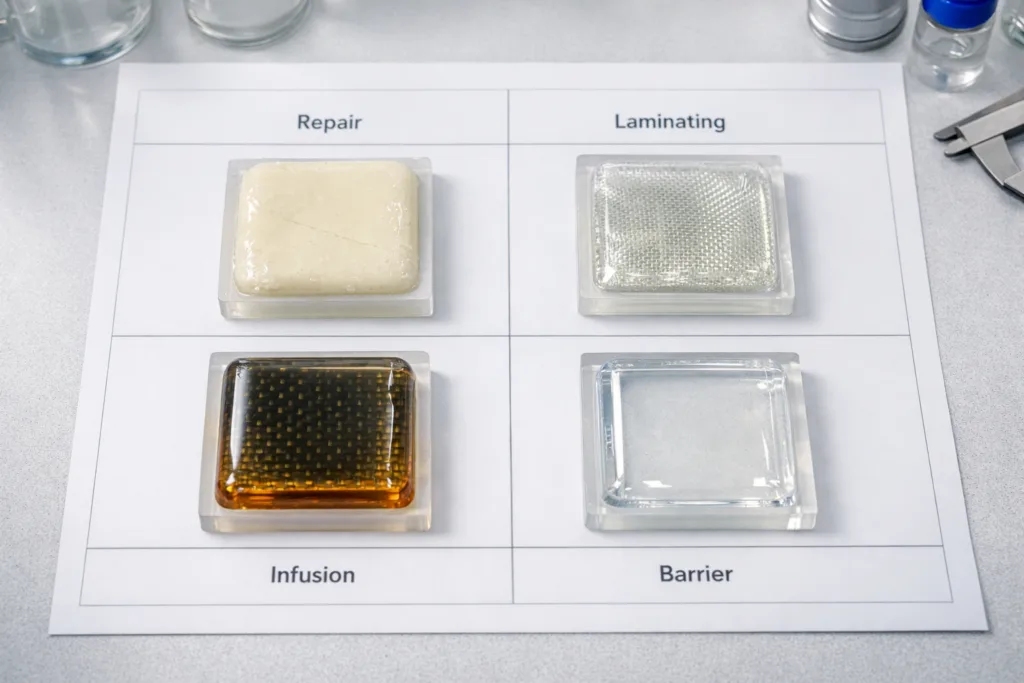
- Boat Repair Epoxy: Rebuilds structure, fills rot, bonds repairs, ideal for spot repairs and restoration.
- Laminating Epoxy: Designed for fiberglass and composite layups, optimal wet-out and robust mechanical strength.
- Infusion Epoxy: Ultra-low viscosity, specialized for resin infusion techniques, ensures full fiber saturation with minimal air entrapment.
- Barrier Coat Epoxy: Blocks water ingress, prevents osmotic blistering, and safeguards hulls below the waterline.
- Bonding Epoxy: High-grip adhesives for assembling substrates—core-to-skin, frame joints, hardware fixings, and more.
Why One-Size-Fits-All Can’t Work
No single resin formulation fits every operation. Differences in climate, substrate composition, desired finish, and even repair scale demand a tailored solution. This is why consulting the Marine Epoxy Resin Manufacturer resource is pivotal—matching your process to a proven resin ensures fewer surprises and longer-lasting performance.
Step-by-Step Selection Path: Key Factors That Define Your Choice
Identify Your Substrate and Compatibility Needs
Is your project wood, fiberglass, steel, concrete, or a blend? Epoxy interacts differently with each:
- Wood: Needs deep penetration, flexibility, and strong adhesion—unfilled, solvent-free repair epoxies often excel.
- Fiberglass: Requires resin with excellent wetting and inter-laminar bonding strength; laminating and infusion epoxies are top picks.
- Steel: Look for corrosion-resistant barrier coatings to prevent rust, typically with high cross-link density and low water absorption.
Assess the Repair, Build, or Coating Context
Define whether you’re carrying out a surface repair, full laminate build-up, or sealing a hull against water entry. Use these checkpoints:
- Spot Repairs: Opt for thixotropic (non-slump) repair epoxies, like ZDS-189 wood repair putty, for vertical gap filling and impact resistance.
- Laminating: Prioritize flow/viscosity and pot life control, necessary for working large surfaces without premature setup.
- Infusion: Only ultra-low viscosity (ideally <300 cP) assures thorough wet-out for vacuum bagging and composite work, minimizing voids.
- Barrier Coating: Look for epoxy systems specifically engineered to resist osmotic blistering and ensure minimal water vapor transmission.
Factor in Temperature and Working Conditions
Ambient temperature and humidity can make or break your project. Many cold-weather resin failures start with improper selection. For more on this, see our related resource on How Temperature Affects Marine Epoxy Cure.
- Choose resin/hardener kits with cure profiles suited for your region. Slow-cure formulas do best in warm climates, but may never harden in cold.
- Fast-cure or winter blends kick off reliably even at 5–10°C, key for off-season or emergency repairs.
- High humidity? Look for moisture-tolerant epoxies with amine blush suppression for fewer interruptions.
Decide on Cure Speed and Pot Life
How quickly do you need your part or repair back in service? Pot life is your window to apply and work the epoxy:
- Short Pot Life (10-20 min): Best for rapid repairs, but demands tight batch control. First responders and field techs rely on this for immediate fixes.
- Medium to Long Pot Life (30-90 min): Gives more time for large-area coatings, infusions, or intricate laminations. Ideal for detailed craftsmanship.
ZDSpoxy emphasizes batch sizing, careful timing, and mix-ratio control to guard against incomplete cures or sticky finishes, especially when ambient conditions swing unexpectedly on job sites.
Select Finish Characteristics: Gloss, Tint, and Textural Requirements
Some marine epoxy resins are crystal clear, suited to brightwork and artistic repairs. Others are engineered for high-bond, sandable, or paint-ready finishes. Check for:
- UV stability if exposed topside
- Tint clarity for aesthetic repairs
- Hardness/readiness for sanding or overcoating
Vetting the Key Properties: Viscosity, Strength, and Chemical Resistance
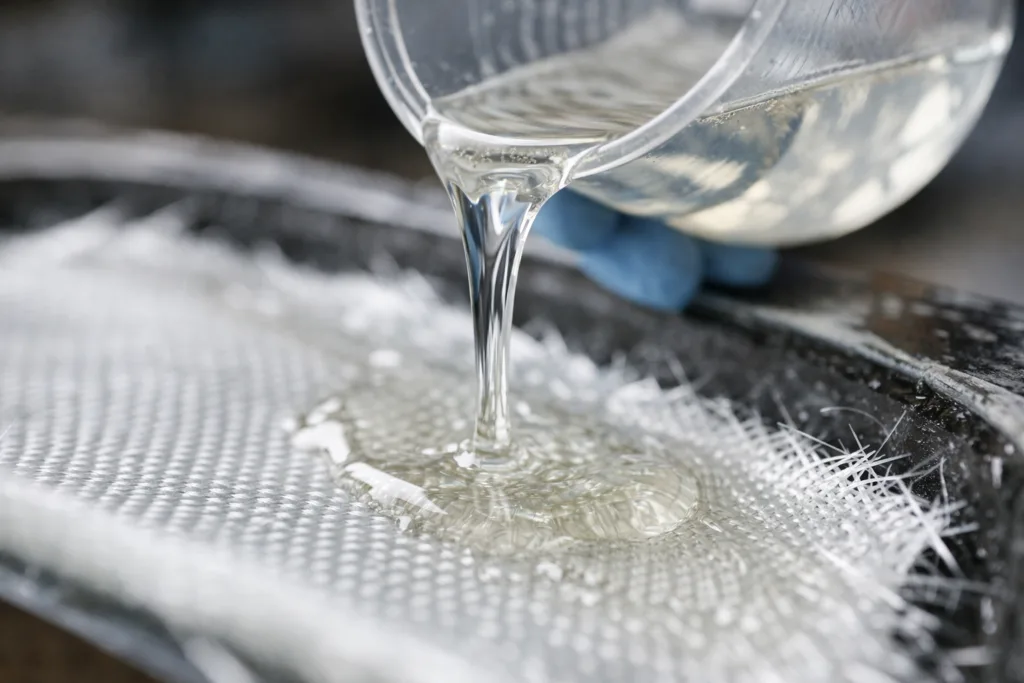
The right viscosity is crucial—fluid enough to saturate fiber, yet thick enough not to sag. For high-flow applications, use systems like ZDS-2060AB solvent-free wood primer, which balances flow and penetration without harsh solvents. Always verify published data, not guesswork, for tensile, compressive, and chemical resistance properties relevant to your environment.
Marine Epoxy Resin Selection Quick Checklist
- What’s the substrate? (Wood, glass, steel, concrete?)
- Repair, build, or protective coating?
- Will you infuse, hand-lay, or inject?
- Temperature at application window?
- Preferred cure time – fast or slow?
- Need for gloss, tinting, or sandability?
- How thick is your application?
- Does the product need to resist water, oil, or solvents long-term?
- Which finish is required—clear, paint-ready, barrier-coated?
The Role of Pot Life, Working Time & Cure Time
Understanding timing differences can prevent costly rework and safety hazards. Pot life defines usable time after mixing, while working time reflects how long the epoxy can be shaped/applied before thickening. Cure time refers to full functional strength—do not confuse the three. Explore our guide to Pot Life vs Working Time vs Cure Time for in-depth planning advice.
Preventing Common Failures With Real-World Insights
Failures in marine epoxies often stem from shortcuts in mixing, poor surface prep, or ignoring site-specific constraints:
- Always mix resin and hardener with precision. ZDSpoxy’s engineering team stresses ratio checks by weight for critical jobs.
- Remove all dirt, oil, and loose paint before application; surface contamination is a leading cause of delamination.
- In high-humidity environments, use blush-resistant formulas and keep surfaces dry throughout cure.
Comparing Marine Epoxy Resin Types (Table)
| Type | Main Use | Viscosity | Cure Speed | Ideal For |
|---|---|---|---|---|
| Repair Epoxy | Filling, fixing | High (paste/thixotropic) | Fast | Spot repairs |
| Laminating Epoxy | Laying fiberglass | Medium-low | Medium | Composite builds |
| Infusion Epoxy | Vacuum infusion | Ultra-low | Slow-medium | Large structures |
| Barrier Coat Epoxy | Anti-osmosis | Medium | Medium-slow | Hull protection |
| Bonding Epoxy | Structural join | Medium-high | Fast-medium | Adhesive joints |
Critical Questions to Ask Before Choosing Marine Epoxy Resin
- Will your resin system work at actual job site temperatures?
- Is the working window compatible with your crew size and prep speed?
- What finish type is needed—does it require sanding, painting, or exposure to sun?
- Is the cured resin safe for environments (VOC, emissions, potable water zones)?
- Is the product certified to marine or building industry standards?
Use-case specifics always matter—manufacturers such as ZDSpoxy can test and advise mixtures for custom processes or extreme requirements.
Choose Marine Epoxy Resin for Your Boat Project
When you approach your next repair or new build, don’t settle for guesswork. To select the ideal product, outline your use-case, prep your surfaces properly, confirm compatibility with substrates, and review all technical data. And remember, relying on direct communication with your Marine Epoxy Resin Manufacturer or technical partner is the surest route to a safe, high-performance outcome.
Conclusion: Matching Process to Performance
Every marine project is unique—the best marine epoxy resin for you is the one tuned to your substrate, method, site, and expectation. Following a step-by-step approach that weighs all project conditions—substrate, repair type, temperature, desired speed, and intended finish—will prevent failures, save rework, and protect your investment for seasons ahead. With reliable resin selection and disciplined prep, your boat repairs and builds will stand strong for years to come.
Frequently Asked Questions
How do I know which viscosity is best for my repair?
Choose low-viscosity for infusion or wet-out of fiberglass, medium for laminating, and high/thixotropic for filling vertical or overhead gaps.
What’s the difference between laminating and infusion epoxy?
Laminating epoxy is designed for brush/roller layups, while infusion epoxy is ultra-low viscosity and tuned for vacuum bagging. The wrong choice affects strength and finish.
Can I speed up the cure time safely?
Use a faster hardener from the same product line or slightly raise the ambient temperature, but check manufacturer limits to avoid overheating, loss of strength, or exotherm risks.
How important is surface preparation before using marine epoxy?
It is essential. Poor surface prep leads to delamination and early failure; clean, dry, and sanded surfaces yield best results.
Is every marine epoxy resin waterproof?
Most are highly water-resistant, but only dedicated barrier coat epoxies are engineered to resist prolonged submersion and osmotic blistering.
Should I add fillers or use epoxy as supplied?
Add fillers (like silica, microballoons, or fibers) only when intending to thicken epoxy for specific tasks. Follow the supplier’s recommendations for safe ratios and mixing.
Related Reading
- Expert Review: The Best Marine Epoxy Resins for Durability
- Avoid Epoxy Failures: Boat Surface Prep Checklist You Need
- 7 Essential Performance Properties Every Marine Epoxy User Should Know
- Prevent Repair Failures: Understand How Temperature Impacts Marine Epoxy Cure
- Epoxy Primer Selection Secrets: 7 Steps Contractors Swear By