
Clear vs Colored Waterproof Coating: The 2024 Comparison That Matters
When planning balcony, tile, floor, or stone renovations, your choice between clear waterproof coating and colored waterproof coating will dramatically influence project results. Each system protects surfaces, but their surface appearance, masking ability, maintenance, and inspection visibility differ widely. Let’s methodically compare these options, highlight situations where clear coats are a poor choice, and help you select the ideal finish for your site conditions.
What Is Waterproof Coating? (And Why Choose One Type Over Another?)
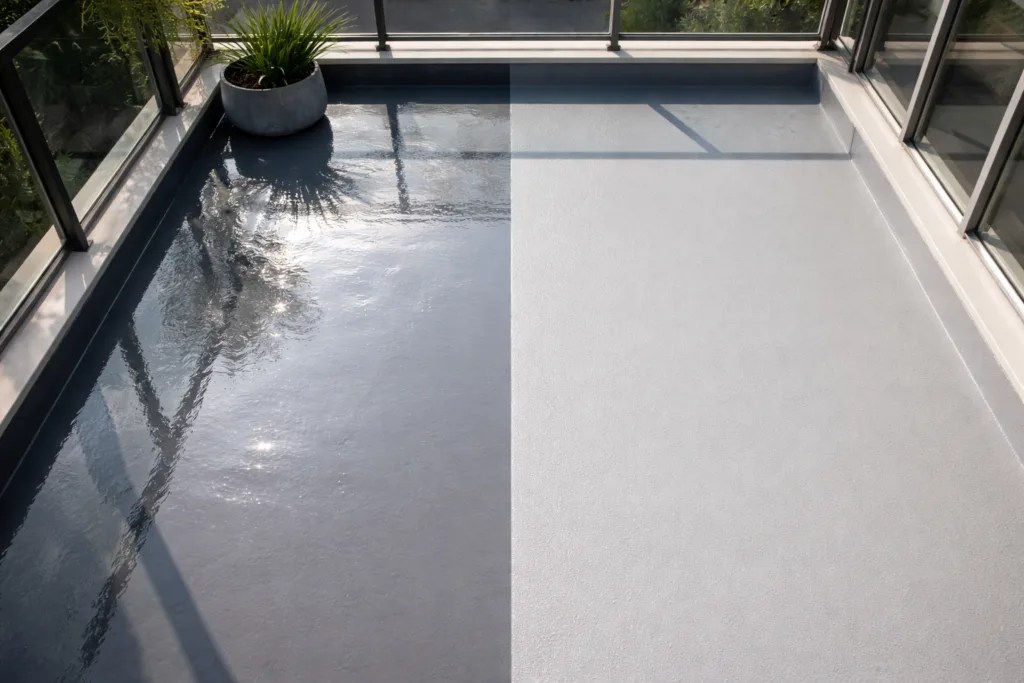
Waterproof coating is a protective liquid-applied layer that blocks water ingress on floors, walls, balconies, decks, and stone surfaces. The two main types are clear waterproof coating (transparent, exposes existing substrate color/texture) and colored waterproof coating (adds a uniform, opaque film for color and coverage). The decision to use clear or colored has lasting effects on appearance and performance, especially for terrace balcony outdoor floor renovations and areas exposed to sunlight or wear.
Quick Reference: Clear vs Colored Waterproof Coating Comparison Chart
| Feature | Clear Waterproof Coating | Colored Waterproof Coating |
|---|---|---|
| Surface Appearance | Retains natural texture and color | Uniform color, hides unevenness |
| Blemish/Defect Covering | No coverage; all marks visible | Excellent—covers most repairs & stains |
| Maintenance and Cleaning | Shows dirt, stains clearly | Masks light soiling, touch-up easy |
| Rework/Inspection Visibility | Hard to spot thin/bare spots | Easy to see defects and repairs |
| Area Suitability | Stone flooring, decorative tile, feature zones | Balconies, bathrooms, utility, traffic areas |
Surface Appearance: Preserving Beauty or Creating Uniformity
Natural Look with Clear Waterproof Coating
Clear waterproof coatings are ideal for showcasing attractive substrates such as natural stone, marble, designer ceramic tile, terrazzo, or exposed aggregate. The clear layer offers a wet-look gloss or natural matte, depending on the resin system, without obscuring detail. If your goal is to preserve and enhance existing material aesthetics, clear makes sense.
Uniformity and Design Freedom with Colored Coating
Colored waterproof coatings offer nearly unlimited design control. They allow owners to fix old color mismatches, modernize worn-out floors, or establish a consistent theme—even when the underlying concrete or tile patching is visible. For balconies, bathrooms, kitchens, or utility floors, color masking is often the professional’s default because it hides repairs and creates a fresh start. Learn more about kitchen bathroom tile waterproofing projects using colored systems for better results in high-use zones.
Masking Blemishes and Defects: Which Winner Hides Flaws?
Clear Coating—Exposes Every Flaw
Clear resin magnifies rather than hides imperfections. Scratches, stains, patchiness, and repairs remain visible through a clear film, even more so under certain lighting. If your floor or tile has many small defects, clear is rarely the right choice.
Colored Systems—Covers and Conquers Ugly Patches
Colored waterproof coatings add an opaque barrier. This covers patch material, color shifts, or joint lines, and enables touch-ups to blend well. Utility, entryway, and floor renovation environments often benefit most from colored finishes, especially for older surfaces that have seen prior repairs.
Maintenance & Cleaning: Visibility vs. Forgiveness
Why Maintenance Is Easier with Colored Waterproof Coatings
Most dirt, shoe marks, or mild contamination is less visible on strong, mid- to dark-tone colored coatings. Touch-ups blend in quickly using the same batch. Many engineered systems, like polyurethane and polyaspartic coatings, are designed to self-level, resist yellowing, and prevent dirt pickup on balconies and exterior tiles. When cleaning frequency is a factor, especially in courtyard stone flooring or high-traffic halls, colored films win for everyday convenience.
When a Clear Finish Demands High Cleanliness
Clear waterproof coatings show footprints, tracked dirt, and any spilled liquids immediately. If your site has constant dust, grease splashes, or unpredictable soiling, maintenance increases and appearance degrades faster. Polished stone or decorative tiles in a residential setting can handle this; industrial or commercial sites often cannot.
Rework and Inspection: Are Flaws Obvious or Invisible?
Colored Waterproof Coating Advantage: Quick Issue Detection
During application or future inspection, colored coatings make it easy to spot missed sections, thin coverage, bubbles, or streaks. Any new waterproofing repairs stand out while wet and quickly blend after curing. If QC is mission-critical, especially in a busy commercial space, colored systems offer a clear advantage. For high transparency, polyaspartic or epoxy colored coatings like those in resin bound stone systems projects ensure long-term confidence.
Clear Coating: Invisible Misses and Patch Risk
With a clear coat, bare areas, holidays (misses), and thin spots can be easily overlooked both by workers and inspectors, especially on variably colored tile or stone. Even minor patch repairs may stand out due to surrounding gloss differences, causing long-term dissatisfaction.
Site Suitability: Where Each Type Wins
Best Areas for Clear Waterproof Coating
- New, unblemished stone, marble, granite, or decorative tile installations
- Feature walls/floors with high aesthetic or pattern value
- Low-traffic zones where users protect surfaces carefully
Best Uses for Colored Waterproof Coating
- Balconies, terraces, and outdoor floors (uneven color, patching, or older substrate)
- Kitchens, bathrooms, utility areas needing daily cleaning
- High-traffic, commercial, or site-renovation surfaces with old repairs
Three Scenarios Where Clear Waterproof Coating Is NOT Recommended
After consultation with hundreds of contractor clients and field studies, these scenarios repeatedly result in dissatisfaction with clear waterproof coatings:
- Surface Has Multiple Repairs or Patches: Old grout, epoxy repairs, or patching compounds stand out under clear films, making the area look like a patchwork.
- Color Variability in Base Material: Concrete, tile, or stone with color irregularities will magnify these flaws after clear coating, drawing attention to inconsistent areas.
- Pre-existing Heavy Contamination: Any oil, grease, or biological stain in substrate becomes permanent if not 100% removed—a clear coat locks the discoloration in.
Quick Selection Table: Is Clear or Colored Coating Right For Your Project?
| Project Type / Condition | Clear Waterproof Coating | Colored Waterproof Coating |
|---|---|---|
| New natural stone, feature tile | ✔️ | Optional |
| Old, patched floor with stains | ❌ | ✔️ |
| Balcony with visible cracks/joints | ❌ | ✔️ |
| Kitchen with frequent cleaning | ❌ | ✔️ |
| Courtyard stone, consistent color | ✔️ | ✔️ |
| Renovation—unknown substrate condition | ❌ | ✔️ |
When Application Reality Decides: Quality, Safety, and Success Factors
In ZDSpoxy’s manufacturing experience, final results depend as much on product fit as on the installer’s attention to substrate conditions. Moisture content, temperature swings, and mixing rigor change everything. For clear base coats, batch color uniformity and cleaning are vital. For colored coatings, ensuring primer compatibility and following manufacturer mixing ratios prevents streaks and shrinkage. Don’t overlook safety—always ventilate, wear PPE, and avoid over-application to prevent performance issues regardless of system type.
How to Prevent Failures When Switching Coating Type
- Test adhesion and compatibility before switching from clear to colored or vice versa. Some systems require a bonding primer in between.
- Always clean, degrease, and de-dust prior to rework. Residues are much more visible under clear coats and may undermine colored finish adhesion.
- Use sample boards or small test areas for client approval and QC signoff, particularly for visible zones.
Site Examples: Balcony, Tile, Floor, and Stone Applications
Balcony Renovation
Most outdoor balconies are best served with colored waterproof coatings due to their exposure to patching, repairs, and sunlight. Uniformity and UV resistance are superior.
Kitchen/Bathroom Tiles
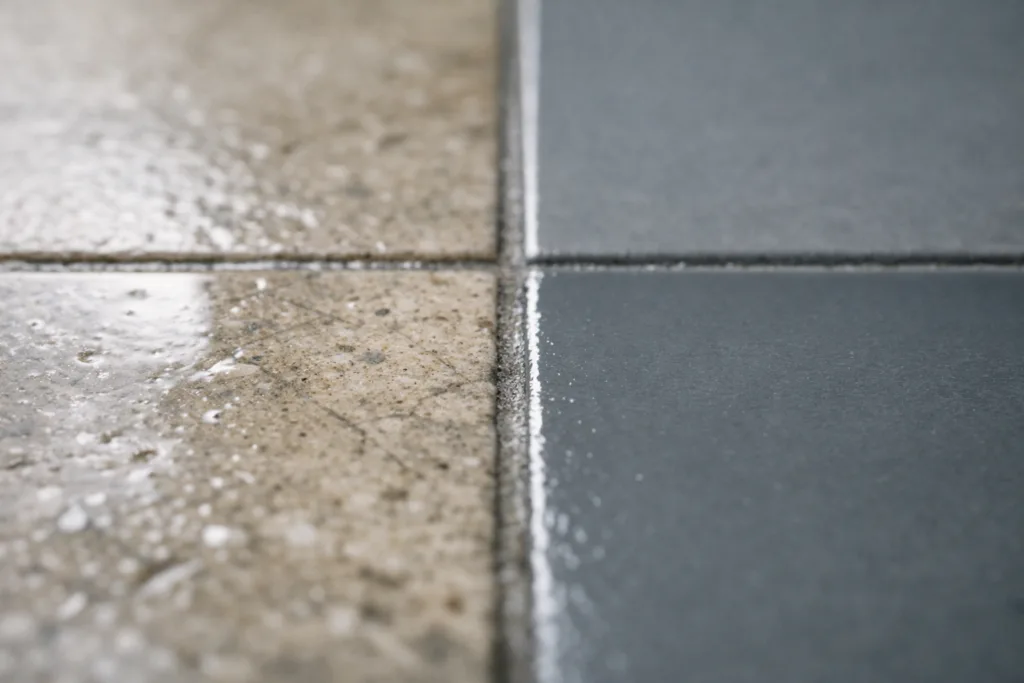
Choosing colored waterproof coatings in high-use kitchens or bathrooms simplifies ongoing cleaning and lets owners disguise old damage or varied grout colors.
Stone/Veneer Courtyards
High-end residential stone patios with consistent substrate and no patchwork can benefit from clear waterproof coating for maximum visual appeal, so long as contaminants are zeroed out before coating.
Commercial Floor Renovations
Floors with patch history, old paint removal, or color variations almost always benefit more from opaquely colored systems for ease of touch-up and performance longevity.
Application & Handling: From Mixing to Inspection
Successful projects depend on clean tools, careful mixing (stick with manufacturer ratios—over/under hardening causes defects), thin uniform layers, and methodical visual inspection in strong side-light for all types. Coloured coatings are more forgiving during rework and fixes; clear films demand far more substrate perfection and restraint during application.
Remediation and Recoating: What to Do When Surfaces Age
Colored waterproof coatings make for easy spot repairs and rejuvenation even after several years, as blend lines can be feathered out during recoat cycles. Clear systems require more extensive cleaning, and surface flaws may dictate a full colored system changeover if stains or patching increase over time.
Performance Under Sunlight and Weather
Modern colored coatings offer superior UV resistance and hydrophobic properties for exterior balconies, pool decks, and paved courtyards. Some clear coats may yellow over time unless stabilized. For long-term performance on exposed sites, check technical data for verified weatherability—especially in hot, damp climates.
Summary: How to Decide Which Waterproof Coating Is Right For You?
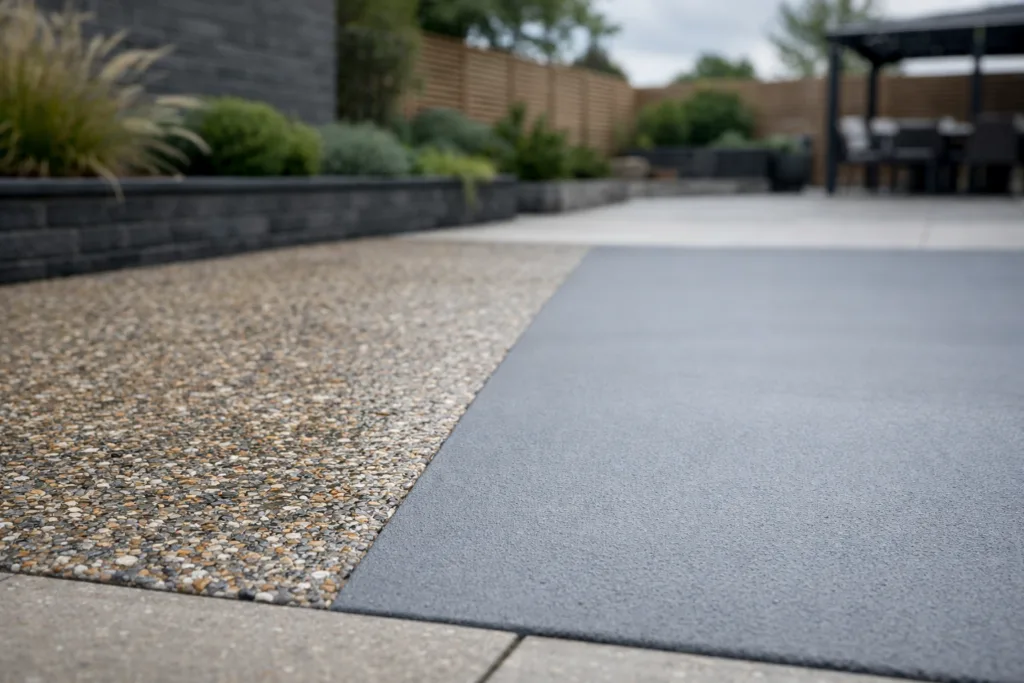
The right choice is determined by your surface’s existing condition, future maintenance expectations, and whether displaying the exact substrate is a benefit or a drawback. Colored waterproof coatings suit most renovation scenarios with existing repairs or color inconsistency. Clear waterproof coatings are reserved for pristine, feature finishes where a natural look is non-negotiable and all site prep can be guaranteed. Use the reference charts above before purchasing or specifying, and always consider your area’s cleaning and inspection needs for long-term satisfaction.
Frequently Asked Questions
Can I apply clear waterproof coating over old tile repairs?
It is not advised. Old repair marks or color differences remain visible beneath a clear coat, making defects stand out. Colored coating is more appropriate.
Will colored waterproof coating completely hide concrete cracks?
It efficiently covers hairline cracks and patch color differences, but depth or movement cracks may need patching filler first for a seamless result.
Is clear waterproof coating suitable for heavily used kitchen floors?
Rarely. Dirt, grease, and stains appear quickly and are difficult to conceal. Colored waterproof coatings are better for maintenance and visual cleanliness.
How durable are modern colored waterproof coatings outdoors?
High-quality polyaspartic and polyurethane systems resist UV, weather, and foot traffic for years on balconies, courtyards, and walkways when applied correctly.
What’s the best way to check if a coating is applied too thinly?
Colored coatings reveal thin spots during application, while clear types make this much harder to detect. Inspect with strong angled light for both, and always measure film thickness.
Can I switch from a clear to a colored waterproof system later?
Yes, but the clear layer should be abraded or primed to ensure adhesion. Colored coatings are more forgiving for future repairs or color changes.
Related Reading
- Waterproof in 5 Easy Steps: Your Essential Engineer’s Decision Guide
- Get a Rapid Quote: 7 Waterproofing Cost Factors You Must Know
- Master Priming: Secure Lasting Waterproof Protection with the Right Primer
- Protect Your Home: 7 Clear Differences Between Waterproof and Water-Resistant Solutions
- The Ultimate Waterproofing Checklist: 9 Steps for Flawless Renovation Success