
Understanding Cold Storage Flooring Challenges
Designing reliable cold storage flooring for environments reaching -30°C is no small feat. Facilities like refrigerated warehouses, food processing plants, and pharmaceutical storage demand robust solutions. Not only must these floors resist constant freezing temperatures, but they must also deliver rapid installation, long-term durability, and industry-safe, seamless finishes. That’s where the debate emerges: Polyaspartic vs Epoxy—what really stands up in sub-zero conditions?
Cold Storage Flooring: Definition, Needs & Key Considerations
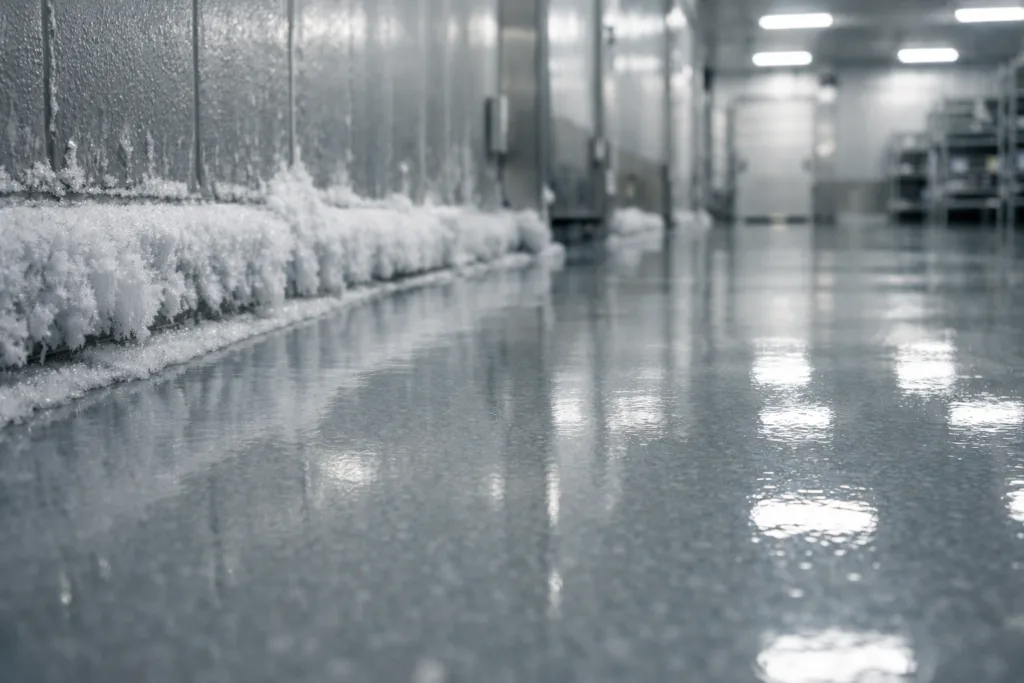
Cold storage flooring refers to high-performance surfaces engineered to thrive under freezing and fluctuating low-temperature settings. Traditional choices like bare concrete or standard tile often crack, wear, or delaminate. Industrial clients expect floors to offer:
- Continual thermal stability
- Resistance to impact, abrasion, and chemicals
- Non-slip, easily cleaned surfaces
- Minimal downtime for installation & repair
How Low Temperatures Affect Curing & Coating Performance
At frigid temperatures, conventional coatings struggle to cure, leading to extended downtime or outright project failures. Chemical reactions that drive curing, bond formation, and surface properties dramatically slow as the mercury drops. This elevates the risk of incomplete crosslinking, tacky finishes, or brittle, poorly adhered coatings.
Polyaspartic vs Epoxy: The Critical Performance Factors for Cold Environments
Let’s break down how Polyaspartic and Epoxy systems respond to the unique stressors of cold storage applications using a direct comparison:
| Factor | Polyaspartic Coatings | Epoxy Coatings |
|---|---|---|
| Cure Time at -30°C | 1–3 hours* | 24–72 hours* |
| Low Temp Curing | Remains functional below -20°C | Most require >10°C |
| Thermal Flexibility | High (resists cracking/shock) | Moderate-to-low (brittle in cold) |
| Abrasion & Chemical Resistance | Very high | High |
| Odor/VOC Profile | Low (fast off-gassing) | Varies |
| UV Stability (if exposed) | Excellent | Poor/moderate |
*Please note: Cure rates depend on formulation and site conditions.
The Science Behind Low Temperature Curing
Curing speed is crucial for operational uptime, especially in logistics and food industries. Most epoxy resins rely on temperature-sensitive catalysts. Under cold storage conditions, their reaction rate falls sharply. Polyaspartic coatings, however, are engineered with specialty crosslinkers that maintain cure speed—even as temperatures drop below -20°C. This allows rapid turnaround and reduced labor costs, minimizing risks of contamination from prolonged open substrates.
Case Study: Cold Room Renovation in Frozen Foods Facility
A mid-sized seafood processor operating at -30°C faced extended delays with conventional epoxies. Switching to a specialized polyaspartic (such as ZDS-1223AB Polyaspartic Clear Topcoat) enabled a 2-hour full return-to-service within deep freeze zones, delivering seamless integration into their daily shift schedule. Floor inspections after one year showed zero delamination, cracks, or major wear patterns, underlining long-term performance gains.
Typical Pain Points: Why Standard Epoxy Fails in Extreme Cold
- Incomplete curing, leaving sticky or soft floors
- Increased brittleness and risk of sudden cracks
- Serious delays before floors are walkable or load-ready
- Difficult adhesion to cold, damp, or frost-laden concrete
- Potential health risks if VOCs fail to off-gas fully
Advantages of Polyaspartic for Cold Storage Flooring
- Cures rapidly even at -30°C
- Withstands repeated freezing and thaw cycles
- Excellent impact/abrasion resistance
- Low odor, safe for sensitive environments
- UV stability for any external transitions
- Seamless, non-porous, and easily sanitized
Critical Application Tips for Success in Low Temperature Installations
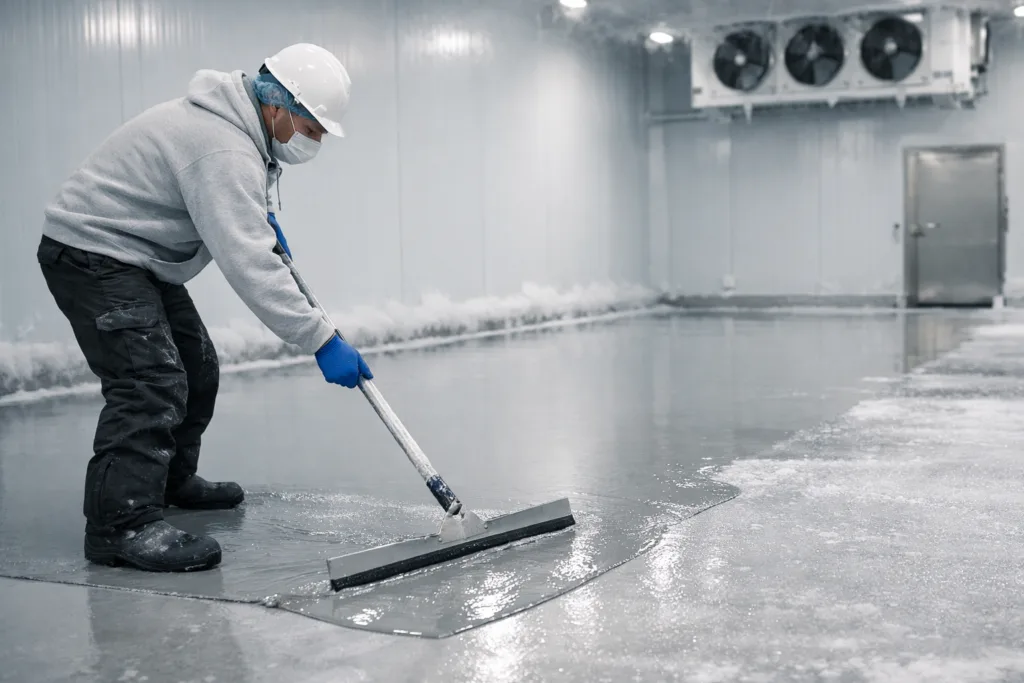
Successfully installing polyaspartic or epoxy in cold rooms isn’t just about the chemistry. Site preparation, material handling, and mixing precision all matter. From ZDSpoxy’s years in industrial plant support, practical tips include:
- Pre-condition all materials to above freezing before batch mixing
- Seal all joints and cracks; cold amplifies shrinkage effects
- Tight control of batch sizes to prevent premature set or wasted material
- When needed, use primers compatible with cold application, e.g., ZDS-1011AB Epoxy Fast Curing Floor Coating
- Careful degreasing and moisture removal for maximum bond
Cold Storage Flooring System Design: Layering for Real-World Demands
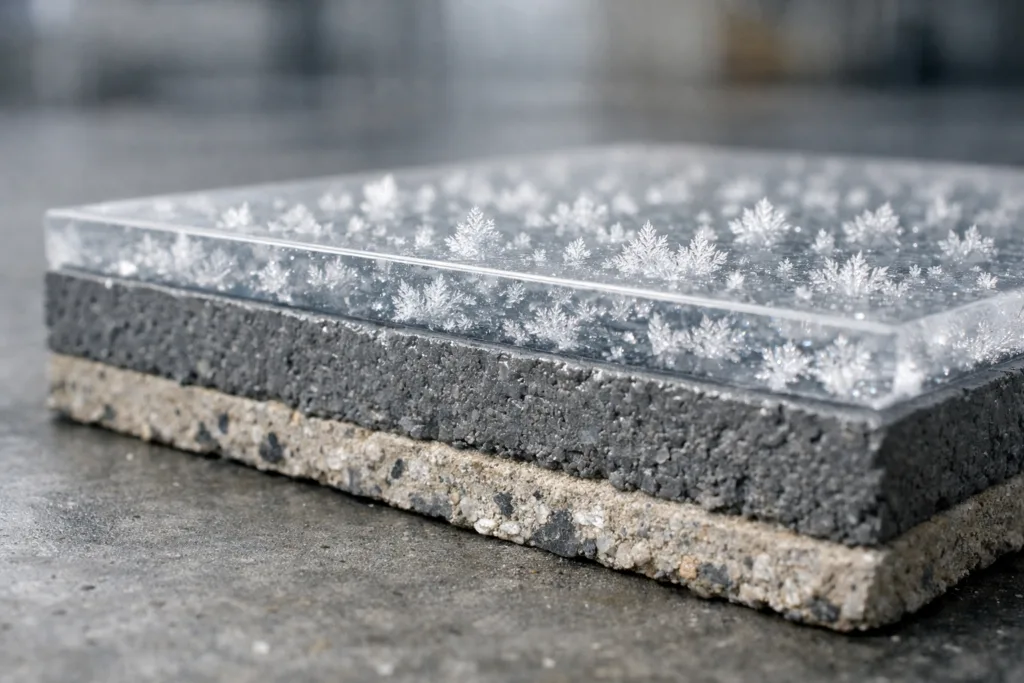
The ideal flooring system often layers a moisture-tolerant primer, a reinforced base, and a fast-curing topcoat for full thermal continuity. For environments with aggressive chemicals or requiring anti-microbial finishes, topcoats like polyaspartics or selected antimicrobial resin flooring ensure comprehensive site safety and compliance.
Durability: Abrasion, Impact, and Thermal Cycling Tolerance
Cold storage facilities experience constant forklift traffic, dropped loads, and frequent icing/de-icing. Polyaspartic coatings uniquely resist micro-cracking and surface fatigue, maintaining strength even after thousands of freeze-thaw cycles. This extreme durability extends site operational windows and reduces overall maintenance budgets.
Safety & Compliance: HACCP, VOCs, and Hygiene in Cold Environments
Low VOC profiles, seamless finishes, and ease of sanitation are non-negotiable for food and pharma sites. Polyaspartic systems are formulated to pass stringent safety standards, owing to their rapid off-gassing and smooth, bacteria-resistant surface. Proper site ventilation and PPE are always advised during initial application.
Choosing the Right Cold Storage Flooring
Floor selection should match both site needs and operational constraints. For rapid installations, aggressive wear, and -30°C operation, polyaspartic provides clear advantages. For settings with predominantly ambient temperatures, traditional epoxies may still offer robust performance at lower cost—always consider your specific environmental stressors and compliance needs.
Industry-Specific Examples: Where Polyaspartic Shines
- Frozen food packaging & storage
- Cold pharmaceuticals, biologics, and vaccine stockpiling
- Meat and dairy production
- Specialty logistics with frequent wash-down cycles
Cost vs Lifecycle: Value Analysis
| Metric | Polyaspartic | Epoxy |
|---|---|---|
| Initial Material Cost/sq.m | 50–80 USD | 25–45 USD |
| Installation Downtime | 2–6 hours | 48–72 hours |
| Expected Useful Life | 10+ years | 5–8 years |
| Maintenance | Low, simple touch-ups | Moderate, potential for patch failures |
Field Notes: Application Reality and Common Pitfalls
Having completed installations in extreme settings, ZDSpoxy often observes that improper mixing ratios or rapid batch size changes can cause unexpected curing failures—even with the best formulas. Staff must be trained to adjust standard procedures for cold jobs: slower pour rates, longer mix times, and regular viscosity checks. These approach adjustments help prevent air entrapment and surface pinholing.
Maintenance Best Practices for Low-Temp Flooring
Routine sweeping, quick spill cleanup, and periodic resealing at expansion joints make a major difference in cold storage floor longevity. Always use compatible sealants and avoid heavy thermal shocks during cleaning, as even rugged floors need practical care to deliver on their durability promise.
Latest Resin Innovations for Extreme Environments
Recent advances include polyaspartic hybrid systems that blend the flexibility of polyurethane with super-fast cure times for even more demanding freezer or blast chiller zones. These cutting-edge coatings can now reach full mechanical strength in hours—empowering facilities with near-zero downtime and exceptional lifecycle savings.
Why Polyaspartic Outperforms Epoxy for Cold Storage Flooring at -30°C
Simply put, polyaspartic coatings excel in cold storage environments due to their rapid low-temperature curing, mechanical flexibility, outstanding durability, and compliance credentials. Epoxy can serve in less extreme cases but struggles where fast turnaround and true sub-zero performance are critical. Operational leaders aiming for lower total cost of ownership and fewer disruptions consistently select polyaspartic for this reason.
Summary Table: Polyaspartic vs Epoxy for Cold Storage
| Feature | Polyaspartic | Epoxy |
|---|---|---|
| Best Use Case | -20°C to -30°C operation | Above-freezing, moderate cold |
| Curing Speed | 1–3 hours at -30°C | 24–72 hours above 10°C |
| Flexibility | High, impact tolerant | Moderate, can become brittle |
| Long-Term Maintenance | Minimal, easy repairs | Periodic patching/recoat needed |
Conclusion: Making a Lasting Choice
When extreme cold storage performance is required, polyaspartic flooring systems deliver a proven edge over conventional epoxies. Faster curing, superior flexibility, and greater durability translate into direct operational gains for cold storage operators. Invest in the right technology, adapt site methods for cold installation, and monitor ongoing maintenance for the safest, most resilient floors in the industry.
Frequently Asked Questions
Why does epoxy coating fail in cold storage environments?
Epoxy coatings often struggle to cure properly below 10°C, leading to soft areas, bond failure, or cracks when exposed to direct freezing. Their chemical reactions simply become too slow under cold conditions.
Can you apply polyaspartic coatings directly onto cold, damp concrete?
With proper surface prep and compatible fast-cure primers, polyaspartic systems can bond well, but all moisture, frost, and dust must be fully removed for a reliable installation.
How quickly can a cold storage floor be used after applying polyaspartic?
Polyaspartic coatings can reach walk-on hardness in 1–3 hours and full operational strength within 24 hours, even at -30°C—dramatically reducing downtime.
Are polyaspartic floors safe for food or pharmaceutical storage?
Yes, polyaspartics are low-odor, VOC compliant, seamless, and can be tailored for antimicrobial or non-porous needs making them well-suited for sensitive storage uses.
How do polyaspartic coatings handle forklift traffic in cold rooms?
Polyaspartics offer exceptional abrasion and impact resistance, preventing cracking or surface dusting even under heavy, repetitive wheeled loads at low temperatures.
Do polyaspartic floors need special maintenance in cold storage?
Basic cleaning and periodic inspection of joints are enough. Prompt attention to spills and compatible resealing extends performance even further in cold environments.
Related Reading
- Is Polyaspartic the Right Choice for Your Facility? Key Application Insights
- Beyond Durability: Comparing Abrasion Resistance of Polyaspartic and Epoxy
- 7 Proven Ways to Control Polyaspartic Cure Speed for Fast Results
- How ZDSpoxy Achieves Superior Outdoor UV Resistance in Polyaspartics
- 12 Essential Benefits of Polyaspartic Floors in Industrial Facilities