
Introduction: Defining Compressive Modulus and Strength in Machinery Performance
When designing industrial machinery, two key factors can make or break the system’s reliability: compressive modulus and material strength. Both physical properties directly impact machinery performance and structural integrity, yet their roles and priorities often lead to confusion during material selection. In this article, we clarify the difference between compressive modulus and strength, showing how each influences durability, resilience, and overall mechanical effectiveness. Positioning this knowledge front and center supports effective engineering decisions and safer installations for equipment foundations, supports, and frames.
Compressive Modulus vs. Strength: Which Matters More for Machinery?
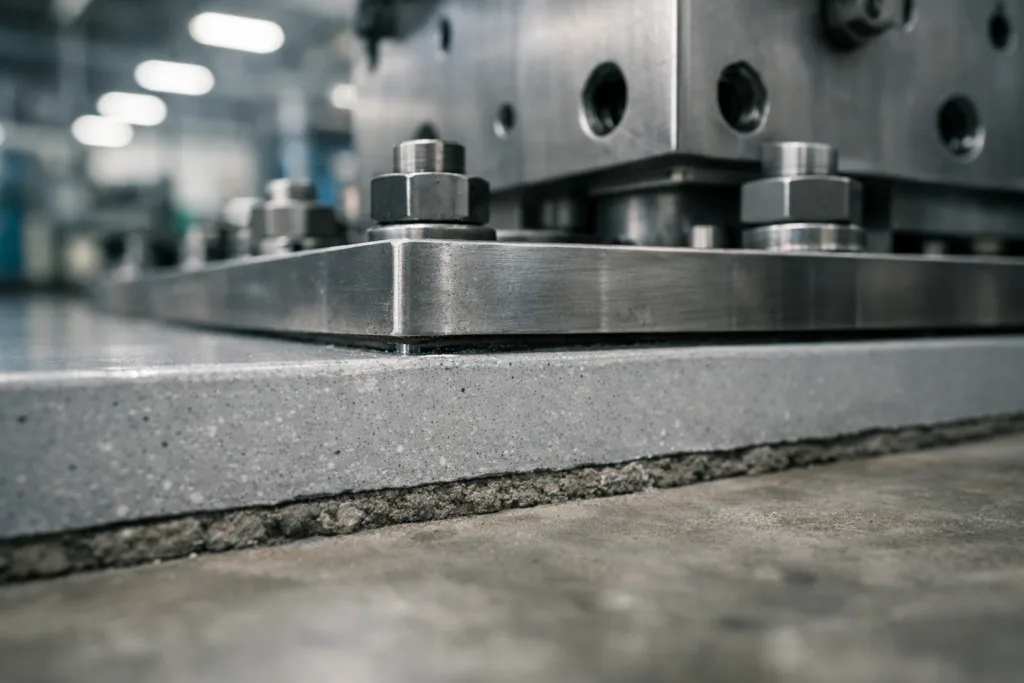
Understanding the difference between compressive modulus and material strength is essential when engineering machinery components. While they are related, each serves a distinct function. The compressive modulus—essentially a measure of stiffness—determines how much a material deforms under a given load, while compressive strength defines the maximum load the material can withstand before failure. Selecting the right property for your application can mean the difference between robust performance and catastrophic breakdown.
The Science Behind Compressive Modulus
Compressive modulus, also called the modulus of elasticity in compression, is the ratio of stress to strain in materials under compressive load. It answers the critical question: when you squeeze or press the material, how much does it compress? Materials with a high compressive modulus resist deformation and retain their shape under heavy loads. This is especially crucial for machinery bases and supports, where slight shifts could misalign sensitive moving parts.
Material Strength Explained
Compressive strength measures the maximum force a material can withstand before it fails in compression. When machinery is subjected to intense pressure, its components must have enough strength to prevent cracking, crumbling, or collapse. Strength is the safety factor; if exceeded, it signals the end of useful life for that part.
Why Machinery Needs Both: Performance and Safety Balance
Relying solely on high compressive strength can overlook long-term performance. For instance, a moderately strong but very stiff (high modulus) material will resist deformation, maintaining precise alignment under repeated loads. Meanwhile, an extremely strong but flexible material might survive one-off shocks but could deform gradually over time, undermining accuracy. For machinery foundations or high-precision applications, both modulus and strength interact to sustain operational safety and performance.
Application Focus: When Modulus Matters Most
Let’s consider high-speed compressor bases, where even tiny misalignments can cause failure. Here, a material with a high compressive modulus preserves geometry and alignment. Epoxy grouts, like ZDS-1410AB High Compressive Epoxy Grout, are specifically engineered for such demands—providing robust stiffness without excessive expansion or shrinkage.
The Role of Strength in Heavy Machinery
Industrial crushers and presses face sudden, extreme forces. In these scenarios, compressive strength is paramount. If the grout or base material isn’t strong enough, it will fracture long before modulus becomes relevant. The selection chart shows that for impact-intensive tasks, even moderate modulus works if strength thresholds are exceeded.
Comparison Table: Compressive Modulus vs. Strength in Machinery Applications
| Criteria | Compressive Modulus | Compressive Strength | Best Use |
|---|---|---|---|
| Definition | Stiffness—how much material compresses | Maximum load before failure | |
| Measured Unit | MPa or psi | MPa or psi | |
| Machinery Component | Base plates, supports, foundations | Crushers, impact surfaces, pressure plates | |
| Main Function | Maintains alignment | Prevents fracture/collapse | |
| Risk If Low | Misalignment, vibration, mechanical drift | Sudden breakage, catastrophic failure |
Structural Integrity: The Combined Effect of Modulus & Strength
For true structural integrity, both compressive modulus and strength must be evaluated together. An optimal material for machinery will resist instantaneous overloads (high strength) and maintain stability over time (high modulus). Often, a delicate trade-off is required based on anticipated loads, vibration, and alignment tolerances.
Material Selection: Practical Insights for Engineers
When selecting materials, engineers consider site conditions, load profiles, and long-term use patterns. For machinery foundations, products like epoxy concrete repair solutions combine high compressive strength with excellent dimensional stability, providing a safe baseline for decision-making. For demanding tight-gap grouting, ZDS-4131AB Low-Viscosity Epoxy Grout offers exceptional flowability for precise applications without sacrificing strength.
Case Studies: Typical Scenarios in Machinery Design
- Compressor Bases: High modulus materials prevent tilt and misalignment under cyclical loads.
- Crusher Foundations: High strength grouts absorb extreme pressure pulses without cracking.
- Precision Robotics: Both high modulus and strength ensure consistent accuracy and longevity.
Factors Affecting Compressive Properties
Many variables influence a material’s compressive modulus and strength—including mix proportions, curing temperature, and substrate moisture. Consistency and site conditions often dictate real-world outcomes more than lab values.
ZDSpoxy Insights: Mix Discipline and Onsite Realities
Engineers at ZDSpoxy emphasize strict mixing ratios and proper surface prep for their epoxy systems. Inconsistent batches can drastically lower modulus and compromise strength. Field testing often reveals the importance of working times, pot life, and substrate temperature—details that only become clear in on-site settings. By controlling batch sizes and using proper primers, teams reduce risk of failure and ensure predictable compressive performance in machinery installations.
Testing Methods for Compressive Modulus and Strength
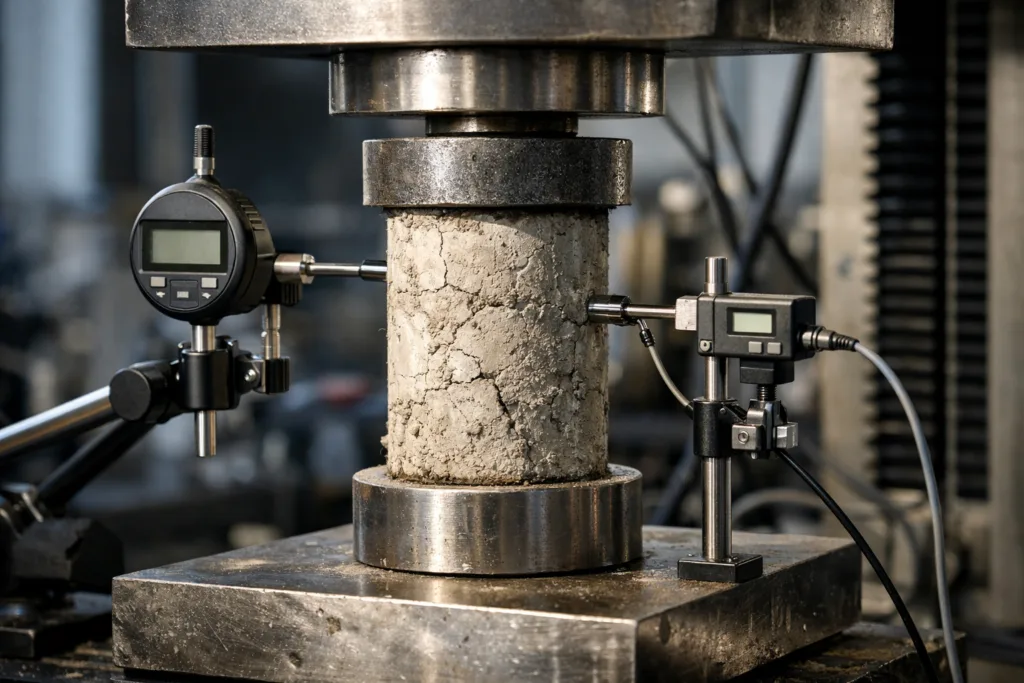
Standardized compression tests (ASTM and ISO methods) are vital. These involve applying pressure using controlled load frames and measuring stress-strain response. Engineers use these results to guide specification sheets and predict field performance.
Common Material Choices: Concrete, Epoxy, Steel
Concrete, steel, and advanced epoxies are most often used for machinery support. Each offers a different balance: concrete is cost-effective with good strength but moderate modulus; steel is both strong and stiff but costly; epoxy systems (especially engineered grouts) achieve high values for both properties at reasonable thicknesses.
Modulus vs. Strength in Repairs and Upgrades
In repair scenarios, prioritize compressive strength if failure has occurred, but modulus if machinery has drifted out of alignment. A mix of both is needed in most upgrades—especially when restoring original tolerances.
Environmental Factors: Temperature and Moisture
High humidity and low temperatures can slow epoxy cure, affecting final modulus and strength. Always check manufacturer instructions for recommended installation conditions, and consider solvent-free primers for wet concrete to guarantee bond line quality.
Design Trade-Offs: Stiffness vs. Flexibility
Too much stiffness (high modulus) can promote cracking if loads exceed design limits, while too much flexibility (low modulus) can allow misalignment and vibration. Safety margins and dynamic load analysis help strike the right balance for each project.
Calculating Loads and Material Needs
Use tools such as the Epoxy Grout Volume Calculator Project Quote to estimate material use and design compressive performance requirements.
Long-Term Performance and Maintenance
Periodic inspections and stress tests help ensure both modulus and strength remain within safe limits throughout the machinery’s service life. Weakening or deformation should prompt repairs before complete failure occurs.
Compressive Modulus, Material Strength, Machinery Performance, Structural Integrity
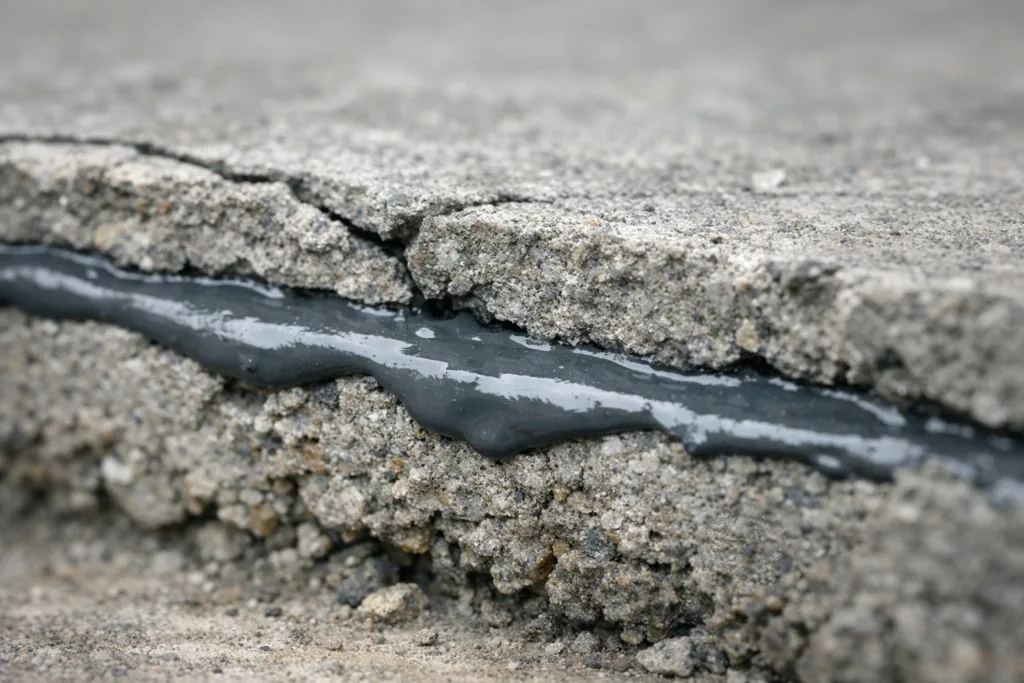
Ultimately, the interplay between compressive modulus and material strength determines machinery performance. Whether maintaining alignment in compressors or withstanding shocks in heavy presses, both properties work together to assure reliability and safety across the equipment’s lifespan. When structural integrity is the goal, engineers must start with a clear understanding of each property—and how to measure, control, and specify them according to real operating demands.
Frequently Asked Questions
What is compressive modulus and how is it measured?
Compressive modulus, or the modulus of elasticity in compression, gauges a material’s stiffness under compressive loads. It’s measured by dividing applied stress by the strain produced, using test frames as described in ASTM standards.
Why is compressive strength important in machinery foundations?
Compressive strength ensures that machinery bases can withstand concentrated loads and sudden shock forces without fracturing or collapsing, which could lead to expensive downtime and dangerous failures.
How does modulus affect machinery alignment?
High compressive modulus materials resist distortion, maintaining precise equipment positioning under dynamic load cycles. Low modulus materials may deform, causing gradual misalignment and reduced accuracy.
Can you prioritize modulus over strength for all applications?
No—application demands vary. Precision machinery benefits from high modulus to avoid misalignment, but shock-absorbing equipment like crushers demand high strength to prevent breakage. Most applications need a mix of both.
Do environmental conditions impact compressive properties?
Yes, factors like moisture and temperature during installation affect final modulus and strength. Following manufacturer guidelines for site prep and curing conditions is essential for reliable results.
What materials offer both high modulus and strength?
Engineered epoxy grouts, structural steels, and quality concrete mixes can provide balanced high compressive modulus and strength, supporting machinery under both static and dynamic loads.