
Introduction: Why Compressive Strength Matters in Industrial Flooring
In demanding industrial spaces, flooring isn’t just a surface—it’s a critical part of facility infrastructure. The compressive strength of a floor determines how well it withstands machinery, vehicle traffic, and heavy loads day in and day out. This article—the Crucial Role of Compressive Strength in Industrial Flooring: A Comparative Analysis of ZDSpoxy High-Strength Resin vs. Ordinary Cement—dives deep into how choosing the right material changes everything, from safety to total cost of ownership. We’ll examine standards like ASTM D695, compare epoxy resin systems such as ZDSpoxy against conventional concrete, and offer evidence for why advanced materials can solve long-running pain points for plant managers and engineers. If robust, low-maintenance floors are mission-critical for you, read on to discover the science behind the options.
Understanding Compressive Strength: The Science and Standards
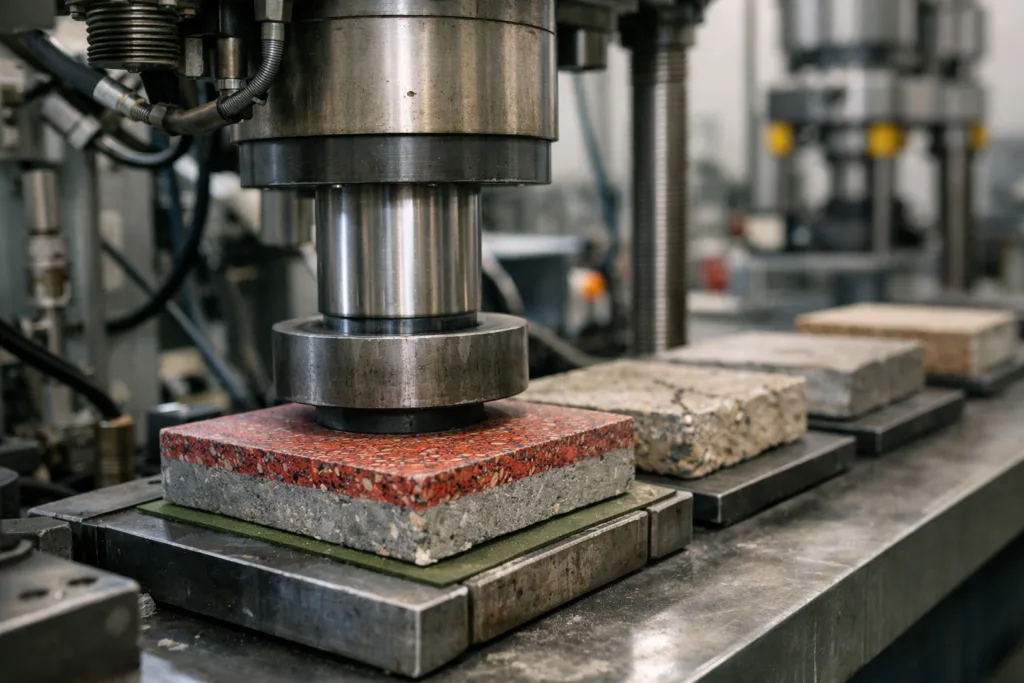
Compressive strength refers to the maximum load a material can bear without failing—they literally press the material until it cracks or crumbles. For industrial flooring, higher compressive strength means greater resistance to crushing forces from machinery or stacked goods. The benchmark for measuring compressive strength in nonmetallic materials, including epoxy and concrete, is ASTM D695. This test standard helps engineers confirm that their chosen flooring solution will stand up in real-world conditions. Typically, industrial floors should meet or exceed specific compressive strength thresholds based on their intended use—manufacturing lines, warehouses, logistics hubs, and repair garages all pose distinct strength challenges.
ASTM D695 Standard Explained
ASTM D695 specifies uniform methods for compressive testing of rigid plastics and resins. Unlike metal standards, this test focuses on how floor coatings and mortars respond to continuous, slow crushing loads rather than sudden stress. By applying controlled pressure, it reveals whether a floor system can support industrial operations without cracking or excessive deformation—critical for maintaining safety and productivity. For cement and concrete, standardized tests such as ASTM C39 are also commonly referenced. However, ASTM D695 is essential for interpreting the performance of advanced epoxies like ZDSpoxy in flooring applications.
The Pain Points of Conventional Cement Floors
Ordinary cement has been a go-to for industrial floors for decades. But when it comes to compressive strength and durability, it shows its limits. Cement floors are vulnerable to cracking under heavy loads, impacted by moisture, and easily eroded by chemicals or abrasive movement. These weaknesses drive up maintenance costs, slow down operations, and create safety hazards for plant staff. Heavy-load floors need not just hardness, but lasting compressive strength, which ordinary cement often fails to deliver.
Real-World Consequences of Cement Limitations
The signs of underperforming cement floors are hard to miss—cracked surfaces, crumbling edges, and persistent repairs that eat into the production schedule. Areas such as loading docks and machine bases experience regular distress, which means more downtime and unexpected budget drains. For specialized use (ESD-sensitive zones, chemical storage, or food handling), cement’s porosity and chemical vulnerability further complicate compliance and operational safety.
Why Industrial Epoxy Resin Flooring Solves Load-Bearing Challenges
Industrial epoxy flooring systems bring a leap in compressive strength and resilience. Composed of synthetic polymers, these resins (such as ZDSpoxy) form dense, nonporous surfaces once cured. Unlike cement, they resist crushing even under concentrated loads and repetitive impacts, maintaining integrity in ultra-heavy-duty zones. Flooring Resin Systems are engineered to withstand forklift traffic, installed machinery, and the unpredictable loads common in modern factories or distribution centers.
Compressive Strength Values: Epoxy Resin vs Cement
| Material | Typical Compressive Strength (MPa) | Test Method |
|---|---|---|
| Ordinary Cement | 20-40 | ASTM C39 |
| High-Performance Concrete | 50-80 | ASTM C39 |
| Standard Epoxy | 60-90 | ASTM D695 |
| ZDSpoxy High-Strength Resin | >100 | ASTM D695 |
Data shows epoxy resin systems, especially formulations like ZDSpoxy, significantly outperform both ordinary and high-grade cement in crush resistance. This compressive strength advantage translates directly into longer service life, greater load-bearing capability, and reduced downtime for repairs.
Key Performance Parameters for Heavy Load Flooring Applications
Compressive strength isn’t the only factor—industrial floors must also excel in flexural strength, impact resistance, abrasion resistance, and chemical stability. A well-balanced performance profile ensures the floor doesn’t brittle under sudden shock or erode from repeated movement. ZDS-1012ab Epoxy Primer for Concrete/Ceramic Floors, for example, enhances substrate bonding and initial compressive performance, making it part of robust multi-layer resin systems.
ASTM Standards Relevant to Industrial Flooring
- ASTM D695: Compressive properties of rigid plastics/resins
- ASTM C39: Concrete compressive strength
- ASTM D790: Flexural strength of reinforced resins
- ASTM D4060: Abrasion resistance
Comparative Analysis: ZDSpoxy High-Strength Resin vs Ordinary Cement
This is the heart of our technical comparison. Based on standardized lab tests and real job site performance over years of use:
| Feature | ZDSpoxy High-Strength Epoxy Resin | Ordinary Cement |
|---|---|---|
| Compressive Strength | >100 MPa (ASTM D695) | 20-40 MPa (ASTM C39) |
| Flexural Strength | 30-50 MPa (ASTM D790) | 5-10 MPa (ASTM C78) |
| Chemical Resistance | Excellent (nonporous) | Poor (porous) |
| Abrasion Resistance | High | Moderate |
| Longevity & Maintenance | 10+ years, minimal repairs | 3-5 years, frequent patching |
| Moisture Sensitivity | Low after cure | High |
For industrial clients with heavy load requirements, ZDSpoxy’s high-strength resin systems offer a clear leap in performance—lower risk of crushing, reduced floor failure rates, and fewer chemical or moisture-related issues.
Addressing Industrial Facility Needs: Resins and System Compatibility
Integrating high-strength epoxies isn’t one-size-fits-all. Engineers focus on matching compressive strength to facility requirements, calculating load zones, and ensuring compatibility between primers, mortars, and topcoats. ZDSpoxy systems allow for precision layering to create stackable resilience—a far cry from generic cement pours.
Engineering Insights: The Trade-Offs in Resin Floor Installation
On real job sites, installation variables—surface prep, mixing ratios, ambient temperature, and substrate moisture—are pivotal. From a manufacturer perspective, ZDSpoxy stresses the importance of batch consistency, correct mixing discipline, and formwork sealing to unlock true resin compressive strength. Small mistakes (bubbles, dust contamination, incorrect ratios) can reduce expected values and weaken the overall structure.
Epoxy Systems and On-Site Quality Control
Reliable compressive strength comes from strict QC—tracking viscosity, gel time, and performing in-situ tests. Site supervisors often log every batch and inspect for curing anomalies, air release issues, or bond line inconsistencies. The result: repeatable performance that chemical analysis alone won’t reveal.
Practical Implications for Industrial Operations
The differences in flooring performance aren’t just laboratory numbers. In practice:
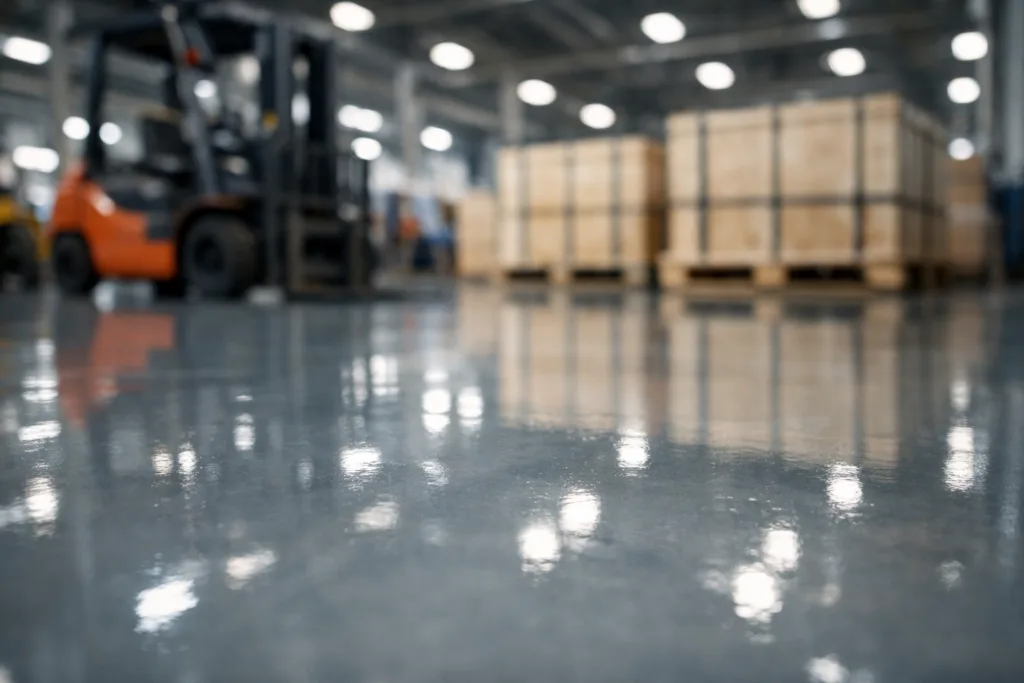
- Loading bays remain safe under forklifts and pallet jacks
- Heavy machinery stays level, reducing vibration and misalignment
- Fewer shutdowns due to cracked or spalled floor sections
- Improved hygiene in food, pharma, or chemicals facilities
- Longer intervals between scheduled maintenance
Case Studies: Flooring Upgrades That Delivered
Real industry clients have shifted from cement to ZDSpoxy resin solutions and documented:
- Over 200% improvement in load-bearing capacity
- Reduction in annual floor repairs and associated costs
- Compliance with stricter chemical/hygiene standards
Cost Efficiency and Lifecycle Analysis
While high-strength resin floors can demand higher upfront costs, their vastly improved longevity, resistance to repair cycles, and lower risk of catastrophic failure deliver major ROI over years. This savings becomes even more substantial in environments exposed to chemicals, vibration, and continuous movement. For budgeting, look beyond up-front material cost to account for repairs, shutdowns, and the actual lifespan of your chosen system.
Long-Term Maintenance Comparison
- ZDSpoxy Resin Floors: Minimal patching, simple topcoat renewals, faster cleaning
- Cement Floors: Crack patching, resurfacing, and recurring chemical sealing
Learn more about resin bound stone systems as part of advanced solutions for unique industrial needs.
Sustainability and Environmental Impact
Industrial flooring choices increasingly reflect sustainability concerns. High-performance resins typically enable thinner application layers, reducing waste. Unlike cement, which produces substantial CO2 emissions during manufacture, modern epoxy systems offer lower environmental impact over their lifecycle when maintenance and replacement are factored in.
Optimizing Flooring Selection for Unique Industrial Requirements
No two facilities are exactly the same. It pays to consult with technical specialists to assess compressive strength, abrasion resistance, chemical compatibility, and installation windows. Use site-specific criteria and certified performance data to inform your choice, not just generic specs.
Integrating Epoxy Floors into Existing Structures
Retrofit projects often benefit from primers and bonding layers that anchor resin floors onto aged concrete substrates, providing upgrades without major downtime or demolition.
Conclusion: Making Informed Decisions When Industrial Loads Demand More
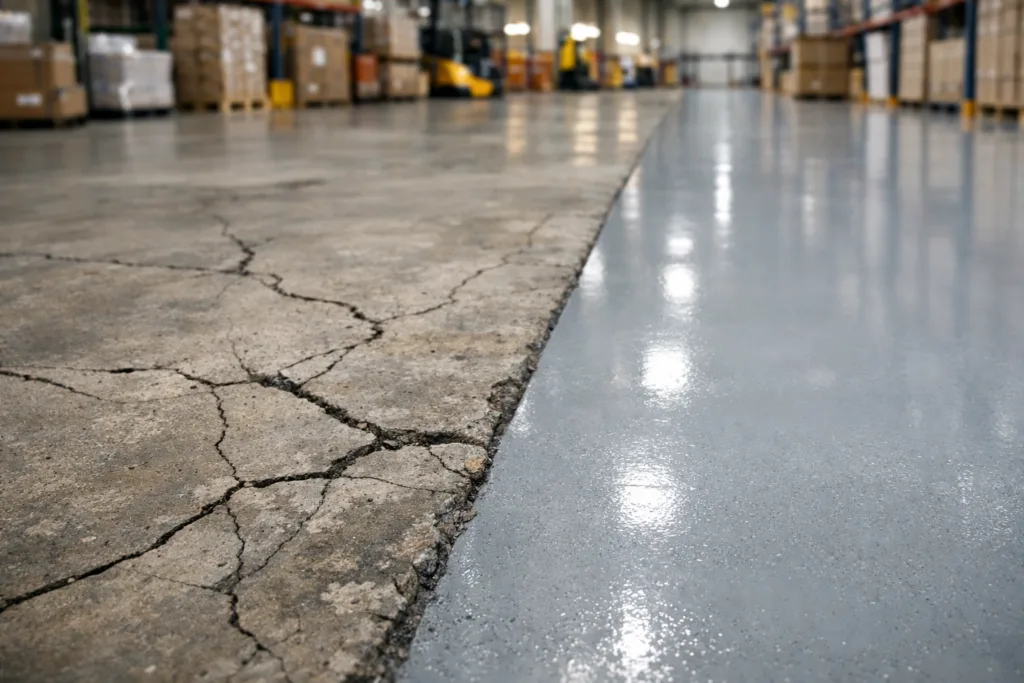
The Crucial Role of Compressive Strength in Industrial Flooring: A Comparative Analysis of ZDSpoxy High-Strength Resin vs. Ordinary Cement highlights the measurable ways materials affect both operations and budgets. ZDSpoxy’s technical advances are proven—backed by real industry performance—and the proper installation and maintenance ensure long-term value. If load-bearing, durability, and compliance matter, advanced epoxy resin systems deserve serious consideration for your next flooring specification.
Frequently Asked Questions
What is compressive strength and why does it matter in industrial flooring?
Compressive strength is a measure of how much load a flooring material can withstand before deforming or failing. In industrial settings, higher compressive strength ensures floors can handle heavy machinery, traffic, and stacking without damage, reducing repair intervals and safety risks.
How does ASTM D695 relate to flooring materials?
ASTM D695 is a standardized test for measuring the compressive strength of rigid plastics and resins, including epoxy flooring materials. It helps determine if a flooring system can endure industrial loads and continuous mechanical stress.
Do epoxy resin floors really last longer than concrete?
Yes. Epoxy resin floors like those formulated from ZDSpoxy typically show superior longevity, reduced cracking, and better chemical resistance compared to standard concrete floors, even under the toughest industrial loading scenarios.
Can ZDSpoxy resin be used over old concrete floors?
Yes. When used with compatible primers and bonding layers, ZDSpoxy resin can upgrade existing concrete surfaces, improving compressive strength and durability without requiring full removal of the old floor.
How much maintenance does an epoxy resin floor require versus cement?
Epoxy resin floors demand minimal patching and simpler cleaning, while cement floors often require frequent crack repairs, resurfacing, and chemical sealing to remain operational and safe.
Are epoxy flooring systems environmentally friendly?
Modern epoxy flooring systems usually involve thinner applications and less total material, reducing waste and energy usage. Over their lifespan, they also demand less resource-intensive maintenance compared to cement floors.