
Introduction: Why Creep Resistance Shapes Long-Term Alignment
Creep resistance is more than just an engineering term—it’s a core principle for anyone concerned with long-term stability, alignment, and the structural integrity of industrial assets. As structures and machines endure pressure, heat, and stress, small changes add up. This article demystifies the effects of creep behavior, explores why maintaining alignment matters in fields like construction and manufacturing, and highlights how creep resistance ensures reliability for years to come.
What Is Creep Resistance?
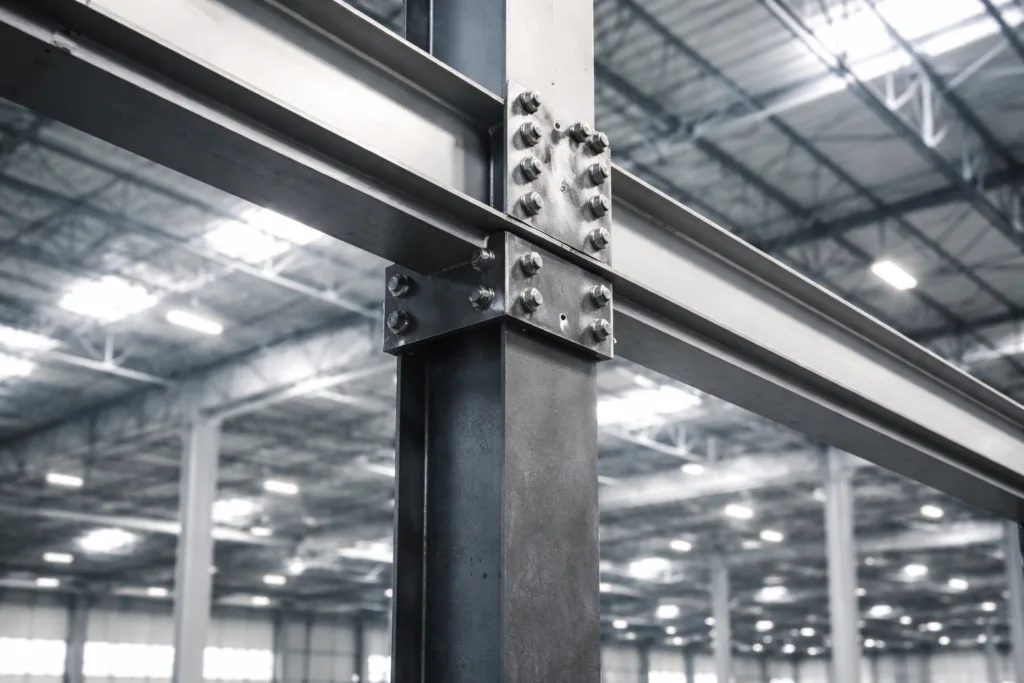
Creep resistance refers to a material’s ability to resist slow, permanent deformation under stress, especially at elevated temperatures and over long periods. In other words, it’s how well a material holds its shape, alignment, and function under constant load or force. For example, when a metal beam supports weight in a building, creep resistance helps prevent that beam from gradually sagging out of position, even after decades of service.
The Science Behind Creep and Alignment
Creep occurs when atoms or molecules in a material move slowly past each other, typically under sustained stress. This movement is often tiny and invisible at first, but over time, it can result in noticeable shifts or deformations. Temperature, pressure, and time all influence how drastically creep affects alignment in a structure.
How Does Creep Affect Structures Over Time?
Over months or years, creep can cause beams, columns, and machinery beds to lose their precise alignment. In factories, machine foundations may sink or stretch microscopically, causing vibration and premature failure. On bridges, roadways, or high-rise buildings, creep-induced misalignment can lead to uneven loads, cracks, or even dangerous collapses if not anticipated during design and material selection.
Comparing Creep and Other Forms of Deformation
| Deformation Type | Speed/Duration | Main Causes | Reversibility |
|---|---|---|---|
| Creep | Slow, long-term | Constant stress, heat | Permanent |
| Elastic | Instant, short-term | Temporary force | Reversible |
| Plastic | Sudden, overload | Force above yield point | Permanent |
Creep Resistance in Construction: Real-World Examples
Consider a skyscraper with hundreds of steel pillars. Over time, without creep-resistant materials, even micro-movements can misalign structural floors or curtain walls. Similarly, in highway bridges, creep in concrete or steel can shift bearings, leading to costly repairs. This underlines why engineers specify strict requirements for creep resistance in all load-bearing members.
Impact on Industrial Machinery and Equipment
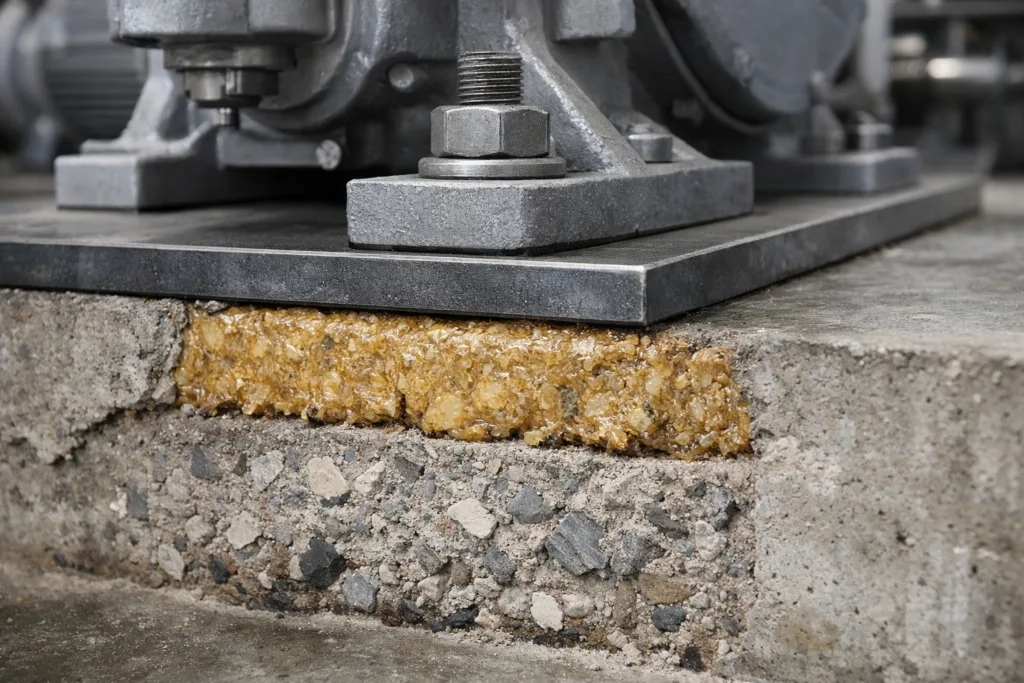
Heavy machines like crushers or compressors depend on precision alignment between their foundation and their moving parts. Creep in the bed grout or baseplate can lead to equipment out-of-level, misaligned gears, and increased wear. Solutions engineered for high creep resistance, like industrial epoxy grouts, are essential for minimizing downtime and ensuring process reliability.
If you need to tackle complex foundations, ZDS-1410AB High Compressive Epoxy Grout is designed with both high compressive strength and exceptional creep resistance in mind—making it a reliable choice for critical installations.
Why Alignment Is Critical for Long-Term Stability
Alignment isn’t just about initial installation—it’s about lifecycle performance. Even slight misalignment can lead to vibrations, inefficiency, greater energy use, and unexpected shutdowns or damage. Ensuring materials resist creep helps keep everything in-line, reducing risks and making maintenance more predictable.
The Physics of Creep Resistance in Metals
Metals like steel or aluminum deform when atoms slip past each other at elevated temperatures. The finer the grain structure and more stable the chemical makeup, the higher the creep resistance. Alloys with added elements (like chromium in stainless steel) further boost this resistance, especially for high-temperature settings.
Epoxy Grouts and Resin Systems: Limiting Creep for the Long Haul
Epoxy-based grouts and coatings are chosen for their impressive creep resistance. Unlike traditional cementitious materials, they bond tightly to both metal and concrete, filling voids while maintaining strength and alignment. This is especially true for systems engineered for dynamic loads as seen in heavy industry.
What Factors Influence a Material’s Creep Resistance?
- Temperature: Higher temperatures speed up creep.
- Stress Level: Greater loads increase deformation risk.
- Time: The longer stress is applied, the more creep may occur.
- Material Structure: Fine-grained alloys and cross-linked resins resist creep best.
- Moisture/Chemicals: Some environments can weaken certain materials, accelerating creep.
Case Study: Creep Resistance in Bridge Bearings
In bridges exposed to heat, cold, and traffic, the bearings must stay properly aligned for safety. Engineers often choose steel with tested high creep resistance or specialized polymer pads to ensure alignment is preserved over decades, minimizing maintenance costs and risk.
The Role of Quality Control in Creep Resistance
ZDSpoxy’s engineering experience shows that batch testing for viscosity, gel time, and compressive strength isn’t just paperwork—it’s vital for controlling creep resistance in large-scale production. Quality assurance steps, like verifying raw material consistency and performing alignment checks after curing, prevent subtle failures that could later result in costly misalignment.
Choosing Materials for Optimal Alignment
When selecting a grout or structural metal, balance compressive strength, creep resistance, and environmental compatibility. For tight tolerances, epoxy systems with a proven track record in epoxy coating systems or high-performance metal alloys are preferred.
Practical Steps to Test and Measure Creep Resistance
- Apply a steady load and measure deformation over weeks or months.
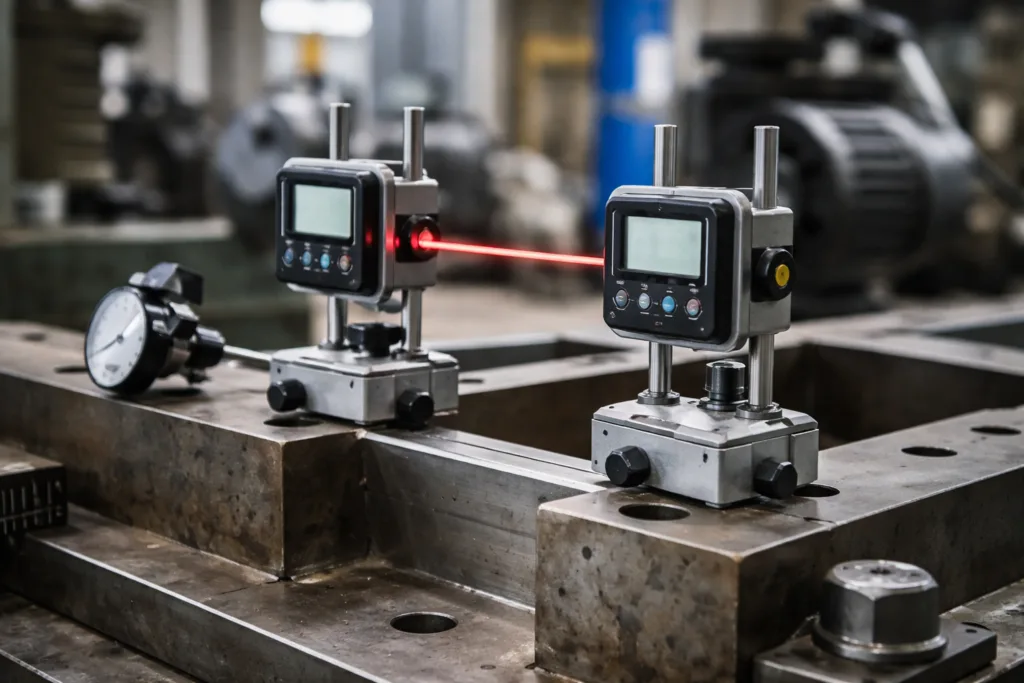
- Compare movement with reference marks or laser alignment tools.
- Review manufacturer data sheets for long-term performance figures.
Applications Where Creep Resistance Is Non-Negotiable
- Critical infrastructure (bridges, tunnels, powerplants)
- Heavy machinery bases and rotating equipment
- Precision manufacturing setups (robotics, CNC beds)
- Marine and underwater structures
For highly demanding underwater environments, consider specialized solutions such as Underwater Epoxy Grout, which are formulated for both chemical resistance and long-term dimensional stability.
How to Specify Creep-Resistant Materials
Look for standards like ASTM C1181 (for epoxies) or ASTM E139 (for metals), which outline testing criteria. Select suppliers who provide clear creep-performance data and consider products proven in environments like your own project.
Why Standard Cement Grouts May Fail in Alignment
Typical cementitious grouts can shrink or deform over time, especially under vibration or heat, leading to alignment changes. When precision is critical, upgraded materials like epoxy grouts with superior creep resistance are the safer bet.
Smart Design Tips to Limit Creep Impact
- Keep operating temperatures as low as possible.
- Distribute loads broadly to prevent stress concentration.
- Regularly inspect and re-level using precision tools.
- Always factor in lifetime loading during the design phase.
Predicting Creep: Modern Simulation and Testing Tools
Finite element analysis (FEA) software now allows engineers to model long-term creep and alignment issues before construction. Physical testing remains important for confirming simulation results, so combining both methods provides optimal results.
Common Misconceptions About Creep Resistance
- “It only matters at high temperatures”—in reality, creep can start even at moderate temperatures if loads are sustained long enough.
- “All epoxy grouts resist creep equally”—formulation differences can mean major performance gaps.
- “Steel never creeps”—incorrect; all metals can creep if conditions are right.
Creep Resistance in Specialized Environments
Marine, energy, and chemical environments put extra strain on materials. Options like glass-filled resins, hybrid alloys, and tailored epoxy blends meet the challenge by enhancing both chemical and creep resistance.
How Maintenance Strategies Support Long-Term Alignment
Even with the best materials, periodic alignment inspections can catch early-stage creep. Techniques include optical leveling, dial indicators, and, in some cases, adjusting shims or replacing grout as needed.
Creep Resistance: Why It Matters for Long-Term Alignment
Only through choosing materials with high creep resistance can designers, builders, and maintenance teams ensure that machines and structures stay perfectly aligned—and safe—over decades. This principle drives standards across construction, energy, and manufacturing sectors, preventing material fatigue, vibration issues, and costly misalignments.
Practical Checklist: Ensuring Lasting Alignment
- Specify tested, documented, creep-resistant materials.
- Design for temperature and stress environments.
- Test regularly with precision tools.
- Upgrade to epoxy grout or advanced alloys for load-critical installations.
- Review and follow manufacturer recommendations and international standards.
Conclusion: Investing in Creep Resistance Means Investing in Reliability
Understanding and applying the concept of creep resistance is vital for anyone seeking reliable, long-term performance in structural and mechanical systems. By selecting materials and systems that prioritize creep resistance—especially in demanding or safety-critical roles—engineers and owners prevent premature failures, maintain alignment, and minimize maintenance. In the end, investing time and resources in creep resistance means choosing stability and peace of mind for the long haul.
Frequently Asked Questions
What is creep resistance and why is it important for alignment?
Creep resistance is a material’s ability to avoid permanent shape changes under constant stress. It’s vital for alignment because it ensures structures and machinery stay in proper position over their lifetime.
How does temperature affect creep resistance?
Higher temperatures accelerate creep, making some materials deform faster under load. Choosing a material rated for operating temperatures reduces the risk of misalignment.
Are epoxy-based grouts better for long-term alignment compared to cementitious grouts?
Yes, epoxy grouts generally have significantly higher creep resistance, meaning they maintain alignment better in dynamic, load-bearing situations or under vibration.
Can creep occur in metals at room temperature?
While creep happens fastest at high temperatures, it can occur in some metals at room temperature if the applied stress is very high and long-lasting.
What practical steps can I take to minimize creep in my project?
Use tested materials, design for lower temperatures and distributed loads, perform regular inspections, and choose advanced solutions like epoxy grouts for critical alignment roles.
Which applications require the highest levels of creep resistance?
Critical infrastructure, heavy industrial machinery, and marine/chemical exposures all require the strictest creep resistance due to constant loads and safety needs.
Related Reading
- How to Choose Between Compressive Modulus and Strength for Reliable Machines
- Simple Steps for Safer Loads With the 85% Bearing Area Rule
- Discover 7 Engineering Benefits of Precision Epoxy Grouts
- 7 Crucial Lessons in Thermal Expansion Compatibility
- Explore Real-World Epoxy Grout Applications and Solutions