
Epoxy Flooring Cost: What Should You Expect?
Epoxy flooring has become a top choice across residential, commercial, and industrial spaces for its durability, seamless finishing, and chemical resistance. In 2026, understanding epoxy flooring cost means looking beyond basic price tags and considering the entire scope of materials, labor, and site-specific factors. This guide gives a comprehensive breakdown of epoxy flooring cost per square foot, estimates for different project types, and expert advice to help you manage your budget—without sacrificing performance. Whether you’re renovating a garage, upgrading a factory floor, or designing a commercial showroom, you’ll find detailed insights to answer how much does epoxy flooring cost, what affects pricing, and how to make the smartest choices for your application.
Average Epoxy Flooring Cost Per Square Foot
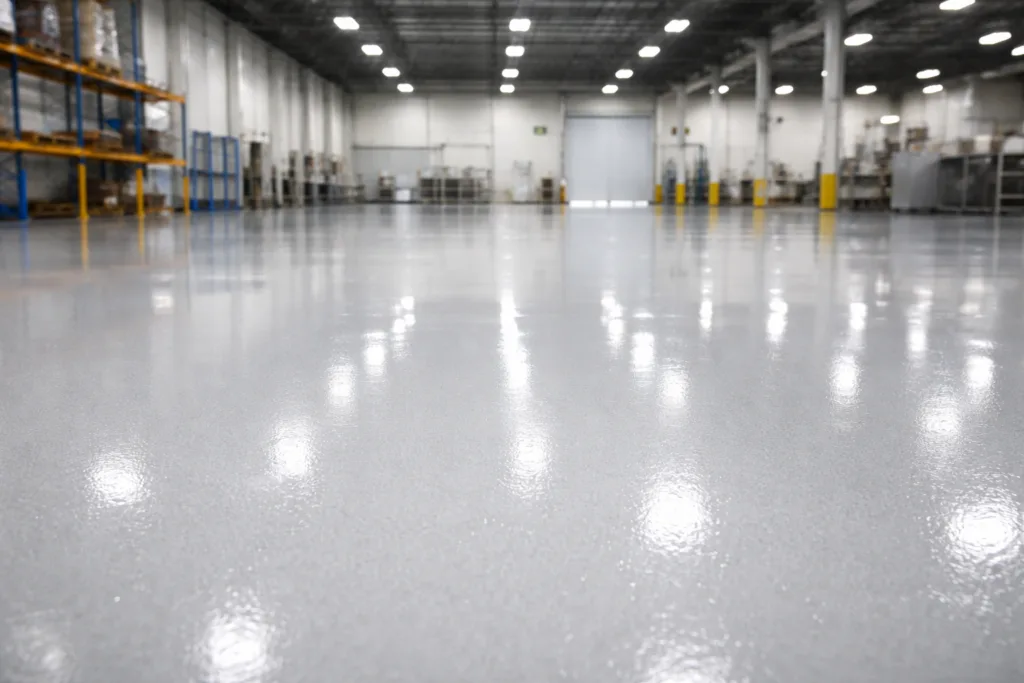
When planning an epoxy floor, one of the first questions is: what will it cost per square foot? In 2026, prices remain broad due to material quality, installation complexity, and market differences. On average:
- Residential Epoxy Flooring: $3–$7 per sq.ft. for basics, up to $12+ per sq.ft. for premium decorative finishes.
- Commercial Spaces: $6–$15 per sq.ft., with larger installations often benefiting from volume pricing.
- Industrial/Specialty Projects: $8–$25 per sq.ft. where requirements for chemical/abrasion resistance or anti-static features drive cost.
Basic roll-on epoxy is cheapest, but high-performance resin flooring systems—for factory or lab environments—command a premium. Decorative, self-leveling systems are pricier due to thicker layers and aggregate use. Local labor rates and regional material sourcing also impact price. For more information about professional flooring resin systems, see Flooring Resin Systems.
What Affects Epoxy Flooring Cost?
Epoxy flooring cost per square foot is influenced by several key factors:
- Floor Size: Larger areas may see lower per-foot rates, but require more material and labor.
- Substrate Condition: Damaged or contaminated floors need extra prep work.
- Crack Repair: Extensive cracks and repairs add time and materials.
- Moisture Issues: High moisture may require barriers, increasing cost.
- Resin Type: Standard epoxies cost less than specialty formulations (chemical-resistant, anti-microbial).
- Thickness: Thicker systems use more resin, boosting cost.
- Topcoat: UV, wear and color stability—which you’ll find in premium products like ZDS-400AB-4 High Gloss Clear Epoxy Topcoat for Decorative Floors—add price.
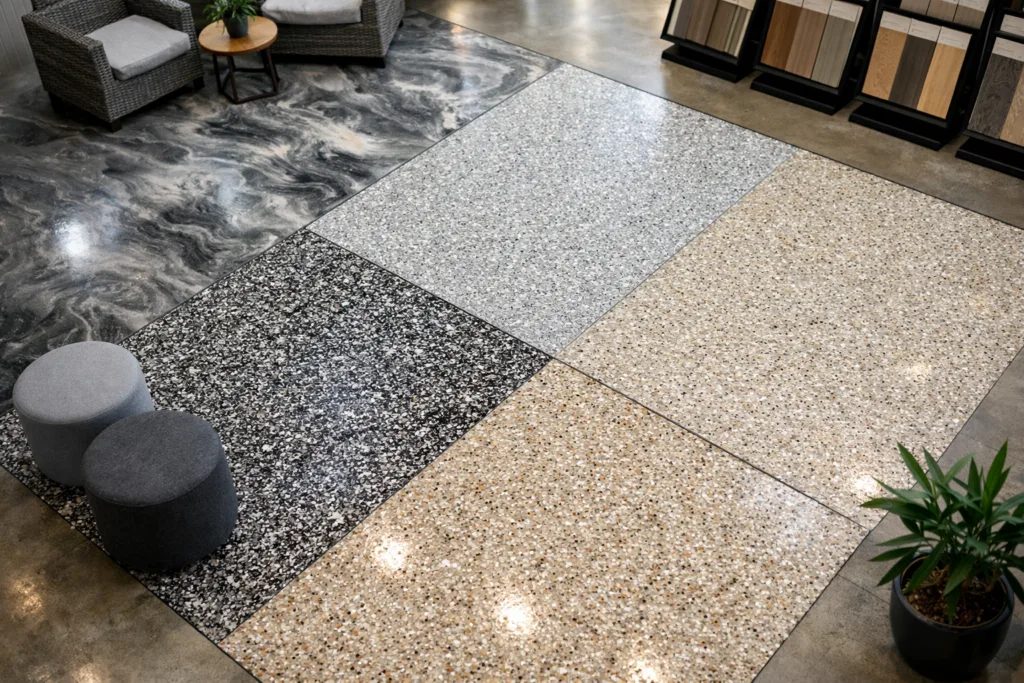
- Decorative Finish: Pigments, flakes, or colored quartz raise material and labor costs.
- Labor and Downtime: Complexity, site access, and required shutdowns affect installation pricing.
Each factor stacks up to shape the final quote. Getting site-specific details early is key to accurate budgeting.
Epoxy Flooring Cost by Project Type
Cost varies greatly depending on the space and functional demands:
- Garage: $3–$7 per sq.ft. for basic protection; $7–$12 per sq.ft. for decorative or thick self-leveling coats.
- Warehouse: $5–$10 per sq.ft. for abrasion-resistant finishes. Forklift zones require tougher, sometimes pricier systems.
- Showroom: $8–$18 per sq.ft. for high-gloss, decorative, or colored sand topcoats.
- Factory: $10–$25 per sq.ft. for chemical-resistant or anti-static flooring—see Chemical Resistant Resin Flooring.
- Retail/Commercial: $8–$15 per sq.ft. for blend of aesthetics and durability.
Each project type may call for a unique system or primer. For instance, in damp or cold environments, products like ZDS-105 Water-Based Acrylic Epoxy Primer for Concrete & Ceramic offer moisture-tolerant bonding.
Material Cost vs Installation Cost
Epoxy flooring costs can be split into materials and installation:
- Resin: Main component; prices depend on quality, formula, and additives.
- Primer: Essential for adhesion; specialty primers may cost more, but save money long-term by preventing failures.
- Topcoat: Protects against wear/chemical exposure.
- Aggregates/Flakes: Used in decorative or anti-slip systems; can double material costs.
- Labor: Includes surface prep, mixing, application, and finishing.
- Prep Equipment: Grinders, vacuums, moisture meters—required for proper installation.
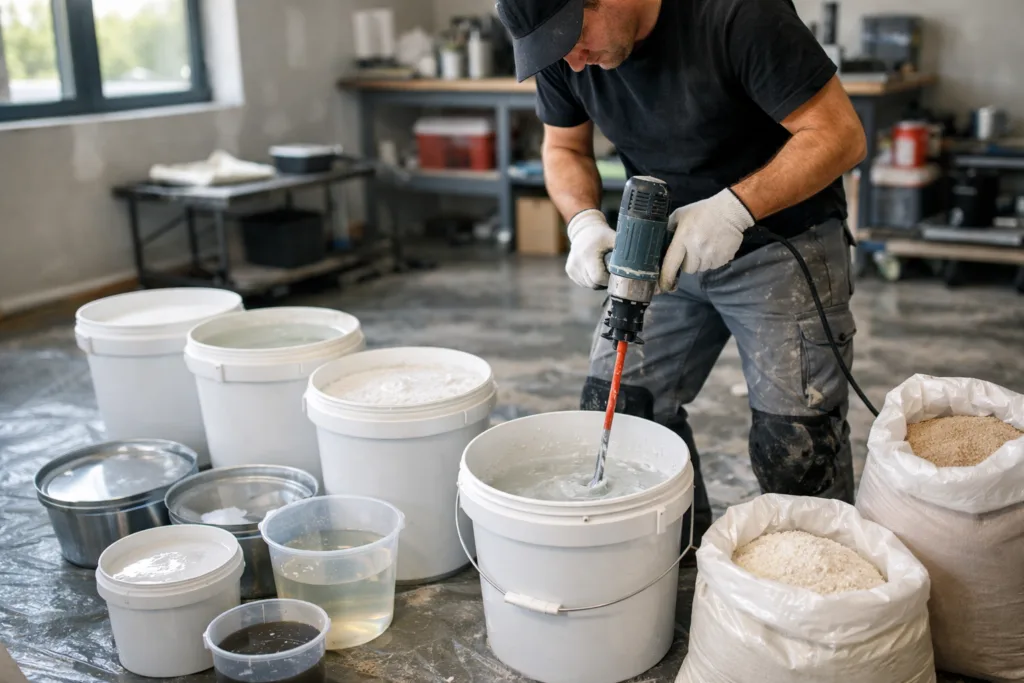
Labor is often the largest variable, especially if surface issues or complex finishes are involved. Material savings can be found by matching system selection to actual requirements—a strategy familiar on ZDSpoxy projects, where batch size and mix ratios are checked to avoid wasted resin or air entrapment.
Why Surface Preparation Changes the Price So Much
Surface preparation is the silent driver behind epoxy flooring cost. Proper prepping prevents delamination, bubbles, and short service life. Main techniques include:
- Grinding: Removes old coatings and evens out high spots.
- Shot Blasting: Profile creation for primer adhesion.
- Crack Repair: Fills defects before resin is installed.
- Leveling: Ensures final floor is smooth and consistent.
- Moisture Barrier: Protects against rising water or vapor that can break down epoxy.
Failure to invest in surface prep leads to costly repairs. Budgeting for prep can make or break overall results—especially in demanding environments.
Basic Epoxy vs Self-Leveling vs Decorative Systems
Epoxy floors are available in three main system types—each with distinct price ranges and performance traits:
| System Type | Typical Price Range (2026) | Best For |
|---|---|---|
| Basic Roll-On Epoxy | $3–$7/sq.ft. | Residential garages, light traffic |
| Self-Leveling Epoxy | $6–$12/sq.ft. | Factories, workshops, areas needing seamless finish |
| Decorative Epoxy (Flakes, Quartz) | $8–$18/sq.ft. | Showrooms, retail spaces, custom floors |
Choose based on performance needs, aesthetics, and budget. Self-leveling and decorative systems require thicker pours and precise mixing—meaning more material/labor and higher costs, but also longer service life and visual impact.
Is Epoxy Flooring Cheaper Than Tile or Other Flooring Options?
Epoxy’s cost must be compared not just to installation price, but long-term lifespan. Average first-year costs are:
- Epoxy Flooring: $4–$18 per sq.ft., lasts 8–20 years with proper care.
- Tile: $7–$22 per sq.ft., prone to grout failure and cracking under heavy loads.
- Polished Concrete: $5–$15 per sq.ft., lower maintenance but less chemical resistance.
- Other Resin Systems: Polyurethane, acrylic, or resin-bound stone offer specialized performance and price points.
Epoxy’s seamless surface eliminates grout joints, helping reduce maintenance and hygiene risks. To learn more about antimicrobial resin options, visit Antimicrobial Resin Flooring. For detailed industry comparisons, see Resin Flooring vs Epoxy Flooring: The 7 Industry Truths That Save You Cost and Downtime.
How to Reduce Epoxy Flooring Cost Without Sacrificing Performance
Reducing cost shouldn’t mean cutting corners. Strategies include:
- Choose System Wisely: Match the epoxy type to traffic and chemical exposure.
- Control Thickness: Oversizing layers wastes material unnecessarily.
- Minimize Rework: Invest in surface prep—cheaper than fixing failures.
- Pre-Project Evaluation: Plan with substrate tests, moisture checks, and site inspections. ZDSpoxy’s approach includes pre-job QC and substrate temperature controls to ensure mix and cure rates remain optimal.
Site-specific recommendations and expert advice are more valuable than chasing the lowest price. It’s worth requesting customized solutions for your project.
How to Get an Accurate Epoxy Flooring Quote
To receive an accurate quote, be ready to share:
- Area Size: Provide clear square footage measurements.
- Usage Scenario: Is it light commercial or heavy industrial?
- Temperature & Humidity: Affects resin selection and curing schedule.
- Substrate Condition: Specify any cracks, moisture, or contamination.
- Finish Requirements: Decorative, matte, anti-slip, or high-gloss?
- Timeline: Time constraints impact system choice; fast-cure vs traditional.
A thorough project survey saves time, prevents hidden costs, and helps installers calculate precise material batches.
Request a Custom Epoxy Flooring Recommendation
To get the right solution, describe your project details, performance expectations, and budget goals. Requesting samples or site-specific system suggestions can help pinpoint material choices and application advice. Epoxy experts can guide you to best-fit products, moisture-tolerant primers, or topcoats designed for your environment.
Frequently Asked Questions
How much does epoxy flooring cost per square foot?
Epoxy flooring typically ranges from $3 to $18 per square foot, depending on system type, finish, and local labor rates.
Is epoxy flooring suitable for garages?
Yes, epoxy is ideal for garage floors. It resists oil, water, and wear, providing a durable and cleanable surface.
What project factors change the price most?
Size, substrate condition, surface prep, chosen epoxy system, and finish requirements are main price drivers.
Can decorative epoxy finishes be affordable?
Decorative finishes cost more, but using thinner flakes or simple color may keep price reasonable without sacrificing quality.
How do I know if my floor needs extra prep?
Check for cracks, moisture, and uneven surfaces. Those issues require additional repairs and coatings, affecting cost.
Is epoxy cheaper long-term than tile?
Epoxy is often cheaper over time due to fewer maintenance demands, longer lifespan, and seamless, hygienic surfaces.