
Introduction: The Challenge of Epoxy Yellowing and UV Stability
Anyone involved in industrial flooring or decorative surfacing knows that maintaining a flawless appearance is an ongoing challenge. One of the persistent issues in the world of coatings is epoxy yellowing. This phenomenon occurs when beautiful, freshly installed floors gradually develop a yellowish hue, losing their original color and visual appeal. The main culprit is exposure to sunlight and ultraviolet (UV) light, which triggers chemical changes in epoxy resins.
But not all epoxies are created equal when it comes to UV stability. The difference between aliphatic and aromatic epoxy systems becomes especially important, especially for areas subject to UV light, such as entrances, showrooms, and industrial zones with natural light. This article explores what causes epoxy yellowing, compares resin types, and provides practical solutions for keeping your flooring systems looking sharp for the long term.
What Is Epoxy Yellowing?
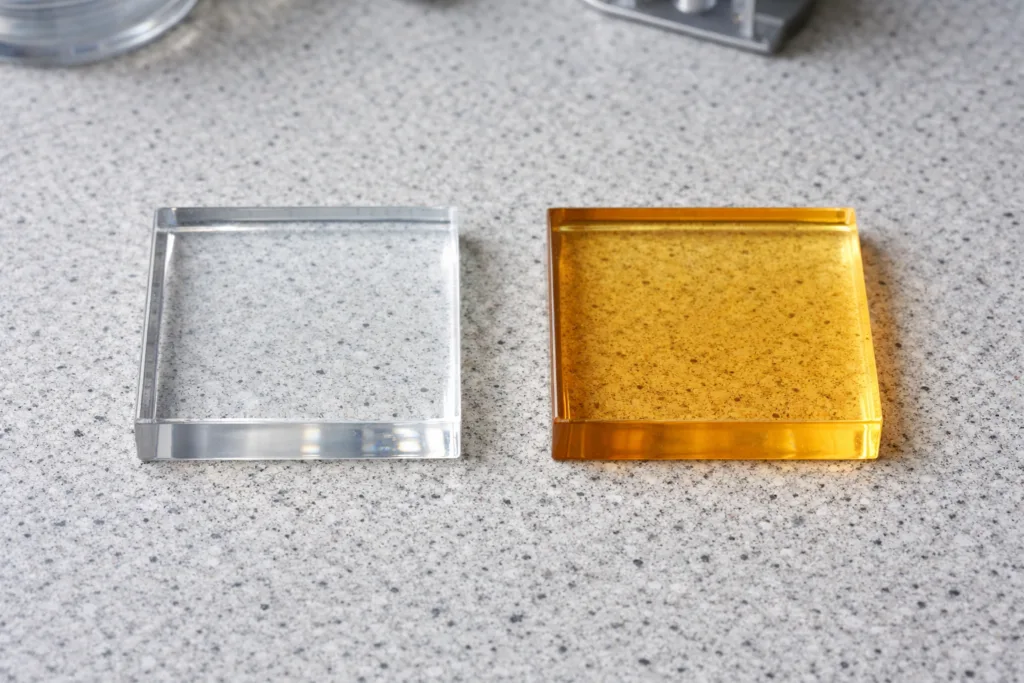
Epoxy yellowing refers to the gradual discoloration or shift in color that occurs when cured epoxy is exposed to certain environmental conditions—mostly UV radiation. The resin may start with a clear or lightly colored finish but changes to yellow, amber, or even dark brown over time due to chemical reactions inside the polymer matrix.
How Does UV Light Affect Epoxy Resins?
Ultraviolet light is a high-energy form of radiation found in sunlight and some artificial lights. When UV rays strike the surface of an epoxy floor, they break chemical bonds in the resin molecules. This process, known as ‘photodegradation’, is what leads to visual changes like yellowing, chalkiness, and even physical damage such as cracking or surface embrittlement. Some types of epoxy resins are more susceptible to UV degradation than others, depending mainly on their molecular structure.
Underlying Chemistry: Aliphatic vs. Aromatic Epoxy
Understanding the chemistry of epoxies is key to managing UV stability. Epoxy resins are generally classified as either aliphatic or aromatic, based on their backbone structure:
- Aromatic epoxy resins contain benzene rings that are sensitive to UV attack. These are common, affordable, and used widely but have poor UV stability.
- Aliphatic epoxy resins are built without those aromatic rings, using saturated carbon chains less vulnerable to UV energy. They cost more but deliver much higher resistance to yellowing and surface degradation.
Common Applications: Where Yellowing Is a Problem
It’s important to identify the areas where epoxy yellowing will have the most impact. Any floor or surface that’s visible to occupants and guests, especially those under skylights or near windows, is at high risk. These include:
- Commercial entrances and lobbies
- Restaurants, cafes, and retail showrooms
- Laboratories and healthcare spaces with daylighting
- Warehouses with open loading zones
- Workshops, garages, and exterior balconies
Recognizing Early Signs of Epoxy Yellowing
Not all changes are immediate. Early warning signs of yellowing include:
- A shift in glossiness or shine
- Subtle warm tinting, especially around edges
- Color differences between sunlit and shaded areas
- Gradual cloudiness or hazing
Why Do Some Epoxy Floors Yellow Faster?
Several factors accelerate yellowing:
- Direct sunlight exposure for many hours per day
- High temperatures speeding up chemical reactions
- Poor UV-resistance in the formulation
- Thin or uneven application, exposing more resin to air
UV Stability in Epoxy Systems
UV stability is a measure of how well an epoxy system resists degradation when exposed to sunlight or artificial UV sources. Systems with good UV stability retain their original appearance, gloss, and strength, even after years of service. Performance testing (like accelerated weathering chambers) helps manufacturers quantify these properties for different resin blends.
Comparing Aliphatic and Aromatic Epoxy: A Side-by-Side Table
| Property | Aliphatic Epoxy | Aromatic Epoxy |
|---|---|---|
| Yellowing Resistance | Excellent | Poor |
| Gloss Retention | Very High | Medium to Low |
| Cost | Higher | Lower |
| Chemical Structure | Saturated (no benzene ring) | Aromatic (has benzene ring) |
| Common Use | Outdoor floors, UV-exposed zones | Interior floors, industrial settings without sunlight |
| Color Options | Wide; stays true over time | Wide; yellows with time |
Can You Prevent Epoxy Yellowing?
While complete prevention is challenging, the right strategies can dramatically slow or reduce yellowing in epoxy installations:
- Choose epoxies with built-in UV blockers or stabilizers
- Use aliphatic resins for sun-exposed zones
- Apply protective topcoats with UV-absorbers (like polyurethane or polyaspartic layers)
- Install sun shades or UV-filtering window films in sensitive areas
Cutting-Edge UV-Stable Epoxy Technologies
Modern manufacturing offers epoxy and hybrid coatings with dramatically improved UV resistance. For example, the ZDS-1239AB epoxy colored sand topcoat uses advanced UV stabilizers to hold color and clarity, even after prolonged exposure. These anti-yellowing series products help resolve the classic trade-off between strength and UV stability.
Role of Protective Topcoats in UV Resistance
Even highly UV-stable epoxies benefit from a final topcoat. Polyaspartic and polyurethane topcoats like ZDS-8300AB 2K polyurethane clear topcoat provide a protective shield, absorbing the brunt of UV rays before they can reach the epoxy layer underneath. This modular system greatly extends the floor’s aesthetic life.
Testing and Quality Assurance for UV Stability
How do you know a system will hold up against yellowing? Manufacturers use accelerated aging tests like QUV (fluorescent UV condensation) and real-time weather exposure. Results are documented as hours to noticeable yellowing or gloss loss. When working with high-spec systems, always request data or case studies relevant to your climate and use case.
Real-World Jobsite Issues Affecting Yellowing
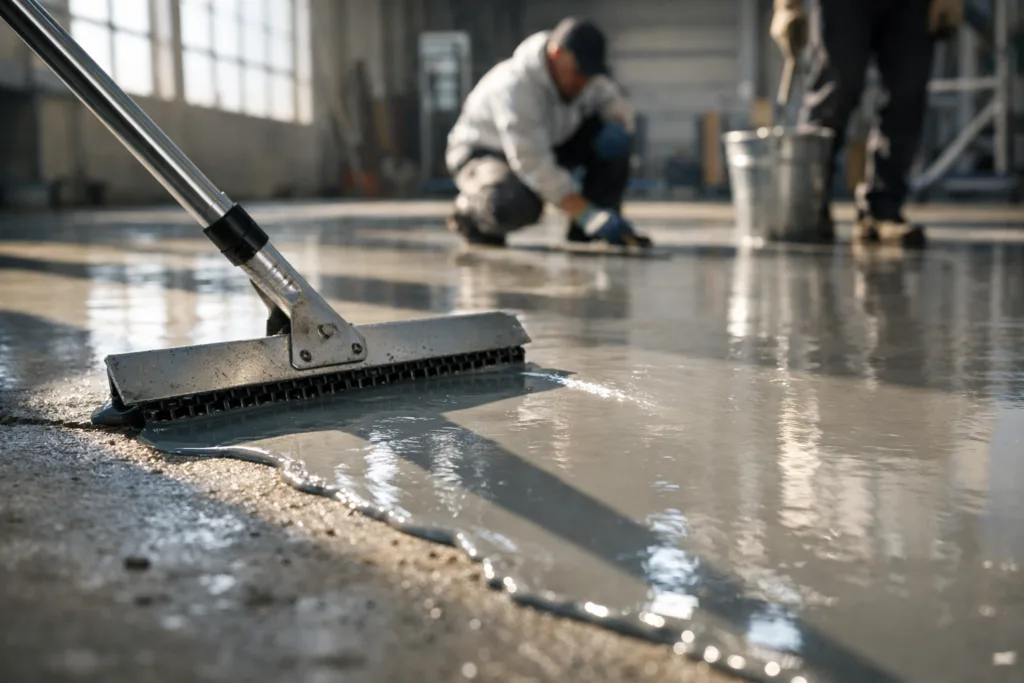
Beyond resin chemistry, application details can make or break UV performance. For instance, poor mixing, thin application, high substrate moisture, or missed curing times all leave your floor more vulnerable. ZDSpoxy engineers often stress the importance of consistent batch mixing, proper primer selection, and environmental controls on-site to avoid premature surface degradation—even with the best resin in hand.
Anti-Yellowing Best Practices for Installers
For flooring installers and maintenance managers, the following steps are essential for long-lasting, yellow-free performance:
- Review resin technical datasheets for UV resistance
- Measure and batch with precision to manufacturer’s ratios
- Apply under suitable temperature and humidity
- Allow proper cure time before exposing to sunlight or harsh chemicals
Maintenance Strategies to Extend Epoxy Floor Lifespan
Ongoing care can slow yellowing and enhance UV stability. Practical steps include:
- Regular cleaning to remove dirt and alkalis, which can accelerate surface aging
- Prompt touch-up of scratches or chips
- Scheduling periodic topcoat refreshes in high-traffic or high-UV areas
Alternatives to Standard Epoxy for Maximum UV Stability
For truly UV-critical situations, some users opt for alternative resins. Polyaspartics and advanced polyurethane coatings, such as the ZDS-1223AB polyaspartic clear topcoat, provide exceptional color retention and gloss longevity. These systems can be layered over epoxy primers for combined structural and UV performance.
Epoxy Yellowing in Colored and Decorative Floors
Decorative flooring systems—such as those using colored aggregates, chips, or metallic pigments—are especially sensitive to yellowing. High-UV areas may distort color blends or cause uneven aging. Selecting anti-yellowing basecoats and specialty topcoats is vital for maintaining design integrity.
Environmental Health and Safety Considerations
While many UV stabilizers are safe for interior use, always check VOC contents and required personal protective equipment (PPE). Most modern UV-blocking additives used in quality epoxy flooring meet robust indoor air quality standards.
When to Specify Aliphatic vs. Aromatic Epoxy
The right epoxy choice depends on the expected light exposure and the importance of aesthetics:
- Use aromatic epoxies for utility or back-of-house floors shielded from light.
- Specify aliphatic resin or UV-protected systems anywhere sunlight, windows, or design elements make yellowing visible.
Budgeting and Lifecycle Costs for UV Stable Epoxy
Aliphatic and UV-resistant systems cost more upfront but deliver substantial savings by reducing future rework and maintenance. Investing early in anti-yellowing solutions is less expensive—and less disruptive—than resurfacing faded floors later.
How ZDSpoxy Develops and Tests High UV-Stable Resin Solutions
ZDSpoxy’s research and development teams continually test new photostable chemistries for flooring customers worldwide. These include carefully balanced aliphatic and hybrid formulations, each batch QC-tested for gloss retention, color shift, and chemical resistance. This commitment helps clients achieve reliable and long-lasting results, even under demanding UV and traffic conditions.
Case Examples: Successful UV-Stable Floor Systems
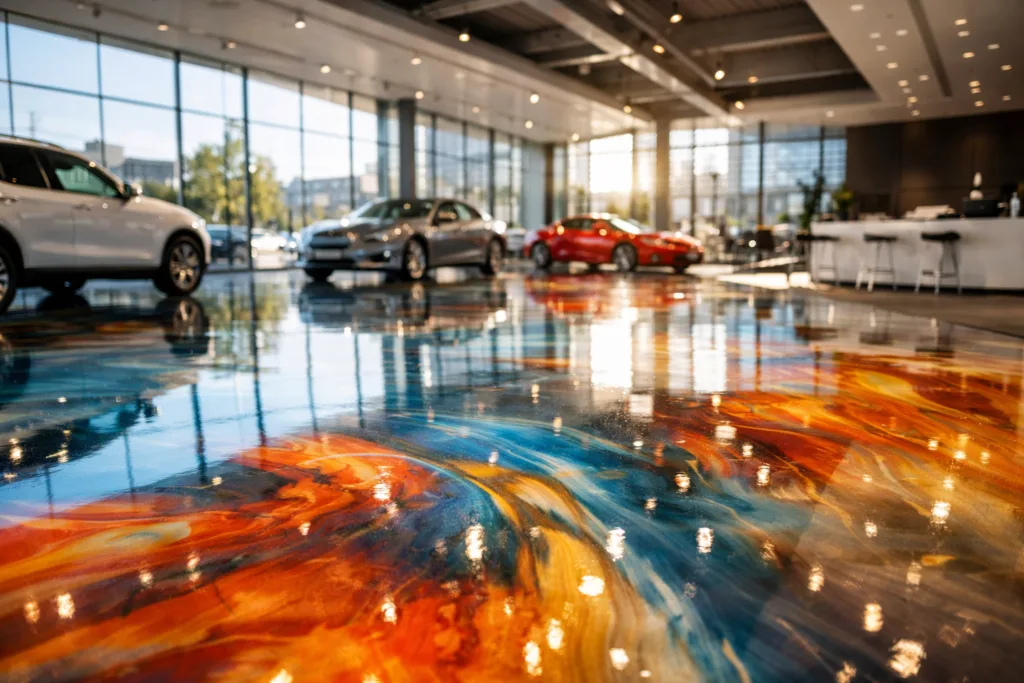
In large-scale projects—such as airports, shopping centers, and tech labs—combining a pigment-stable base layer with a UV-absorbing topcoat has consistently prevented premature yellowing. These installations stand as proof of the value of proper resin selection plus quality-controlled site practices.
Frequently Asked Questions
What is epoxy yellowing and why does it matter?
Epoxy yellowing is the change of color—usually toward yellow or amber—in epoxy floors caused by UV exposure, which impacts the floor’s appearance and may indicate surface degradation.
What is the main difference between aliphatic and aromatic epoxy?
Aliphatic epoxies do not have aromatic rings, making them much more resistant to UV-induced yellowing; aromatic epoxies are more common but less UV stable and more prone to color change.
How can I minimize yellowing in my epoxy floor?
Use epoxies with UV blockers, specify aliphatic resins or apply a UV-protective topcoat, and follow proper installation and curing techniques to prolong surface clarity.
Is there a proven solution for UV-stable decorative floors?
Yes, using anti-yellowing series products such as UV-stabilized colored topcoats and high-performance clear layers offers long-lasting color retention in decorative applications.
Can I repair yellowed epoxy floors?
Mild surface yellowing can sometimes be buffed or recoated with a UV-stable topcoat, but deep or widespread yellowing may require a full system refresh.
How do I know if my epoxy system will resist yellowing?
Check for technical datasheets describing UV resistance, accelerated aging results, or request case studies for your specific floor type and exposure conditions.
Related Reading
- Top 5 Strategies for UV Resistant Waterproof Coatings: Ultimate Balcony & Exterior Wall Guide
- The Contractor’s Roadmap: Epoxy Primer Selection That Prevents Delamination
- How Shore D Hardness Predicts Real-World Floor Impact Durability
- 2026 Trends: Flowing Metallic Epoxy Pigments and Designer Resin Art for Floors
- Polished Concrete vs Epoxy Flooring: Cost, ROI, and Durability in 10 Years