
Introduction: Why Concrete Moisture Testing Matters
Proper concrete moisture testing is a vital step before any flooring, coating, or epoxy installation. Hidden moisture within concrete can compromise adhesion, cause costly failures, and even provoke health issues such as mold and bacterial growth. This article takes a deep dive into the essential methods for evaluating concrete moisture—including the popular ‘Plastic Sheet Test’ and the industry-standard Calcium Chloride test. We’ll also explore why understanding the nuances of moisture control is crucial for professionals aiming for lasting results, especially with advanced epoxy systems like those engineered by ZDSpoxy.
What Is the Plastic Sheet Test?
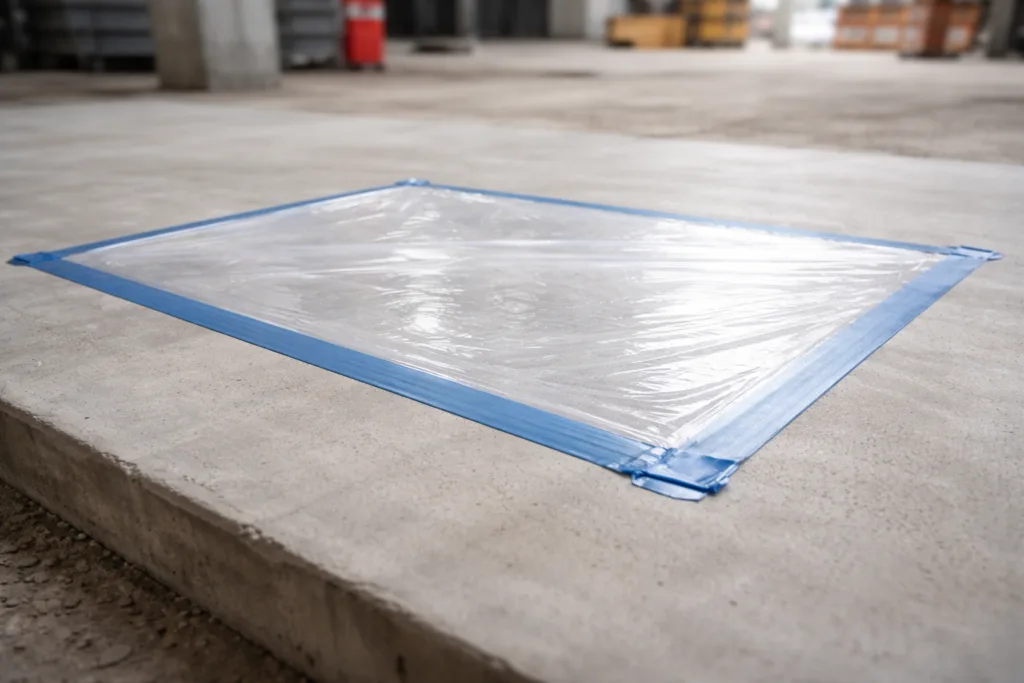
The Plastic Sheet Test is a simple, low-cost method designed to detect excess moisture vapor escaping from concrete surfaces. Widely used on job sites, it’s especially helpful for a quick assessment prior to more detailed chemical tests. While not as quantitative as the Calcium Chloride test, it provides a clear visual indicator if the floor is too damp for coatings or adhesives.
Step-by-Step: Performing the Plastic Sheet Test
- Choose a clean, representative location on the concrete substrate.
- Tape down the edges of a clear plastic sheet (approx. 45×45 cm) using moisture-impermeable tape.
- Ensure the tape is tightly sealed to prevent air exchange.
- Leave undisturbed for at least 16 to 24 hours.
- After waiting, remove the sheet and inspect for visible condensation or darkening of the surface.
Interpreting Your Results
- Condensation or darkening: Indicates excessive moisture leaving the surface—unsuitable for epoxy application.
- No condensation, surface unchanged: Next steps may include quantitative testing before proceeding.
Advantages of the Plastic Sheet Method
- Fast and inexpensive—no specialized equipment needed.
- Easy to perform on jobsites with limited resources.
- Good initial screening test for moisture-sensitive installations.
Limitations to Know
- Qualitative only—does not measure exact moisture vapor emission rate (MVER).
- Can miss below-surface moisture not actively escaping.
- Results affected by ambient temperature, humidity, and tape integrity.
Understanding the Calcium Chloride Test for Concrete
While the Plastic Sheet Test is excellent for fast screening, the quantitative Calcium Chloride test is favored for its ability to measure precise moisture vapor emission rates (MVERs) in pounds per 1000 sq ft per 24 hours. This laboratory-grade approach sets the standard for verifying site readiness for high-performance coatings, such as epoxy and polyurethane systems.
Procedure: How to Conduct a Calcium Chloride Test
- Thoroughly clean the test area and ensure it’s free from sealers, wax, or debris.
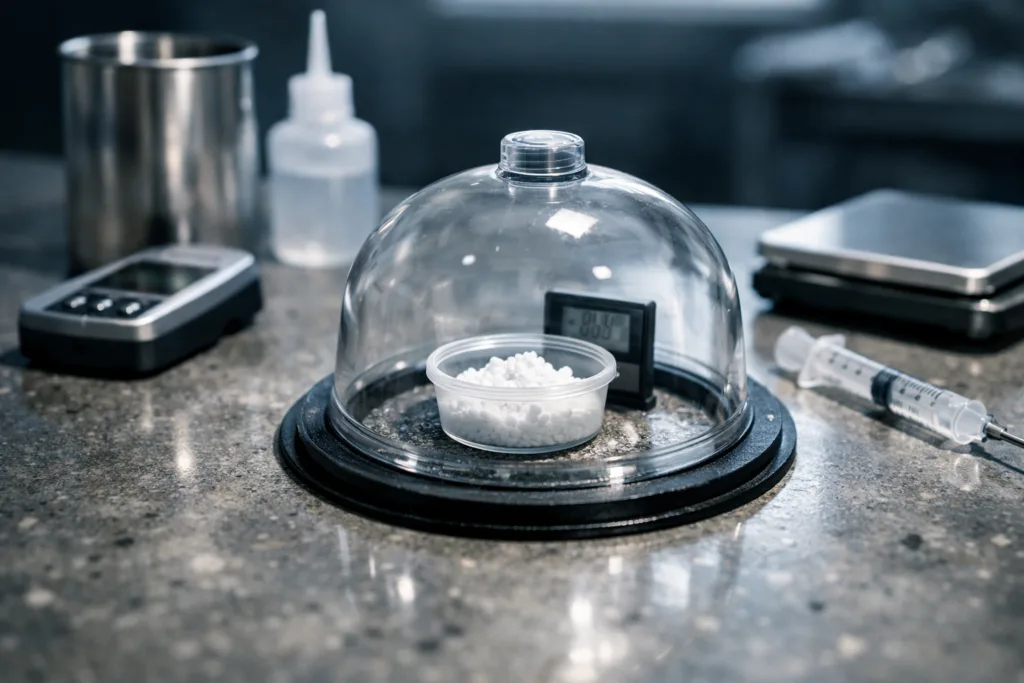
- Place a pre-weighed dish of calcium chloride salt inside a sealed plastic dome on the concrete surface.
- After 60 to 72 hours, remove the dome and re-weigh the dish to determine moisture absorbed.
- Calculate the moisture vapor emission rate using the difference in weight.
Result Interpretation
- MVER below 3 lbs/1000 sq ft/24 hrs: Generally safe for epoxy flooring and resin-bound systems.
- MVER above 3 lbs/1000 sq ft/24 hrs: Indicates elevated risk—moisture mitigation is mandatory before installation.
Benefits of the Calcium Chloride Method
- Accurate measurement trusted by manufacturers and specifiers.
- Accepted standard for warranty and compliance documentation.
- Precision results enable targeted moisture mitigation strategies.
Potential Drawbacks
- Longer test duration (minimum 3 days).
- Requires temperature and humidity control during testing.
- Not suitable for surfaces below grade or covered by vapor barriers.
Epoxy Adhesion: Why Moisture Makes or Breaks Performance
Moisture lurking beneath the surface interferes with the chemical bond between epoxy primers, coatings, and concrete. Minor undetected dampness can cause blisters, peeling, and widespread adhesion failures—often within weeks of curing. Testing is critical to ensuring that heavyweight polyurethane and advanced resin flooring systems adhere safely and endure under heavy loads.
ZDSpoxy engineers have witnessed firsthand that even “light” moisture levels can cascade into major failures. Epoxy’s technical performance—compressive strength, thermal expansion compatibility, and chemical resistance—relies on a dry, well-prepped substrate.
Industry Standards & Testing Guidelines
For commercial and industrial floors, standards like ASTM F2170 and F1869 govern moisture testing procedures and acceptance criteria. Installers should always consult these standards alongside manufacturer recommendations and warranty terms.
Recommended Testing Sequence Before Epoxy Application
- Start with multiple Plastic Sheet Tests across different locations.
- If all sites pass, conduct at least two Calcium Chloride tests for coverage.
- Base mitigation or installation decisions on the worst-case area.
Common Causes of Excess Concrete Moisture
Moisture issues arise from many sources—improper curing, recent cleaning, groundwater migration, slab placement over saturated subgrade, weather, condensation, and even HVAC system cycles.
Hidden Moisture: Below Surface Hazards
- Sub-slab vapors migrating from damp fill or groundwater.
- Condensation collecting due to thermal cycling.
- Delay between slab pour and scheduled testing leading to misreadings.
Impact of Moisture on Epoxy Floor Systems
Improper moisture levels can cause osmotic blistering, delamination, cracking, and loss of surface aesthetics—each undermining the floor’s structural and visual value. High-wear, chemical-resistant epoxy coatings especially depend on thorough moisture checks for their longevity and performance guarantees. For example, ZDSpoxy’s chemical-resistant resin flooring systems demand a verified dry substrate for proper bonding.
Read more about chemical resistant resin flooring solutions if your project faces harsh exposure environments.
Plastic Sheet Test vs. Calcium Chloride Test: Comparison Table
| Feature | Plastic Sheet Test | Calcium Chloride Test |
|---|---|---|
| Type | Qualitative | Quantitative |
| Time Required | 16–24 hours | 60–72 hours |
| Cost | Low | Moderate |
| Expertise Needed | Minimal | Moderate |
| Data Output | Go/No-Go Result | MVER (lbs/1000 sq ft/24 hrs) |
| Accepts Warranty? | No | Yes |
| Best Use Cases | Preliminary, onsite screening | Final approval, documentation |
Recognizing Epoxy Adhesion Failures
Symptoms of poor adhesion linked to moisture include bubbling, fizzing sounds, and easy peeling tests. These indicators flag major risk for load-bearing and decorative floor systems.
Site Preparation: Ensuring Accurate Results
Achieve accurate readings by prepping the site: sweep thoroughly, avoid recent cleaning or slab washing, and maintain site temperature above 65°F (18°C). Never perform tests over sealers, wax, or painted surfaces.
Addressing Failed Moisture Tests
Should your site present excessive moisture, options include vapor barriers, moisture-mitigating primers, substrate heating, or extended drying intervals. ZDSpoxy’s experts recommend choosing moisture-tolerant epoxy primers such as their ZDS-1012ab Epoxy Primer for tough conditions, but always validate suitability through lab testing and site records.
Expert View: ZDSpoxy Engineering Insights
From the plant floor to large-scale job sites, ZDSpoxy technical specialists highlight that batch consistency, mixing ratio discipline, and surface cleanliness are just as essential as moisture readings. Moisture testing forms the backbone of reliable epoxy selection—especially when compressive strength and thermal expansion performance are at stake in high-traffic installations.
How Many Test Locations Are Needed?
Industry best practice recommends at least one test per 500 sq ft, with extra testing at known risk zones (corners, edges, slab joints). Always base your moisture control plan on the highest test result found.
The Role of Ambient Conditions: Temperature and Humidity
Ambient weather during testing dramatically affects results. Both test methods are best performed in controlled environments, with records kept for compliance and later troubleshooting.
Moisture Tolerant Floor Solutions
For sites that persistently fail standard moisture tests, consider moisture-tolerant epoxy or polyurethane flooring systems. Always consult with resin manufacturers for project-specific recommendations.
Essential Concrete Moisture Testing: The Plastic Sheet Method
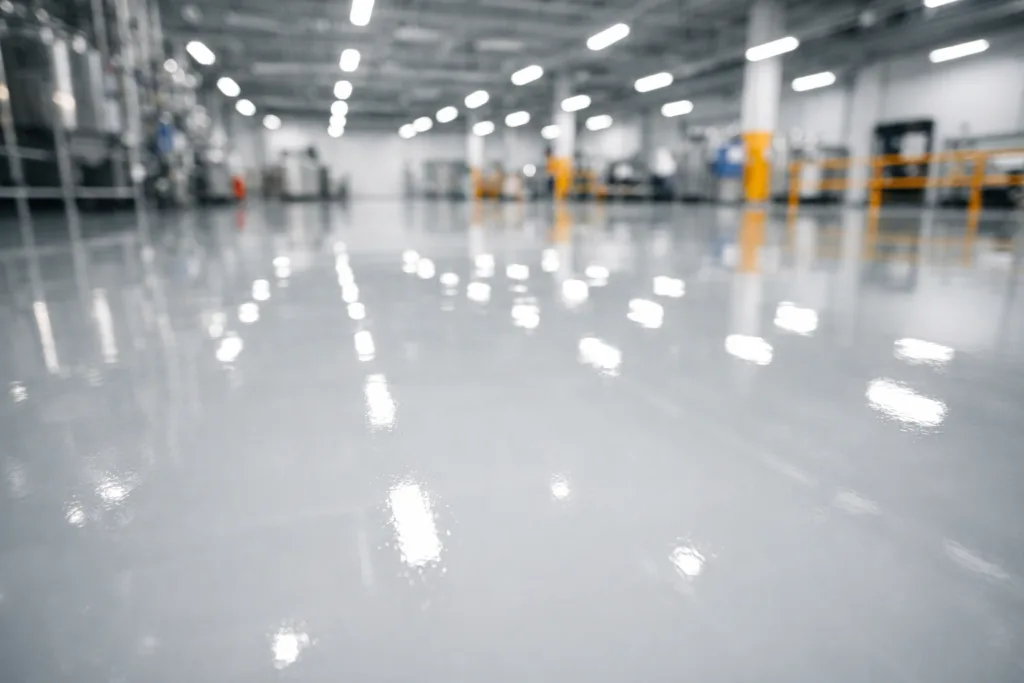
Both the Plastic Sheet Test and Calcium Chloride method form a comprehensive strategy for preventing hidden failures in concrete floors. While fast and cost-effective, the plastic sheet method gives a crucial early warning, whereas the calcium chloride test delivers reportable, warranty-eligible results. Together, they enable project teams to select the right primers, adhesives, and coatings, safeguarding every installation against avoidable moisture-driven breakdowns.
Frequently Asked Questions
What is the fastest way to test moisture in concrete?
The Plastic Sheet Test provides a quick go/no-go assessment—ideal for initial screening before proceeding with more detailed methods.
How does moisture cause epoxy flooring to fail?
Moisture blocks critical chemical bonding, leading to adhesive breakdown, bubbles, and reduced strength in epoxy coatings.
Is the Calcium Chloride test accepted for flooring warranties?
Yes, it provides quantitative, documented results required by most manufacturers for warranty and compliance approval.
Can moisture issues in concrete be fixed after pouring?
Solutions include vapor barriers, moisture-mitigating primers, and extended drying times. Testing guides the best action for each case.
What environmental conditions affect moisture testing accuracy?
Temperature, humidity, slab cleaning, and air movement can all impact test results. Controlled environments yield the most reliable readings.
Why does ZDSpoxy stress batch consistency in epoxy installation?
Repeatable mixing and consistent surface prep are critical to overall resin system performance, especially under high traffic and load conditions.
Related Reading
- Blister-Free Floors: Defeating the Top 5 Causes of Epoxy Osmotic Failure
- Maximize Floor Strength: The Science Behind Aggregate Loading in Epoxy Mixes
- Safer Floors, Stronger Bonds: Water-Based vs. 100% Solids Epoxy Compared
- How Raw Materials Impact Epoxy Adhesive Quality
- ZDSpoxy Resin: The Heavy-Duty Flooring Solution That Outlasts Cement