
What Is Flooring Resin?
Flooring resin is a highly engineered material designed to create seamless, durable, and chemical-resistant floors. These resins—commonly epoxy, polyurethane, or methyl methacrylate (MMA)—act as the binding and performance agent in industrial, commercial, and specialty flooring systems. Their distinct formulas deliver benefits such as mechanical strength, chemical resistance, and high wear for heavy-duty operations.
Each type plays a unique role. Epoxy resins are prized for adhesion and compressive strength. Polyurethane resins feature high flexibility and impact resistance. Finally, MMA resins bring fast cure times ideal for rapid turnarounds. Together, these resins address distinct project demands, from warehousing to healthcare, based on service life, speed of installation, and operation conditions.
Why Buyers Search for a Flooring Resin Manufacturer in the USA
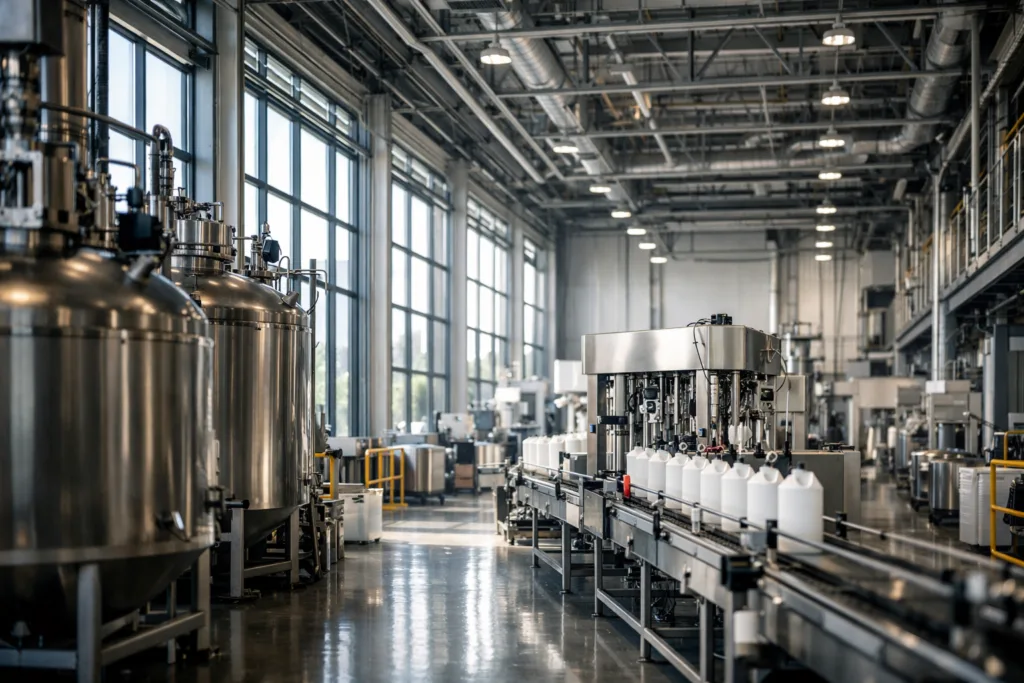
Sourcing from a qualified flooring resin manufacturer in the USA offers multiple advantages. Fast project timelines require quick delivery—something only local or regionally present suppliers can reliably provide. Compliance with US codes (such as VOC limitations and chemical labeling) is vital for regulatory peace of mind. Hands-on technical support, stable logistics, batch-to-batch consistency, and real-time project troubleshooting depend on strong local or continental partners. These factors collectively ensure success for flooring contractors and facility managers alike.
Types of Flooring Resins Available
Flooring resin systems span a wide range of materials, each tailored for demanding industrial and commercial settings.
- Epoxy Flooring Resin: Popular for its bonding strength, durability, and versatility. Often used in factories, warehouses, and garages.
- Polyurethane Flooring Resin: Offers better flexibility, superior UV-stability, and resilience, making it ideal for areas with temperature swings or heavy impact.
- Self-Leveling Systems: Provide ultra-smooth surfaces optimal for sensitive manufacturing (such as electronics or pharma).
- Anti-Slip Systems: Required for food service, wet process areas, and safety-critical walkways.
- Chemical-Resistant Systems: Designed with enhanced resistance for laboratories, food processing, and manufacturing environments handling harsh chemicals.
If you need a detailed overview of different resin flooring solutions, visit the Flooring Resin Systems guide for an in-depth look at available formulations and their benefits.
Applications of Flooring Resin Systems
The versatility of epoxy and polyurethane flooring resins means they find use in almost every sector:
- Warehouse & Logistic Centers: Seek abrasion resistance and high load tolerance.
- Factory and Industrial Plants: Require chemical resistance and anti-slip properties to withstand spills and heavy machinery.
- Garage & Automotive Facilities: Favor seamless, oil-resistant coatings for easy cleaning.
- Commercial Buildings: Use resin flooring for aesthetics, high traffic endurance, and ease of maintenance.
- Food & Beverage Areas: Need antimicrobial, easy-to-sanitize floors, and can benefit from Antimicrobial Resin Flooring for enhanced hygiene.
- Hospitals & Laboratories: Depend on chemically resistant, seamless, and hygienic resin floors for safety and compliance.
What to Look for in a Flooring Resin Manufacturer
The best value in flooring resin supply comes from manufacturers with broad formulation capability and documented track records. Evaluate your supplier with these factors in mind:
- Formulation Capability: Ability to develop custom blends for site-specific needs.
- OEM/ODM Support: Private label or custom branding for contractors/distributors.
- Technical Datasheets & Documentation: Clear product specifications and safety data sheets (SDS/TDS) support correct use and jobsite compliance.
- Batch Consistency & Quality Testing: Process controls to ensure performance is repeatable in the field.
- Customization: From chemical resistance to color to slip-resistance, tailored systems are a must for diverse projects.
- Packaging and Logistics: Proper bulk or small container options, plus safe and reliable transportation.
ZDS-1012ab Epoxy Primer is an excellent example of a well-documented resin, supporting industrial flooring with robust technical backing and reliable batch performance: ZDS-1012ab Epoxy Primer.
Custom Flooring Resin Solutions for Different Industries
No two industries face identical challenges—manufacturing plants, automotive service centers, electronics cleanrooms, food processing lines, pharmaceutical labs, and retail or hospitality areas all have specialized resin flooring needs.
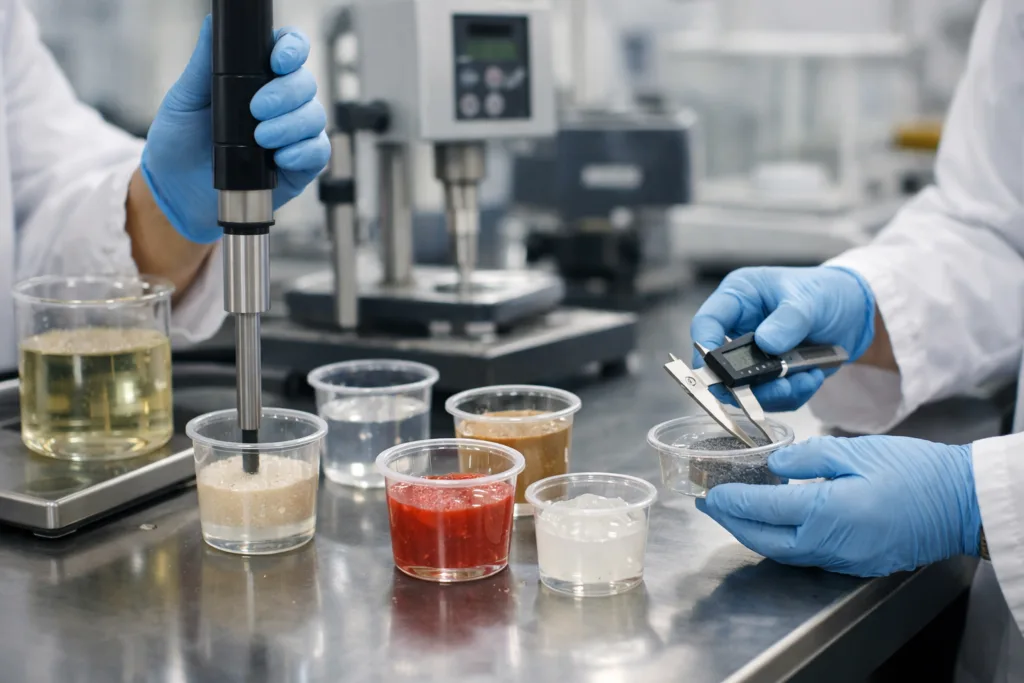
- Manufacturing floors benefit from reinforced systems resisting impact and chemical spillage.
- Automotive & Garages require oil-resistant, easy-to-clean, and traffic-durable coatings.
- Electronics Cleanrooms employ ESD and anti-static systems to prevent costly equipment failure. Explore ESD & Anti-Static Epoxy Flooring Systems to match regulatory demands.
- Food and Pharma need ultra-hygienic, organic acid-resistant, and antimicrobial solutions that are safe for contact and repeated cleaning.
- Retail/Commercial spaces often require stylish, decorative flooring with superior traffic performance and easy maintenance.
Why ZDSpoxy Can Support USA Flooring Projects
As an experienced flooring resin manufacturer, ZDSpoxy brings real-world understanding to material selection, mixing control, and project constraints. Common trade-offs involve balancing compressive strength versus flowability, managing exotherm heat buildup in thicker pours, and choosing between rapid cure or extended working time for complex installations. Our R&D and plant-floor experience inform recommendations tailored for US jobsite variables—from temperature swings to substrate moisture and local regulation compliance. This translates into project-specific, realistic system design and trusted technical support for flooring professionals.
How to Request the Right Flooring Resin
Selecting the best resin starts with clear project details. Be ready to communicate:
- Substrate Type: Is it new or existing concrete? Ceramic?
- Desired Thickness: Light traffic, medium duty, high load?
- Environment: Indoors or outdoors? Heated, cooled, or exposed to moisture?
- Chemical Exposure: Any risk of acids, bases, oils, or solvents?
- Curing Speed Needed: Quick return-to-service, or is extended working/open time more important?
- Finish & Features: Gloss/matte, slip-resistant, colored, ESD, etc.?
A detailed description helps resin manufacturers match the system precisely to your site and usage profile.
Get a Flooring Resin Recommendation or Quote
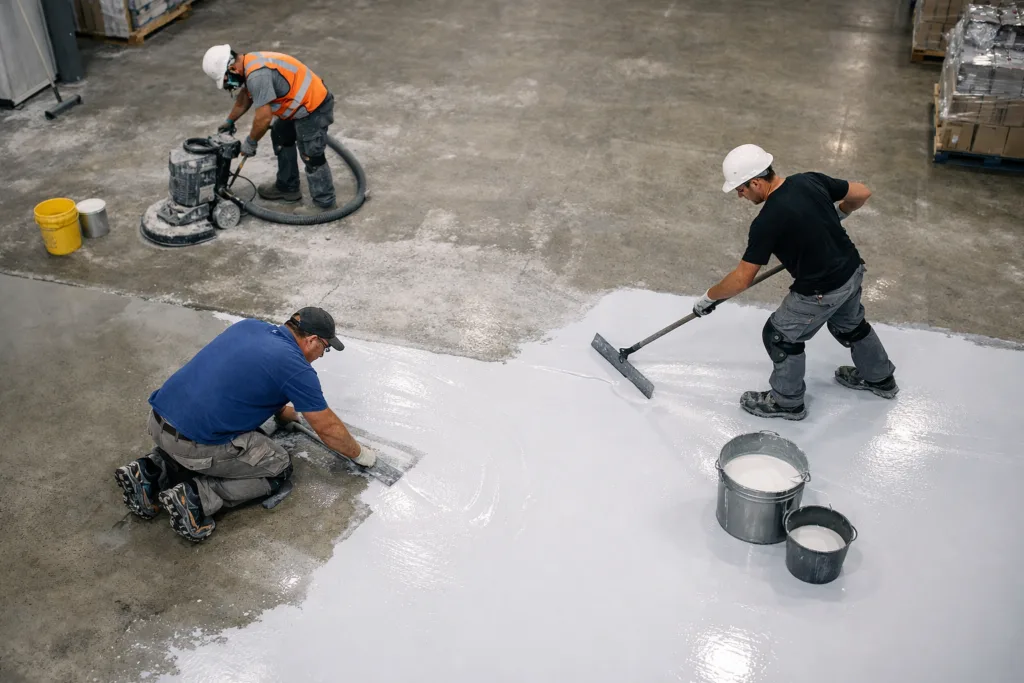
Ready for a custom recommendation, technical datasheet, or cost estimate? Outline your project’s location, square footage, industry context, key requirements, and install timeline. Professional resin manufacturers will help with sample selection, TDS provision, and technical project review to ensure the right solution is specified the first time.
Frequently Asked Questions
What is the difference between epoxy and polyurethane flooring resin?
Epoxy delivers strong adhesion, hardness, and chemical resistance ideal for factories, while polyurethane resists UV, is more flexible, and can handle higher impact.
How fast can flooring resin systems be installed?
Simple systems can be installed in 1–3 days; rapid-cure MMA resins allow even faster turnaround, sometimes within a single day.
How do I know which chemical-resistant resin is best?
Share details about chemicals present and frequency of exposure. The right manufacturer will recommend a system validated for your environment.
Is resin flooring safe for food processing or healthcare?
Yes, when using certified antimicrobial and VOC-compliant resin systems, they’re safe and preferred for hygiene-critical spaces.
How do you maintain resin flooring?
Routine sweeping and damp mopping maintain cleanliness. Periodic checks for scratches or wear ensure long service life.
Does ZDSpoxy support customized formulations for US projects?
Yes, ZDSpoxy offers custom blends, technical support, and materials suitable for unique project requirements in varying market sectors.
Related Reading
- Resin vs. Epoxy Flooring: Save Project Cost & Downtime
- How to Extend Slaughterhouse Flooring with Organic Acid-Resistant Solutions
- Preventing Epoxy Yellowing: 15 UV-Stability Strategies for Flooring
- Curing Dynamics: Your Guide to Pot Life, Temperature, and Recoat Success
- How Shore D Hardness Affects Epoxy Floor Life and Strength