
Understanding Polyaspartic Coating Chemistry
Polyaspartic coatings belong to the polyurea family. Their core chemistry couples aliphatic polyisocyanates with aspartic ester resins, producing a rapid-setting, high-performance film. This reaction creates a dense polymer matrix inside the coating, which delivers remarkable durability and weathering resistance. When compared to traditional epoxies or polyurethanes, the polyaspartic structure resists yellowing and retains both gloss and color—even with outdoor exposure.
Key Ingredients and Their Roles
- Aliphatic polyisocyanate: Reacts with the aspartic ester; provides UV stability and chemical resistance.
- Aspartic ester resins: Control cure speed, open time, and application window.
- Additives (e.g., fillers, pigments, flow agents): Enhance mechanical properties, color, and leveling.
Chemical Reaction Pathway
Mixing the two components kicks off a rapid addition reaction. Free isocyanate groups join with amines on the aspartic backbone, releasing minimal heat (low exotherm). This ensures a fast but controlled film formation, reducing risks like bubble generation or sagging.
How Polyaspartic Coatings Cure
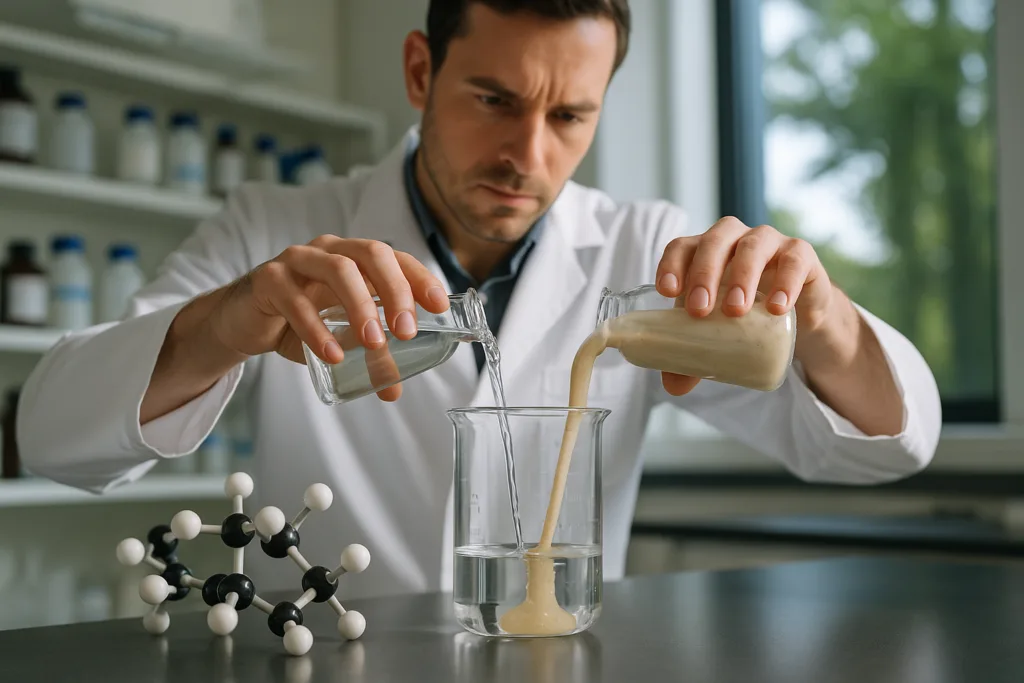
Cure time and logic are central to why polyaspartics are widely adopted. As two-part (2K) systems, most polyaspartic coatings begin reacting at room temperature as soon as the resin and hardener components blend. Curing takes place rapidly, typically in 30–90 minutes, much faster than conventional epoxies, which often require several hours or days.
Curing Variables
- Temperature: Higher temperatures speed up crosslinking, but may reduce working time.
- Humidity: Minimal impact versus moisture-curing chemistries, less prone to blush or haze.
- Mixing ratio: Proper 1:1, 2:1, or manufacturer-specified blends are critical; off-ratios weaken final film.
Pot Life and Application Window
Pot life (the time span the mixed product remains workable) usually ranges from 15 to 40 minutes. Installers need to mix what they can use before the material thickens or gels. ZDSpoxy offers polyaspartics with adjustable pot life for tailored installation speed—from quick-turn retail floors to complex industrial setups.
Polyaspartic Coating Performance
Polyaspartic coatings deliver an ideal balance of hardness and flexibility once cured. Their tough crosslinked matrix endures heavy traffic, extreme temperatures, and harsh cleaners without peeling or fading. End-users enjoy fast return-to-service—often overnight.
Core Performance Metrics
| Chemistry | Substrate | Key Properties | Best Use Cases |
|---|---|---|---|
| Polyaspartic | Concrete, metal, wood | High UV/chemical resistance Fast cure (1–2 hrs) Hardness: Shore D 70–80 Elongation: 30–70% |
Floors, decks, tanks, outdoor steel, shop floors |
| Epoxy | Concrete, steel | Excellent adhesion Moderate UV/chemical resistance Slow cure (8–48 hrs) Hardness: Shore D 60–85 |
Garage floors, warehouses, marine tanks |
| Polyurethane | Concrete, wood | Flexible UV stable Cure: variable (hours) Hardness: Shore D 60–90 |
Sports courts, decks, flexible membranes |
Mechanical and Environmental Resistance
- Adhesion strength: Lap-shear often exceeds 8–12 MPa (ASTM D1002).
- Wear and scratch resistance: Handles forklift, vehicular, and pedestrian traffic without degradation.
- Chemical resistance: Stands up to fuels, oils, acids, alkalis; passes tests such as ASTM D1308.
- UV stability: Color holds for years—pass CSA/ASTM G154 accelerated aging.
- Thermal cycling: Unaffected from –40°C to +120°C after repeated expansion/contraction.
Surface Preparation and Application Methods
Achieving best-in-class polyaspartic performance starts with careful substrate preparation. Concrete should be dry, structurally sound, and free from oil, curing agents, or laitance. Diamond grinding or shot blasting is best. Metal surfaces need degreasing, solvent wiping, and, for critical jobs, grit-blast profile (Sspc-SP10/NACE 2 is a useful reference). Plasma or primer may be required for plastics like polypropylene or polycarbonate to ensure bond strength.
Dispensing Options
- Manual bead or squeegee application for detail work
- Roller or notched trowel for broadcast floors
- Pump and spray systems for large areas or verticals
Mixing accuracy matters. A static mixer, paired with measured component ratios, minimizes entrained air and helps avoid cure defects.
Quality Control and Compliance
Rigorous testing ensures polyaspartic coatings meet high standards for safety and performance. Polyaspartic Coatings Manufacturers like ZDSpoxy conduct a battery of quality control procedures—checking viscosity (900–1800 cP), hardness (Shore D), gloss, and adhesion. Environmental demos replicate real-world exposure: salt spray (ASTM B117), hot-cold cycling, and accelerated UV-aging.
Certifications and Regulations
- REACH/RoHS compliance for use in sensitive applications (low VOC and toxicity)
- SDS, ISO 9001 documentation, and lot traceability on each batch
- Storage and shipping conditions on product data sheets (short-term 5–35°C ideal)
Polyaspartic Coating Use Cases and Field Results
Project managers select polyaspartic coatings when turnaround speed, chemical resistance, and stunning finish are mandatory. Recent warehouse upgrades saw crews install new floors in 12 hours with less than 48 hours from prep to service. Automotive shops favor polyaspartics for clear coats—thanks to their depth of gloss and fade resistance, even after thousands of hours of UV exposure.
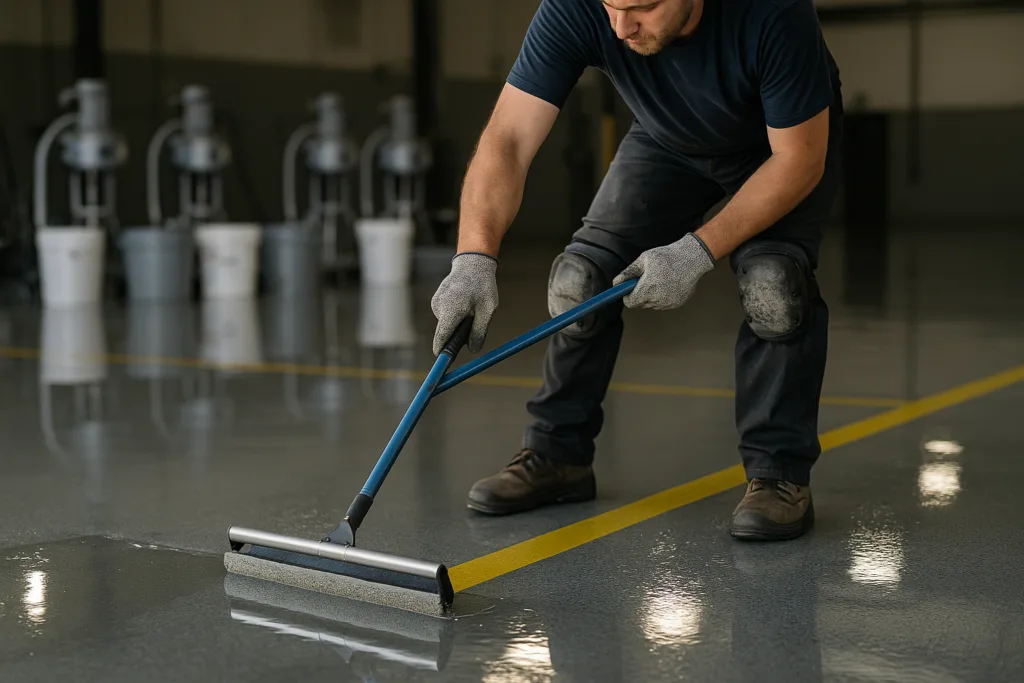
Expert Takeaway: “Polyaspartic coatings bring productivity and reliability together—speed up installs, cut downtime, and ensure lasting surface protection for demanding settings.”
Why ZDSpoxy for Engineered Coating Solutions?
ZDSpoxy engineers tailor polyaspartic formulations for unique demands—from anti-slip warehouse decks to food-grade manufacturing spaces. Their system approach includes custom pigment, anti-microbial, and flexible variants. Each batch is backed by full test data and compliance records.
Comparing Polyaspartic to Other Coatings
When choosing a protective coating, it’s tempting to stick with known options. Epoxies work well indoors, and polyurethanes flex for exterior decks. But polyaspartics leap ahead in total lifecycle. Their cure speed, toughness, and weatherproofing reduce labor hours and maintenance cycles. Practical tests confirm faster, simpler application compared with multi-coat epoxy/urethane stacks.
- One- or two-coat systems possible (vs. 3–4 for epoxies)
- Rapid return to service: floor traffic in 2 hours
- Lower yellowing index and higher UV gloss retention
Cost and Value Considerations
Upfront materials cost for polyaspartic coatings can be 10–30% higher than standard epoxies. But faster installation, fewer failures, and reduced maintenance deliver lower total lifetime cost—especially for large commercial or industrial projects.
Polyaspartic Coating
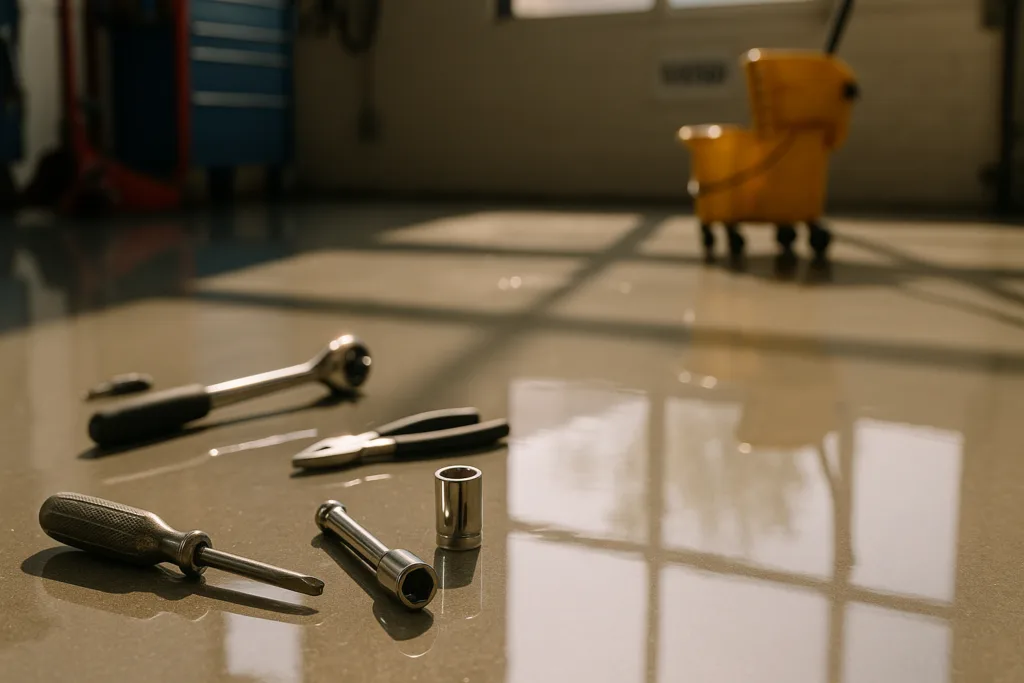
Polyaspartic coatings offer top-level performance where conventional systems struggle. With rapid curing, heavy-duty durability, and strong environmental resistance, they serve as the new industry benchmark for floors, decks, tanks, and more. Engineered by experts like ZDSpoxy, these coatings provide a seamless blend of chemistry and practicality—optimizing protection, gloss, and speed. For demanding projects, polyaspartic technology consistently delivers reliability and value.
Frequently Asked Questions
What is the main advantage of polyaspartic coatings?
The fastest cure time and outstanding durability make polyaspartic coatings the top choice for rapid, lasting protection on busy floors or outdoor surfaces.
How do you properly apply a polyaspartic coating?
Start with clean, dry, and well-prepped concrete or metal. Mix components accurately and use a roller, squeegee, or sprayer for uniform coverage.
Where are polyaspartic coatings commonly used?
They excel in garages, warehouses, stadiums, parking decks, manufacturing plants, and anywhere superior abrasion and chemical resistance are needed.
What is the usual cure time for polyaspartic coatings?
Most polyaspartic floors and surfaces can return to light duty within two hours, with full cure in less than 24 hours at normal temperatures.
Are polyaspartic coatings more expensive than epoxy?
Polyaspartic coatings typically cost more upfront than epoxies, but save time and money overall because of faster installs and less maintenance.
How long will a polyaspartic coating last?
Well-applied polyaspartic coatings can last 10 years or longer, especially with regular cleaning and minimal exposure to harsh chemicals.