
How to Choose a Waterproofing System in 5 Questions
Making the right choice for a waterproofing system ensures long-lasting, cost-efficient, and reliable protection for residential or commercial spaces. A poor decision can lead to early failures, costly repair works, and plenty of headaches. But, with hundreds of waterproofing options and all the technical details, how do you decide what’s right? In this guide, we walk you through a decision tree using five essential questions—helping you pinpoint the most compatible waterproofing system for your needs, no matter if it’s concrete, tile, stone, or wood.
Step 1: Identify Your Substrate
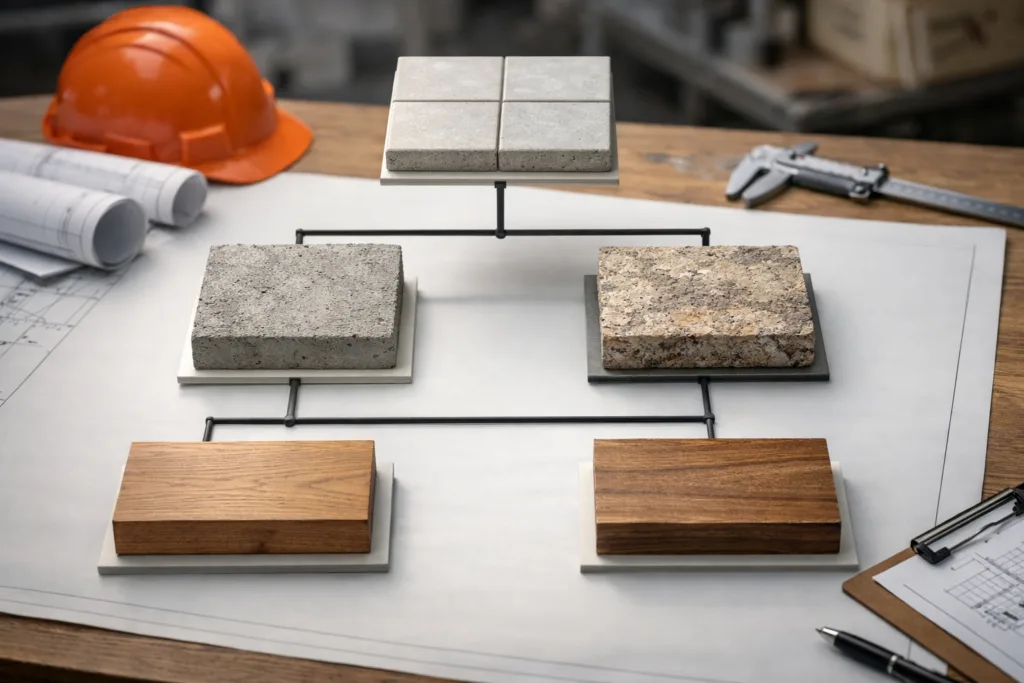
Your starting point is always the surface—known as the substrate. Waterproofing adheres differently to tile, raw concrete, painted surfaces, stone, or wood. Let’s break down what matters for each:
- Tile (ceramic, porcelain): Existing grout lines can be weak spots. Often needs flexible, high-adhesion primers and seamless topcoats.
- Concrete (new, old): Surface moisture and porosity guide primer choice. May require a moisture-tolerant primer or repair mortar.
- Old Coating (acrylic, bitumen, or epoxy): Compatibility is crucial. Some solvents or resins won’t bond. Adhesion tests are a must.
- Stone (natural, reconstituted): Needs breathability. Some stones stain if not properly sealed before coating.
- Wood Floor (solid, engineered): Flexible systems handle dimensional movement. Avoid brittle epoxies for direct wood applications.
Each substrate leads to a different selection path in waterproofing system selection. For complex or layered bases, always err on the side of extra surface prep and tailored primers.
System Direction by Substrate
| Substrate | Repair | Primer | Topcoat | Learn More |
|---|---|---|---|---|
| Tile | Epoxy grout (if needed) | ZDS1271AB Rapid Curing Epoxy Primer | Polyaspartic or polyurethane membrane | kitchen bathroom tile waterproofing |
| Concrete | ZDS1340AB Hydrophobic Epoxy Mortar | ZDS1090AB Epoxy Primer | Polyaspartic floor system | floor renovation |
| Old Coating | Test removal, patch repair | Adhesion-primer (solvent or water-based) | 2K Polyaspartic | waterproofing renovation solutions |
| Stone | Filler, breathable adhesive ZDS1902 | Transparent polyurethane primer | UV-stable topcoat | courtyard stone flooring |
| Wood | Light sanding, ZDS6002AB Polyurethane | Flexible primer/epoxy | Aliphatic polyurethane topcoat | wood floor renovation |
Step 2: Indoor vs. Outdoor Application
Location determines nearly half of the performance requirements. Interior spaces usually focus on moisture vapor, spill resistance, and safe VOC levels. Exterior areas need UV stability, weather resistance, and freeze-thaw durability.
- Interior walls/floors: Look for low-VOC, odorless systems, and color options to match design goals. Breathability (vapor permeability) can be vital for walls.
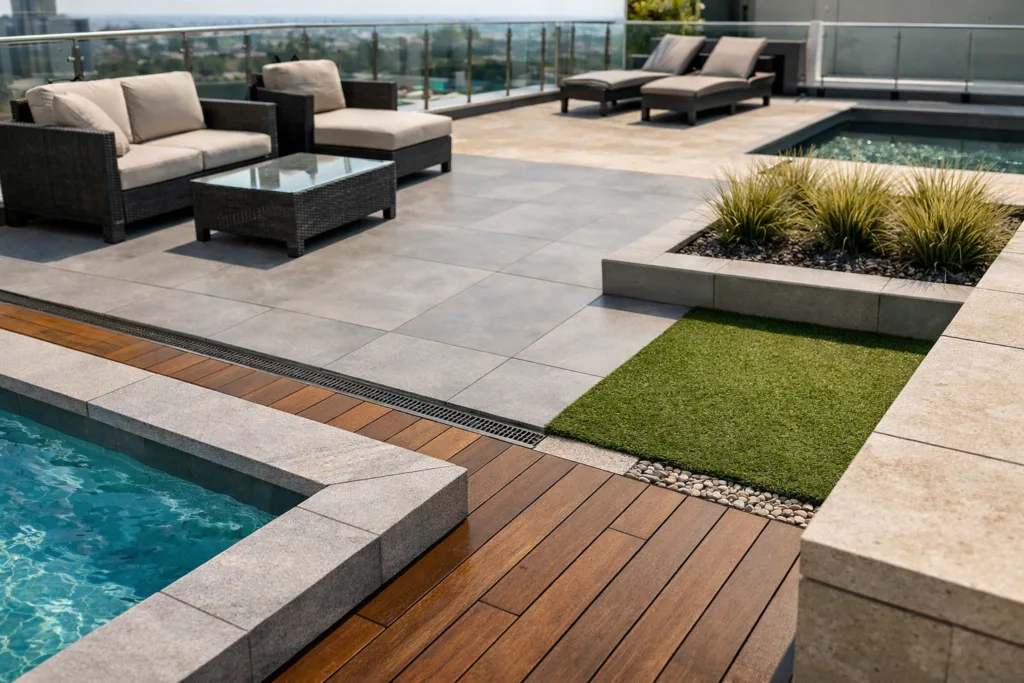
- Outdoor terraces, balconies: Choose UV-stable, flexible coatings. Cold/hot weather performance matters. Slip resistance can be a plus near pools or entries.
- Swimming pools/courtyards: Ultra-waterproof membranes, high chemical resistance, and robust repair underlayers are necessary.
After substrate, decide: Indoors or outdoors? This will streamline your next selection—for example, use a terrace balcony outdoor floor system for open-air decks or a interior wall renovation solution for inside spaces.
Quick Reference Table: Location
| Location | System Focus | ZDSpoxy Hub |
|---|---|---|
| Indoor Floor | Low VOC, rapid return to service | floor renovation |
| Interior Wall | Stain, mold, and peel resistance | interior wall renovation |
| Balcony/Terrace | Weatherproof, UV resistance | terrace balcony outdoor floor |
| Swimming Pool | Immersion, chlorine/salt resistance | swimming pool waterproofing |
| Exterior Wall | Anti-cracking, UV-stability | exterior wall renovation |
| Courtyard Stone | Breathable yet weatherproof | courtyard stone flooring |
Step 3: Standing Water, Splash Zone, or Full Immersion?
Not all waterproofing is equal—some handle only occasional moisture, others shrug off daily standing water, and a select class survive complete immersion (e.g., pools or tanks). Honest site evaluation prevents mismatches and leaks down the line.
- Splash zone: Bathrooms, balconies, kitchens, and other areas get splashed or quick, shallow spills but rarely ponding. Standard membranes may suffice with proper overlap and edge detail.
- Standing water (Ponding): Roofs, exterior walkways, some balcony areas—constant wetting needs a thicker, more chemically stable system.
- Immersion: Pools, tanks, fountains—call for total-waterproof membranes, often based on polyaspartic polyurea blends and specialist primers. Only tested products should be used here. For more, review what makes a swimming pool waterproofing system stand up to daily soakings.
Remember: Water pressure and chemistry (chlorine, salt, organic growth) influence chemical selection.
Step 4: Aesthetics—Transparent vs. Colored vs. Matte Finish
Functionality is king, but visual appeal influences both home-owners and architects. The right topcoat can mean the difference between a hidden, durable shield and an expressive design statement. The options:
- Transparent: Show off beautiful tile or stone while sealing. Polyurethane topcoats like ZDS1139AB deliver clarity and UV protection for outdoor applications.
- Colored (colored resin systems): Make a space feel clean, modern, or match branding with any RAL/NCS shade—especially for high-traffic commercial projects. Polyaspartic 2K color coats provide a wide palette.
- Matte/Satin/Glossy: Coating finish influences light, slip resistance, and maintenance. Matte and satin hide imperfections. Gloss offers easy cleaning but can show scratches.
ZDSpoxy regularly tests for color stability and UV performance, because outdoor resins especially are prone to yellowing or fading. Proper pigment loading, UV absorbers, and a quality final topcoat are non-negotiable for appearance longevity. See resin bound stone systems for natural stone look with high performance.
Step 5: Project Timing—When Do You Need the Area Back?
Downtime is money. Whether it’s a home entry, a restaurant floor, or a school hallway, the “return to service”—when the surface can safely handle foot traffic—can vary from 2 hours to 7 days depending on the system. Each product comes with a balance of working time (for application), curing time (chemical reaction), and full mechanical strength.
- Rapid curing (under 6 hours): Polyaspartic and some two-component epoxy systems are engineered for quick re-opening. ZDS1271AB Rapid Curing Epoxy Primer is a good fit where speed is critical.
- Standard cure (24–48 hours): Suits most interiors with minimal shutdown. Delivers strong bonds and full chemical resistance after full set.
- Extended cure (72+ hours): Slower systems sometimes used for very thick layers, mass pours, or extreme temperatures. Allow extra time for heavy traffic or aggressive cleaning.
Waterproofing System Selection: The Decision Tree in Action
Let’s combine these five steps into a real-world decision flow—your choices at each stage will deliver a recommended system direction:
| Question | Option 1 | Option 2 | Option 3 | System Direction |
|---|---|---|---|---|
| Substrate | Tile | Concrete | Wood/Stone | Special primer + flexible topcoat |
| Location | Indoor | Outdoor | Immersion | VOC, UV, chemical resistance as needed |
| Exposure | Splash zone | Standing water | Immersed | Topcoat thickness, membrane type |
| Appearance | Transparent | Colored | Matte/Satin/Gloss | Topcoat selection |
| Project Timing | Within 6hr | 24–48hr | 3+ days | Cure profile, open-to-use time |
If you want a personalized breakdown for your project, it’s most effective to photograph the area (the wider view and key details) and send it to a technical specialist. ZDSpoxy can evaluate the real site substrate, environment, and traffic requirements, then develop a custom solution and wholesale quote for your needs.
Common Mistakes in Waterproofing System Selection
With so many options and possible failure points, even experienced contractors can make costly errors. Some of the most common missteps include:
- Not verifying substrate moisture or clean adhesion
- Using a brittle system on a moving substrate (like wood)
- Assuming “outdoor” means UV-proof—many new membranes still yellow/discolor under sun
- Selecting the wrong topcoat for immersion or heavy-duty areas
- Shortcutting primer or skipping prep between layers
Take the time to follow the decision tree for each area—you’ll save repair bills, warranty issues, and building headaches down the line.
When ZDSpoxy’s Lab Perspective Matters
The real world is rarely ideal. For example, when ZDSpoxy engineers assist on complex sites, we often find substrates aren’t textbook: old terrazzo slabs with cracks, painted-over concrete, or an unknown primer buried below tile. In these cases, careful evaluation of surface profile, moisture, and old coating compatibility is key. That’s why we highlight testing patch areas, measuring application temperature, and—above all—controlling mix ratios and pot life in the field. Sometimes, the highest-performance epoxy isn’t the right answer; flexibility, breathability, or chemical resistance trumps compressive strength. Every selection weighs practical trade-offs.
Maintenance and Inspection Tips for Long-Term Protection
Proper waterproofing doesn’t end at installation. Here are routine actions to extend system life and catch issues early:
- Inspect key zones quarterly for blisters, cracks, or flaking
- Clean drains, joints, and splash edges—dirt retention leads to hidden leaks
- Patch minor damage with compatible repair mortar, not generic caulk
- Keep topcoat records for future recoating or upgrades
- For pools or high-exposure: test for chemical resistance yearly
Summary: Fast, Reliable Waterproofing System Selection
Choosing the right waterproofing system selection for your project boils down to five smart questions: What’s the surface, where is it, how wet does it get, what should it look like, and how soon do you need it ready? If you step through these in order—checking compatibility and focusing on details like primer choice and finishing coats—your project will last for years of worry-free service.
Still uncertain or facing a tricky situation? Take clear photos and send them to ZDSpoxy. Their engineering team will match your site reality with an optimized system and provide a rapid, detailed, and competitive quote for your wholesale or large project needs.
Frequently Asked Questions
What is the most critical factor when choosing a waterproofing system?
The substrate type is crucial since different materials like tile, concrete, and wood require specific primers, repair mortars, and topcoats for reliable bonding and long-term protection.
Can the same waterproofing system be used indoors and outdoors?
Not always. Outdoor systems need UV resistance and flexibility, while indoor systems usually focus on low odor and VOC safety. Location-specific solutions perform better and last longer.
Is an epoxy primer necessary for all substrates?
No, but it’s essential for concrete, old coatings, and high-moisture bases. Porous or cracked areas often require special primers to prevent delamination and guarantee system performance.
How soon can I use my space after applying a waterproofing system?
Depending on the product, return-to-service time ranges from a few hours (rapid polyaspartic) to several days (thick, standard-cure systems). Always check your chosen system’s schedule before coating.
What kind of failures are common with incorrect waterproofing system selection?
Poor selection leads to peeling, blistering, leaks, UV discoloration, and premature wear—especially on challenging substrates or in wet/outdoor areas. The right decision prevents costly repairs.
How do I get a custom waterproofing solution and a quote?
Send photos of your application area to a ZDSpoxy specialist. Their technical team will recommend a tailored system and reply with a wholesale or project quote quickly.
Related Reading
- Spotting and Fixing 6 Common Waterproofing Failures
- Step-by-Step Primer Selection for Waterproofing Success
- Printable 9-Step Checklist for Flawless Waterproofing Renovation
- Get Accurate Waterproofing Renovation Quotes: 7 Essential Cost Factors
- Balcony vs. Wall: 5 Key UV-Resistant Waterproofing Rules