
Understanding Immersion Waterproof Coating and Splash Zone Coating
Effective waterproofing begins with knowing the difference between immersion waterproof coating and splash zone coating. These two protective systems address distinct risks and demands across wet environments, especially in critical areas like bathrooms, the edges of swimming pools, and within pools themselves. Appreciating their technical distinctions means better long-term performance, easier maintenance, and improved safety.
Defining Splash Zone and Full Immersion: Where Risks Begin
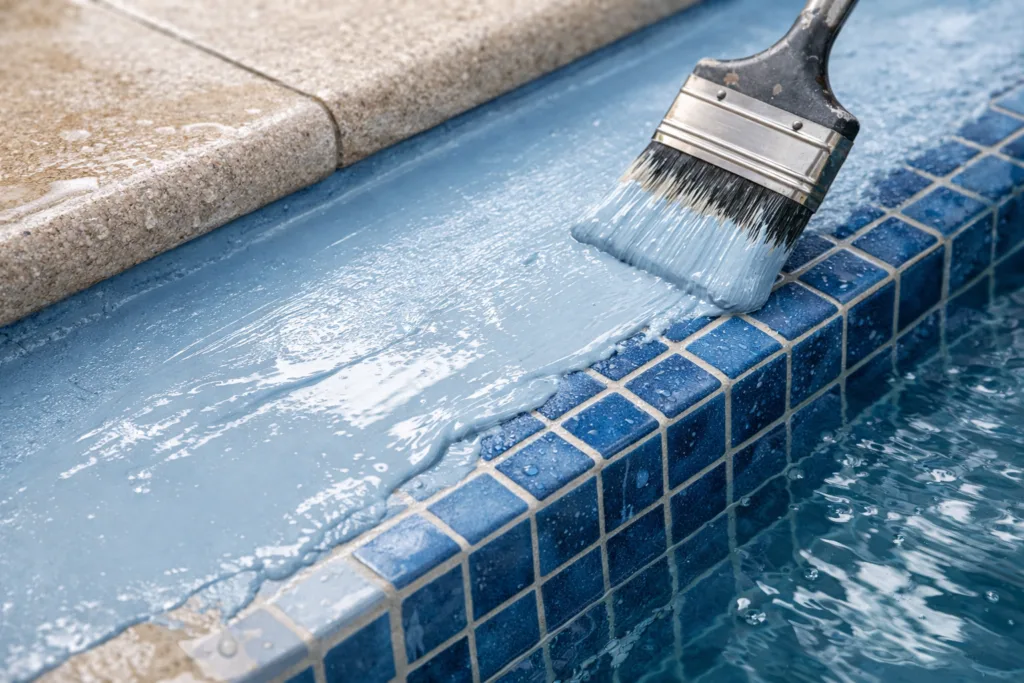
Exposure to water isn’t uniform—a ‘splash zone’ is subject to intermittent or occasional wetting, such as shower walls or the deck beside a pool. ‘Full immersion’ means surfaces are submerged, facing continuous water pressure and chemical exposure. The risk factors, performance needs, and typical failures differ sharply between them and determine which coating system will succeed or fail.
Immersion Waterproof Coating: Why Pressure and Chemistry Matter
Immersion waterproof coatings are engineered for surfaces in direct, sustained contact with water. Such coatings must resist physical water pressure, endure long exposure times, and tolerate dissolved chemicals like chlorine or cleaning agents. In a swimming pool, for example, the underwater areas demand immersion-rated coatings—otherwise, micro-leaks or blistering may occur.
Splash Zone Coating: Intermittent Wetting, Real Challenge
Splash zone coatings, by contrast, are best used on surfaces that are wet only occasionally—think pool surrounds or bathroom walls outside the main wet area. Here, coatings need to repel short bursts of water but more importantly resist erosion, UV, and the cycles of wetting and drying that quickly degrade less durable solutions.
Comparing Water Pressure: Surface Demands in the Splash and Immersion Zones
Water exerts upwards of 1 bar (roughly 14.5 psi) of pressure for every 10 meters of depth. While splash zones see only moments of surface water, immersion zones bear continuous hydrostatic pressure, pushing moisture into microcracks or weak spots. That’s why immersion waterproof coatings use advanced resin technologies and involve stricter surface preparation standards compared to splash zone coatings.
Chemical Resistance: Chlorine, Detergents, and Bathroom Realities
Whether in pools or bathrooms, chlorine and other cleaning chemicals constantly challenge coating integrity. Immersion waterproof coatings must prove resistance not only to long water exposure but also to aggressive chemicals, which over time may cause swelling, discoloration, or even rapid failure in unqualified systems.
The Role of Substrate Moisture: Genuine Application Insights
In reality, concrete or tile substrates often carry hidden moisture before coatings are applied. This is a major reason for long-term failures! ZDSpoxy emphasizes proper substrate testing (often with plastic sheet or calcium carbide tests) before installing immersion-rated or splash zone coatings. If ignored, residual moisture can cause bubbling, poor adhesion, or osmotic blistering after the pool or bathroom is in service.
Time Underwater: The Cumulative Effect on Coating Systems
The duration of exposure influences performance drastically. A splash only lasts a few seconds—an immersion zone remains submerged for years. This prolonged contact means only properly formulated immersion waterproof coatings should be installed where water doesn’t fully drain away.
Microbial and Algae Growth: How Wet Cycles Change All
Surfaces constantly wet or damp are prime real estate for mold, algae, and bacterial colonies. Immersion areas require coatings that form a continuous, impervious film to help resist such biological growth. In splash zones, rapid drying assists, but coatings must still resist staining and biological attack in humid conditions.
Application Mistakes That Lead to Failure: Site Lessons
From years on factory floors and construction sites, one rule stands out: thin, incomplete, or incorrectly mixed coatings fail fast—especially in immersion. Following manufacturer guidance for mixing ratio, recoat window, application thickness, and cure time (as detailed by ZDSpoxy) separates long-lasting from short-lived waterproofing.
Material Compatibility: Epoxy, Polyurethane, and Polyaspartic Choices
Epoxy-based systems offer high chemical resistance and bond strength, making them ideal for immersed pool tanks. Polyurethane and polyaspartic coatings often suit splash zones for their flexibility, UV resistance, and fast cure. Selecting based on area, exposure, and planned cleaning protocols is critical to success.
Splash Zone Applications: Bathrooms, Pool Decks, and More
In bathrooms, splash zone coatings are needed on walls, splashbacks, and even the ceiling close to showers. For pool decks, coatings must withstand water drops as well as strong sunlight. A purpose-built kitchen bathroom tile waterproofing solution should be specified for these environments.
Full Immersion Applications: Swimming Pool Interiors and Ponds
Surfaces staying underwater, such as the basin of a pool or an ornamental pond, face continuous chemical assault and pressure. Here, only immersion waterproof coatings tested for full submersion will limit moisture ingress or delamination.
Swimming Pool Edge Zones: Complex Risk, Dual Solutions
A pool’s edge—where water splashes but only sometimes submerges the surface—is both a splash and immersion zone over time. This interface often sees the most failures. ZDSpoxy has developed systems where different coatings are layered to serve both types of exposure with seamless transitions.
Case Study Table: Risk and Coating Selection by Area
| Area | Exposure Level | Primary Risks | Solution Type |
|---|---|---|---|
| Bathroom Wall (above tub/shower) | Splash Zone | Intermittent Water, Soap, Steam | Splash Zone Coating |
| Pool Deck Edge | Splash Zone | UV, Chlorine Splash, Erosion | Splash Zone Coating |
| Swimming Pool Interior | Full Immersion | Constant Water, Chlorine, Pressure | Immersion Waterproof Coating |
| Overflow Channel | Partial Immersion | Cyclic Wet/Dry, Cleaning Agents | Hybrid or Immersion Coating |
Step-by-Step System Thinking: Matching Coating to Risk
It’s essential to systematically map every building zone to its exposure profile, then choose the coating system proven for that combination. For instance, the inside of the pool mandates immersion-tested resins, while a balcony near a pool might use swimming pool waterproofing systems configured for surface runoff, UV, and chemical splash.
Pressure and Temperature Fluctuations: Hiding in Plain Sight
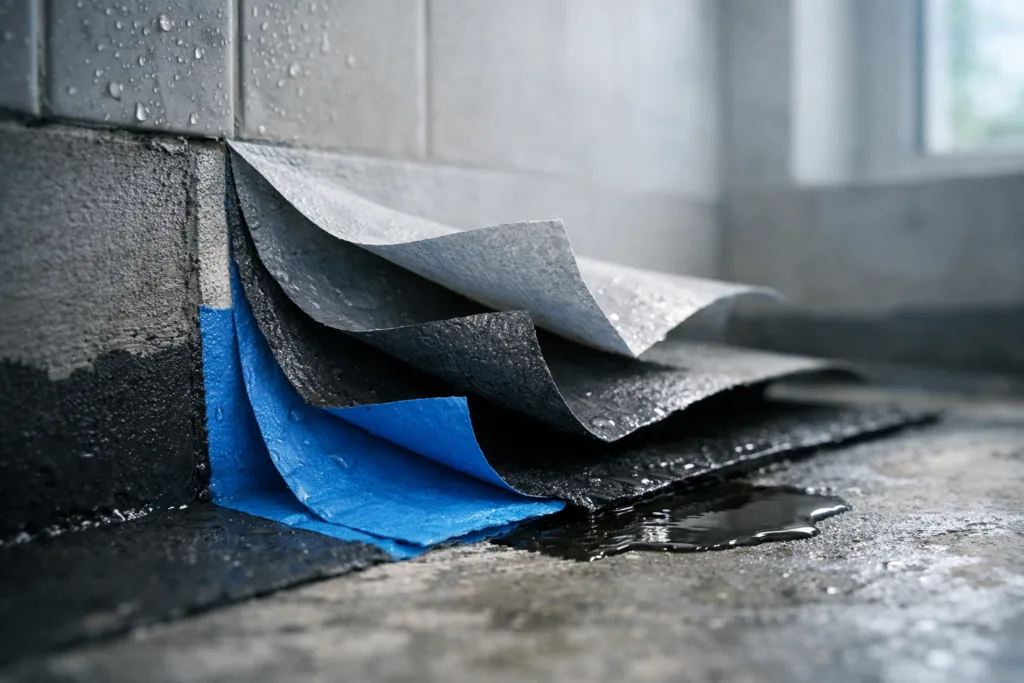
Splash and immersion coatings must account for daily cycles. Sudden hot water, freezing at night, or varying load all stress systems. Quality control means testing these cycles, especially on concrete and tile substrates installed outdoors.
Common Problem Points: Expansion Joints, Corners, Drains
Leaks often begin at corners, drains, or expansion joints where differential movement and water collection occur. A layered approach using both splash zone and immersion-rated sealants (like flexible polyurethane or high-bond epoxies) ensures durable performance, especially for waterproofing renovation solutions.
Checklist: 6 Questions to Ask Your Coating Supplier
- Is the coating system certified for continuous immersion, splash zone, or both?
- What is the tested resistance to chlorine, common cleaning agents, or high humidity?
- What are the required substrate preparation and moisture limits?
- What is the recommended dry film thickness (DFT) for each zone?
- How does the coating system handle thermal or pressure cycling?
- Can joints, drains, and critical details be detailed with compatible sealants?
International Testing Standards: What to Demand
Well-developed coatings conform to standards like EN 14891 (waterproofing membranes), ASTM D870 (water immersion resistance), and others relevant for your region. Specifying coatings with this data in hand assures more predictable long-term protection.
Polyaspartic, Epoxy, or Polyurethane? Real-World Pros and Cons
Polyaspartic coatings cure rapidly, even at low temperatures, and suit splash zones needing early return to service. Epoxies offer harder films for immersion areas—however, their lower flexibility means careful substrate movement assessment is essential. Polyurethanes balance elasticity and resistance and often feature in hybrid, multilayered systems.
Durability: Measurable Service Life and Recoat Intervals
Manufacturers often rate immersion waterproof coatings for 5–15 years, depending on exposure, chemistry, and application fidelity. Splash zone systems may require more frequent inspection for physical or UV damage, with recoating guided by surface wear or fading.
Integration with Maintenance: Easy-to-Repair Systems
System selection should allow for local repairs, especially in changing use patterns or when tiles or fixtures are updated. Modern resin systems by ZDSpoxy, for example, provide patch repair guidance and compatibility charts to minimize downtime and reduce costs.
Summary Table: Typical Traits of Each Coating Type
| Type | Immersion Use | Splash Zone Use | Chemical/UV Resistance |
|---|---|---|---|
| Epoxy | Excellent | Very Good | High/Moderate |
| Polyaspartic | Good** | Excellent | Good/High |
| Polyurethane | Good* | Very Good | Very High/High |
*Subject to correct surface preparation **Dependent on formulation
Site Verification: Testing and Commissioning
After coating, critical areas are often tested by filling (for pools) or heavy simulated splash (for bathrooms and decks). Recording and reviewing test outcomes is vital—missed leaks appear quickly once facilities re-open to daily use.
Documenting Success: Ongoing Quality and Inspection Records
Maintain written records of materials, ambient conditions at installation, batch numbers, and mix times. This discipline, emphasized by ZDSpoxy’s teams, supports rapid diagnostics and warranty validation in the unlikely case of a future failure.
Conclusion: Protecting Every Zone for the Long Haul
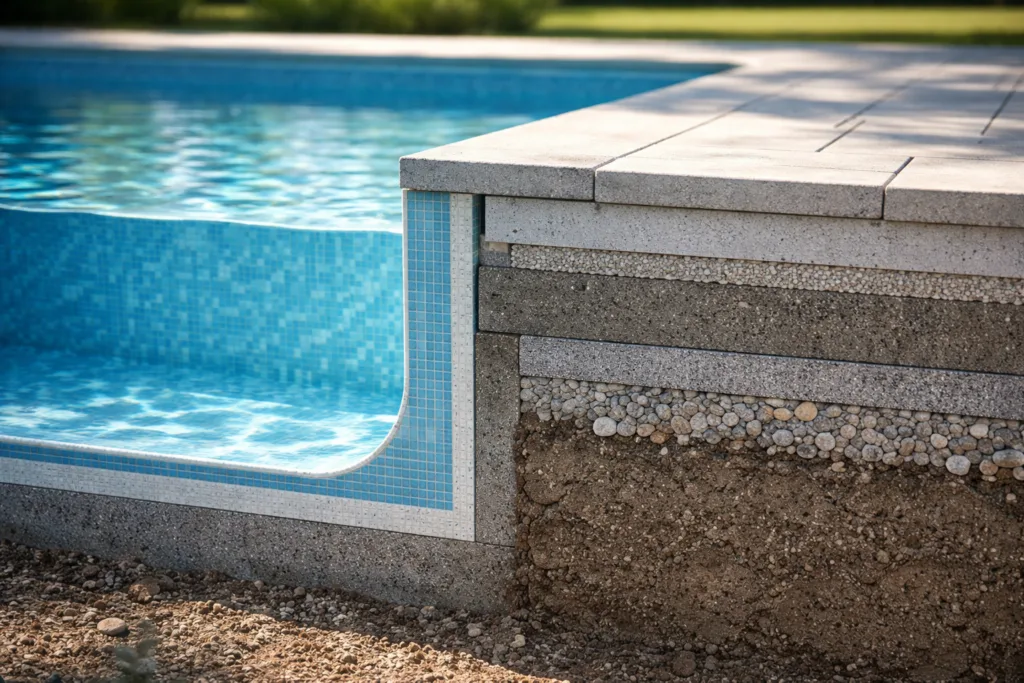
Distinguishing between immersion and splash zone waterproofing is more than semantics—it’s the technical basis for a safer, longer-lasting pool, bath, or public wet area. The right coating type, robust preparation, and a tested system will maximize investment and minimize frustration. Always demand technical data, site-appropriate systems, and a clear understanding of exposure risks—the best future proof for every surface prone to water attack.
Frequently Asked Questions
What is the main difference between immersion waterproof coating and splash zone coating?
Immersion waterproof coatings are formulated for continuous underwater exposure and pressure, while splash zone coatings protect surfaces with only intermittent or short-term water contact.
Why is chemistry resistance so important for pool coatings?
Pools often contain chlorine or other chemicals that can degrade ordinary paint or sealant, so immersion waterproof coatings must resist these aggressive agents to prevent failure and discoloration.
Can a bathroom use the same coating in all areas?
No. Wet zones like the shower floor or bathtub interior require immersion or high-performance waterproofing, while walls and ceilings usually need splash protection with enhanced mildew resistance.
How do I know if my surface needs immersion or splash zone protection?
If a surface will be frequently or continually underwater (like inside a pool tank), it must use immersion waterproofing. If only splashed or subject to steam, use a splash zone product.
What is the role of substrate moisture in coating selection?
High substrate moisture can cause poor bonding and blistering, particularly in immersion coatings. Testing and pre-drying are critical before applying any system.
How should maintenance differ between splash zone and immersion areas?
Immersion zones often demand closer inspection and prompt recoat schedules, while splash zones require spot repairs focused on physical and UV wear areas.
Related Reading
- How to Avoid Sunlight Damage: UV Resistant Waterproofing for Balconies and Exteriors
- 9 Steps to a Flawless Waterproofing Renovation: Printable Quality Checklist
- Master Project Planning: The Ultimate Guide to Waterproofing Your Swimming Pool
- Stop Water Leaks Fast: 6 Warning Signs and Expert Fixes for Waterproofing Failures
- Smart Budgeting for Waterproofing: What Impacts Total Renovation Cost?