
Understanding VOCs in Low VOC Waterproof Coating, Low Odor Renovation Coating
Low VOC waterproof coating and low odor renovation coating are changing how people protect and upgrade their buildings. But what exactly does “VOC” mean, and why do professionals, schools, hotels, and even hospitals care so much about it now? VOC stands for Volatile Organic Compounds—these are tiny substances that easily turn into gases or vapors. Many traditional paints, adhesives, and coatings contain them. When used indoors, VOCs can create strong odors and sometimes even health risks, especially if there is poor ventilation or people need to move in soon after the renovation is complete. Luckily, new low VOC and low odor products provide solutions made for modern expectations of safety and comfort.
What Does “Low VOC” Mean?

“Low VOC” means the product gives off far fewer harmful chemical vapors compared to older products. These coatings are specially designed to meet strict air quality standards without giving up performance, especially for waterproofing and surface protection. In schools and hospitals, for example, regulations often require that only low VOC products are used to keep the indoor air safe and easy to breathe.
How Are VOCs and Odor Connected?
Most odors during construction come from VOCs in paints and coatings. That “paint smell” you notice after redecorating is usually the result of these VOCs evaporating. Low VOC waterproof coating and low odor renovation coating products produce hardly any unpleasant odor, making spaces more comfortable during and after the work is done.
Why Does Indoor Air Quality Matter with Coatings?
Breathing clean air during a renovation is important for everyone—especially for children, elderly, and people with asthma. In airtight modern buildings, these chemical smells and air particles can quickly build up. Using low VOC waterproof coating helps reduce indoor air pollution, supporting daily health and making it possible to re-enter rooms sooner after renovation. For a full waterproofing approach, explore the waterproofing renovation solutions overview to understand how safe indoor air quality fits into the project plan.
Where Are Low Odor Coatings Most Important?
- Indoor Walls & Ceilings: In classrooms, family living spaces, or patient rooms, people spend long hours inside—using low VOC coatings helps keep the air fresh.
- Hotels & Guest Rooms: Fast turnover between guests often means little time for airing out; low odor renovation coating allows for safe use without strong smells.
- Schools & Hospitals: Sensitive groups need the lowest possible chemical exposure. Low VOC waterproof coating provides strong moisture protection without irritating fumes.
In complex interior jobs, like interior wall renovation or kitchen and bathroom upgrades, these products help teams work safely, especially if the building must remain open during the improvements. Interested in bathroom specifics? Our kitchen bathroom tile waterproofing page provides technical data and application insights.
How VOCs and Odor Affect Project Planning
If you’re a hotel manager, a school planner, or even a homeowner scheduling a big indoor fix, knowing how long odors may linger changes how you plan. Traditional coatings with high VOCs can require days (or even a week) before the smell disappears and the space is safe to use. With low VOC waterproof coating, that time is much shorter—a major advantage when minimizing downtime matters.
Ventilation: The Key to Reducing Indoor Odor
Good air movement helps push odors out and freshens up spaces faster. Here are smart actions to take during a coating or painting job to speed up the process:
- Open windows and doors wide for cross ventilation.
- Use portable fans to direct air toward exits.
- Turn on existing ventilation or exhaust systems, especially in bathrooms or kitchens.
- Keep air filters clean to help trap any lingering particles.
- Set up air purifiers if the space is very enclosed or for extra-sensitive rooms.
By planning for ventilation, you make the most of the benefits these low odor coatings provide—and keep people comfortable.
How Long Before Rooms Can Be Used Again?
This is a common question. With high VOC coatings, rooms might have to wait 48 hours or more before being open to the public. With low VOC waterproof coating, that “move-in” time is often as short as 12–24 hours, sometimes even less, depending on air flow and temperature. Fast room turnover is one of the most valuable advantages in busy schools or hotels, where every day counts.
How Do Coatings Get Certified as “Low VOC” or “Low Odor”?
To make sure products really live up to their claims, third-party labs test how much the coatings actually smell and how many VOCs they release over time. Certifications like “Green Label,” EN 12004, or even specific country certificates prove the product is safe for indoor air. Reputable manufacturers, such as ZDSpoxy, put these details in their product data sheets to help customers meet local health standards.
Situations Where Low Odor Renovation Coating Excels
- Nighttime School Upgrades: Work can begin after classes end and rooms can reopen the next morning, with no strong leftover odors harming students.
- Busy Hospital Wings: Renovations can take place just down the hall from occupied patient rooms, minimizing infection and discomfort risks.
- Hotel Corridor Refresh: Guests can walk the hallways soon after new coatings are applied, with no complaints or headaches from chemical smells.
The Chemistry Behind Low VOC Waterproof Coatings
Traditional coatings rely on solvents (liquid chemicals that keep the paint spreadable). When these solvents evaporate, they cause both odor and air pollution. Low VOC options use special water-based, high-solid, or rapid-cure chemistry, replacing harsh solvents with much cleaner alternatives. This is true for waterproof coatings in bathrooms, kitchens, or anywhere moisture is a problem.
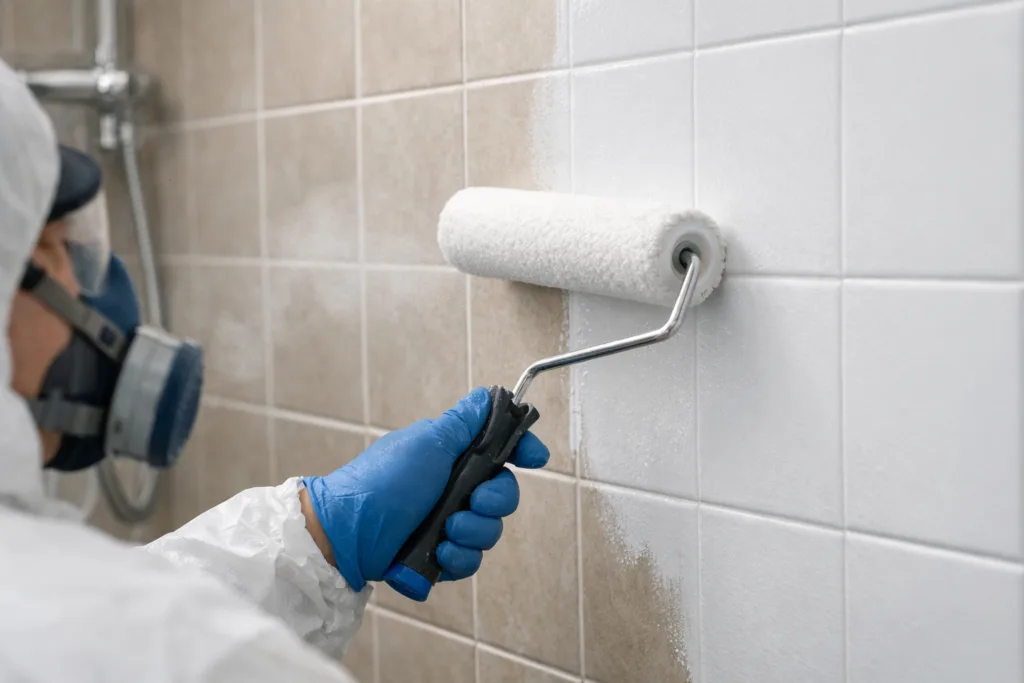
Features to Look for in High-Performance Low Odor Coatings
- No strong smell during mix or use
- Rapid drying and quick room re-entry
- Excellent adhesion to damp concrete or old tile
- Certified low or zero VOC content
- Lasting waterproof protection for many years
Want to understand how coating selection affects cost? Our guide to waterproofing renovation solutions breaks down the performance and budget factors for different spaces.
How to Lower Odor Even Further During Coating Application
You can make your low odor renovation coating even more comfortable by following these simple actions:
- Always read and follow the product’s instructions for mixing—proper mixing reduces “off-gassing.”
- Apply coatings in thin, even layers instead of thick, heavy coats; this speeds up drying.
- Schedule work for cool, dry days when possible—high humidity can trap odors indoors.
- Isolate the work area using plastic sheeting or barriers to keep fumes from spreading.
- Allow air to move freely for at least several hours after finishing the job.
Safe Application: Real-World Lessons from ZDSpoxy
From a site engineer’s view, it’s critical to control not just which low VOC waterproof coating is chosen, but how it’s handled. ZDSpoxy teams always emphasize batch size discipline and application timing. Mixing too much at once or spreading the coating outside recommended temperature can still create odor spikes—even with the right product. This is why jobsite supervisors insist on consistent mixing, careful formwork sealing, and routine air quality checks.
How Low Odor Renovation Coating Compares to Conventional Coatings
| Feature | Conventional Coating | Low VOC/Low Odor Coating |
|---|---|---|
| VOC Content | High | Very Low/Zero |
| Odor During Use | Strong | Faint or None |
| Ventilation Needs | Extensive | Moderate/Shorter Period |
| Re-Entry Time | 2-7 days | 12-24 hours or less |
| Application Sites | Industrial/outdoor preferred | Any indoor environment |
| Certification | Few | Multiple (Green Label, etc.) |
Performance: Lasting Waterproofing and Indoor Comfort
Low VOC waterproof coatings don’t just reduce smells—they stand up against water, steam, repeated cleaning, and high use. That’s why they are increasingly used in commercial kitchens, changing rooms, and bathrooms. For a deep-dive into tile compatibility and application, check the kitchen bathroom tile waterproofing technical page.
Tips for Choosing the Right Product
- Request data sheets confirming low VOC and fast re-entry times.
- Pick water-based or high-solid coatings specifically designed for your application (wall, floor, or tiles).
- Look for industry-standard certificates or proof of independent odor testing.
Is “Odorless” the Same as “Low VOC”?
No, but they often go together. Some coatings can have little smell but still release VOCs. Always check both the odor rating and the VOC certification for total indoor safety.
Summary: Safer Indoor Projects Without Compromise

Low VOC waterproof coating and low odor renovation coating bring lasting waterproof performance with far less inconvenience, keep people safe, and allow for rapid return to normal activities. By learning the relationship between VOCs, odor, ventilation, and occupancy, it’s possible to plan smarter renovations for sensitive settings like schools, healthcare, and commercial restrooms.
Frequently Asked Questions
What are VOCs in renovation coatings?
VOCs are Volatile Organic Compounds—chemicals that evaporate into the air, often causing odor and sometimes health concerns during indoor renovations.
Why does low VOC matter inside buildings?
Low VOC means safer air, especially in busy places like hotels, schools, and homes. It also reduces strong smells and lets people use rooms sooner after work is done.
How can I reduce odor during coating application?
Increase ventilation, use low odor renovation coating, plan for small batch mixing, keep work areas isolated, and follow drying instructions for quick air refresh.
Are low VOC coatings as waterproof as traditional ones?
Yes, high-quality low VOC waterproof coating matches or exceeds traditional options for water resistance, lasting protection, and surface durability.
Do low odor coatings still need ventilation?
Some ventilation is always recommended to help odors clear out, but with low odor renovation coating, the time needed is much shorter and discomfort is drastically lower.
Where should I use low odor renovation coating?
Use it everywhere indoors: bedrooms, kitchens, bathrooms, classrooms, patient rooms, or anywhere people can’t avoid the space during or soon after renovation.
Related Reading
- How Long Does Waterproofing Really Last? Maintenance Insights
- Top 5 Rules for UV Waterproofing: Balcony & Wall Strategies
- What Affects Waterproofing Renovation Costs and How to Get a Quote Fast
- Printable Waterproofing Checklist: 9 Essential Steps for Every Project
- Splash Zone and Immersion: Smart Bathroom & Pool Waterproofing Compared