
Understanding Marine Epoxy for Aluminum: Proven Solutions for Metal Bonding
Marine epoxy for aluminum has become essential for both repair technicians and vessel builders requiring strong, durable bonds that withstand harsh, wet environments. When joining aluminum to stainless steel or other metals, proper product selection and application make the difference between a long service life and an early failure. This article breaks down the role of specialized marine epoxies, addresses critical steps in surface preparation, and explores how the entire coating stack—beyond epoxy alone—affects bond strength and corrosion protection.
What Makes Marine Epoxy Different for Metal Bonding?
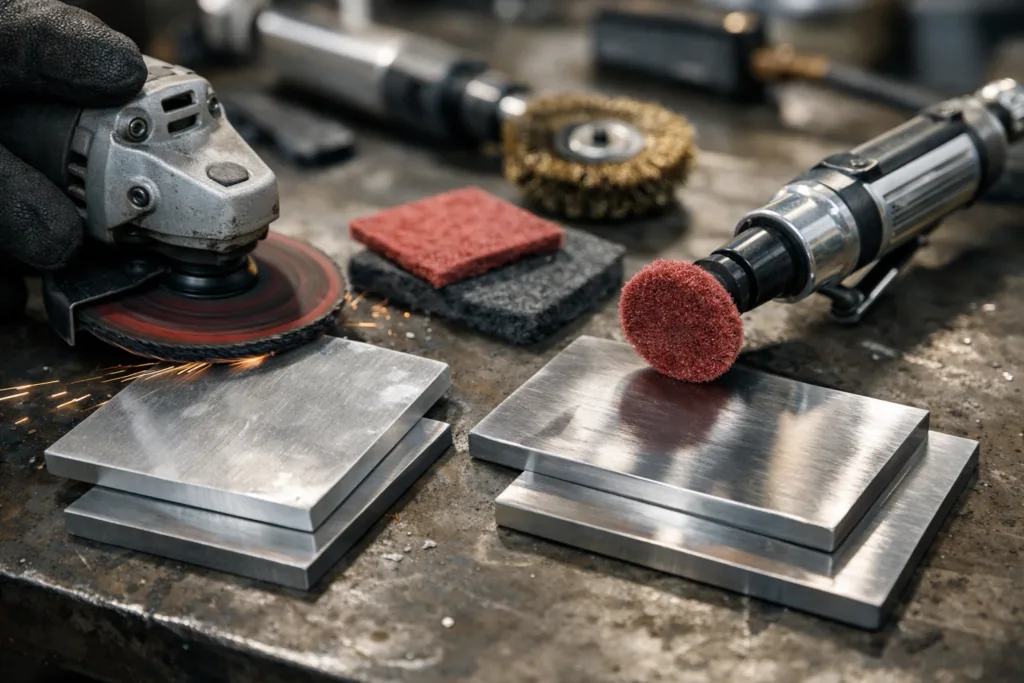
Not all epoxies are created equal, especially when it comes to marine applications and metal bonding. Marine-grade epoxies are engineered for superior adhesion to non-porous substrates, moisture resistance, and compatibility with anti-corrosive primers and topcoats. When aluminum and stainless steel are involved, factors like oxide layers, galvanic reactions, and primer choice play a pivotal role in joint performance.
How Oxide Layers and Surface Prep Dictate Success
Aluminum and stainless steel both form thin, hard oxide films on their surfaces almost instantly when exposed to air. These layers actually help prevent metal corrosion but pose unique challenges for adhesively bonding with marine epoxy. Effective surface preparation is the difference-maker. Steps include mechanical abrasion (sanding with 60–80 grit or using non-woven pads), immediate solvent wipe-downs, and prompt priming to lock out re-oxidation before adhesive application.
Mechanical and Chemical Surface Preparation Methods
Mechanical abrasion alone isn’t enough for marine-grade work. Combining abrasion with chemical etching or proprietary aluminum cleaners ensures maximum wetting by the primer or adhesive. For heavily oxidized aluminum, professional degreasers are often needed. The goal: expose fresh metal, remove all salts, oils, and dust, and apply primer or adhesive without delay.
Primer Selection: The Foundation of Metal-Epoxy Systems
For high-stress and submerged applications, primers specifically formulated for aluminum and stainless steel offer dual benefits. They enhance corrosion resistance by sealing the metal, and they provide the ideal substrate for marine adhesive epoxies. ZDSpoxy’s technical team, for instance, advises using compatible primers in environments where salt spray or persistent moisture is a concern—this step directly controls long-term bond durability.
Why Epoxy Alone Is Not Enough for Marine Corrosion Resistance
Many DIY guides suggest epoxy by itself resists corrosion on aluminum or steel, but this is only partly true. Epoxy creates a tough, waterproof barrier but can be compromised by flex, pinholes, or interface movement. The correct approach is to use marine epoxy as the adhesive within a complete coating system—including surface-compatible primers and, where needed, polyurethane or polyaspartic topcoats for long-term water and UV protection. If galvanic corrosion is a risk, a tested coating/adhesive stack is required. For selection guidance, consult resources like the Marine Epoxy Resin Manufacturer pillar for system-level recommendations.
Choosing the Right Adhesive vs Laminating Resin
Marine projects often require choosing between structural adhesives (thixotropic, gap-filling) and laminating resins (low-viscosity, designed for wetting glass or carbon fibers). For aluminum-to-stainless or composite-to-metal bonds, use structural adhesive epoxies—these are toughened to withstand vibration and allow partial gap fill. Laminating resins can be excellent for fiberglass overlays but may lack the fill and bond line strength for metal-to-metal work unless modified with fillers.
How to Evaluate Adhesion: Testing and Quality Control
Bond failures most often track back to poor surface prep or oxide regrowth before adhesive application. Standard shop tests involve lap shear coupons and occasionally salt-spray exposure for critical gear. ZDSpoxy’s in-house testing regime includes viscosity consistency, mix ratio confirmation, and cure verification before signoff, preventing costly on-site failures. For repair work, always note the substrate temperature and potential contaminant sources (e.g., oily hands, shop dust).
Epoxy Mix Ratios, Pot Life, and Working Time—Real World Handling
The technical properties of marine epoxies—such as correct mix ratio, pot life, and working time—are not just datasheet numbers. In humid or warm climates, pot life can shorten dramatically. Always dispense full kits according to manufacturer instructions to avoid off-ratio mixing, and apply within the recommended time window. Over-extending working time risks weak or chalky bonds.
When to Use Fillers and Thickeners with Marine Epoxy
Gap-filling and vertical bonding applications often require adding specialty fillers to marine epoxy adhesives. Colloidal silica, microballoons, or glass fibers can be blended in to control viscosity, reduce sag, and enhance impact toughness. For bonding aluminum deck hardware or patching steel tanks, select the appropriate pre-thickened formulation (sometimes labeled as “paste adhesive”). Never use unmodified laminating resins for critical structural joints without additives.
Common Bonding Challenges: Wet Surfaces, Cold Temperatures, and Contamination
Wet or oily surfaces are the number one cause of marine epoxy adhesion failure. Aluminum requires extra vigilance—freshly abraded, solvent-wiped, and dried before primer or adhesive goes down. In cold environments, product viscosity rises, and cure slows, so pre-warming components and substrate is best practice. PPE, proper mixing tools, and batch tracking add an extra layer of confidence on the jobsite.
Corrosion Resistance: Seal the Stack, Not Just the Joint
For long-term protection, the joint area, surrounding substrate, and any exposed edges must be fully encapsulated within the selected coating system. After priming and adhesive application, a topcoat—whether marine epoxy, polyurethane, or polyaspartic—helps block chloride ingress and UV degradation. Seamless edge caulking also prevents water intrusion, especially on deck hardware and hull patches.
Galvanic Corrosion: Aluminum and Stainless Steel Risks in the Marine Environment
When aluminum and stainless steel are mechanically fastened or adhesively bonded together, they can form a galvanic cell in the presence of saltwater—accelerating attack on the aluminum. Marine epoxy and compatible primers act as dielectric barriers, but only if the coating system stays fully intact. Periodic inspection and re-coating are smart preventive steps, especially around deck fittings and ladder mounts where dissimilar metals meet.
Compatible Coating Systems: Beyond Epoxy Alone
Combining marine epoxy adhesives with compatible primers and high-performance topcoats maximizes life-cycle protection. Polyaspartic and polyurethane coatings add flexibility and UV resistance over joints, while zinc-rich primers offer added sacrificial protection for steel. For system selection, always consider the operating environment—submerged, splash zone, or atmospheric exposure—to fine-tune the coating stack.
Application Tips: Mixing, Batch Size, and Temperature Control
Divide large bonding assemblies into manageable sections—mix only as much marine epoxy as can be used within its pot life. Use slow-speed drills and mixing paddles for air-free blending. On steel, warm paint thickness gauges detect edge lap or roller misses. Monitoring cure temperature and batch log sheets, as practiced by ZDSpoxy production, prevents on-site surprises.

Substrate Compatibility: Common Metal Types in Marine Settings
Marine-grade epoxies are engineered for compatibility with aluminum alloys (5000- and 6000-series), austenitic and ferritic stainless steels (304, 316), as well as galvanized steel. Notably, foil-faced or anodized aluminum requires extra mechanical keying. Always check that the selected epoxy system matches the job’s alloy chart, or bond strength can drop significantly.
Adhesive Thickness and Bond Line Management
Thicker bond lines are sometimes required to fill irregularities or create a stress-relieving layer between metals. Marine epoxy adhesives should support gap-fills up to a few millimeters without sagging; excessive thickness can cause exotherm and micro-cracking. Control adhesive thickness with spacers or dedicated mixing nozzles for uniform performance.
Inspecting and Testing Bond Integrity
Quality assurance is multi-step: visual inspection, tap tests, and, for critical structures, destructive shear/cleave tests. While professional marine yards have advanced tools, most techs rely on standardized sample checks or witness marks to document proper bond formation. Any sign of incomplete cure (sticky patches, tackiness) requires immediate troubleshooting.
Safety and Handling: PPE, Storage, and Site Controls
Marine epoxies, primers, and cleaners must be handled with gloves, goggles, and—where solvents are present—proper ventilation. Never open containers over standing water. ZDSpoxy and other manufacturers recommend labeling all batch mixes, storing components indoors at stable temperatures, and tracking lot numbers for both safety and warranty coverage.
Step-by-Step Summary: How to Bond Aluminum and Stainless Steel with Marine Epoxy
- Abrade both surfaces to expose fresh metal
- Solvent-clean immediately after abrasion
- Prime with compatible anti-corrosive primer (if required)
- Mix marine epoxy according to data sheet and batch size
- Apply adhesive within open time; clamp as needed
- Post-cure per system spec before removing supports
- Seal all exposed edges with topcoat or caulk
Maintaining and Inspecting Epoxy Bonds over Time
Inspect marine metal/epoxy joints on a maintenance calendar—look for edge-lifting, yellowing/UV breakdown, or early rust staining. Touch up minor damage with compatible systems, and re-seal any breach through the coating stack as soon as it’s discovered. Well-maintained adhesive joints on properly prepped metal can last decades in the marine environment.
ZDSpoxy Marine Epoxy Systems: Practical Insights for Jobsite Success
From our field and manufacturing experience, repeatable results come down to disciplined surface prep, matching the primer and adhesive type to each substrate, and never skimping on batch size control or cure checks. ZDSpoxy R&D has seen the highest failure rates when shortcuts are taken on cleaning and substrate temperature—ensure the substrate isn’t “sweating” and avoid rushed application under tight project timelines. A robust documentation process, with photos and records, delivers true quality assurance.
The Role of Primers in an Effective Marine Epoxy System
Specialty primers not only block moisture but also extend the life of the entire adhesive joint by preventing interface corrosion. On aluminum and stainless alike, primer selection should focus on chemical compatibility, batch application timing, and coverage rates. Application by brush or roller is common; sags, pinholes, or missed edges require immediate correction before continuing the bonding process.
Comparing Popular Marine Epoxy Products for Metal Bonding
| Product Name | Substrate Compatibility | Pot Life | Adhesive Type |
|---|---|---|---|
| ZDS-1010AB | Aluminum, Stainless, Steel | 30–45 min | Paste Epoxy, Gap-Filling |
| ZDS-2060AB | Aluminum, Wood, Fiberglass | 40 min | Low-Odor Primer/Epoxy |
| Generic Laminating Resin | Glass Only | 20–25 min | Low Viscosity (Not Adhesive) |
Find technical data and application guides at ZDS-2060AB for a deeper dive into primer and adhesive selection.
Where to Use Marine Epoxy in Vessel and Equipment Repair
Common applications for high-performance marine epoxy include hull patching, deck hardware mounting, gasket fits, and corrosion-resistant repairs on engine pods and ladders. Both above and below the waterline, correct preparation and system compatibility remain the pillars of reliable repair.
Conclusion: Long-Term Performance with Marine Epoxy for Aluminum
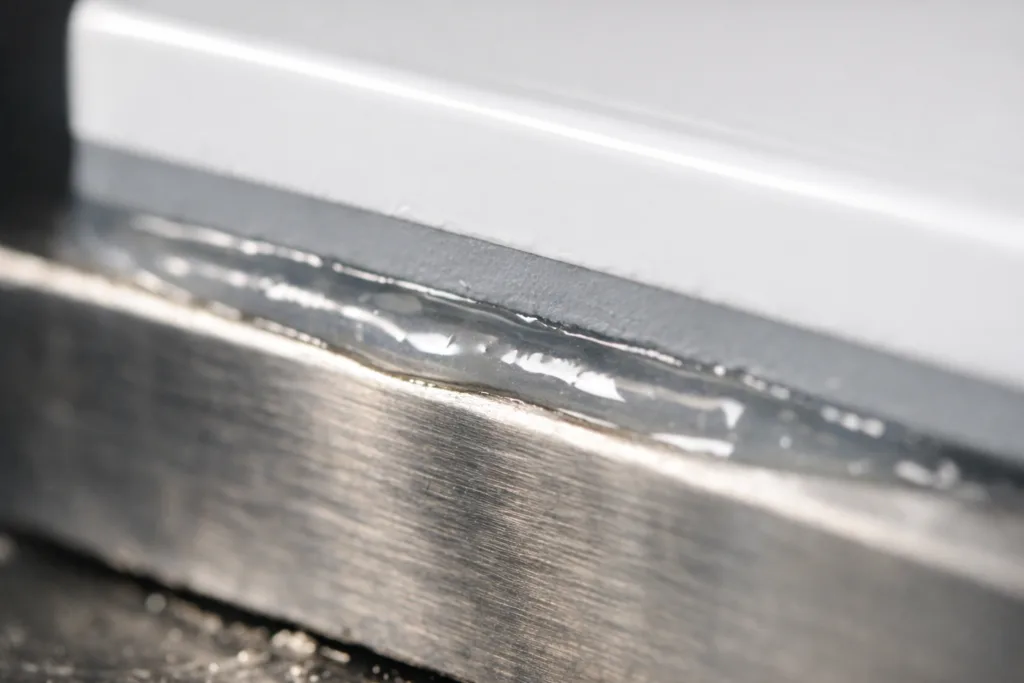
Marine epoxy is a powerful tool for bonding aluminum to stainless steel and other metals, provided that every layer—surface preparation, priming, adhesive, and topcoat—is correctly matched and applied. Epoxy alone does not guarantee corrosion immunity, but as part of a robust system, it delivers exceptional service life in harsh marine conditions. Follow proven steps, consult system guides, and maintain a practical, detail-oriented approach for lasting results.
Frequently Asked Questions
Is it possible to bond aluminum directly to stainless steel using only epoxy?
Epoxy provides a strong adhesive bond, but for marine durability, proper surface prep and incorporation of primers or compatible coating stacks are advised. Epoxy alone may not prevent galvanic corrosion over time.
Do I need to use a primer before applying marine epoxy to aluminum?
Yes, a compatible primer is recommended. It increases adhesion, improves corrosion resistance, and helps lock out moisture on reactive metal surfaces like aluminum and stainless steel.
What’s the difference between an adhesive epoxy and a laminating resin?
Adhesive epoxies are thickened and gap-filling—designed for bonding metals or hardware. Laminating resins are thin and excellent for wetting fibers but often lack the bond line strength required for metal-to-metal work unless reinforced with fillers.
How can I prevent galvanic corrosion when using marine epoxy on aluminum and stainless steel?
Use a full, compatible coating system, including primer and topcoat. This approach seals the joint and blocks electrolytic reactions better than epoxy adhesive alone. Inspect and maintain the sealed system regularly.
How long does a typical marine epoxy bond last on aluminum?
With proper surface preparation, primer, adhesive, and a sealed topcoat, marine epoxy joints can last decades in service. Regular inspection and timely maintenance are key to their longevity.
How should I prepare the aluminum surface before bonding with marine epoxy?
Abrade the surface, clean with a solvent, and apply adhesive or primer immediately to prevent oxide reformation. Avoid handling with bare hands after prep to reduce contamination risk.