
Understanding Marine Epoxy Resin Packaging: Small Kits to Drums
Choosing the right marine epoxy resin packaging can be the difference between a smooth repair and a sticky, stress-filled mess. Whether you’re patching a hull, laminating fiberglass, or building a new deck, selecting the right packaging size—be it a 1kg kit, a 5-gallon pail, or a full drum—directly impacts your cost, efficiency, and result. This guide breaks down how to match packaging to your project’s scope, maximize shelf life and minimize waste, and understand real storage and shipping expectations in marine environments.
Why Packaging Size Matters: Marine Epoxy Resin Packaging Explained
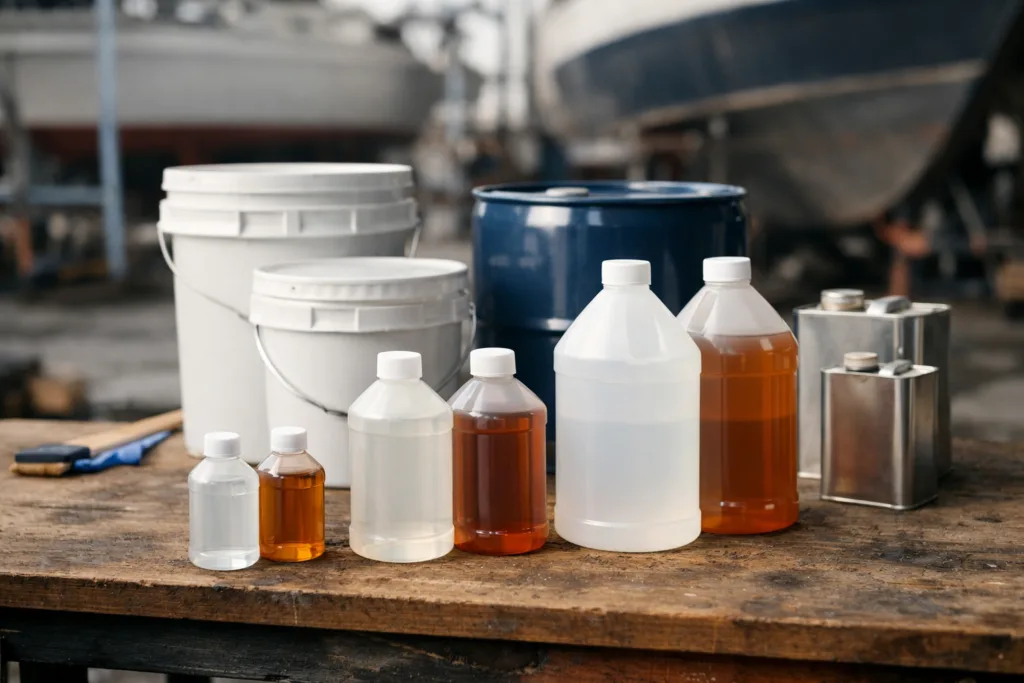
Epoxy projects come in all sizes, so does the resin packaging. Small repair kits suit hobbyists and emergency fixes, while bulk drums serve commercial yards. Picking the wrong size wastes money, accelerates spoilage, and risks incomplete coverage. Packaging also affects mixing logistics, shelf stability, and even shipping costs. Let’s explore how the industry structures its offerings, from convenient dual-syringe kits to massive industrial containers.
Packaging Options for Marine Epoxy Resin
- Small Kits (200g–1kg): For minor repairs, small crafts, patching cracks, fitting for first-time users.
- Pails (5–20 liters / 5 gallons): Ideal for larger surface areas, deck sheathing, or mid-sized installations.
- Bulk Drums (200kg / 55-gal): Best for shipyards, OEMs, and professionals tackling whole hull builds or ongoing commercial projects. Learn about bulk and OEM marine epoxy options from industry leaders.
Essential Considerations: Pot Life, Usage, and Waste
The moment you mix epoxy resin and hardener, a clock starts ticking—this is your pot life. Buy too large a kit, and much may go unused as it cures in the pot before you can apply it. Too small, and you risk running out mid-project, compromising a seamless finish or bond strength.
Estimating Resin Needs: A Practical Approach
To avoid frustration, start with a realistic coverage estimate. Here’s a simple approach:
- Calculate Area: Measure length × width (m2 or ft2).
- Consider Layer Thickness: Standard coatings typically use 1–2mm (about 0.04–0.08 inches) per layer.
- Check Product Coverage Data: Quality brands specify coverage rates per kg or liter on their product page. (E.g., 1kg covers ~0.5–1m2 at 1mm thickness.)
- Add 10–20% Safety Buffer: For mixing losses, edge banding, substrate absorption, and small errors.
Example: To coat a 5m2 deck with a 2mm layer epoxy, you’d use about 10–15kg (assuming 1kg per m2 per mm thickness, plus buffer).
Matching Packaging to Project Type
| Project Type | Recommended Size | Why |
|---|---|---|
| Crack Repair, Small Patches | 200g-1kg kit | Convenient, reduces waste, short pot life |
| Boat Deck Laminating (5–10m2) | 5-10kg pail | More coverage, manageable working time |
| Commercial Hull/Deck Build | 20kg pail, 200kg drum | Bulk needs, cost efficiency, professional mixing tools |
Shelf Life of Marine Epoxy Resin Packaging
Every epoxy resin has a shelf life—time during which it can be stored and still perform as specified. Shelf life is typically 12–24 months for most marine-grade systems, assuming original, unopened packaging and stable conditions. Manufacturers like ZDSpoxy routinely stamp batch dates and expiry warnings to support job site traceability and quality control.
Factors Impacting Shelf Life
- Container Seal: Drums and pails must remain tightly closed. Humidity, even from air, can reduce shelf life.
- Temperature: Store at 15–25°C (59–77°F), away from direct sunlight and heat sources.
- Batch Consistency: Always check the manufacturer’s QC label and rotate stock—don’t let older drums sit unused.
- Contamination: Do not mix partial kits. Avoid introducing dust, oil, or water.
Storage Best Practices for Marine Epoxy Resin Packaging
Proper storage ensures your resin works as intended when you need it. Here’s what seasoned pros (and ZDSpoxy plant engineers) recommend:
- Store Upright: Prevent leaks and resin seepage.
- Keep Dry: Even minor water ingress rapidly ruins most marine resin systems.
- Label Everything: Write open dates and batch codes clearly. Rotate on a “first in, first out” basis.
- Maintain Stable Temperatures: Avoid freezes and hot spikes, which can pre-catalyze resin and hardener.
- Use Original Lids and Seals: To avoid cross-contamination or unwanted air exposure between applications.
See more on how advanced marine epoxy products are supplied with robust packaging and traceability protocols.
Troubleshooting Common Storage Issues
- Crystallized Resin: Some resins solidify in cold. Warm gently (below 50°C/122°F) until clear—do not overheat.
- Separated Components: Stir individual parts before mixing if separation occurs.
- Cloudiness / Settling: Discard if material looks chemically altered, smells off, or shows water contamination.
Shipping Considerations: Laws, Hazards, and Practical Pointers
Shipping marine epoxy resin packaging involves more than selecting carrier rates. Epoxy resins and especially hardeners can be hazardous, flammable, or sensitive to temperature swings, so regulations and best practices apply:
- Regulatory Compliance: Larger drums or pails must often ship as dangerous goods. Your supplier must provide correct labeling—ask for SDS sheets.
- Packing Integrity: Leakproof, impact-resistant containers, secondary containment in boxes/pallets, and protective lids are standard.
- Temperature Control: Avoid freezing or overheating in transport, which can deteriorate resin properties.
Local or International Shipping: What to Expect?
Small kits typically ship as regular consumer goods, with established shelf life upon arrival. For larger drums, delays or improper handling en route can shorten usable storage time. Always inspect on receipt and document any damage or date discrepancies with your supplier.
How to Choose: Small Kits versus Bulk Marine Epoxy Resin
If you’re torn between buying just enough and preparing for the next project, weigh these factors:
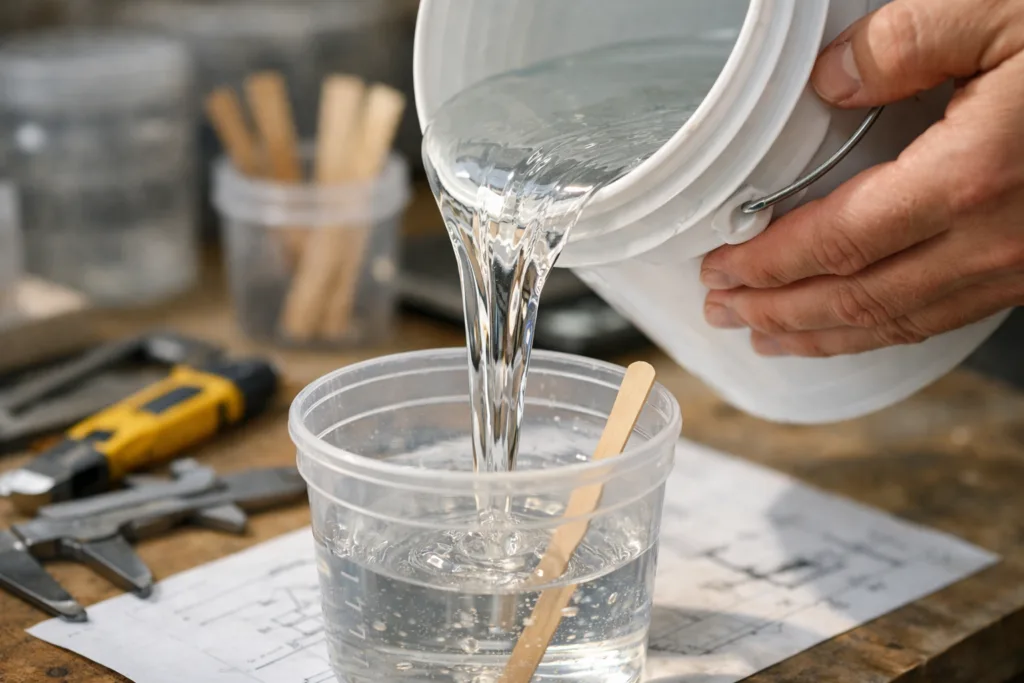
- Frequency of Use: If you only tackle one or two repairs per year, avoid bulk drums—stick to kits.
- Job Size and Working Time: For one-off deck or hull builds, mid-size pails balance convenience with value.
- Mixing & Application: Bulk requires pump or metering systems and experience to prevent batch waste; kits can be mixed by hand.
- Shelf Life Management: It’s safer to use up kits than worry about a half-full drum losing potency after opening.
- Bulk Pricing or OEM Needs: If you’re a shop or builder, explore OEM and drum supply options for cost and consistency.
Pot Life Planning: Don’t Overbuy—Don’t Run Short
Pot life is rarely negotiable. Always mix only what you can apply in 20–60 minutes (per product data). Plan for two or three sequential mixes using small batches rather than risking a large pail heating and gelling before you finish. For fast-cure or cold weather jobs, shorten working window accordingly.
Explore ready-to-use gap fillers and repair putties designed for one-mix, one-job completion for extra reliability.
Reducing Waste and Ensuring Quality: Tricks from the Resin Floor
ZDSpoxy’s technical experts note several real-world tricks that prevent waste:
- Prepare Tools and Substrate First: Have brushes, rollers, and surfaces ready before mixing.
- Batch Sizing: Decant only what you need, reseal remaining components immediately.
- Record-keeping: Note batch numbers, open dates, and partial mixes for each session.
- Tidy Storage: Clean container rims and use silicate gel packs in tropical settings.
These habits, combined with good storage and batch discipline, stretch your resin investment and minimize sticky surprises, regardless of packaging size.
Marine Epoxy Resin Packaging
Marine epoxy resin packaging is engineered for durability and performance, from single-use tubes to industrial drums. Look for tamper-evident seals, corrosion-resistant liners, and clear batch markings. Packaging often reflects the technical grade inside: consumer kits focus on convenience, professional pails and drums emphasize traceability, reusability, and compatibility with mixing machines. If your workflow includes regular repairs or OEM production, work with a supplier who supports collaborative packaging innovations—whether that means easy-pour spouts, color-coded caps, or custom labeling.
Conclusion: Sizing, Storage, and Smart Marine Resin Buying
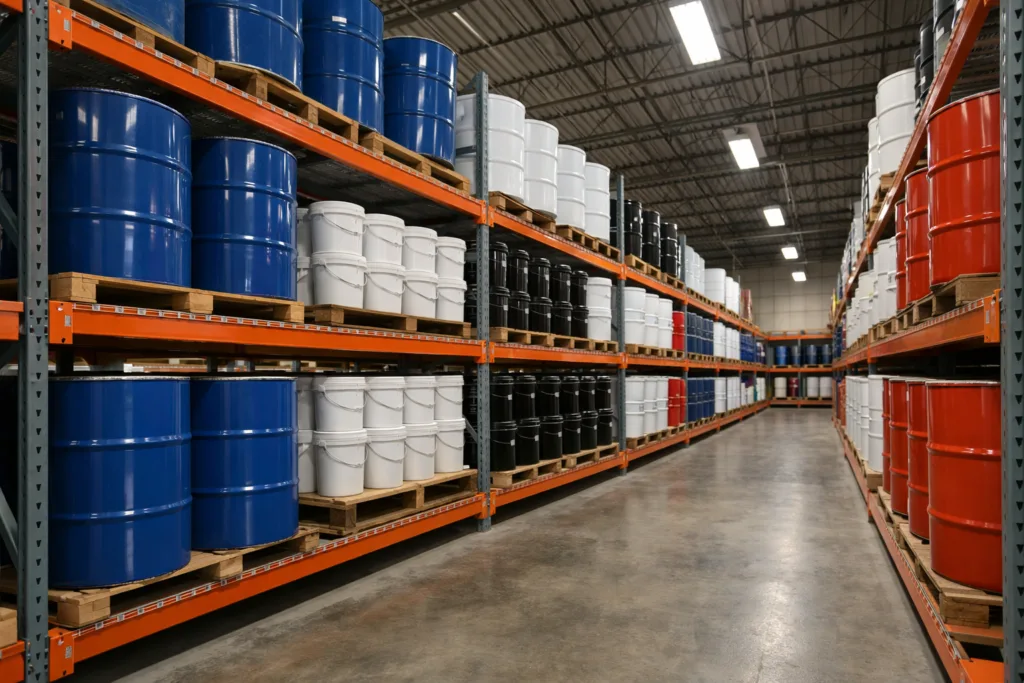
Marine epoxy resin packaging size is not a one-size-fits-all—matching it to your project, using accurate usage estimates, respecting pot life, and practicing diligent storage are the foundations for reliable repairs and builds. Small kits minimize waste for one-off fixes, drums enable commercial efficiency, and disciplined storage preserves your investment. For those needing guidance or specialized packaging, consult vendor resources and manufacturer expertise. Thoughtful selection keeps your project smooth—and your resin fresh and effective for the next job.
Frequently Asked Questions
How do I calculate how much marine epoxy resin I need?
Measure your work area, estimate layer thickness, and check the resin’s specified coverage rate per kilogram or liter. Add a safety margin of 10–20% for losses and account for multiple coats if required.
What happens if I use resin past its shelf life?
You may encounter poor cure, weaker bonds, surface stickiness, or discoloration. Always check the batch date and discard resin that smells off or has visibly changed consistency.
Should I buy resin kits or larger drums?
Choose kits for small, infrequent jobs to avoid waste. Reserve drums for businesses, regular repairs, or when you have proper metering equipment and industry-grade storage conditions.
How should I store leftover marine epoxy resin?
Keep components tightly sealed, upright, and in a dry area between 15–25°C. Mark opening dates and use the oldest material first to avoid spoilage.
How do I safely dispose of unused or expired resin?
Let small mixed quantities cure solid, then dispose as non-hazardous waste. Unmixed resin/hardener should be taken to a chemical disposal facility to avoid environmental harm.
Can temperature or humidity during shipping affect resin quality?
Yes. Extreme temperatures and moisture can shorten shelf life or trigger pre-reactions. Reputable suppliers use insulated, moisture-proof packaging for bulk shipments to maintain quality.