
Introduction to Artistic Flooring Trends in 2026
The landscape of interior design is evolving fast. For 2026, artistic flooring is at the forefront, with metallic epoxy pigments and flowing resin art shaping dramatic, expressive spaces. Interior designers and architects are now challenged to deliver unique, statement-making floors that blend beauty with durability. ZDSpoxy pigments, renowned for their vibrancy and controlled flow, are unlocking new creative possibilities. This article covers everything you need to know about metallic epoxy pigments, flowing resin art, and how to leverage these elements for standout flooring.
What Are Metallic Epoxy Pigments?
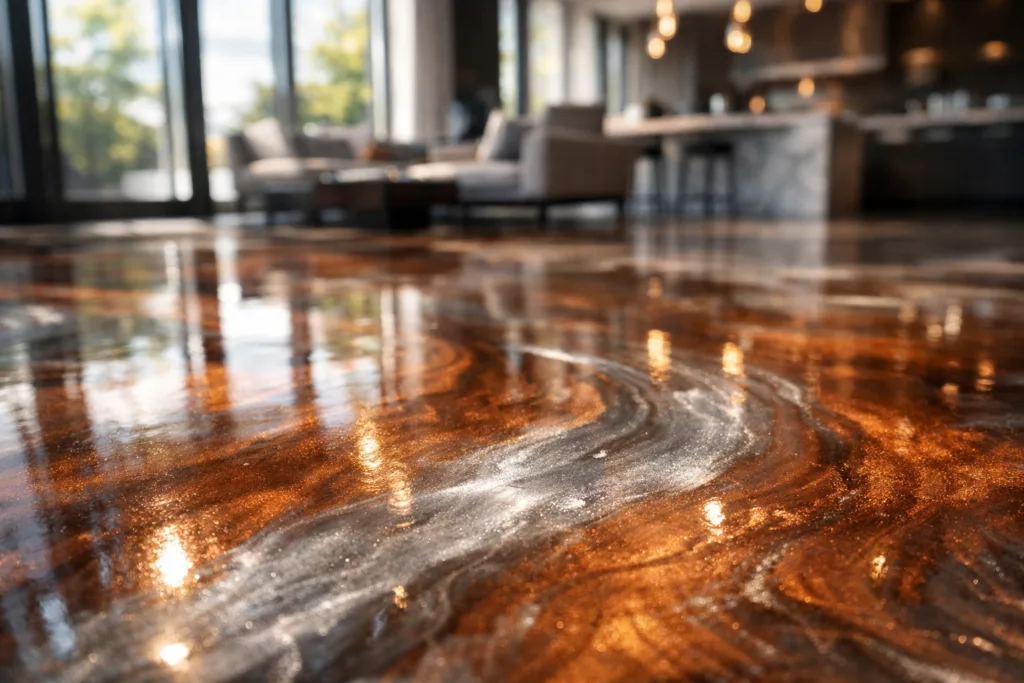
Metallic epoxy pigments are fine mica particles coated in metallic paint suspended within a clear resin. When mixed with epoxy, they create vibrant, pearlescent effects and deep reflections that mimic natural elements like marble, stone, and even liquid metal. The movement and depth of these pigments make them ideal for flowing resin art and modern flooring installations that demand visual impact.
2026 Interior Design Trends Shaping Artistic Flooring
Interior design for 2026 is all about boldness and individuality. Major trends include:
- Biophilic influences—organic shapes, watery patterns, earth tones
- High contrast and statement colors—intensely pigmented metallics
- Fluid movement—dynamic swirls, layered translucency
- Material mixing—combining epoxy with stone, wood, or terrazzo
- Function meets form—flooring systems that balance beauty and durability
Flowing resin art is the perfect answer for these trends, offering versatility in design and the ability to mimic natural forms.
How Metallic Epoxy Pigments Create Fluidity and Visual Depth
When metallic pigments are diffused in resin, they form swirling, cloud-like patterns that change as light hits the surface from different angles. Achieving this look relies on controlled mixing methods and choosing the right products. For example, ZDS-400AB-4 High Gloss Clear Epoxy Topcoat for Decorative Floors enables a luminous, glass-like finish that accentuates pigment movement.
Design Inspiration: Flowing Resin Art in Modern Spaces
From luxury condos to commercial lobbies, flowing resin art transforms interiors. The fluid patterns—evocative of rivers, molten metal, and marble—bring artistry underfoot while remaining durable. Interior designers are using metallic epoxy pigments to set exclusive moods, define zones, and draw the eye through open-plan areas.
Key Advantages of Metallic Epoxy Pigments for Flooring
- Unmatched visual vibrancy
- Customizable color and movement
- Durability and resistance to wear
- Easy to clean, seamless surfaces
- Compatibility with both residential and commercial settings
Practical Considerations: Preparing for a Metallic Epoxy Floor
Ensuring the substrate is clean, dry, and free from oils or dust is essential. Proper primer choice matters—a product like ZDS-1012AB Epoxy Primer for Concrete & Ceramic Floors builds a strong foundation for pigment layers and prevents delamination and blistering.
Mixing Metallic Pigments for Flowing Resin Art
Designers can achieve beautiful fluid effects by:
- Using measured pigment loads for intensity control
- Mixing for 2–3 minutes to evenly disperse particles
- Layering colors for greater depth
- Circulating pigment with brushes, air, or trowels
ZDSpoxy recommends batch size control to prevent curing errors—especially important when working on large artistic floors.
Application Methods for Metallic Epoxy Floors
Popular techniques include:
- Pour-and-spread for seamless swirls
- Drag-and-blend for marbled movement
- Stencil or masked layering for feature zones
- Heat gun or air manipulation for unique patterns
Epoxy systems such as Decorative Flooring Systems offer flexibility for both manual and machine-assisted installations.
Choosing the Right Metallic Pigment for Your Project
- Particle size—larger particles yield bolder reflections
- Color undertone—warm vs cool metallics for mood
- Compatibility—match pigment to resin and application method
- Cure speed—ensure working time fits design complexity
Durability and Maintenance of Metallic Epoxy Artistic Floors
Epoxy floors with metallic pigments resist chemicals, impact, and abrasion. Maintenance involves mild cleaning—avoid harsh solvents and abrasives. High-traffic areas may benefit from polyaspartic or polyurethane topcoats for improved UV and scuff protection.
Residential vs Commercial Uses of Flowing Resin Art Flooring
| Feature | Residential | Commercial |
|---|---|---|
| Design complexity | Medium—custom rooms | High—large open spaces |
| Traffic level | Low–Medium | Heavy |
| Finish requirements | Personalized gloss/matte | Durable, slip-resistant |
| Maintenance | Occasional cleaning | Frequent maintenance |
Environmental Performance and VOC Considerations
Epoxy resin formulations are mostly low-VOC and suitable for indoor use. Always check product certifications and use PPE during installation. Good ventilation, along with proper waste disposal, are critical for safe project sites.
Advanced Techniques: Combining Metallic Pigments with Other Materials
Designers are now embedding stone, wood, or colored sand into resin for multi-layered effects. ZDSpoxy’s technical guidance emphasizes compatibility and aggregate loading ratios—balance pigment and filler content for clean, void-free finishes.
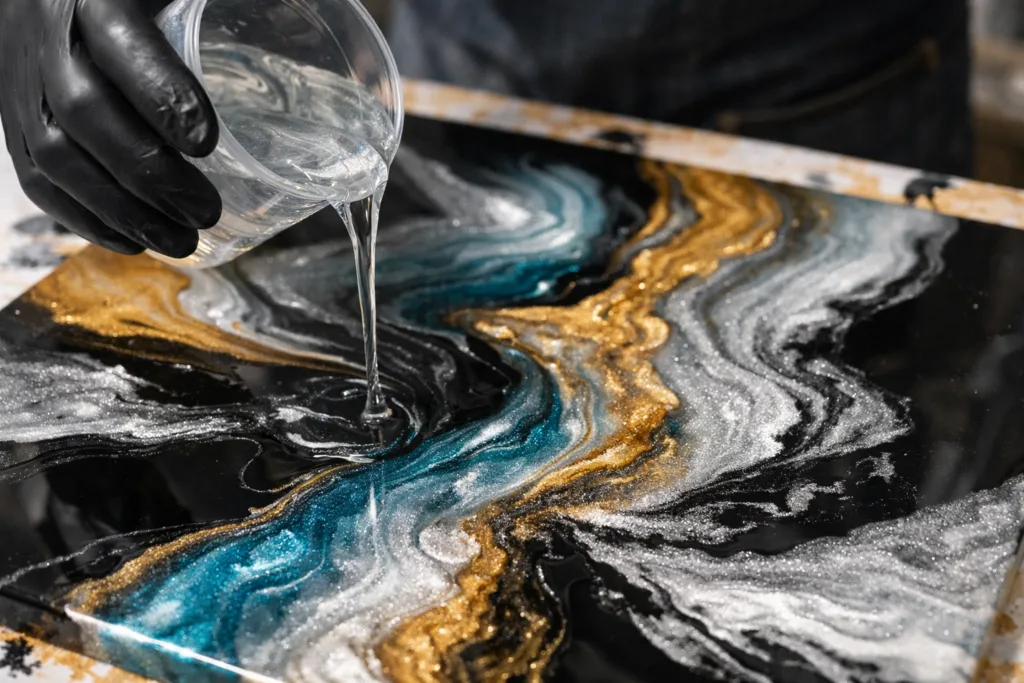
The Role of Polyurethane and Polyaspartic Topcoats
For extreme durability and UV stability, consider sealing metallic epoxy floors with ZDS-8300AB 2K Polyurethane Clear Topcoat or polyaspartic coatings. These enhance longevity while preserving pigment brilliance.
Case Study: Artistic Flooring in a Boutique Hotel Lobby
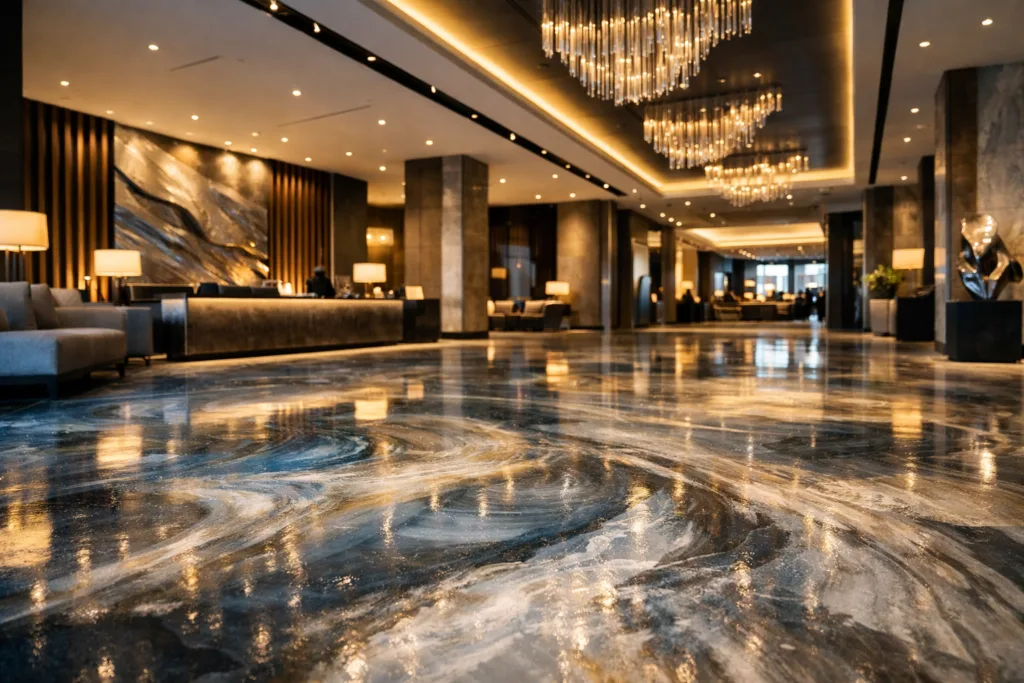
A boutique hotel in Shanghai adopted metallic epoxy for its lobby, using copper and silver pigments to reflect surrounding architecture. After prepping with epoxy primer and layering flowing resin art, ZDSpoxy topcoats delivered a seamless, high-gloss effect resistant to heavy foot traffic. The result: a visually striking and robust surface.
Common Pain Points and Solutions for Designers
- Paint lines and pigment clumping? Mix thoroughly and filter resin before pouring.
- Delamination or blistering? Use a reliable primer and check substrate moisture.
- Short working time? Choose slow-cure epoxy for large, intricate designs.
- Color inconsistency? Standardize batch mixing and measure pigment loads
ZDSpoxy’s Engineering Perspective: Quality Control in Pigment Application
ZDSpoxy’s R&D teams focus on batch-to-batch pigment consistency, viscosity control, and gel time checks. For artistic applications, testing application methods at small scale prevents failures. Factory guidance ensures paint, primer, and topcoat compatibility to safeguard against discoloration, curing issues, or surface defects.
Safety and Compliance in Metallic Epoxy Flooring Installations
Safety starts with PPE—gloves, masks, and goggles. Epoxy mixing should be done in ventilated areas with temperature control to prevent premature cure and exothermic reactions. Comply with local building codes and follow manufacturer’s handling protocols for product storage and transport.
Customization: Color Choices and Effects with Metallic Pigments
Designers select from a broad palette—bronze, pearl, sapphire, emerald—and blend to create new shades. Custom pours enable transitions between colors, subtle gradients, or sharp contrasts for dramatic floor visuals.
Best Practices for Large-Scale Artistic Resin Installations
Plan installation by sections, maintain batch recordkeeping, and assign tasks clearly. Seal formwork, test substrate, and keep environments dust-free. Always allow each layer to fully cure before topcoating for maximum performance.
Measuring Success: Performance Benchmarks for Metallic Epoxy Floors
- Gloss retention & color brilliance after traffic
- Resistance to scuffs, spills, and abrasion
- Moisture tolerance & bond integrity
- Longevity—floors are designed to last 10+ years
Metallic Epoxy Pigments: Flowing Resin Art in 2026
Metallic epoxy pigments and flowing resin art are setting new benchmarks for artistic flooring. 2026 trends highlight sustainable materials, expressive designs, and functional durability. With technical advances from ZDSpoxy and peer manufacturers, designers are empowered to create interiors that dazzle guests and endure everyday use.
Future Outlook: Innovations Ahead for Artistic Flooring
The next wave of flooring innovation will see smart pigments, UV-reactive resins, and digital design tools making even more ambitious installations possible. Look for improved environmental profiles and greater integration of resin systems with other materials.
Conclusion: Practical Takeaways for Interior Designers
Metallic epoxy pigments and flowing resin art offer designers powerful tools to craft distinctive, vibrant floors. For 2026, the focus is on sustainable, visually compelling systems that balance creativity with practical durability. Incorporate advanced mixing, careful prep, and high-quality ZDSpoxy formulations to ensure lasting beauty in both residential and commercial settings.
Frequently Asked Questions
What makes metallic epoxy pigments suitable for artistic flooring?
Metallic epoxy pigments create visual depth and movement, allowing designers to craft unique, high-impact floors that are also durable and easy to maintain.
Can flowing resin art floors handle heavy foot traffic?
Yes, when installed with quality resins and protective topcoats, flowing resin art floors resist abrasion, impacts, and daily wear in both residential and commercial spaces.
Do metallic epoxy floors require special cleaning or maintenance?
Routine cleaning with mild soap and water keeps epoxy floors looking fresh. Avoid using harsh chemicals or abrasive pads to protect the pigment finish.
Are metallic epoxy pigments safe for indoor use?
Most epoxy pigment systems are low in VOCs and designed for indoor applications, but proper ventilation and PPE are always recommended during installation.
How can I achieve consistent color and flow effects across a large floor?
Use controlled batch mixing, measure pigment loads accurately, and apply methodically in sections to maintain color and movement throughout the installation.
What should I do if metallic pigments start to clump or settle?
Thorough mixing and filtration can prevent pigment clumping. If settling occurs, remix before pouring and always check compatibility with the epoxy system used.