
Understanding Outdoor Polyaspartic Coating
Outdoor spaces face nonstop punishment from sunlight, rain, and fluctuating temperatures. When choosing coatings, UV resistance stands out as one of the top priorities—especially with polyaspartic systems. Polyaspartic coatings offer advanced protection for concrete, stone, and metal. Their chemistry provides not only a tough finish but also a shield against sun damage. ZDSpoxy has developed specialized solutions to meet demanding outdoor needs.
What Makes Polyaspartics Different
Polyaspartics are a class of polyurea technology. They cure quickly, resist yellowing, and deliver impressive hardness. Unlike standard epoxies and urethanes, polyaspartics maintain gloss and color outdoors for years. This resilience comes from their unique molecular structure, which responds well to UV stabilizers and additives.
Common Outdoor Challenges
- Intense UV exposure
- Extreme temperature swings
- Rain, frost, and chemical spills
- Abrasion from foot and vehicle traffic
- Growth of algae, fungi, and stains
UV Resistance: Why It Matters for Outdoor Polyaspartic Coating
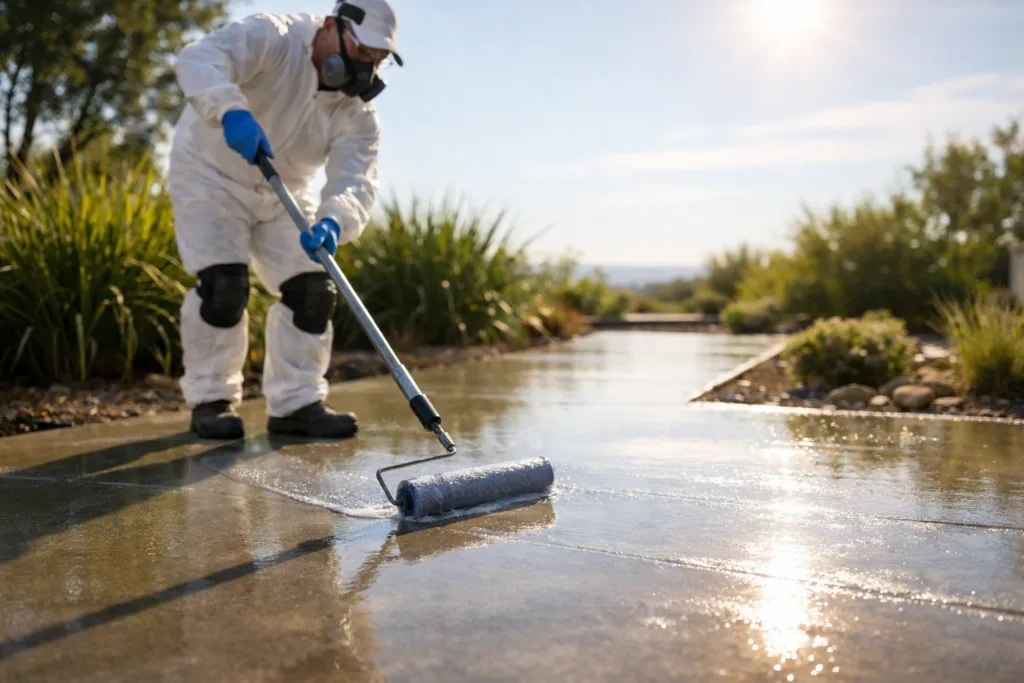
UV radiation is the main culprit for fading finishes, chalking, and loss of mechanical strength. Polyaspartic coatings, when properly formulated, can dramatically reduce these problems. ZDSpoxy incorporates premium UV blockers and light stabilizers, slowing degradation and preserving performance over time. The result is a surface that stays beautiful and functional, even under direct sunlight.
Key Benefits Supported by Testing
- Color retention after 2,000 hours in accelerated weathering
(per ASTM G154 standard) - Gloss preservation >90% compared to new surface
- Minimal yellowing (Delta E < 3.0)
- No chalking, cracking, or embrittlement
- Surfaces resist degradation even with regular cleaning
Sunlight and Outdoor Chemistry
Outdoor polyaspartic coating combines chemical backbone stability with powerful additives. UV absorbers shield material bonds. HALS (hindered amine light stabilizers) stop free radicals formed by UV attack. Together, these ingredients extend life and ensure bright color holds steady through harsh seasons.
Comparing Outdoor Polyaspartic Coating with Other Systems
Manufacturers need coatings that balance speed, durability, and weatherproofing. Polyaspartics outperform many epoxies and urethanes for exterior use. The table below compares leading chemistries, substrates, and best applications.
| Type | Cure Mechanism | Main Substrates | UV Resistance | Best Uses |
|---|---|---|---|---|
| Polyaspartic | Rapid RT cure | Concrete, stone, metal | Excellent | Pavements, decks, facades |
| Epoxy | 2K, RT/heat | Concrete, steel, tile | Poor to fair | Indoor floors, structural |
| Polyurethane | Moisture or 2K | Concrete, wood | Good | Decks, roofing |
| Acrylic | Waterborne/solvent | Stone, masonry | Fair | Facade, graffiti barrier |
Expert Takeaway
Polyaspartic coatings set the gold standard for outdoor UV resistance, combining rapid cure with excellent weathering performance across many surfaces.
How Polyaspartic Coatings Achieve UV Resistance
The backbone of UV-resistant outdoor polyaspartic coating starts with its aliphatic chemistry. Polyaspartics form tight molecular chains that withstand solar radiation better than aromatic urethanes or conventional epoxies. Engineers optimize this base with special ingredient blends:
- UV absorbers: These molecules capture sunlight and safely dissipate its energy.
- HALS: Prevents color fading and surface chalking by neutralizing free radicals.
- Oxidation inhibitors: Helps coatings retain mechanical toughness and gloss.
ZDSpoxy tests each formula for salt spray (ASTM B117), thermal cycling, and age resistance. The aim is multilayer protection from both sun and environmental stress.
Performance Metrics
- Hardness: 85–100 Shore D for tough surfaces
- Lap-shear strength: 12–18 MPa (ASTM D1002)
- T-peel: >40 N/25mm (ASTM D1876)
- Tg: 55–80°C depending on blend
- Gloss: Maintains >90% at 60° reflectometer
Outdoor Polyaspartic Coating: Application and Prep for Maximum Durability
Outdoor polyaspartic coating excels only with proper application and substrate preparation. Follow these steps to ensure best results:
Substrate Preparation
- Degrease surfaces to remove oils and contaminants.
- Abrade or grit-blast to expose fresh profile for bonding.
- Apply adhesion promoters (on plastics like ABS, PP, PC, nylon).
- Check moisture level; ideal moisture content <4% for concrete.
Mixing and Dispensing Techniques
- Use static mixers for precise 1:1 or 2:1 ratios.
- Dispense with bead, slot-die, or roll applicators for even coverage.
- Watch pot life (12–30 minutes typical at 25°C).
Fixturing and Curing
- Clamp/mask critical areas to prevent runs.
- Polyaspartics cure fully in 1–2 hours (RT, 20–25°C).
- Use UV/heat lamps for accelerated cure if needed.
ZDSpoxy’s blended polyaspartic systems simplify installation with low odor and fast return-to-service, key for commercial spaces.
Quality Control and Compliance for Outdoor Coatings
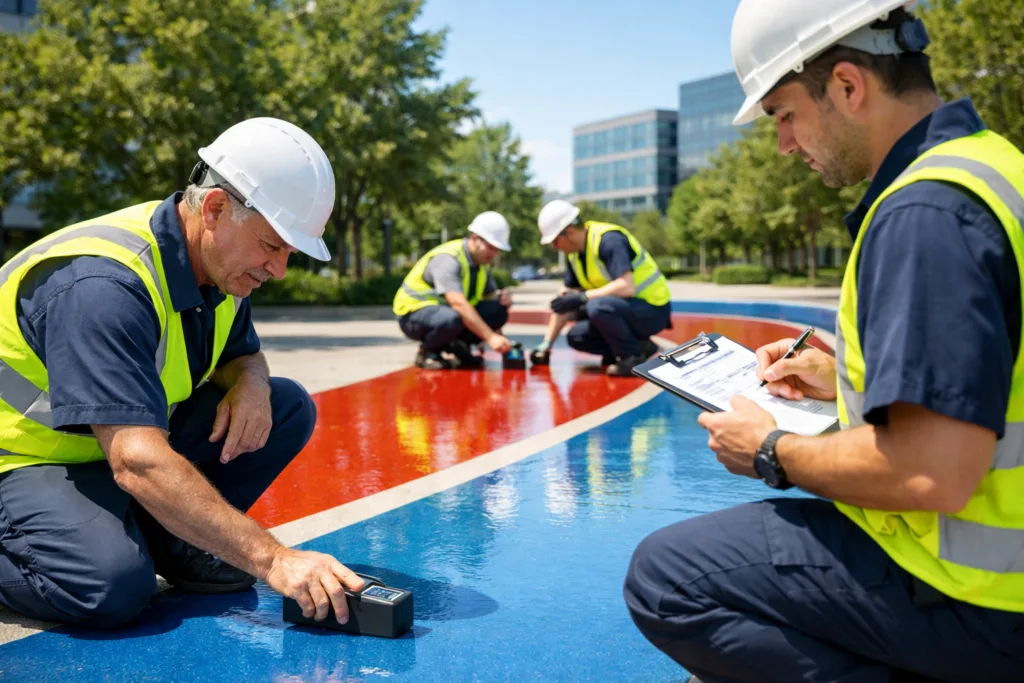
Outdoor coatings must prove their reliability before field use. Manufacturers perform rigorous quality assurance from start to finish.
Typical QC Steps
- Check viscosity (800–1800 cP) for proper flow.
- Perform color/gloss consistency checks batch-to-batch.
- Run accelerated UV and weathering tests per ASTM G154/B117.
- Track lot numbers for ISO 9001 documentation.
- Assess REACH/RoHS/VOC compliance—provide SDS for all products.
Documentation and Traceability
ZDSpoxy offers full traceability for every batch shipped. This allows end users to request QC data and ensure compliance for government or architectural specifications.
Key Industries and Uses for Outdoor Polyaspartic Coating
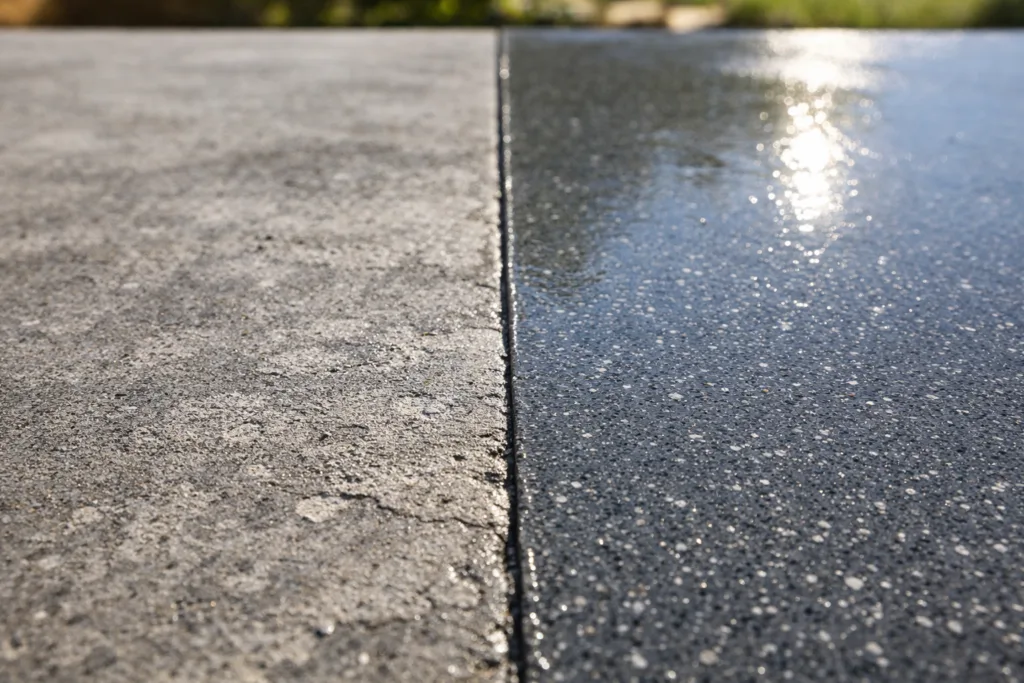
Industries count on polyaspartic coatings to keep outdoor surfaces strong and good-looking. Here are some popular applications:
- Public walkways and plazas
- Parking decks and garage floors
- Building facades and bridges
- Pool decks, patios, and playgrounds
- Industrial machinery enclosures
- Decorative stonework and monuments
Facility managers appreciate the fast cure and minimal downtime. Architects favor the high gloss and color versatility. Maintenance teams value stain, oil, and tire mark resistance.
Outdoor Polyaspartic Coating: Maintenance & Longevity
Keeping outdoor polyaspartic coating in top shape doesn’t require complicated steps. Regular cleaning with mild detergents and water is enough for most surfaces. Avoid harsh abrasives or strong acids. Periodic inspection for cracks and chips helps catch small issues before they spread. In most climates, expect 7–15 years service life per application.
Signs of Wear to Watch
- Loss of gloss or color
- Tiny surface cracks or chips
- Stain build-up from vehicles or chemicals
- Discoloration in high-traffic zones
Touch-Up and Recoat Procedures
Light sanding and cleaning allow easy spot repairs. Recoat using the same application steps outlined earlier. Fast return-to-service makes polyaspartic systems perfect for busy outdoor facilities.
Outdoor Polyaspartic Coating
Polyaspartic coatings ensure long-term outdoor durability and impressive UV resistance. These coatings protect concrete, stone, metal, and even plastics exposed to harsh sunlight. Their advanced chemistry, rapid curing, and reliable weatherproofing make them the choice for architects and facility managers. ZDSpoxy’s proven formulations meet demanding requirements, promising surfaces that stay bright and strong for years.
Recent Innovations in UV Resistant Polyaspartic Coatings
Continuous research fuels improvements in outdoor polyaspartic coating performance. Recent advances include nanocomposite additives, which further block UV rays and enhance scratch resistance. Hybrid formulas now blend polyaspartic with siloxane or acrylic for extra flexibility and adhesion. Smart pigments shift color under sunlight for built-in wear indication. ZDSpoxy is investing in smart chemistry to set industry benchmarks in both visual appeal and technical lifespan.
Future Trends
- Self-healing surface coatings
- Decorative finishes with thermal control
- Bio-based polyaspartics for sustainability
- Advanced QC tracking with smart barcoding
Frequently Asked Questions
What is outdoor polyaspartic coating?
Outdoor polyaspartic coatings are fast-curing protective finishes for concrete, stone, and metal, designed for high UV and weather resistance.
How does polyaspartic resist UV damage?
Polyaspartic uses aliphatic chemistry and UV stabilizers that block sunlight and neutralize free radicals, preventing yellowing and fading.
Where are outdoor polyaspartic coatings used?
These coatings protect parking decks, walkways, building facades, patios, pool surrounds, and industrial enclosures from damage.
How long do outdoor polyaspartic coatings last?
With proper application and maintenance, expect 7–15 years of service life before recoating is needed.
Can polyaspartic coatings be applied in hot or cold weather?
Yes, many formulations cure rapidly in temperatures ranging from 5°C to 35°C, allowing for year-round outdoor use.
Does ZDSpoxy provide technical support for outdoor projects?
ZDSpoxy offers expert guidance, QC documentation, and tailored polyaspartic solutions for new builds and maintenance recoats.