
Understanding Polyaspartic Base Coat
Polyaspartic base coats have become essential in floor systems and protective coatings thanks to their advanced chemistry and dependable performance. As the core foundation in multilayer applications, the polyaspartic base coat not only bonds securely to the substrate but also penetrates deep, ensuring strong adhesion and long-term durability. This is crucial for concrete floors, industrial surfaces, and decorative stone installations.
How Polyaspartic Chemistry Drives Performance
At the heart of every polyaspartic base coat lies its unique polyaspartic resin, engineered to deliver rapid cure times, high strength, and outstanding chemical resistance. Developed from the reaction between polyurea and aspartic acid ester, these coatings cure anywhere from 30 minutes to 2 hours at room temperature.
Fast Cure and Versatile Processing
Unlike traditional epoxy systems, polyaspartic coatings offer short pot lives (up to 30 minutes) and accelerated open times. This means less downtime. They’re ideal for projects where speed and flexibility matter.
Superior Adhesion Mechanism
The polyaspartic base coat works in three steps: bonding, penetrating, then adhering. First, liquid resin bonds to the substrate surface. Next, it penetrates micro-pores through capillary action. Finally, chemical groups form durable adhesion bridges, locking the coating in place.
Viscosity and Wetting
Low viscosity (300-800 cP) helps polyaspartics flow into concrete pores and stone grain. This maximizes surface contact and mechanical grip.
Quick UV and Chemical Resistance
Polyaspartic base coats resist yellowing caused by UV exposure. Their tight polymer network offers outstanding shielding against oil, salts, and cleaning agents—perfect for warehouses, parking decks, and workshops.
Polyaspartic Base Coat: Function & Performance
The main function of a polyaspartic base coat is to create a lasting bond with the underlying material. It serves as the anchor for build-up layers, ensuring that further coats—like intermediate fillers and glossy topcoats—adhere securely and do not peel away. ZDSpoxy’s polyaspartic base coats exhibit lap-shear strengths above 12 MPa (tested to ASTM D1002), proving reliability for structural and decorative applications.
Pore Penetration and Concrete Lock
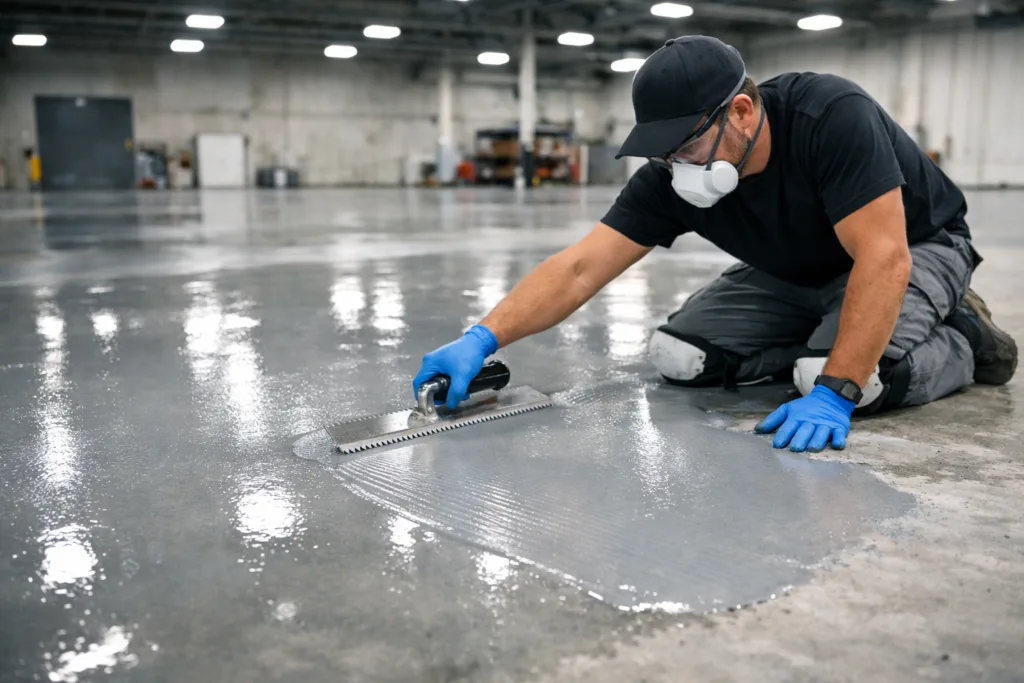
The effectiveness of polyaspartic base coats in floor construction depends on their ability to infiltrate the surface. During application, technicians use bead or notched-trowel methods to spread resin. After a short induction period (about 10-15 minutes), the coat seeps into voids, anchoring itself and boosting impact resistance.
Adhesion to Multifarious Substrates
Polyaspartic base coats adhere to more than just concrete. They work with metals, non-porous ceramics, and engineered plastics alike, especially after proper substrate preparation. Degreasing and light abrasion help maximize adhesion. For tough-to-bond plastics like PP and PA, surface activation (corona treatment or primer) is recommended.
- Concrete: maximum deep penetration and grip
- Stone: locks into natural pores for weatherability
- Metals: forms strong chemical bonds after light abrasion
- Ceramics: offers reliable attachment with priming
- Plastics: corona/plasma or primer ensures adhesion
Cure Profile and Handling Times
Most ZDSpoxy polyaspartic systems are two-component (2K). When mixed in a 1:1 or 2:1 ratio, they begin to gel within 30 minutes. Full walk-on hardness (Shore D ≥ 60) can be achieved in under 2 hours at 20°C, making them suitable for fast-turn projects. This short cure interval also helps minimize dust contamination and shortens downtime.
| Chemistry | Typical Substrates | Pot Life | Strength | Best Use Case |
|---|---|---|---|---|
| Polyaspartic | Concrete, stone, ceramic, metal, engineered plastics | 15–30 min | 12–16 MPa lap-shear | Fast floors, exterior UV, decorative stone |
| Epoxy 2K | Concrete, stone, composites, metal | 30–60 min | 10–18 MPa lap-shear | Structural bonding, heavy industry |
| Polyurethane | Flexible plastics, stone, metal | 30–90 min | 8–14 MPa lap-shear | Flexible floors, vibration damping |
| Acrylic | Metal, plastic, glass | 5–20 min | 7–12 MPa lap-shear | Quick repairs, transparent coatings |
Optimizing Bonding: Surface Preparation
The strength and longevity of polyaspartic adhesion rely on thorough surface prep. Cleaning, degreasing, and abrasion remove surface contaminants, exposing pores for resin penetration. For concrete, acid wash or shot-blasting increases profile, while stone may only require grit sanding. Metals benefit from mechanical abrasion—often with a wire brush or sandpaper. In advanced applications, substrate moisture should be evaluated to prevent blistering or delamination.
- Remove oils and dust (solvent wipe)
- Abrade surface mechanically (grit-blast, sand)
- Ensure surface dryness and profile depth
- Apply adhesion primer if needed (especially for plastics, metals)
Penetration Capabilities: How Deep is Deep Enough?
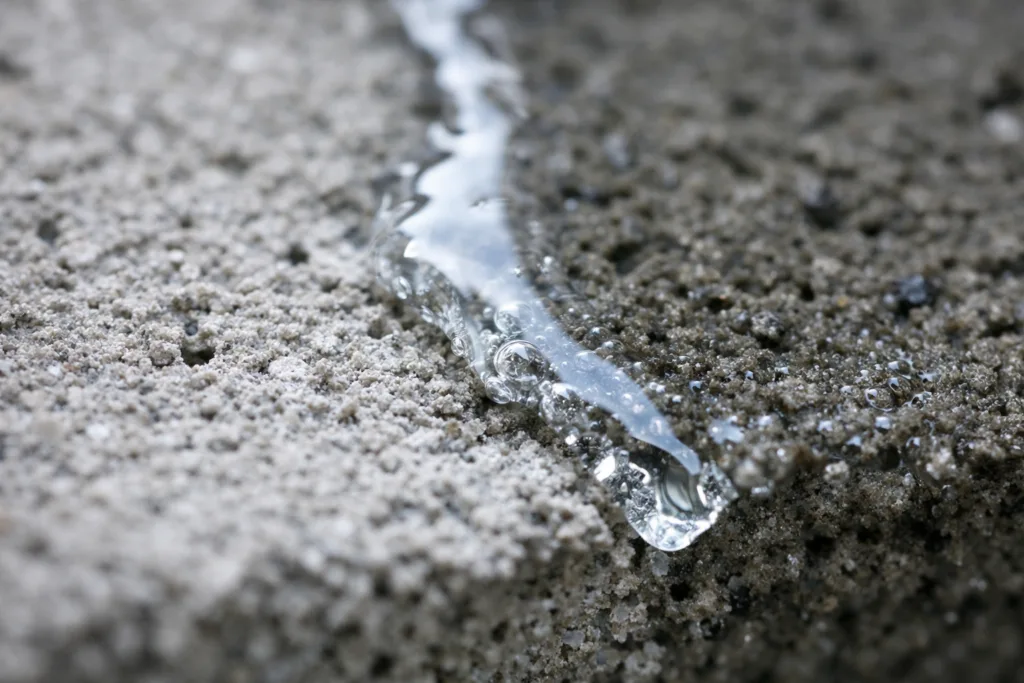
Polyaspartic resins excel at capillary penetration. In concrete, resin can reach depths of 2–4 mm, forming an interlocking layer for maximum grip. Stones with open grain allow similar infiltration, while compact ceramics respond better with primer assistance. Technicians should monitor viscosity, ambient temperature, and substrate porosity to achieve the right penetration depth without excessive soak or wasted material.
Testing Penetration Depth
Salt spray tests (per ASTM B117) and thermal cycling evaluate how well the base coat locks into substrates under extreme conditions. Whether in cold storage or high-traffic corridors, coatings must retain integrity over years of abuse. ZDSpoxy systems provide full test data and traceability for peace of mind.
Adhesion: The Final Anchor
Once polyaspartic has bonded and infiltrated, true adhesion occurs. Chemical bridges form at the molecular level, fusing resin chains to substrate minerals, metal oxides, or polymer surfaces. This final fix resists shear, peel, and temperature swings. For engineered plastics, primers boost this effect, giving long-term reliability even where thermal expansion is a concern.
Shear and Peel Strength Metrics
Lap-shear testing (ASTM D1002) and T-peel (ASTM D1876) provide measurable adhesion values. ZDSpoxy base coats regularly exceed 12 MPa in shear and 5 N/mm in peel, outperforming many lower-tier alternatives. This means fewer call-backs, better overall system integrity.
Long-Term Aging and Compliance
Adhesion must last. ZDSpoxy systems conform to REACH, RoHS, and ISO 9001 standards. Each production lot is tracked for consistency. Extended aging trials ensure that coatings stay bonded despite years of real-world stress.
Application Methods for Polyaspartic Base Coat
Installing polyaspartic base coats efficiently calls for the right technique. Common approaches include bead dispensing, slot-die, spray, roll-coat, and notched-trowel methods. Automated mixing stations and static mixers guarantee uniform blend ratios (usually 1:1 or 2:1). After mixing, prompt application ensures maximum wetting and deep substrate penetration.
- Prepare substrate—degrease and abrade as needed
- Mix resin and hardener (per datasheet)
- Apply evenly with chosen tooling
- Allow short induction for deep penetration (10-20 min)
- Begin topcoat or layer-up after initial set (under 2 hr)
Process Control and Quality Assurance
Each batch should document viscosity, coverage rates, and application conditions. Regular QA ensures thickness uniformity and complete cure. ZDSpoxy provides support with SDS, VOC tracking, and system datasheets.
Comparing Polyaspartic vs. Other Base Coats
Choosing between polyaspartic, epoxy, and polyurethane comes down to cure time, performance, and project needs. Polyaspartic shines where speed and UV-resistance matter most. Epoxies deliver brute structural strength but often require slower curing. Polyurethanes offer flexibility and vibration damping.
Best Use Cases and Performance Trade-Offs
Polyaspartic base coats are ideal for rapid floor installations, exterior decorative stone, and rehab projects needing minimal downtime. Epoxies are better for heavy-duty engineering. Polyurethanes suit flexible construction and resilient surfaces.
Expert Takeaway: “For high-traffic, quick-turn installs with exposure to sunlight and chemicals, polyaspartic base coats set the industry standard for durability and performance.”
Maintaining Polyaspartic Base COat Systems
Routine maintenance extends the lifespan of any coating. Polyaspartic base coats are easy to clean thanks to their dense cross-linking. Simple scrubbing with non-abrasive cleaners keeps them looking sharp and performing well. Periodic inspection for chips or delamination can catch issues before they become major repairs.
- Clean with mild soap and water only
- Avoid acid or harsh solvent scrubs
- Touch up chips with matching resin
- Schedule annual checkpoint inspections
Choosing the Right Polyaspartic Base Coat
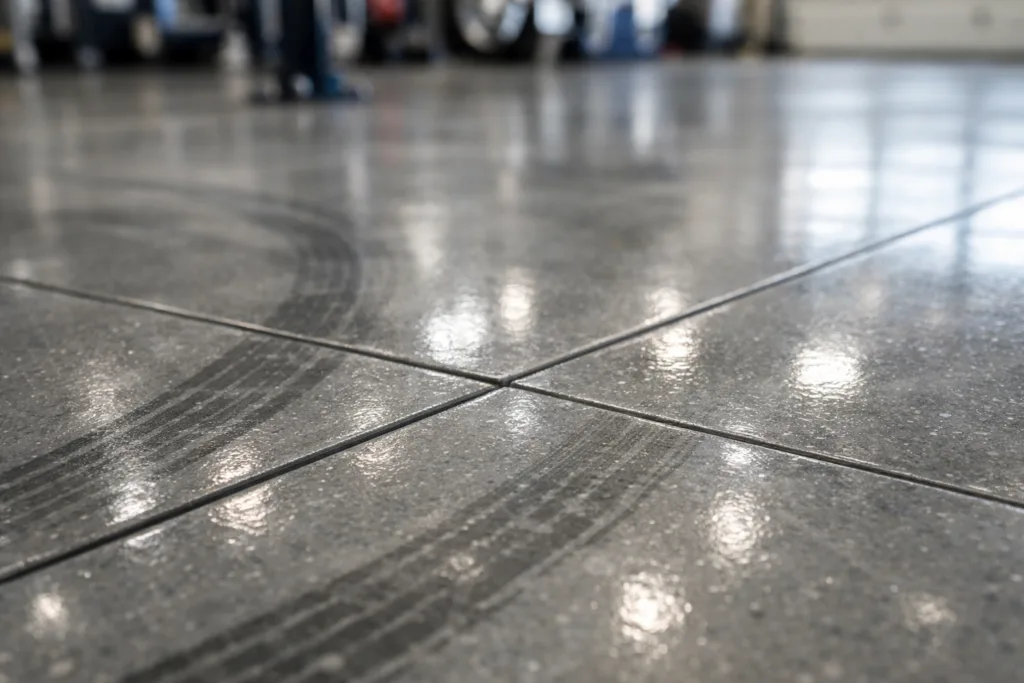
Selecting the right base coat means considering substrate, cure speed, strength, and project complexity. ZDSpoxy offers tailored systems for commercial flooring, industrial retrofits, and decorative stone. Review datasheets for recommended ratios, pot life, and handling times.
For builder and buyer guidance, reach out to technical experts or request sample kits for on-site trials. Look for products with clear compliance data and real-world performance metrics.
Frequently Asked Questions
What surfaces can a polyaspartic base coat bond to?
Polyaspartic base coats bond well to concrete, stone, metal, ceramics, and engineered plastics after proper surface preparation.
How quickly does a polyaspartic base coat cure?
Most polyaspartic base coats cure in under two hours at room temperature, allowing fast topcoat application and walk-on access.
What’s the difference between polyaspartic and epoxy base coats?
Polyaspartic coatings cure faster, resist UV better, and outlast epoxies in outdoor and high-traffic areas; epoxies offer higher structural strength.
Does substrate preparation affect polyaspartic adhesion?
Yes, thorough cleaning, degreasing, and abrasion are essential for achieving maximum bond strength and long-term performance.
Are polyaspartic base coats environmentally safe?
ZDSpoxy polyaspartic base coats meet REACH, RoHS, and VOC guidelines, making them safe for most commercial and industrial uses.
Can polyaspartic base coats repair damaged floors?
Yes, they are excellent for resurfacing and repairing damaged concrete and stone surfaces, offering durability and easy application.