
Polyaspartic Coating: Properties and Performance
Polyaspartic coating is a fast-curing, two-part protective system mostly used for floors, metal surfaces, and outdoor structures. Its unique chemistry gives it quick cure times, outstanding abrasion resistance, and strong protection against chemicals or UV light. These features make polyaspartic a common choice in commercial garages, warehouses, and high-traffic industrial areas. But is it a perfect fit for every application? Read on to discover key situations where polyaspartic coatings excel—and where other systems might work better.
Understanding Polyaspartic Chemistry
Polyaspartic coatings belong to the polyurea family. They cure rapidly at room temperature after mixing two components. Once applied, the reaction forms a tight, cross-linked network. This structure makes the coating hard and resistant to impacts, moisture, and wear.
Key Physical Properties
- Cure Time: Typically under 2 hours, even at low temperatures
- Tensile Strength: Usually 20–30 MPa (strong for flooring)
- Hardness: Shore D 70–80 (very tough)
- Flexibility: Moderate elongation before cracking
- Chemical Resistance: Excellent against oils, solvents, acids
- UV Stability: No yellowing, keeps finish clear over time
Performance Testing Standards
Good manufacturers, like ZDSpoxy, test coatings to strict standards. Common tests include:
- ASTM D1002 for lap shear strength
- ASTM D4060 for abrasion resistance
- ASTM B117 for salt spray/corrosion
- Thermal cycling and UV aging in climate chambers
Typical Uses for Polyaspartic Coatings
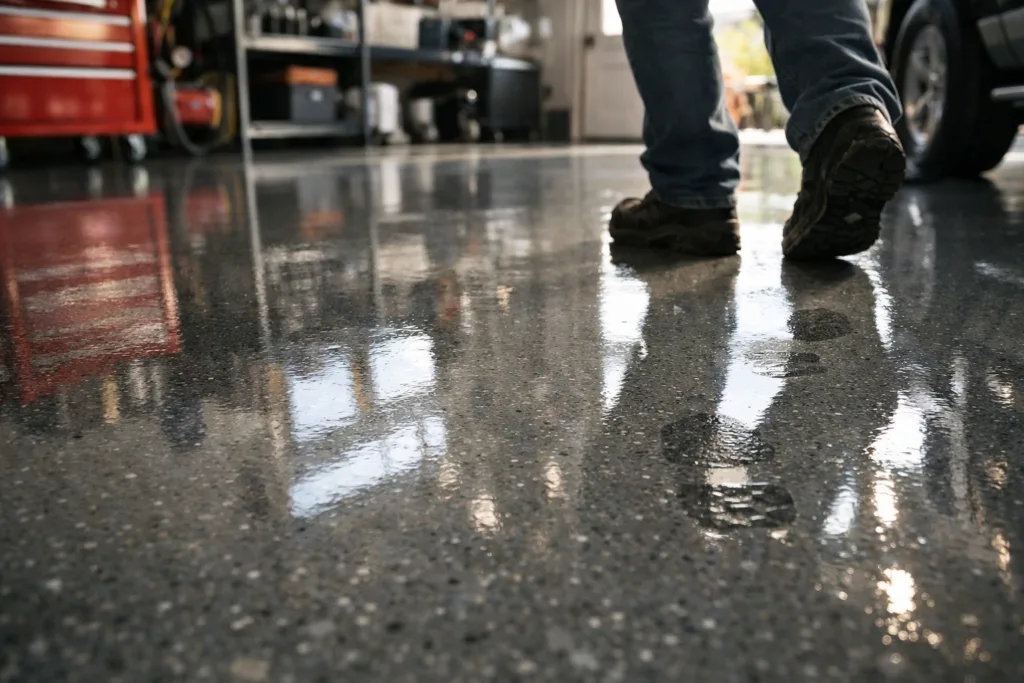
Polyaspartic coatings protect surfaces from wear, moisture, stains, and chemicals. Their rapid cure and tough finish make them ideal for many challenging environments.
Common Applications
- Garage and showroom floors
- Factory or warehouse concrete
- Heavy-traffic corridors in commercial buildings
- Loading docks and outdoor steps
- Food processing and cold-storage rooms
- Public restrooms or locker rooms
- Outdoor decks and exposed metalwork
Advantages Over Epoxy and Urethane
Compared to standard epoxy, polyaspartic cures much faster and can be applied across a wider temperature range. Unlike many urethane coatings, it resists yellowing and doesn’t soften under sunlight or heavy use.
Expert Insight: “Polyaspartic coatings shine in time-critical jobs. They’ll accept full traffic in hours, not days—without sacrificing strength.”
Polyaspartic Coating
Polyaspartic coating is often marketed as a premium floor or industrial finish. Still, its success depends on matching the system to your actual environment, timeline, and budget.
Pros of Polyaspartic Coating
- Fast installation—return to service in a single day
- Low odor and low volatile organic compounds (VOC)
- Good adhesion to concrete, metal, ceramic, and primed stone
- Can be used outdoors—UV resistant, weather-resistant
- Accepts color chips or textured finishes
- Easy to clean, non-yellowing gloss
Cons of Polyaspartic Coating
- Higher cost compared to entry-level epoxy or acrylic
- Short working time—requires skilled applicators
- May need grinding or strong adhesion promoters on smooth substrates
- Less tolerant to high humidity during cure (risk of blush, haze)
- Limited crack-bridging—may reveal surface flaws if not well prepared
- Not always suitable for flexible floors that shift or move
Decision Checklist: Is Polyaspartic Suitable for Your Project?
If you’re weighing polyaspartic versus alternatives, consider the following checklist. These questions help clarify fit and flag potential risks, whether you’re a builder, facility manager, or property owner.
- What’s the timeline? Do you need minimal downtime or overnight turnaround?
- Is sunlight, UV, or strong chemicals a daily factor?
- How heavy is foot or vehicle traffic? Do you need maximum durability?
- Does the floor or surface flex, shrink, or move seasonally?
- What’s the current surface? Concrete, tile, metal, or something else?
- Will skilled installers handle mixing, smoothing, and safety?
- Do you expect aggressive cleaning, hot water, or steam on the surface?
- Is budget a core concern, or does long-term protection matter more?
- Are REACH, RoHS, or VOC regulations important in your industry?
Polyaspartic’s answer is usually yes for fast turnaround, tough wear, and UV-stable jobs. If working on a budget, fragile surface, or extreme moisture, consider other systems or ask ZDSpoxy about hybrid solutions.
Comparing Polyaspartic, Epoxy, and Urethane Systems
The right coating depends on your job’s demands. Below is a comparative table outlining the main differences, best uses, and prep needs for each.
| Coating Type | Key Properties | Best Substrates | Best Uses |
|---|---|---|---|
| Polyaspartic | Rapid cure, hard, abrasion/UV/chemical resistant, 2K | Concrete (ground), primed metal, ceramic, tough stone | Indoor/outdoor floors, heavy traffic areas, garage, decks |
| Epoxy | Strong adhesion, slower cure, good chemical resistance | Concrete, stone, primed metal, tile | General flooring, basement, moderate traffic, warehouses |
| Urethane (PU) | Flexible, resistant to impacts, good outdoor stability | Primed concrete, metal, wood, flexible stone | Parking decks, ramps, flexible floors, outdoor steps |
Prep & Application Differences
Surface preparation is critical for lasting results. Polyaspartic calls for grinding or bead blasting to expose pores in hard concrete. On metal, degreasing, sanding, or primer are key for bonding. Epoxy usually allows more working time but requires more careful humidity control. Urethane works best with primed and flexible surfaces, especially wood or stone with seasonal movement.
Installation Steps for Polyaspartic Coating
Applying polyaspartic coating involves precise timing and good technique. Here’s a step-by-step breakdown:
- Surface Prep: Grind, sand, or shot-blast. Vacuum clean. Remove dust and grease.
- Priming: For uneven or porous concrete, use a compatible primer to seal.
- Mixing: Blend parts A and B in exact ratio (usually 2:1). Use static mixer or drill paddle for 2–3 minutes.
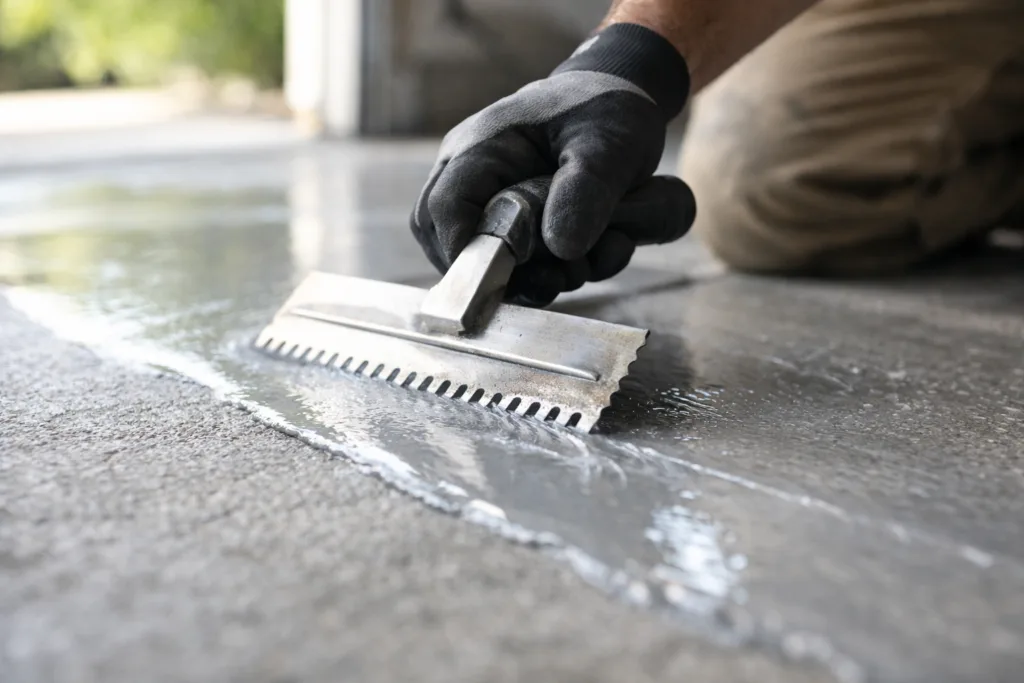
- Application: Pour and spread quickly. Use roller, notched trowel, or squeegee. Work fast—pot life often 15–30 minutes.
- Broadcast Chips: (Optional) Sprinkle color flakes or traction media before cure.
- Topcoat: Apply clear sealer for extra hardness and shine.
- Cure: Allow 1–2 hours at 20°C for walk-on access. Wait 12–24 hours before heavy loads.
Monitor air temperature and humidity for best finish. Always follow the SDS and data sheet guidance from your supplier, like ZDSpoxy, for maximum safety and quality.
Environments Where Polyaspartic Shines
Fast-Turnaround Projects
Polyaspartic is unrivaled for jobs needing same-day service. Car dealerships, showrooms, and maintenance facilities often choose it for rapid return to use.
High-Wear or Chemical Areas
Where forklifts, carts, and heavy foot traffic are constant, polyaspartic delivers reliable abrasion resistance and easy cleaning.
Outdoor and UV-Exposed Areas
Polyaspartic stays crystal-clear and won’t fade. Parking decks, play areas, and exposed steps benefit most.
When Polyaspartic May Not Be Suitable
Flexible Substrates and Shifting Surfaces
Polyaspartic is not suited for wood or vinyl floors that move or flex. It can crack if the base shifts. Urethane or MS hybrid coatings offer better flexibility for these cases.
Damp or Humid Conditions
High humidity or wet substrates can lead to poor cure. Choose moisture-tolerant epoxies for freshly poured concrete or cold storage rooms.
Budget-Driven, Low-Wear Areas
If cost is your top concern and the area sees little traffic, basic acrylic or epoxy may be more cost-effective.
Compliance and Regulatory Considerations
Leading polyaspartic systems, such as those from ZDSpoxy, comply with REACH and RoHS standards. They are low-VOC, safe for most indoor installations, and accompanied by full Safety Data Sheets (SDS) and ISO 9001 documentation. Always check your local regulations before selecting a system, especially in schools, food plants, or healthcare settings.
Making Your Selection: Practical Tips

Consult Your Installer or Manufacturer
Discuss your site’s traffic level, intended use, surface type, downtime limits, and budget. Suppliers like ZDSpoxy can guide you to the best system, including custom blends for demanding projects.
Request Sample Test Areas
Try a small section to see how the coating performs. This avoids surprise failures and lets you judge finish quality before committing.
Plan for Long-Term Care
Choose a coating that fits your maintenance routine. Polyaspartic resists staining and needs occasional washing, but heavy impacts may require patching. Follow recommended cleaning products for best results.
Frequently Asked Questions
What is polyaspartic coating made of?
Polyaspartic coating is a two-part system based on polyurea chemistry. Mixing Part A and Part B creates a tough, protective layer for floors and surfaces.
How long does polyaspartic coating take to cure?
Most polyaspartic coatings cure within 2 hours at room temperature, allowing for rapid return to service compared to other coatings.
Can polyaspartic coating be used outdoors?
Yes, polyaspartic coatings are highly UV resistant and weatherproof, making them ideal for outdoors, exposed decks, and parking areas.
Will polyaspartic coating work on wood or flexible floors?
No, polyaspartic coatings are best for rigid surfaces like concrete or metal. Flexible substrates may cause cracking or peeling over time.
Is polyaspartic coating safe for food areas or schools?
Most quality polyaspartic coatings are low-VOC and comply with REACH and RoHS, making them safe for food areas and schools when properly installed.
How does polyaspartic compare to epoxy?
Polyaspartic cures faster, resists UV yellowing, and offers higher abrasion resistance than typical epoxy. Epoxy may be better in moist or budget-sensitive spaces.