
Understanding the Polyaspartic System
A polyaspartic system is a cutting-edge protective coating method prized for its rapid cure times and robust performance. Commonly applied to floors, infrastructure, and industrial assets, this system is engineered with three distinct layers: base, body, and top coats. Each layer has a unique role, forming a reliable, high-performance protection sequence.
Polyaspartic coatings are part of the aliphatic polyurea chemistry family, offering fast curing at room or low temperatures, outstanding UV resistance, and exceptional toughness. These systems are increasingly chosen for high-demand industries like automotive, electronics, and construction, thanks to their efficient installation and versatile performance characteristics.
Layered Logic: How a Polyaspartic System Works
The effectiveness of a polyaspartic system revolves around its layered structure. Each coat—base, body, and top—brings specific functions to the overall system. Combining these layers creates a protective shell that stands up to abrasion, impact, chemicals, and weather, while also allowing for rapid return to service.
The Role of Each Layer
- Base Coat: Locks onto the substrate, seals pores, and acts as an adhesion promoter.
- Body Coat: Builds thickness, adds toughness, and can embed color or broadcast media (like quartz or flakes).
- Top Coat: Provides a durable, glossy, UV-stable finish and extra chemical resistance.
This design ensures surfaces get optimum adhesion, mechanical strength, and long-term clarity or color retention.
Polyaspartic System: A Detailed Breakdown
The polyaspartic system stands out for its system logic—each layer is precisely formulated and applied to optimize both performance and durability. Below, a detailed breakdown shows the chemistries, application processes, and functional benefits across the different coats.
| Layer | Chemistry | Key Properties | Best Uses |
|---|---|---|---|
| Base Coat | Epoxy or fast-cure polyaspartic | Wet out & seal substrate, strong adhesion, moisture tolerance | Concrete sealing, metal/stone priming |
| Body Coat | High-build polyaspartic, sometimes filled | Thickness, impact resistance, color/media integration | Decorative floors, industrial wear layers |
| Top Coat | UV-stable aliphatic polyaspartic | Scratch/chemical resistance, gloss/clarity, color stability | Commercial, retail, outdoor surfaces |
Base Coat: Foundation and Adhesion
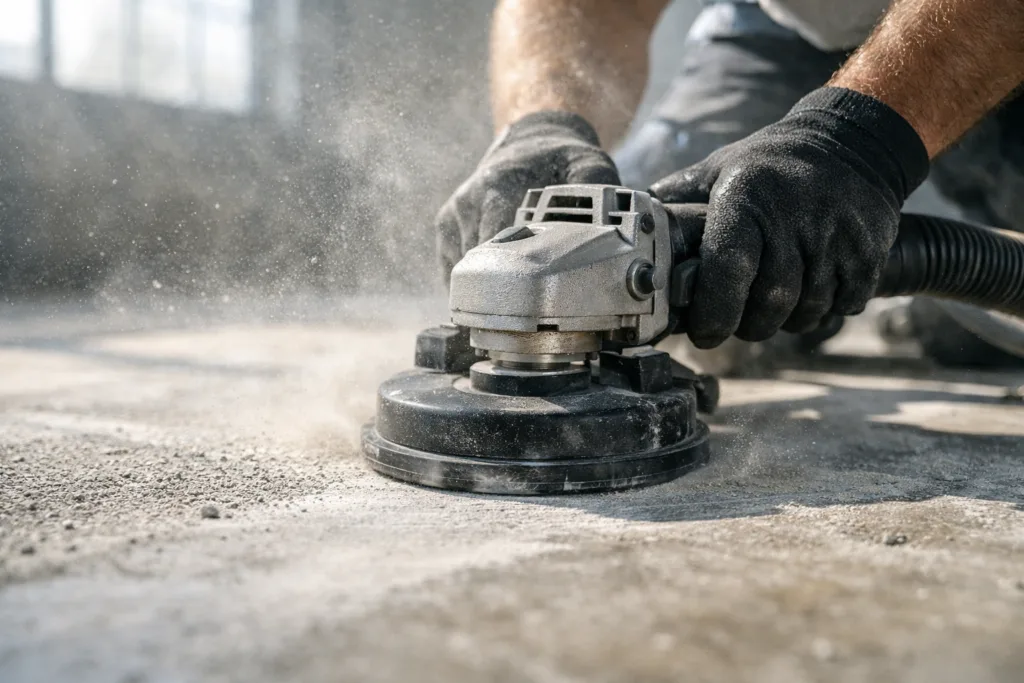
The first step in a polyaspartic system is effective substrate preparation. For concrete floors, abrasive grinding and vacuuming remove contaminants. For metals or engineered plastics, degreasing and sometimes grit-blasting or primer use is important. The base coat—often a low-viscosity epoxy or moisture-tolerant polyaspartic—penetrates the surface to create a powerful anchor for subsequent layers. Typical viscosity is 300–1000 cP, ensuring good wetting.
Body Coat: The Strength Layer
This middle layer delivers system toughness and handles most mechanical stress. Polyaspartic body coats can be applied at 12–30 mils (0.3–0.75 mm) and often incorporate colored pigments or broadcast aggregates. Unlike traditional 2K epoxies, polyaspartics cure quickly (tack-free in 1–2 hours) and support rapid installation. For industrial assembly, advanced options like ZDSpoxy polyaspartic systems provide optimal blend of elongation, hardness (Shore D 70–85), and abrasion resistance.
Top Coat: Protection and Finish
The top coat is the system’s defense against environment and use. Aliphatic polyaspartic chemistry offers high UV and chemical stability. Gloss remains clear and colors resist yellowing even after years of sun exposure. Cured films resist common chemicals, cleaning agents, and physical wear. Advanced testing—such as ASTM D4060 abrasion and ASTM G154 UV resistance—validates long-term durability.
Polyaspartic System
Polyaspartic systems outperform many traditional alternatives. Installers gain rapid return-to-service, with full mechanical cure achievable in less than 24 hours. Open time (workable period) ranges from 15–40 minutes, supporting seamless large-area application. Thanks to their low-VOC profiles and broad compliance (including REACH and RoHS), polyaspartics are a responsible choice for demanding sites.
- Slip-resistant finishes easily tailored with media
- Compatible with concrete, composites, metals, and engineered plastics
- Thermal cycling and salt spray resistance proven by ASTM B117
- Available in both pigmented and clear systems
Expert Takeaway: System logic—layering base, body, and top coats—unlocks the best performance from any polyaspartic floor or protective application.
Choosing the Right Polyaspartic System
Project requirements vary, so matching system design to end use is critical. For heavy-traffic areas, choose higher film builds and media for grip. Outdoor installations demand UV-stable topcoats. Chemical processing or food zones often benefit from extra top coat thickness. ZDSpoxy offers a full line of tailored system solutions—consult them for application-specific formulation advice and site support.
Application Methods
- Prepare substrate with mechanical or chemical means as needed.
- Mix components at specified ratios; use static mixers for 2K systems.
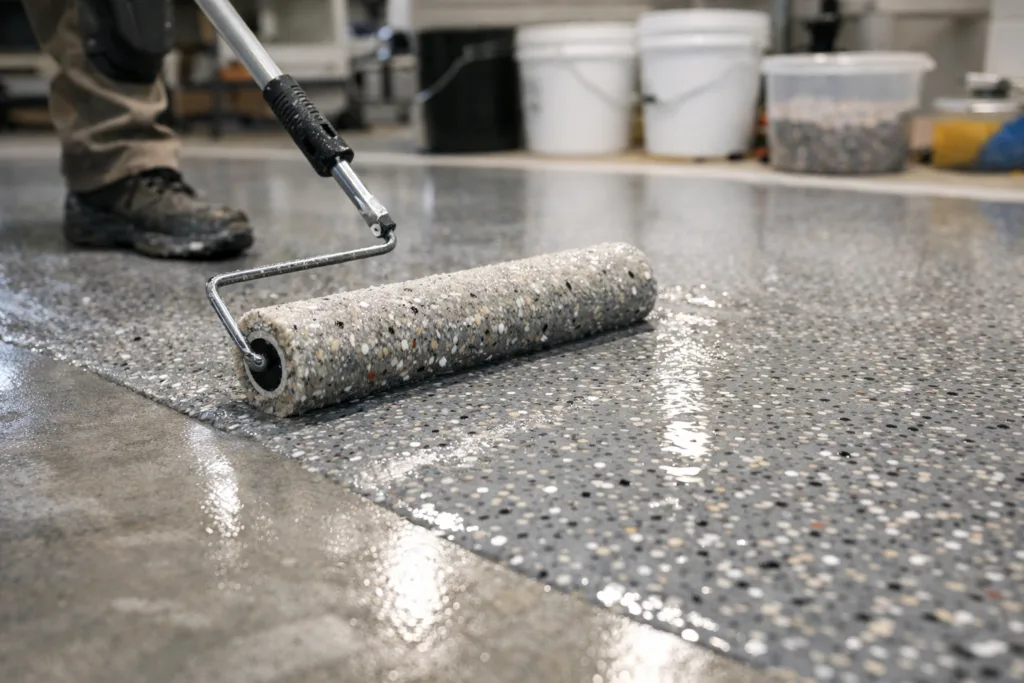
- Apply base coat by roller or trowel; allow it to cure as instructed.
- Spread body coat at proper thickness, embedding aggregates if needed.
- Finish with top coat using roller, spray, or squeegee for even, defect-free films.
- Cure under controlled temperature and humidity as specified in technical data.
Key Metrics and Quality Control
For reliable performance, monitor and document key figures at every stage:
- Mix ratio accuracy within 2%
- Pot life and open time tracked for each batch
- Film thickness measured—base (5–10 mil), body (12–30 mil), top (5–15 mil)
- Adhesion tests (ASTM D4541, pull-off) after cure
- Hardness (Shore D), gloss, and cure state before final release
Substrate Compatibility and Preparation
Success begins with substrate prep. For concrete, surface profile CSP 2–3 (as per ICRI) is optimal. For metal, degrease and apply a zinc-rich epoxy primer if corrosion resistance is critical. Engineered plastics like ABS and PC may need corona or plasma treatment to maximize adhesion. Testing on material coupons is essential, especially when moisture or chemical exposure is expected.
Performance Benchmarking
Polyaspartic systems are regularly tested to industry benchmarks:
- Lap-shear strength: 9–13 MPa (ASTM D1002) on prepared steel
- Abrasion resistance: loss < 60 mg/1000 cycles (Taber test)
- Tensile elongation: 30–60% depending on formulation
- UV stability: ΔE < 2 over 1000 hours (ASTM G154)
- Water and salt spray resistance: >1500 hours (ASTM B117, D870)
Advanced Formulations and Trends
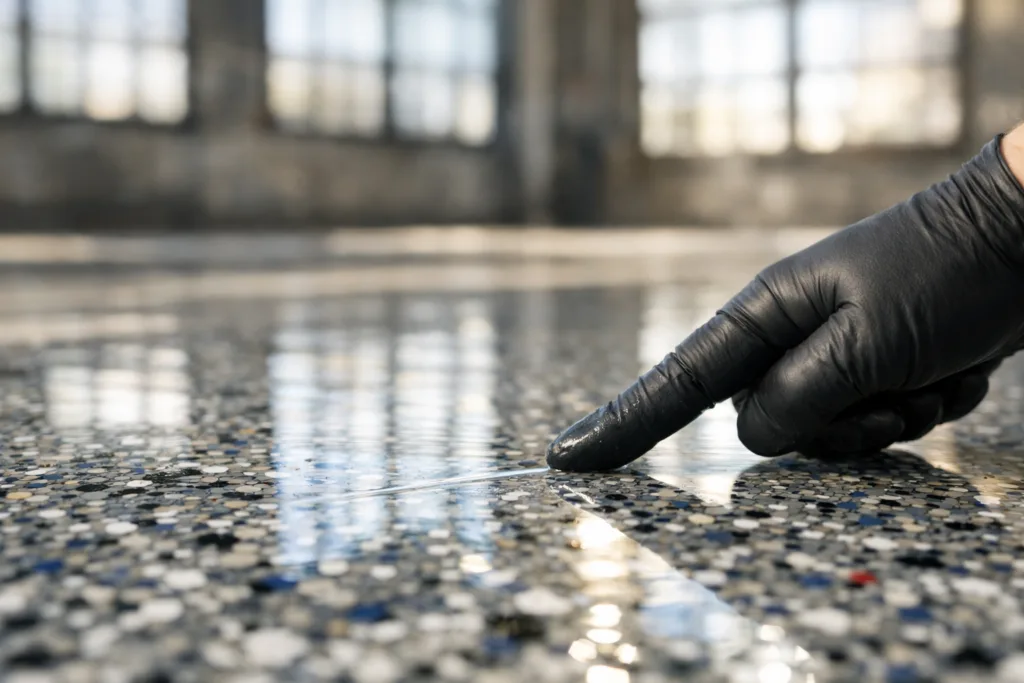
As industry demands toughen, polyaspartic technology continues to evolve. Next-generation systems reduce VOCs to near-zero and enhance chemical tolerances. Hybrid systems blend polyaspartics with epoxy, polyurethane, or acrylics for targeted performance. Tape and film-backed solutions support prefab assembly or site repairs with even faster finishing speeds.
Sustainability is gaining ground too—REACH and RoHS compliance come standard, and new systems offer higher bio-content. ZDSpoxy integrates advanced QC, batch traceability, and comprehensive technical documentation to guide specifiers and applicators through complex jobs.
Frequently Asked Questions
What makes a polyaspartic system ideal for floors?
Polyaspartic systems offer rapid cure times, seamless finishes, high abrasion resistance, and lasting clarity, making them a top choice for both commercial and industrial floors.
How long does a polyaspartic system take to fully cure?
Most polyaspartic floors become tack-free in 1–2 hours and achieve full mechanical cure in 12–24 hours, far faster than standard epoxies.
Can polyaspartic coatings handle UV exposure outdoors?
Yes, polyaspartic topcoats have excellent UV stability, keeping colors bright and finishes glossy even after years of outdoor use.
Do polyaspartic systems work on more than concrete?
They bond well to metals, stone, engineered plastic, and even some composite surfaces, with appropriate primers and prep methods.
How is slip resistance added to a polyaspartic system?
Slip resistance is customized by broadcasting media such as quartz or aluminum oxide into the body coat, then sealing with the top coat.
What compliance or safety standards do polyaspartic systems meet?
Modern polyaspartic systems are low-VOC, meet REACH/RoHS, and come with full SDS and ISO 9001 documentation for safety and traceability.