
Understanding Polyaspartic Coating vs Traditional Floor Coatings
Choosing the right floor finish matters for durability, appearance, and long-term value. Polyaspartic coatings, a newer option in floor protection, often compete with traditional types like epoxy and polyurethane. With increasing demand for floors that handle heavy traffic, spills, impacts, and weather, it’s smart to know how these finishes stack up.
Overview of Traditional Floor Coatings
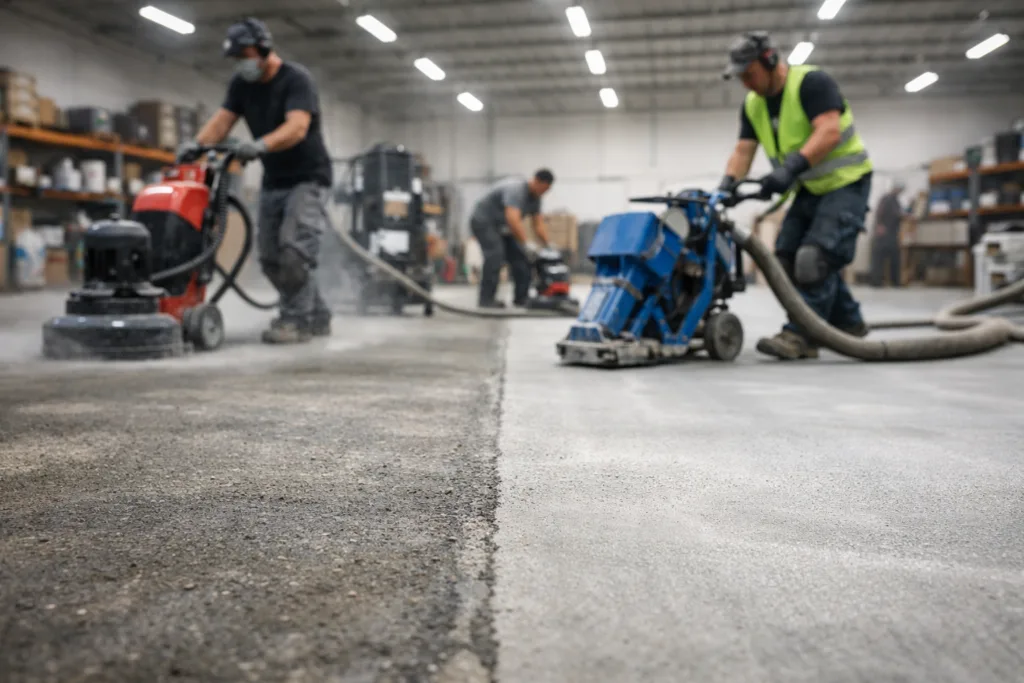
Conventional floor coatings usually fall into three groups: epoxy, polyurethane, and acrylic. Each type serves different needs, from heavy industry to commercial shops and home garages. Epoxy offers strong adhesion and chemical resistance, polyurethane gives flexibility and UV stability, while acrylic works for quick, low-cost jobs but wears out faster. Most of these require multiple steps and longer dry times, especially if layering for extra thickness.
Epoxy Coatings
Epoxy uses a two-part mixing system, blending resin and hardener. Once cured, it makes a tough, rigid surface, ideal for factories, warehouses, and parking decks. It stands up to oil, solvents, and many acids. Typical cure time: 8–24 hours, sometimes longer in cool conditions. Proper prep involves grinding the concrete and removing any grease. Epoxy can yellow under UV light unless top-coated with polyurethane. ZDSpoxy provides industrial-grade epoxy systems for specialty needs.
Polyurethane Coatings
Polyurethane cures faster than epoxy and remains more flexible. It’s often used in areas needing gloss, abrasion resistance, and color retention—like showrooms or retail spaces. It also adds chemical resistance. Most two-part polyurethane coatings handle mild foot traffic within 4–8 hours. Surface prep is similar to epoxy.
Acrylic Floor Coatings
Acrylic dries quickly and suits temporary surfaces or tight budgets. It’s easy to apply but wears out sooner. Acrylics usually last 1–4 years, requiring frequent recoats compared to epoxy and polyurethane.
What Is a Polyaspartic Coating?
Polyaspartic is an advanced form of aliphatic polyurea. It stands out for its rapid cure, high clarity, and excellent resistance. Unlike most traditional coatings, it dries in under an hour, even in low temperatures. Installers can layer the floors and return to service in a single day. The finish is flexible, glossy, and highly resistant to stains, impacts, and UV light.
- Cure time: 30–60 minutes per coat.
- Hardness range: Shore D 40–80, depending on formulation.
- Excellent bond to concrete, even with light moisture.
- Low to moderate odor; most contain fewer volatile organic compounds (VOCs).
- Maintains clarity and bright color much longer under sunlight.
Key Differences: Polyaspartic vs Traditional Floor Coatings
Direct comparison helps clarify which finish suits your needs. Performance varies by chemistry, application speed, durability, and cost.
| Chemistry | Cure Time | Hardness (Shore) | UV/Color Stability | Best Substrates | Best Uses |
|---|---|---|---|---|---|
| Epoxy | 8–24 hrs | D 60–90 | Low | Concrete, metal | Industrial, garages |
| Polyurethane | 4–8 hrs | D 60–80 | Medium | Concrete, wood | Retail, showrooms |
| Acrylic | 1–2 hrs | A/D 40–65 | Medium | Concrete (interior) | Short-term use |
| Polyaspartic | 0.5–1 hr | D 40–80 | High | Concrete, stone | Garages, outdoors |
Installation Speed
Polyaspartic coatings cure faster than any traditional option, delivering a full floor system in just hours. This is critical for busy garages, hospitals, or shops needing fast turnarounds. Epoxy coatings need multiple steps and extended downtime.
Durability & Wear Resistance
Polyaspartic coatings resist scratching, hot tire marks, and impact better than most epoxies. Polyurethane offers similar abrasion resistance but may wear faster under heavy machinery. Epoxy remains the standard for chemical and solvent resistance.
UV & Weather Resistance
Exposure to sunlight often degrades traditional epoxies, causing yellowing or loss of gloss and adhesion. Only polyurethane and polyaspartic maintain color and gloss outdoors. Polyaspartic is especially stable, preventing fading and peeling for years.
Easy Cleaning & Maintenance
All these coatings create seamless surfaces that resist stains, dust, and oil. Polyaspartic’s high-gloss finish sheds dirt and liquids easily, reducing cleaning time. Epoxy is nonporous but can show wear or yellowing in busy areas. Polyurethane and acrylic are both easy to clean while retaining their look.
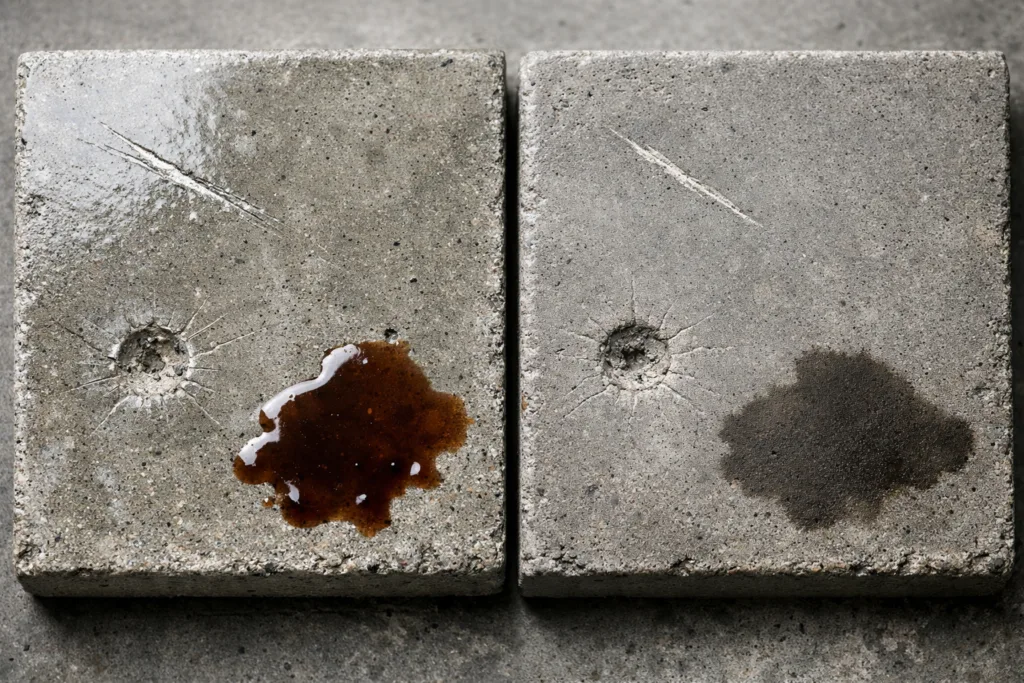
Expert Takeaway: If speed, UV stability, or low downtime matter, polyaspartic is best. For high chemical exposure, use epoxy. Polyurethane is superb for colorful, flexible floors with moderate traffic.
Application Scenarios for Polyaspartic Coating
Polyaspartic suits commercial, residential, and industrial spaces needing rapid installation, long-lasting color, and extreme durability. It outshines epoxies and acrylics in outdoor and high-traffic settings. ZDSpoxy polyaspartic systems allow busy facilities to resume operations within one day.
- Auto shops and parking garages, where downtime hurts business
- Retail floors exposed to daylight or heavy use
- Warehouse and factory logistics zones
- Outdoor decks, patios, and pool surrounds
- Cleanrooms and healthcare settings needing fast, seamless repairs
- Residential garages and basements prone to salt or tire stains
Substrate Prep & Process Notes
Polyaspartic installs like epoxy: grind or shot-blast concrete, degrease, and sand smooth. Static mixers blend two components precisely. Avoid moisture and temperature extremes for best results. For large projects, use bead, roll-coat, or spray techniques. Surface temperature should be above 40°F (4°C).
Quality Control & Compliance
High-performance coatings must meet strict tests: salt spray resistance (ASTM B117), abrasion (ASTM D4060), and thermal cycling. ZDSpoxy provides full documentation, lot tracking, and support for REACH/RoHS/VOC compliance. Proper storage extends shelf life up to 12 months.
Polyaspartic Coating vs Traditional Floor Coatings
Across most metrics, polyaspartic coatings deliver unmatched speed, UV resistance, and toughness. Epoxy is tried-and-true for lasting bond and chemical safety, but polyaspartic shines where fast installation and lasting beauty matter. Polyurethane and acrylic fit specific needs around gloss, quick fixes, or softer finishes. For most garages, retail spaces, and exposed decks, polyaspartic saves time and protects your investment longer.
Buying and Specification Guidance
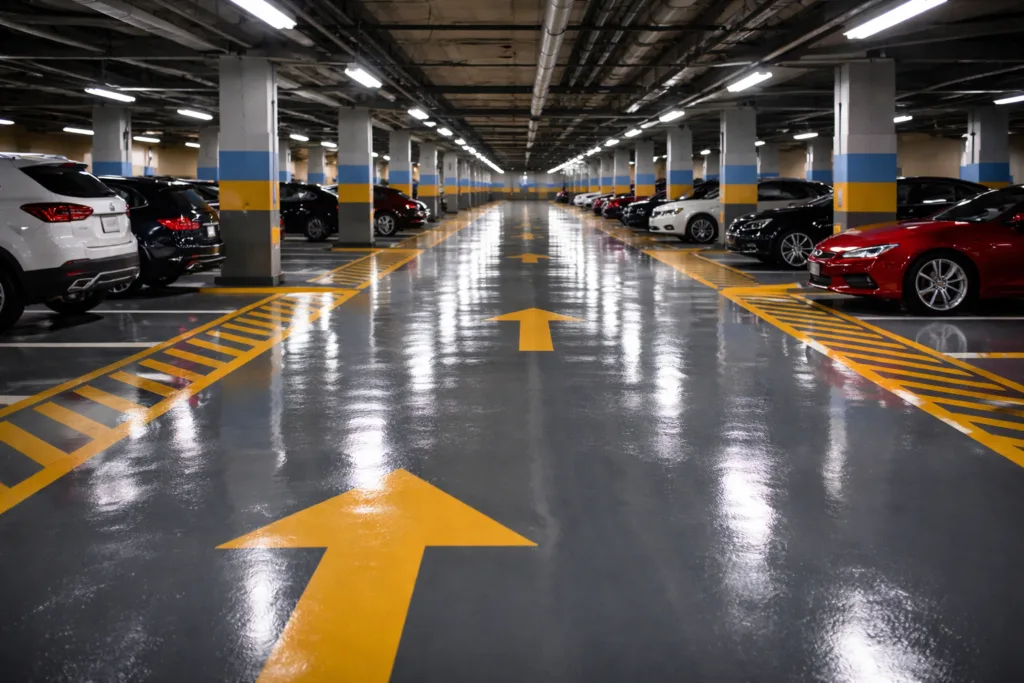
Before ordering, assess your substrate, traffic patterns, expected spills, and sunlight exposure. Request sample data: cure speed, hardness, chemical resistance, slip rating (ASTM D2047), and VOC level. ZDSpoxy offers tailored recommendations for concrete, stone, or specialty surfaces. Confirm installers’ experience with polyaspartic—proper mixing, dispensing, and curing make the difference.
Procurement Checklist
- Choose coating type based on use and environment
- Verify hardness, cure speed, and UV rating
- Confirm compliance—REACH, RoHS, VOC
- Get batch documentation and warranty
- Plan storage conditions and shelf life
- Review technician/process capabilities
Frequently Asked Questions
What makes polyaspartic coating unique?
Polyaspartic coating cures in under an hour, resists UV light, and offers tough protection against stains and impacts.
Can polyaspartic be installed in cold weather?
Yes, it cures well even in low temperatures, making it perfect for year-round projects.
Does polyaspartic resist chemicals like epoxy?
It resists most household and automotive chemicals but epoxy handles strong acids and solvents better in heavy industry.
Is polyaspartic more expensive than epoxy?
Polyaspartic often costs more per material but saves on labor and downtime due to fast cure.
How long does polyaspartic flooring last?
Expect 10–20 years of hard service, with regular cleaning and maintenance.
Can I apply polyaspartic myself?
Professional installers are recommended for best results, but skilled DIY users can succeed with care and correct prep.