
Understanding Polyaspartic vs Polyurethane Marine Coating Systems
Finding the right marine deck coating can be the difference between costly downtime and years of reliable service. Polyaspartic vs polyurethane marine coatings are both advanced systems offering protective, durable finishes for surfaces exposed to harsh sea environments. This guide provides a deep dive comparison of their fast cure capabilities, UV resistance, abrasion performance, volatile organic compound (VOC) content, and why these matter for marinas and marine service operators looking to optimize return-to-service windows.
What Is a Polyaspartic Coating?
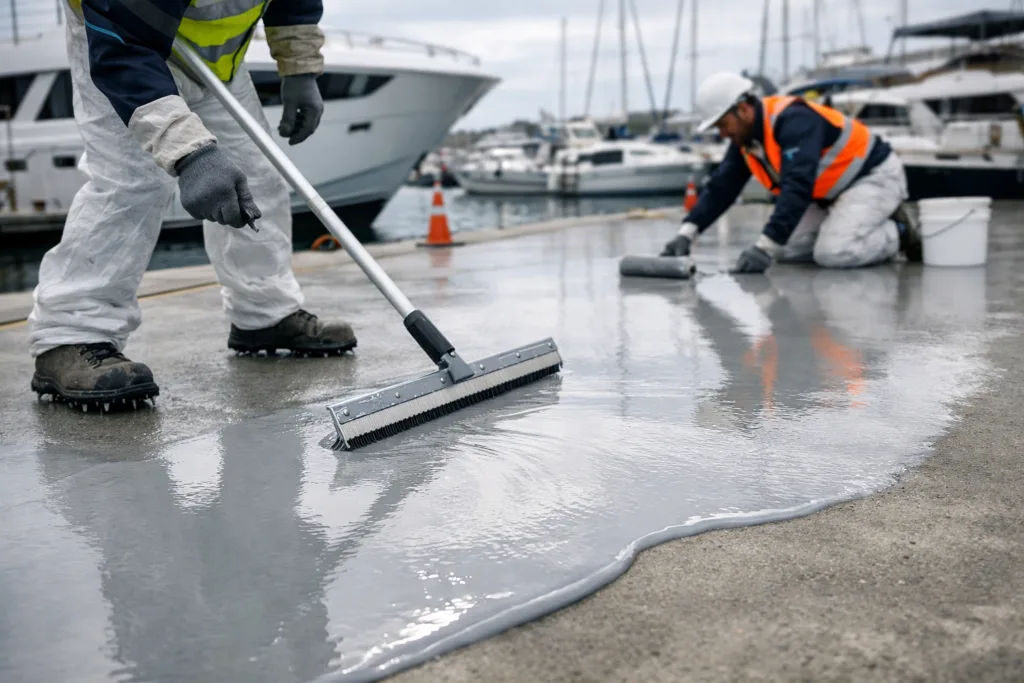
Polyaspartic is a modified aliphatic polyurea technology, developed for high-performance environments where rapid application and fast return to service are critical. Polyaspartics offer excellent chemical and mechanical properties, making them suitable for boat yards, piers, docks, marinas, and decks.
What Is a Polyurethane Marine Topcoat?
Polyurethane refers to a family of resin systems with high toughness and outdoor performance. Polyurethane topcoats—especially the aliphatic types—deliver chemical resistance, superior flexibility, and proven results in the marine sector for above-waterline protection, non-skid finishes, and deck coatings. These are distinct from basic urethane sealers and are engineered for industrial-scale exposure.
Polyaspartic vs Polyurethane Marine: Key Comparison Table
| Property | Polyaspartic | Polyurethane |
|---|---|---|
| Full Cure Time | 1–4 hours | 12–24 hours |
| UV Resistance | Very high, minimal yellowing | High, stable color |
| Abrasion Resistance | Excellent; high traffic, slip-resistant | Excellent; softer, elastic |
| VOC Content | Low to ultra-low (solvent-free available) | Moderate to low (depends on formula) |
| Recoat Time | As short as 1 hour | Up to 12 hours |
| Application Temperature | -20°C to 40°C | 5°C to 35°C |
| Service Environment | Marinas, piers, boat decks (fast service) | Walkways, decks (extreme flexibility) |
Fast Cure Coating: Why It Matters in Marine Environments
The commercial reality for marinas is that downtime means lost revenue. Boat servicing areas, piers, and docking stations must return to duty fast—often within a day. Polyaspartic coatings stand out by reaching walk-on hardness in as little as 1–2 hours, even at low temperatures. Polyurethane, though durable, requires longer cure intervals that can push completion to 24 hours or more. For urgent repairs or weather risk, this distinction drives material choice.
Application Window: Cold-Weather and Humid Site Considerations
Polyaspartics are formulated to tolerate a wide range of application conditions. They can be successfully installed in cold (as low as -20°C) or humid climates commonly found at marinas, with less blistering or haze compared to some polyurethane systems that prefer stable, mild temperatures for proper crosslinking. This means fewer project delays and predictable performance—vital when working against tides or unpredictable marine weather.
UV Stability: Will the Coating Stay Clear and Glossy?
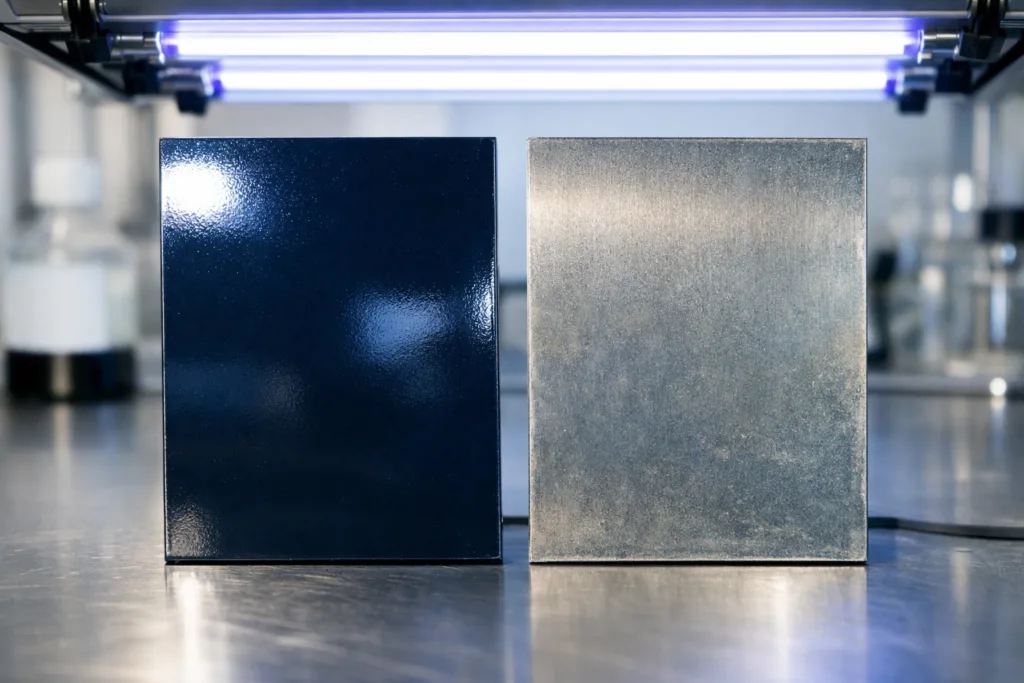
Harsh sunlight quickly yellows or fades many traditional resins. Both polyaspartic and aliphatic polyurethane technologies have strong UV stability, resisting chalking, fading, and loss of gloss. Polyaspartic is engineered to deliver even lower color change over time, making it a leader where aesthetics and brand image matter, for example, on passenger boarding ramps and leisure boating decks.
Abrasion Resistance and Slip Control
Marine decks are battered not only by weather and UV but by wheeled carts, anchor chains, and work boots. Polyaspartics are formulated for very high abrasion and scratch resistance (Taber, ASTM D4060) and can be tailored for slip resistance by adjustable aggregate loading. Polyurethane offers flexible, impact-resistant surfaces—less brittle, ideal for expansion joints but may be less hard-wearing under rolling equipment. Marinas needing extreme scratch resistance favor polyaspartic topcoats.
VOC Content and Regulatory Compliance
Regulations regarding marine coating emissions are tightening worldwide. Solvent-free polyaspartic systems achieve very low or zero VOC, aiding compliance and supporting health standards for workers. Polyurethane products vary, with waterborne options reducing VOCs but sometimes sacrificing some properties. For enclosed work or sensitive areas, ZDSpoxy and other industrial suppliers now offer eco-focused solutions, such as the ZDS-2060AB Solvent-Free, Low-Odor Primer, that complement marine decks and grouting.
Deck Coating Use Cases: Where Each Resin Excels
- Polyaspartic: Dock decks, passenger walkways, fast-turnaround repair jobs, outside boat storage surfaces, cargo transfer bays.
- Polyurethane: Expansion joints, floating docks (where movement is key), walkways with heavy vibration or flex.
Polyaspartic vs Polyurethane Marine: Notable Limitations
While polyaspartic systems deliver impressive cure speed and chemical resistance, they are often more sensitive to mix ratio and pot life control—a skillset that experienced applicators, like those trained on ZDSpoxy marine-grade systems, can manage with proven results. Polyurethanes may be easier for first-timers due to longer working times but require careful temperature and humidity control for reliable cure. Both can benefit from a compatible primer, especially on weathered concrete, wood, or metal substrates.
Surface Preparation and Application Realities
Surface moisture, temperature swings, and airborne salt can all impact coating adhesion. Manufacturers like ZDSpoxy emphasize the importance of clean, dry, and properly abraded substrates for all marine jobs. For instance, a site supervisor might opt for a rapid ZDS-1010AB Rapid Epoxy for structural crack filling before any topcoat is applied, preventing water ingress and future peeling. Proper surface prep always wins over relying on resin toughness alone.
Chemical and Seawater Resistance
Both polyaspartic and polyurethane systems, when specified for marine duty, handle salt spray, cleaning chemicals, and jet fuel drips better than most acrylic or basic alkyd paints. However, always review the technical data for immersion resistance—some polyaspartics excel above the waterline but are not optimized for full-time immersion.
Color Stability and Aesthetic Longevity
Decks exposed to sun, salty air, and boot traffic quickly show age. Both resins maintain color much longer than traditional epoxies, but polyaspartic typically outperforms in retaining gloss and clarity, especially necessary for branding, wayfinding, and highly visible passenger areas.
Repair and Recoat Scenarios
Because of their fast recoat windows, polyaspartic topcoats make after-hours repairs and maintenance simple: apply after the last sailing, walk-on before sunrise. Polyurethanes can sometimes require surface sanding or longer wait periods between coats, extending total job time.
Compatibility With Primers and Grouts
Both resins are compatible with leading marine epoxies and repair grouts. For example, properly prepared wood or concrete decks benefit from a compatible flexible joint system, such as using ZDS-1240 Epoxy Wood Gap Filler under the surface layer before final topcoating. Checking manufacturer data sheets ensures no product clashes or cure inhibitors are introduced.
Pot Life, Working Time, and Application Crew Size
Polyaspartics cure so quickly that application planning must account for batch size and environmental temperature—delays or improper mixing can cause wasted product. Polyurethanes offer a wider workability window, making them friendlier for amateur crews or jobs with complex masking. ZDSpoxy recommends short mixing cycles and spot-checking viscosity for best results on large deck pours.
Cost and Lifecycle Considerations
Material cost per square meter for polyaspartic is often higher up front, but reduced crew time and rapid jobsite return lower lifecycle job costs. Polyurethanes remain very cost-effective for less time-sensitive projects.
Coating System Build-Up and Layering
- Primer for anchoring (usually epoxy or compatible polyaspartic/urethane).
- Intermediate build: Thick film for impact.
- Topcoat: Polyaspartic or polyurethane for UV and abrasion.
Layer selection balances speed, performance, and real-world maintenance budgets.
Global Trends: Environmental and Worker Safety Demands
Marine and port projects worldwide increasingly demand low-VOC solutions for both indoor and outdoor use. Water-based and solvent-free options in both polyaspartic and polyurethane chemistries mean project managers and site safety officers do not have to choose between compliance and performance.
Polyaspartic vs Polyurethane Marine: Site Examples and Lessons Learned
- Rapid ferry dock resurfacing—polyaspartic chosen for 2-hour cure in high-traffic area
- Floating pontoon deck joints—polyurethane used for flexibility over expansion movement
- Salt warehouse floors—polyaspartic for abrasion/salt resistance and minimal odor profile
Real-World ZDSpoxy Insights (When to Select Which System)
On project sites, ZDSpoxy technicians have found polyaspartics shine for fast turn projects where unpredictable weather can eat up work windows—provided strict mixing and pot life controls are maintained. For flexible deck applications, polyurethanes take the edge but require more careful environmental conditioning. Both have evolved to offer extremely safe, low-odor, and high-wear solutions for the modern marina.
How to Specify the Right System for Marine Decks and Marinas
- Assess the primary stress: Chemical, UV, physical, or all three?
- Evaluate recoat and project deadlines
- Review substrate moisture, movement joints, and curing conditions
- Consult manufacturers for compatible primers and joint fillers
- Choose low-VOC or solvent-free wherever possible
ZDSpoxy’s technical guides and solvent-free product lines provide examples for specification in difficult marine jobs. For expanded discussion of epoxy and polyurethane compatibility, see the marine epoxy pillar guide here.
Summary Table: Polyaspartic vs Polyurethane Marine Coatings At a Glance
| Criteria | Polyaspartic | Polyurethane |
|---|---|---|
| Fast Cure Needed? | Best | Good |
| Slip/Impact Resistance? | High; modifiable | Very high flexibility |
| Low VOC Demand? | Available | Water-based available |
| Color Stability? | Outstanding | Excellent |
| Moisture/Temp Tolerance? | Wide | Moderate |
Conclusion: Making a Smart Marine Coating Choice
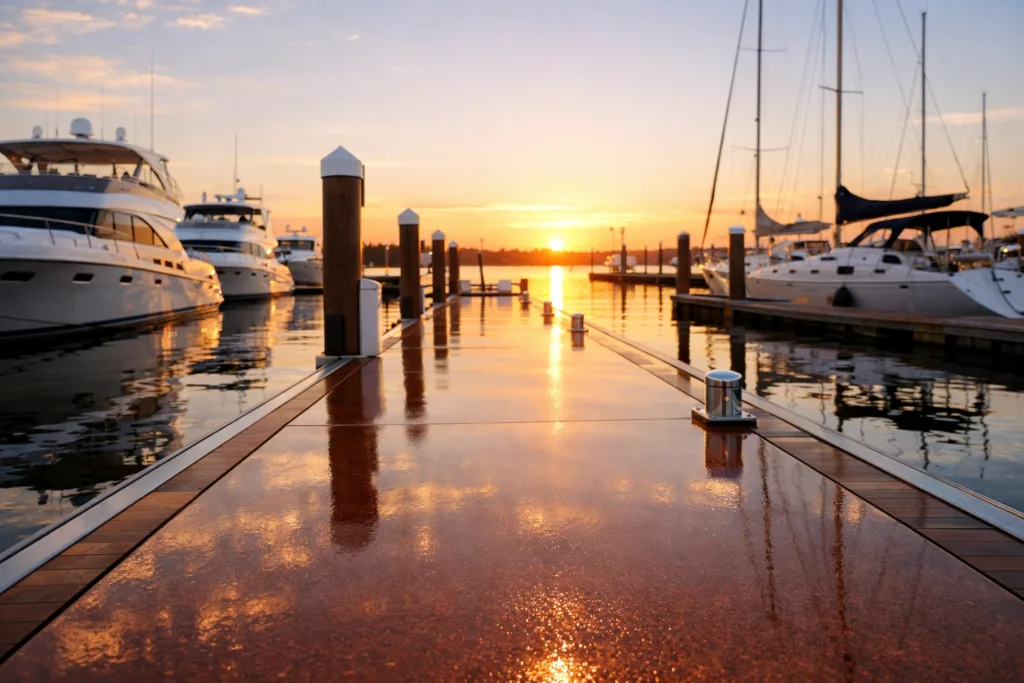
In marine deck and pier coatings, the choice between polyaspartic vs polyurethane marine comes down to balancing cure speed, environmental conditions, application skill level, and long-term maintenance budgets. Polyaspartics excel in rapid turnaround without performance trade-off; polyurethanes deliver in flexibility and established reliability. With evolving regulations on VOC and worker safety, both technologies play an important role for modern marinas. Both are even more robust when combined with advanced primers, repair putties, and gap fillers from expert suppliers.
Frequently Asked Questions
Can polyaspartic coatings really handle daily marine traffic?
Yes, properly formulated polyaspartic marine coatings withstand high daily foot traffic, rolling carts, and salt spray, offering excellent toughness and abrasion resistance.
How soon can a marina deck be reopened after polyaspartic application?
Walk-on time is typically 1–2 hours after final coat at most temperatures, minimizing downtime and lost revenue for marine operators.
Do both polyaspartic and polyurethane resist UV yellowing?
Both are engineered for color stability; polyaspartic generally experiences even less yellowing over years of outdoor exposure compared to standard aliphatic polyurethanes.
Which coating type works better in cold and damp marina environments?
Polyaspartic is preferred for its wide application window, tolerating colder and more humid conditions than most polyurethanes, reducing delay risks.
Are solvent-free (low VOC) versions available for both resin types?
Yes, there are solvent-free polyaspartic and waterborne/low-VOC polyurethane formulations suitable for environmentally sensitive and enclosed marine areas.
Can I use these topcoats with epoxy repair systems and primers?
With correct surface prep and manufacturer guidance, both will bond well over compatible epoxies, repair putties, and flexible fillers for a layered system.