
Understanding Polyaspartic Formulation
Polyaspartic formulations sit at the front line of advanced industrial coatings and adhesives. Known for their speedy cure, toughness, and chemical resistance, these systems bridge the gap between efficiency and high performance. The ability to precisely control reaction speed in polyaspartic formulations defines their success in fast-paced manufacturing and challenging field installations. This section unpacks the fundamentals of polyaspartic chemistry and the logic behind their structural design.
What Is a Polyaspartic?
A polyaspartic is a special type of aliphatic polyurea created by reacting an aspartic ester with an isocyanate. The resulting product delivers both rapid cure and excellent durability. As a two-component (2K) system, polyaspartics cure via the reaction of isocyanates with the amine groups on the aspartic ester. Curing can occur at room temperature or be accelerated with heat.
Where Are Polyaspartic Formulations Used?
- Industrial floor coatings
- Protective topcoats for infrastructure and automotive finishes
- Adhesives for composites, metals, and engineered plastics
- Rapid-cure waterproofing membranes
Key Benefits
- Fast return to service (cure times as short as 30 minutes)
- High chemical and abrasion resistance
- UV stability and color retention
- Low VOC, regulatory compliance
Formulation Logic: The Heart of Reaction Speed Control
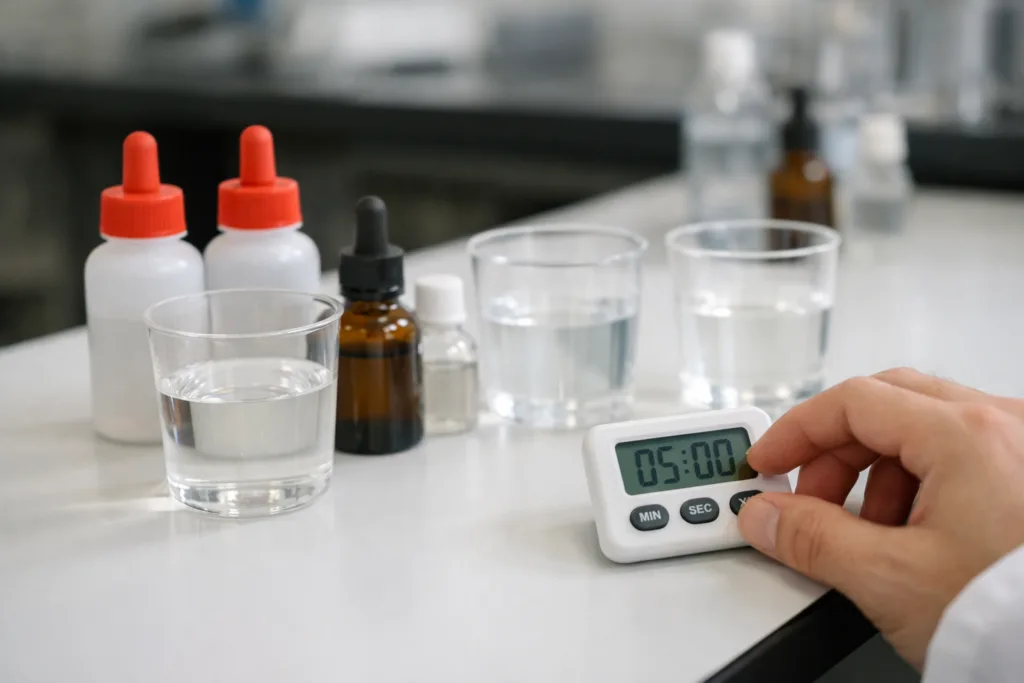
The core of reaction speed control in polyaspartic systems lies in formulation logic — how each raw material and processing condition influences the chemical kinetics. Manufacturers like ZDSpoxy develop custom blends by balancing reactivity, workability, open time, and final film properties.
Fundamental Chemistry
Polyaspartic reactions are exothermic, meaning they release heat quickly as the amine and isocyanate groups form urea linkages. Adjusting the ratio, type, and functionality of the aspartic ester and isocyanate components directly steers cure speed and handling time.
Key Variables in Reaction Speed Control
- NCO/OH Ratio (Isocyanate Index): Higher NCO (isocyanate) drives faster cure but reduces pot life. Lowering the ratio increases open time.
- Aspartic Ester Type: Linear esters offer slower cure and more flexibility; branched types yield faster reaction and higher hardness.
- Use of Catalysts and Inhibitors: Small amounts of tertiary amine catalysts or hindered phenols fine-tune the reaction window.
- Temperature: Ambient or elevated temperature curing can double or triple the reaction rate.
- Additives and Fillers: Tailored fillers absorb exotherm, modify rheology, and extend working time.
Process Controls
Production conditions matter. Automatic mixing and dispensing equipment offers precise ratio control and reduces the margin for error. In high-output lines, bead or slot-die application ensures uniform layer thickness and reproducible cure kinetics.
Comparative Performance Table
| Chemistry | Substrate Compatibility | Typical Pot Life (min) | Cure Speed (at 25°C) | Best Use |
|---|---|---|---|---|
| Polyaspartic | Concrete, metal, plastics | 15–60 | 60–120 min full cure | Floor coatings, fast-setting adhesives |
| Polyurethane (PU) | Metal, composites, wood | 30–90 | 6–24 h cure | Structural bonding, protective films |
| Epoxy | Metal, ceramics, stone | 20–120 | 4–24 h cure | Heavy-duty adhesives, electronic potting |
Reaction Speed Control in Polyaspartic Formulation
Controlling the reaction speed in a polyaspartic formulation is a blend of art and science. The balance ensures a workable open time (for application) without sacrificing rapid cure once deployed. Let’s break down the main strategies used by manufacturers like ZDSpoxy and industrial applicators to manage this fine equilibrium.
Resin Design Parameters
- Choose low-viscosity aspartic esters for longer application windows.
- Optimize isocyanate functionality: di-functional for flexibility, tri- or higher for rigidity and faster set.
- Blend high- and low-reactivity components to spread out the cure curve.
Catalysis and Inhibition
Catalysts such as tertiary amines, dibutyltin dilaurate, or custom organometallics may be used to trigger or delay the reaction. Inhibitors, like hindered phenols, slow down the chain reaction, offering bigger application windows. Finding the perfect dose for each catalyst or inhibitor is crucial— too much can cause runaway curing, too little leads to sticky films or tackiness.
Temperature & Environmental Adjustments
- Lower temperatures extend pot life and working time.
- High humidity can accelerate curing—especially with isocyanates sensitive to atmospheric moisture.
- For field applications, tenting or controlled-air conditions reduce environmental effects on reaction speed.
Additives and Fillers
Rheology modifiers, fumed silica, and specialty alumina absorb excess exotherm and spread the reaction. Flame retardants and pigments can also interact with cure kinetics; manufacturers must find synergy or risk issues like incomplete curing or pinholes.
Mixing and Dispensing Technology
Consistent mixing, often using static mixers or precision dispensers, prevents hot spots and rogue fast-curing zones. Automated lines provide tight ratio control, essential in short-pot-life systems to prevent faulty cures.
Real-World Insights from the Lab
Engineers at ZDSpoxy frequently conduct performance testing to guide formulation logic. Every new polyaspartic blend is validated through rigorous lab and field measurement:
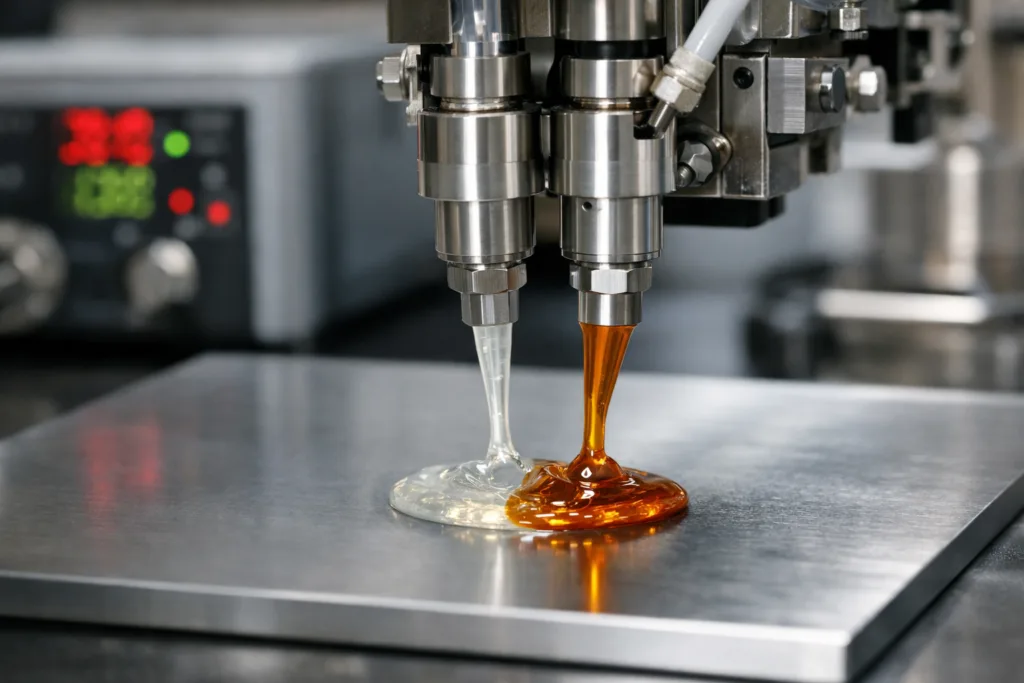
- Pot life (ASTM D2471): measured at working temperature for real job relevance
- T-gel and open time: clocked with time-lapse rheometers for precision
- Lapshear (ASTM D1002), hardness (Shore D), and chemical resistance assays confirm field durability
- Salt spray (ASTM B117) or QUV weathering ensures coatings survive harsh exposure
Takeaway: The tight tolerance of every component—resin, hardener, filler, and even mixing ratio—directly influences the reaction speed, final film properties, and service longevity of any polyaspartic formulation.
Substrates & Surface Preparation for Polyaspartic Formulation
Polyaspartic formulations bond to a variety of substrates— from concrete and steel to advanced composites. However, each substrate poses unique challenges. For concrete, degreasing and grinding open pores for deep resin penetration. Metals benefit from grit-blasting and primers to maximize adhesion. Plastics like ABS or polycarbonate may require plasma treatment or adhesion promoters. ZDSpoxy matches custom primers and application guidance to each end-use scenario, always factoring in substrate chemistry to prevent surface reactions from interfering with cure kinetics.
Key Surface Prep Steps
- Thorough solvent degrease removes oil and dust.
- Mechanical abrasion (sanding, grinding, or grit-blasting) for optimal profile.
- Apply primers (if needed) to increase surface energy.
Troubleshooting and QC: Reaction Speed Challenges
Challenges arise when actual cure diverges from design intent. Hot weather or batch variation may speed up or slow down polyaspartic reactions unexpectedly. QC labs use DSC (Differential Scanning Calorimetry), viscosity measurement, and real-time spectroscopic monitoring to ensure every batch performs as intended. Common signs for troubleshooting:
- Gel too fast: check catalyst load and ambient temperature
- Film remains tacky: inspect isocyanate/reactant quality and mixing thoroughness
- Yellowing or blushing: consider environmental moisture/humidity during cure
- Cratering or pinholes: examine for filler incompatibility or excessive heat release
Polyaspartic Formulation in Innovation and Sustainability
Modern polyaspartic formulation leverages sustainable practices. Manufacturers reduce VOC (volatile organic compound) emissions and improve safety by selecting low-toxicity reactants and using advanced fillers to reduce overall binder need. Rapid cure speeds make these systems popular for high-turnover projects and green building certifications, including compliance with REACH and RoHS directives for environmental and worker safety. Suppliers who formulate with traceability and provide full documentation—like ZDSpoxy—help specifiers meet sustainability goals without sacrificing performance or safety.
Expert Guidance for Polyaspartic Formulation Projects
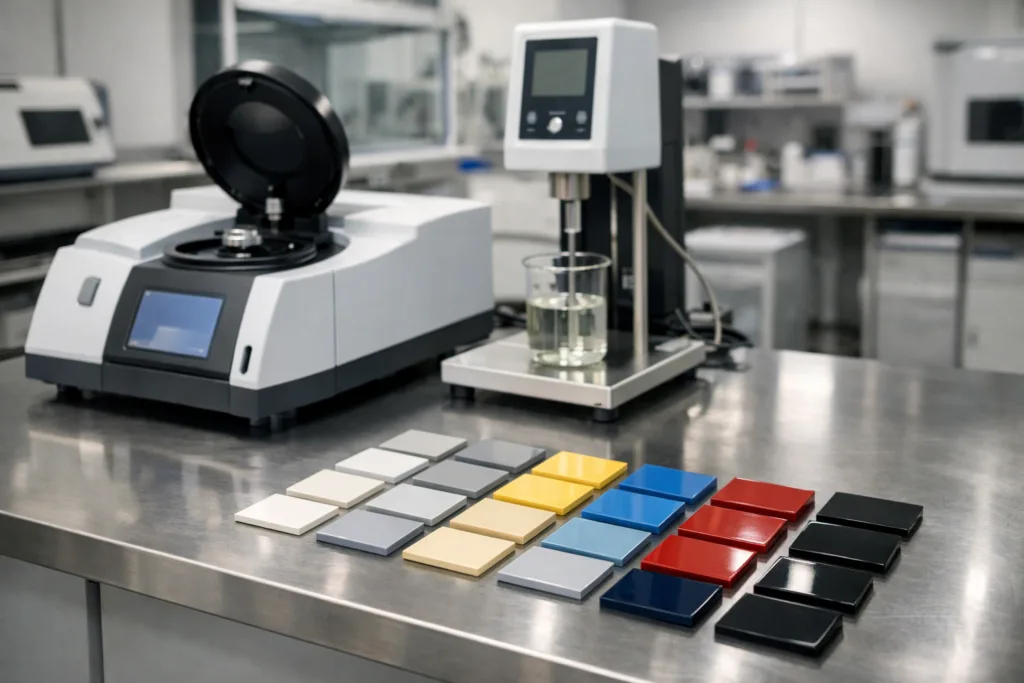
Every application brings unique challenges, from large-scale concrete flooring to intricate composite bonding. Smart reaction speed control starts with precise formulation tuning, robust QC, and rigorous field testing. Partnering with a trusted supplier such as ZDSpoxy ensures access to custom chemistries, technical documentation, and hands-on tech support. When reaction speed must be perfectly dialed, experience and specialist insight pay real dividends.
Frequently Asked Questions
What is the typical working time for a polyaspartic formulation?
Most polyaspartic formulations offer 15 to 60 minutes of pot life at room temperature. Exact working time depends on blend, temperature, and catalyst use.
How can you slow down reaction speed in polyaspartic coatings?
Adjusting the NCO/OH ratio, using low-reactivity aspartic esters, adding inhibitors, and lowering application temperatures can effectively slow down reaction speed.
Why is surface preparation important for polyaspartic adhesives?
Proper surface prep ensures maximum adhesion and prevents surface reaction issues that can speed up or stall cure, affecting film properties and durability.
Can polyaspartic systems bond to plastics without primers?
Some engineered plastics like ABS or polycarbonate need surface activation or special primers. Direct bonding is possible with the right polyaspartic blend and prep.
What QC tests verify reaction speed control?
Common tests include pot life measurement (ASTM D2471), DSC thermal analysis, viscosity checks, and field cure observation under controlled conditions.
Are polyaspartic formulations eco-friendly?
Polyaspartic systems are often low in VOCs and can comply with REACH, RoHS, and green building standards, making them suitable for eco-conscious projects.