
What Is Resin Flooring?
Resin flooring is a collective term that covers a wide range of durable synthetic flooring systems. These floors are formed by mixing liquid resins with hardeners and then applying the mixture over concrete or other substrates. Once cured, you get a smooth, seamless layer that blends strength, chemical resistance, and hygiene.
Common resin flooring systems include epoxy, polyurethane (PU), and methyl methacrylate (MMA) coatings. Each system comes with its own combination of strengths and weaknesses but all fall under the “resin flooring” umbrella. The versatility and performance of these solutions make them popular across many industries—from warehouses to hospitals and food processing plants.
But why is “resin flooring” considered a higher-level concept? It’s because all these flooring options share the common trait of being constructed from thermosetting polymers. While epoxy is a specific resin type, resin flooring means any industrial floor formed from a synthetic resin system, including epoxy, polyurethane, and MMA. For specific solution types, such as Flooring Resin Systems, exploring specialized applications ensures the right performance properties for the environment.
What Is Epoxy Flooring?
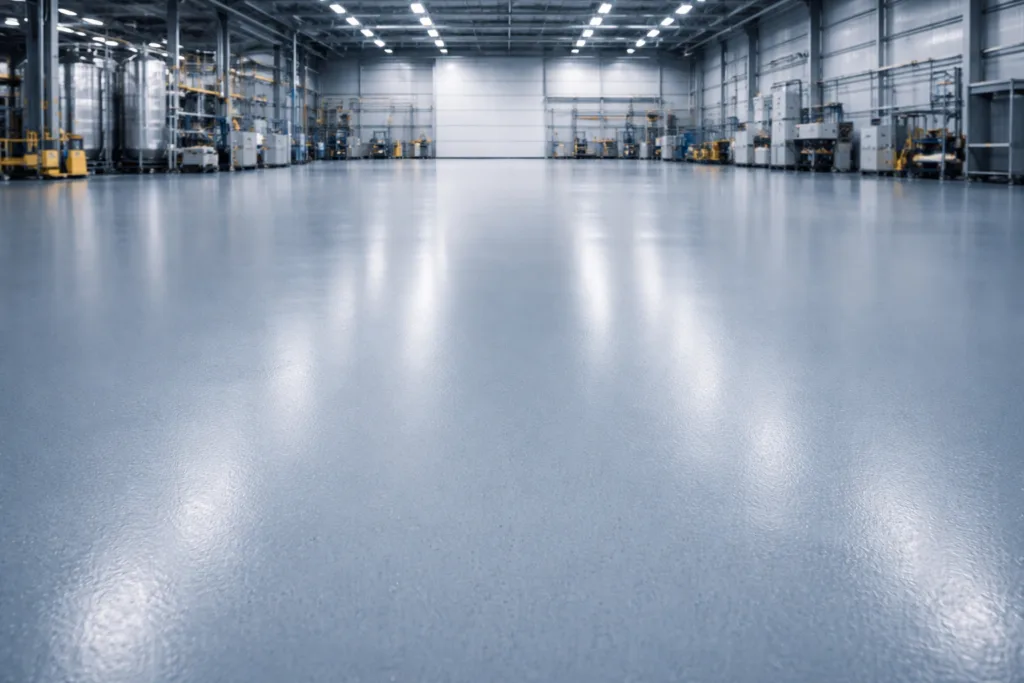
Epoxy flooring refers to a specific family of resin floor systems based on epoxy resins. The system is typically composed of two main chemicals: an epoxy resin and a hardener (also called a curing agent). When mixed together, a chemical reaction forms a rigid, durable, and highly adhesive coating or self-leveling surface.
Epoxy floors excel in environments that demand chemical resistance, easy cleaning, and heavy mechanical loads. You’ll find them in warehouses, showrooms, factories, garages, and even in healthcare or laboratory settings, thanks to their non-porous surface. As a subgroup of resin flooring, epoxy is known for its strong bond to prepared concrete and other surfaces, offering a long lifecycle and high gloss.
Industrially, epoxy flooring is often chosen as the backbone for solutions that combine durability and cost-effectiveness. ZDSpoxy has observed that precise mixing ratios and careful substrate preparation are essential for the best results. Common products include ZDS-1012ab epoxy primer, used to promote adhesion before the main epoxy coat is applied.
Resin Flooring vs Epoxy Flooring: Are They the Same?
These terms are interchangeable in some markets, but technically, they’re not identical. Resin flooring describes any flooring system using a polymer resin, whereas epoxy flooring is one specific type made only from an epoxy resin system.
The confusion often arises because many entry-level or mid-range industrial floors use epoxy systems, so people think of “resin” and “epoxy” as synonyms. In contrast, professionals differentiate between resin types—epoxy, polyurethane, MMA—since each system performs differently under heat, chemicals, and traffic wear.
This distinction matters: choosing an epoxy floor when a PU or MMA system is required can lead to premature failure or unsuitable performance. Always consider the demands of the project, not just terminology.
Key Differences Between Resin Flooring and Epoxy Flooring
Material Systems
Epoxy flooring is just one branch of resin flooring. Others include polyurethane, MMA, and hybrid systems. Each type has a different chemical structure and set of performance strengths.
Hardness and Flexibility
Epoxy floors are known for their hard, strong finish, ideal for high load but prone to minor cracking under heavy movement. Polyurethane resin floors offer enhanced flexibility, making them better for environments with temperature swings or impacts. MMA systems cure quickly and maintain flexibility even at very low temperatures.
Chemical Resistance
Chemical resistance varies. Epoxy performs well against oils, solvents, and mild acids but may yellow or degrade with strong acids or UV exposure. Polyurethane floors offer higher acid, alkali, and solvent resistance. MMA excels in environments needing resistance to organic and inorganic chemicals.
Thermal Shock Resistance
Polyurethane resin floors generally absorb thermal shocks much better than epoxy. For applications with high-temperature cleaning or frequent temperature changes, PU and MMA are preferred.
Cure Time
Epoxy floors can take several days to fully cure, impacting downtime. MMA systems can fully cure in under two hours, allowing for rapid-turnaround projects. Polyurethane sits in the middle, usually curing overnight.
Moisture Sensitivity
Epoxy is more sensitive to moisture in the substrate—uncured vapor can lead to blisters or failed bonding. Polyurethane and MMA floors better handle residual moisture, making them suited for damp environments.
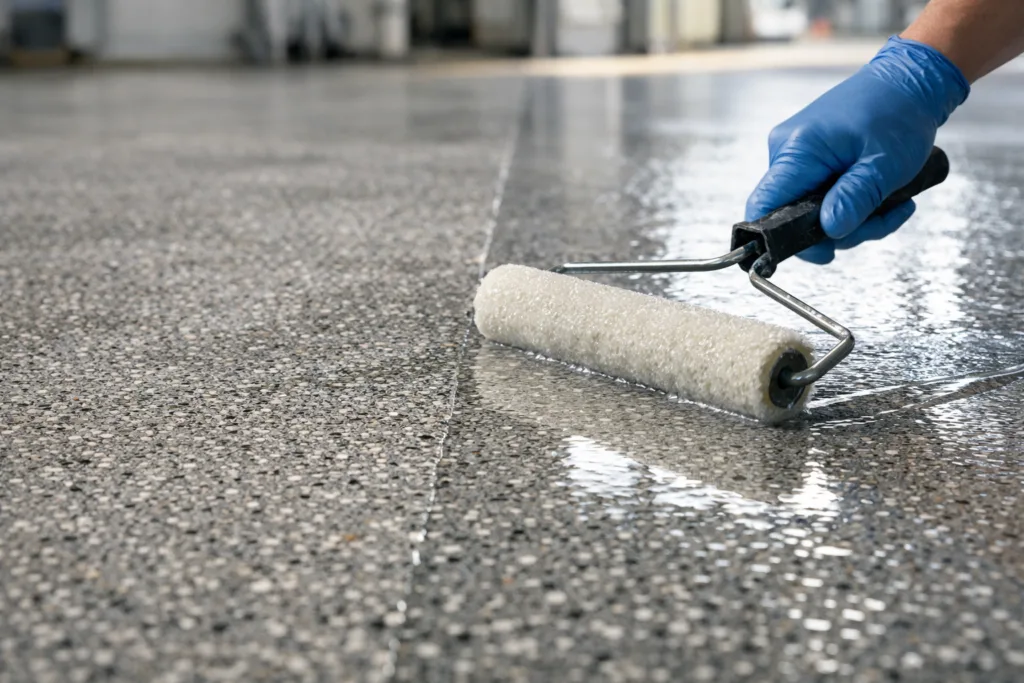
For harsh chemical and corrosion environments, Chemical Resistant Resin Flooring can be critical for longevity and safety, and understanding these differences helps prioritize system selection.
When Epoxy Flooring Is the Better Choice
Epoxy flooring is a go-to for high-traffic, medium-duty applications. Examples include warehouses, garages, showrooms, and light industrial facilities. The rigid surface endures repetitive loading and the seamless finish makes cleaning straightforward. Epoxy systems are cost-effective and typically easy to maintain.
- Warehouses: Withstand forklifts, pallets, and storage racks
- Garages: Resists oil, road salts, and easy to sweep clean
- Showrooms: High-gloss, improves lighting and aesthetics
- Light industrial: Good wear resistance and chemical durability
With the right ZDS-1011ab fast-curing dual-layer floor coating, project downtime can be minimized while still providing a tough, abrasion-resistant finish.
When Other Resin Flooring Systems Are Better
Some environments are too harsh or demanding for basic epoxy floors. In wet processing areas, food plants, deep freeze storage, or heavy-duty industrial facilities, other resin systems outperform epoxy.
- Food factories: Antimicrobial, wide pH resistance, and steam-clean tolerance often require polyurethane or MMA resin systems.
- Wet processing: Moisture-tolerant and slip-resistant PU or MMA address hygiene and safety needs.
- Cold storage: MMAs cure and remain flexible even at sub-zero temperatures; most epoxies cannot cure well at low temps.
- Heavy-duty plants: Polyurethane delivers excellent abrasive and impact resistance for machinery and dropped tools.
Exploring wear-resistant polyurethane resin flooring offers a robust system where resilience to chemicals, moisture, and freeze/thaw cycles is non-negotiable.
Epoxy vs Polyurethane vs MMA Flooring: Quick Comparison
| System | Strengths | Drawbacks | Best For |
|---|---|---|---|
| Epoxy | Very hard, high adhesion, chemical & wear resistant | Brittle, cure time, moisture sensitive, yellows under UV | Warehouses, garages, showrooms, workshops |
| Polyurethane (PU) | Flexible, thermal shock resistant, UV stable, fast cure | Slightly higher cost, less hard than epoxy | Food processing, cold storage, wet/damp environments |
| MMA | Very fast curing, remains flexible, low-temp application | Strong odor during install, higher cost, skill needed | Super-fast turnarounds, deep freeze, wet/hygienic areas |
How to Choose the Right Flooring Resin for Your Project
Project success hinges on choosing the right floor. Consider:
- Substrate Condition: Is the concrete cracked or damp? Smooth or rough? Epoxy needs dry, steady substrates. MMA/PU can handle some moisture or movement.
- Loads: Does the floor see forklifts, constant carts, or just foot traffic?
- Chemical Exposure: Are there acids, alkalis, or oils present? Higher chemical resistance may demand polyurethane or specialty systems.
- Temperature Swings: Steady ambient temps or flash steam/cleaning? PU and MMA withstand thermal shocks, epoxies less so.
- Downtime Window: Need an overnight install or weekend turnover? MMA is best for ultra-fast projects.
- Budget: Epoxy is usually the lowest upfront cost but ensure it meets the performance needs so you don’t pay more in repairs later.
A practical method is to prioritize needs: critical failure prevention first (chemicals, impact, moisture), then aesthetics and cost.
Need Help Choosing a Flooring Resin System?
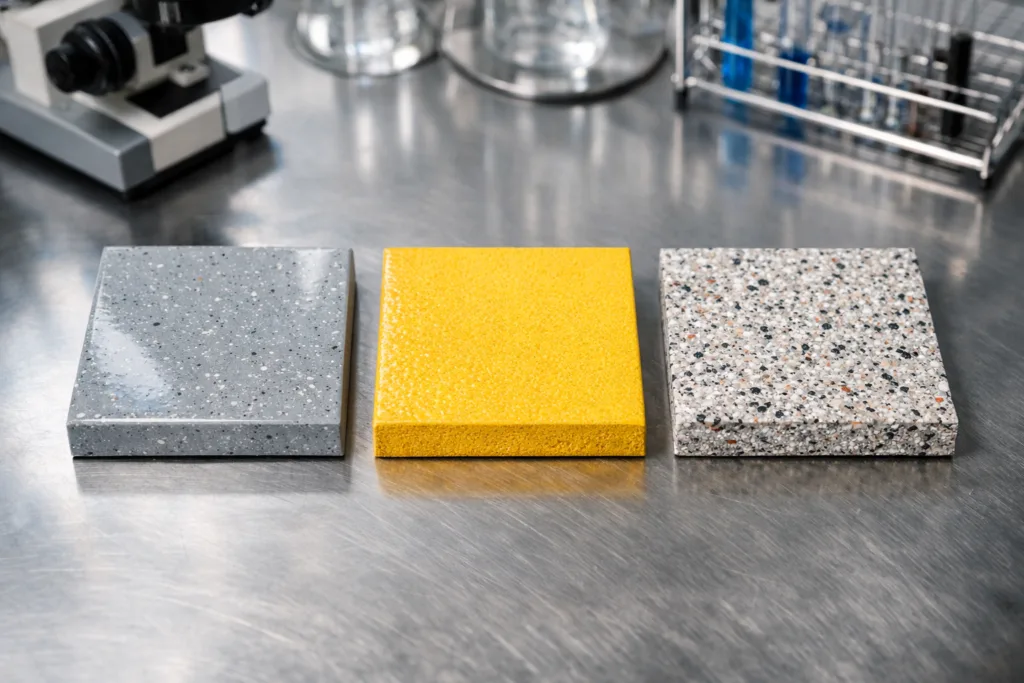
Industrial and commercial environments are rarely “textbook perfect.” Substrate moisture, unpredictable project windows, and tight specs complicate material choices. Having supplied countless coatings and repair systems, ZDSpoxy knows site conditions can limit options, so smart selection must balance real-world constraints with lab data. Mixing ratios, batch size control, and the expected ambient conditions can change which system will actually succeed in the field.
If your project is unique or has OEM/tailored needs, exploring technical support, custom formulations, or requesting samples greatly reduces your risk. ZDSpoxy offers insight-driven advice based on jobsite challenges and ongoing R&D, which helps ensure surfaces perform as promised under stress.
Frequently Asked Questions
Are resin flooring and epoxy flooring the same thing?
No; epoxy flooring is a specific type of resin flooring. The term “resin flooring” includes epoxy, polyurethane, MMA, and other synthetic resin systems. Each has unique strengths and ideal applications.
When should I choose epoxy flooring?
Epoxy flooring works best in warehouses, garages, showrooms, and light industrial spaces requiring high durability and an easy-to-clean surface. Make sure the substrate is dry and stable for best results.
What makes polyurethane or MMA flooring better in some areas?
Polyurethane and MMA resin floors handle thermal shocks, heavy impacts, and moisture far better than standard epoxies. They’re ideal for food plants, wet processing, cold storage, and rapid installs.
Does epoxy flooring resist chemicals?
Yes, epoxy offers good chemical resistance to most oils, fuels, and mild acids/alkalis, but harsh acids or UV can degrade standard epoxy. For aggressive chemicals, polyurethane or specialty epoxy may be safer choices.
How long does each flooring system take to cure?
Epoxy can need several days to cure fully. Polyurethane floors typically cure overnight. MMA floors can reach full strength in under two hours, allowing ultra-fast turnarounds.
What should I prepare before installing resin flooring?
Ensure the substrate is clean, stable, and within the recommended moisture and temperature limits for your chosen system. Professional surface prep prevents failures and maximizes performance.
Related Reading
- How to Stop Epoxy Floors from Yellowing in Sunlight
- The Science Behind Epoxy Cure Time and Pot Life (Contractor’s Guide)
- 7 Proven Steps for Epoxy Primer Selection That Avoids Floor Delamination
- Ultimate Guide to ESD & Anti-Static Epoxy Floor Solutions
- Why Antimicrobial Resin Flooring Is Essential for Food and Pharma Facilities