
What Is Shelf Life, Pot Life, and Working Time?
If you work with grouting products or construction resins, you’ve likely heard these three terms: shelf life, pot life, and working time. But what do they really mean? Although they sound similar, each affects your project differently. This article will clarify each term, provide practical examples, and show you how to avoid costly mistakes—whether you’re on a large construction site or tackling a one-day DIY project. Let’s dive in and get these concepts cleared up, once and for all.
Why This Terminology Matters in Construction
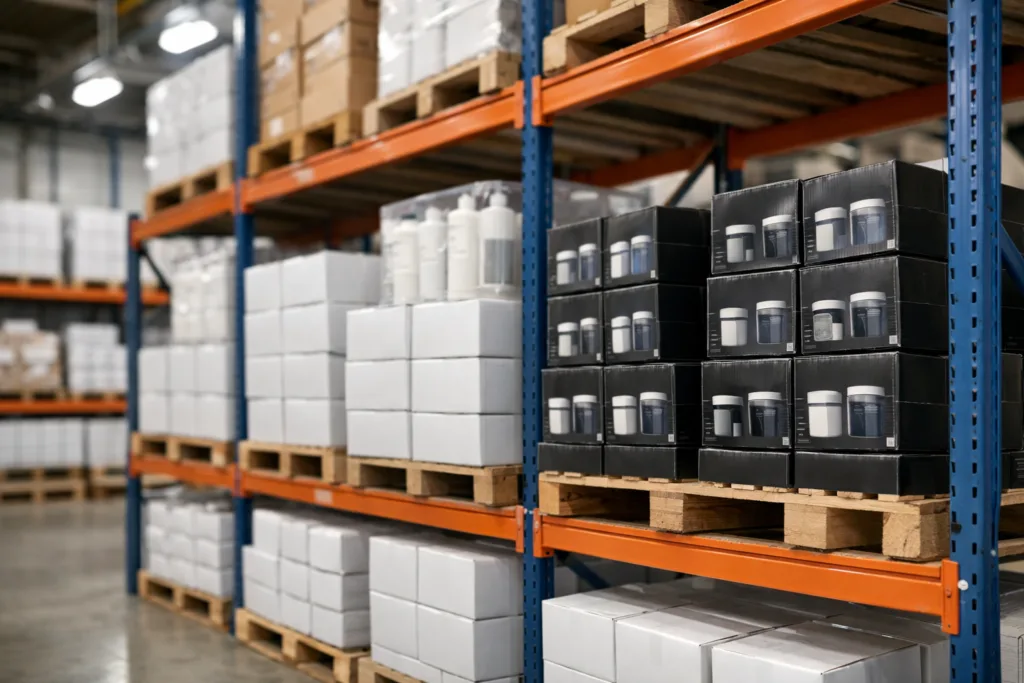
Getting these definitions right isn’t just a matter of semantics—it can make or break your project’s quality, safety, and cost-effectiveness. If you don’t understand these key terms, you could open a fresh carton of grout—only to discover it’s already set, costing you time and money. Or you might rush placement, worried about ‘pot life’, when you actually have more usable time. Knowing the differences empowers you to plan, mix, and apply materials with confidence.
Defining Shelf Life
Shelf life is the length of time a product remains usable while it stays unopened and stored in proper conditions. For example, a two-part epoxy grout may have a shelf life of 12 months, provided it’s kept in a cool, dry warehouse.
- Shelf life is always measured from the manufacturing date
- Once you open a container or mix components, the shelf life clock stops
- Outside recommended storage—excess heat, humidity, frost—can quickly reduce this period
Manufacturers rigorously test products to ensure accurate shelf life for safe usage. ZDSpoxy, for example, includes lot numbers and expiration dates, and regularly audits retained samples to ensure compliance. For site managers and contractors, always rotate your stock (“first in, first out”), and check dates before use to maintain maximum performance.
Defining Pot Life
Pot life (sometimes called “gel time” or “working pot time”) is the window after mixing when a resin or grout mix remains workable in its container. After that period, it thickens or “gels” too much to be placed or troweled properly. For example, a heavy machinery epoxy grout may have a pot life of 40 minutes at 25°C per batch size—but only 20 minutes if mixed in a larger pail, due to extra heat generated.
- Pot life depends greatly on kit volume, temperature, and mixing method
- It’s measured from the moment parts A and B are combined
- Always check the technical data sheet for your specific product and batch size
For major jobs, you can use the Epoxy Grout Volume Calculator Project Quote to gauge how much product you need and time your mixing for best pot life management.
Defining Working Time
Working time is the period after mixing when you can successfully apply, spread, or finish the material before it starts to lose its designed performance (stickiness, flow, adhesion, etc.). Note that working time is often shorter than pot life, especially for high-performance grouts or coatings. For instance, some solvent-free epoxy grout systems might have a pot life of 30 minutes but a recommended working time of 20 minutes for placement and finishing.
- Working time starts immediately at mixing but ends once the material sets too quickly or begins exotherming (heating up)
- Don’t confuse with “open time,” which, in some adhesives, references bonding windows for substrates
- Faster mixes, heat, and direct sunlight all shorten working time
For tricky applications like Heavy Machinery Epoxy Grout under dynamic loads, enforcing the correct working time means achieving proper flow and bearing area.
Shelf Life vs. Pot Life vs. Working Time: Terminology Clarified
Let’s break it down side-by-side for clarity:
| Term | Definition | When It Matters | Who Cares Most |
|---|---|---|---|
| Shelf life | How long a product stays usable in UNOPENED packaging (with proper storage) | Storage and inventory control, procurement | Warehouse managers, contractors, DIYers |
| Pot life | How long the mixed grout or resin remains workable in the MIXING vessel | Batch preparation, mix planning | Installers, resin applicators, foremen |
| Working time | How long you can PLACE, SPREAD, or FINISH the mixed batch before it sets | Application, finishing, joint closing | Trowel crews, detail finishers |
Practical Examples in Epoxy Grouting Projects
Want to see these definitions on-site? Here’s how it works in a real project involving machinery grouting:
- Shelf life: You store unopened epoxy grout kits in a cool, dry container room, following “first in, first out” inventory management
- Pot life: You mix a small batch in a bucket—officially workable for 25 minutes, but it thickens faster if it’s a hot day or mixed in bulk
- Working time: After pouring under machine baseplates, you have 10 minutes to trowel and finish surfaces before the resin starts gelling and flow stops
ZDSpoxy always recommends a test mix in real jobsite conditions to verify pot life and working time, especially when ambient or material temperatures are outside published “normal” values.
Common Mistakes When Interpreting These Terms
Let’s address some of the usual stumbling blocks:
- Mistaking shelf life for post-mix usability—opened products do NOT retain their original shelf life
- Trusting pot life at face value—real batch sizes (and jobsite temperatures) can speed up or cut short pot life significantly
- Ignoring working time cues—missing optimal finishing can lead to poor adhesion or surface appearance
For project planners, always confirm with your supplier or manufacturer—some resin systems (like Underwater Epoxy Grout) can be highly sensitive to environmental changes.
Shelf Life: Storage and Expiry Essentials
Why pay attention?
- Expired product can fail to cure, lose strength, or discolor
- Legal liability—using expired batch can void warranties or certifications
- Transport rules can affect allowed shelf life (freezing/overheating in transit)
Always:
- Log delivery and opening dates
- Keep stock off ground and away from water, sunlight, and chemicals
- Return unused products to proper storage, if allowed by the manufacturer
Pot Life: Factors That Really Matter
Pot life is deeply influenced by:
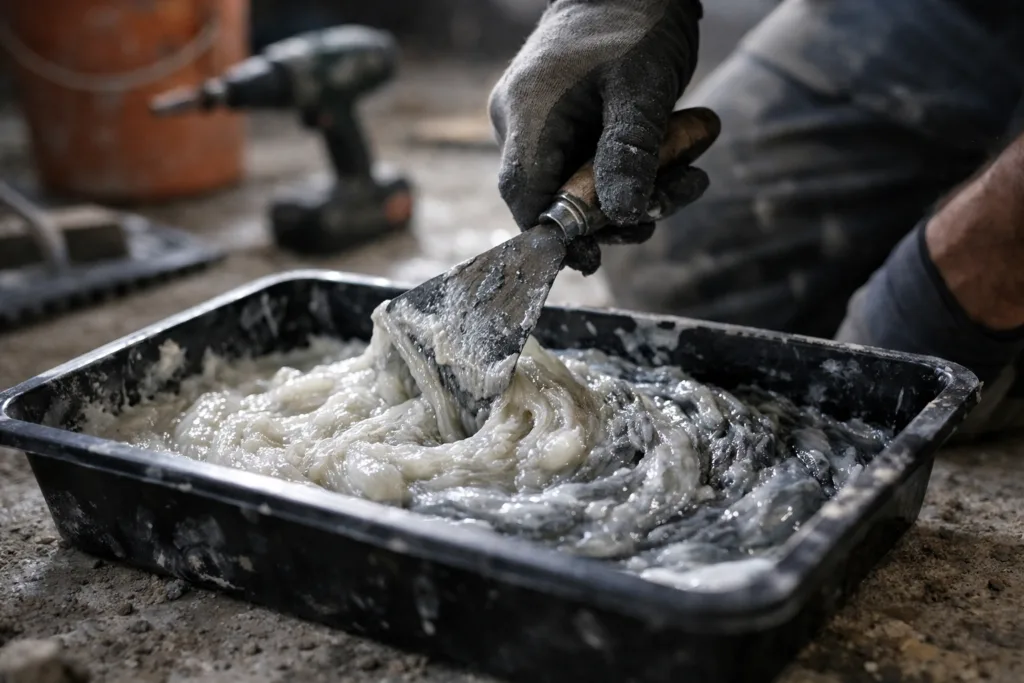
- Material temperature (warmer = shorter pot life)
- Batch size (large = faster exotherm and gelling)
- Mixing method (mechanical vs. manual)
- Mechanical mixing can generate extra heat
- Container shape (deep = hotter core, faster set, shallow = slower, longer usability)
Working Time: Maximizing Performance
To get top results during working time:
- Organize crew and tools before mixing components
- Don’t overreach—mix only what can be placed/finished within recommended working time
- Divide large areas with back-up batches to maintain finish quality
- For exterior jobs, shade the workspace and keep material cool to extend working time
Why Definitions Vary by Product
Not all construction chemicals define pot life and working time the same way. For urethanes or cementitious systems, “pot life” may span a different period—or be used interchangeably with “open time.” Always review the technical data sheet, or ask your supplier for clarification if anything seems unclear.
How Manufacturers Set Shelf Life, Pot Life & Working Time
This process combines lab testing, simulated aging, and field trials. Manufacturers like ZDSpoxy create product standards by storing samples at high and low temperatures for months, then verifying strength, color, and curing. Pot life is usually measured by “150 mL gel time” in a cup, and working time by application finishing tests. These values are always “typical,” not guaranteed for every setting, so jobsite trial mixes are key before starting a major application.
Impact of Temperature and Humidity
Heat and moisture can dramatically shorten both pot life and working time. A 10°C increase can halve pot life. High humidity might not harm shelf life (if sealed), but can especially affect cementitious or powder-based grouts—watch for clumping or strength loss.
Batch Size, Application Method, and Mixing Tools
Bigger batches cure faster due to exotherm (heat). Deep pails build more heat and lose pot life quickly. Mechanical mixing whips in air and can accelerate set. For maximum working time, use shallow trays and smaller batches, or add “rest time” between mixes if possible. On critical repairs, using Epoxy Coating Systems with published pot and working time for guidance is a smart move.
Product Labelling: How to Read Expiry Dates
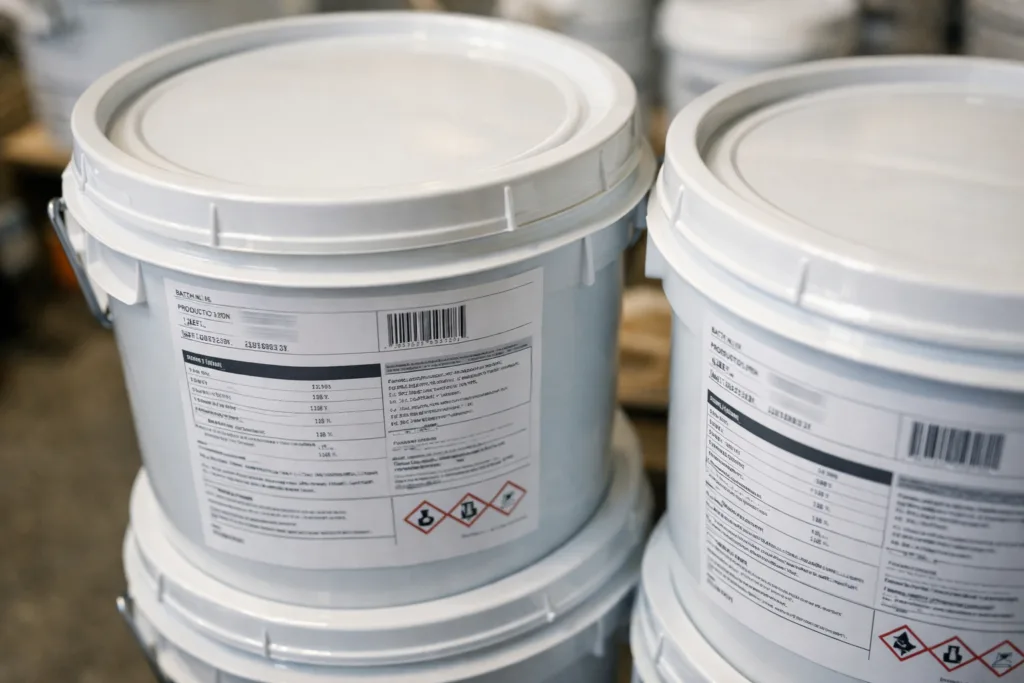
Look for ‘EXP’ or ‘BB’ (best before) codes beside the batch number on packaging. Some labeling breaks down into year and week (e.g., 2417 = 2024, week 17). Always check technical data for precise meanings—different codes for grouts, adhesives, or coatings may exist within a single product line.
Legal and Warranty Considerations
Using expired or out-of-pot-life materials can void manufacturer warranties and, depending on building codes, create legal liabilities. Always maintain batch records as part of good quality control practice. In sensitive cases (food or pharma facilities), strict expiry logs are mandatory, and can be subject to audit.
Contractor Strategies for Managing Shelf Life and Pot Life
- “First In, First Out”: Always use older stock before new deliveries
- Train your team to identify expiration warnings in the field
- Stage jobs to match delivery, so fresh material is always ready to go
- Don’t attempt to revive expired product—it may look normal but still underperform
Tips for DIYers Working with Grouting Kits
- Only mix what you can use in 15–20 minutes for smaller projects
- Keep extra containers, rags and tools ready before combining parts
- Mix and pour in a cool, shady area—kitchen grouts or adhesives can set up fast under direct sun or warm interior temps
- For unfamiliar products, practice with a test quantity to judge working and pot life firsthand
- Store leftover unopened kits in a consistently cool, dry closet or cabinet, never in garages or exposed sheds
What to Do If You Miss Your Working Time
Once grout or resin thickens beyond working time, never add solvents or water. Remove unusable material promptly and clean tools—dried mix is nearly impossible to clean off. For high-spec grouts, delayed finishing or forced placement can result in voids, poor bond, or reduced compressive strength. Don’t take shortcuts; mix a new batch and start fresh for the best long-term results.
Real-World Failures from Ignoring Shelf or Pot Life
Examples include:
- Poured grouts never hardening (expired resin)
- Rapid heat buildup causing dangerous exotherms in large pails (misjudged batch size/pot life)
- Surface “skin” forming—troweling after working time has ended
- Contaminated repairs—using grout stored open near oils or moisture
Regular training and accurate product labeling are your safety net.
Frequently Asked Questions
What does “pot life” mean for epoxy grout?
Pot life is the period after mixing when the grout remains usable in its mixing vessel. It’s critical for ensuring proper placement, as the mix will start to gel quickly after this time.
Can I use grouting product past its shelf life?
No, using past-shelf-life product can lead to curing failures, reduced strength, discoloration, or even safety issues. Always consult the expiration label.
How can I extend the working time of my grout?
Store materials in a cool area, mix in small batches, and avoid direct sunlight during application. Some products permit additives, but always follow the manufacturer’s guidance.
Does pot life change with temperature?
Yes, higher temperatures shorten pot life—and lower temperatures can lengthen it. Always adjust plans based on on-site conditions.
Is “open time” the same as working time?
They’re similar, but “open time” usually refers to the interval during which something can be bonded, while “working time” is broader and applies to how long you can manipulate or finish a product after mixing.
How do I know if my epoxy grout is still good to use?
Check the expiration date, container integrity, and the manufacturer’s storage instructions. If in doubt, conduct a small test mix to verify cure and flow before full application.