
Introduction: Why Steam Turbine Grouting Matters for Thermal Expansion and Misalignment
Grouting is the unsung hero behind the reliable operation of heavy industrial equipment. In the context of steam turbines, proper grouting does more than simply fill voids—it provides foundational stability, distributes operating loads, and, critically, helps mitigate challenges arising from thermal expansion and misalignment. As turbines heat up, their material components expand, generating substantial movement. If not correctly accounted for, even small misalignments can cascade into vibration issues, decreased efficiency, or catastrophic equipment failure. This article explores the role of steam turbine grouting, the unique physics of thermal growth, selection of best-fit epoxy systems, and the practical know-how needed for long-term equipment alignment and safety.
Understanding Steam Turbine Grouting: Definitions and Industry Context
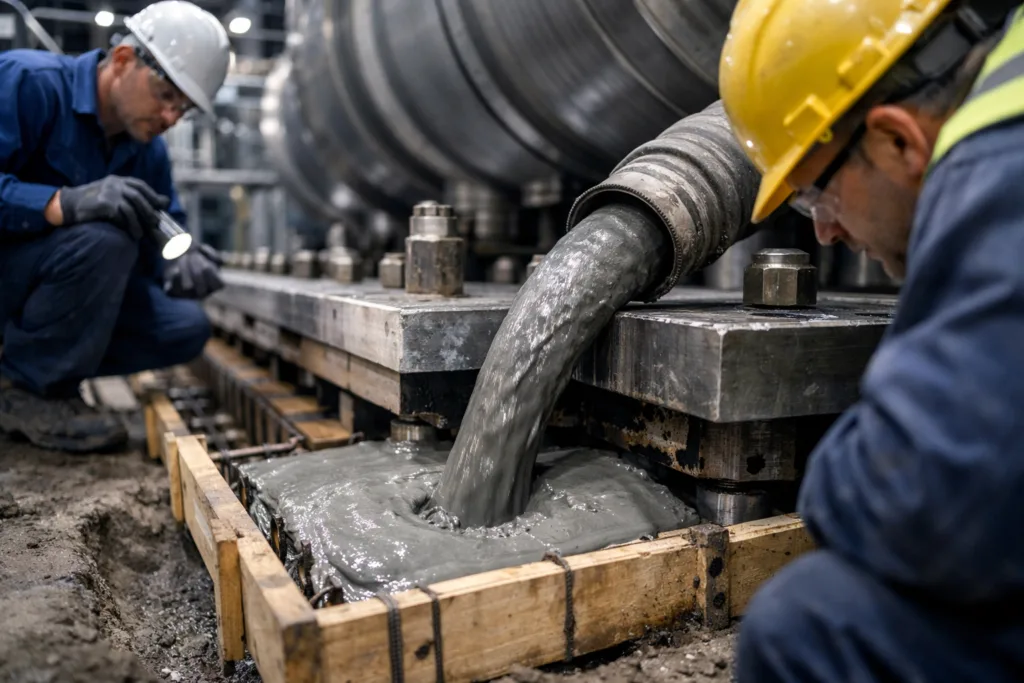
Steam turbine grouting refers to the process of infilling the space between a steam turbine (or its baseplate) and its foundation with a durable material—commonly, epoxy grout. This forms a load-transfer layer, enabling turbines to withstand massive operational stresses. In high-stakes sectors like power generation, petrochemical, or marine environments, even minor grouting deficits can translate into costly operational challenges.
The Science of Thermal Expansion in Steam Turbines
Every material expands when heated. For steam turbines, this means both the steel machinery and concrete foundations can change size during service. Turbine casings, rotors, and baseplates typically experience thermal elongation—often several millimeters over operational cycles. The mismatch between different material expansion rates (coefficient of thermal expansion, or CTE) creates internal stresses that must be managed to prevent misalignment.
Misalignment: Causes, Consequences, and How Grouting Helps
Misalignment arises when rotating machinery components—such as turbine shafts and coupling systems—are not correctly positioned. It is often caused by insufficient grouting, uneven grout placement, shrinkage during curing, or, especially, a failure to account for thermal growth during alignment. The result? Increased vibration, bearing failures, and reduced operational efficiency.
Why Epoxy Is the Preferred Grouting Material for Steam Turbines
Epoxy grouts offer significant benefits over traditional cement-based options. Their superior chemical resistance, negligible shrinkage rates, and high compressive strengths (often exceeding 90 MPa) make them ideal for withstanding the unique loads and environmental stresses of steam turbines. In contrast, cement grouts can crack, shrink, or absorb oil, which erodes support integrity over time.
Comparing Epoxy Grouts for Steam Turbine Applications
| Feature | High-Performance Epoxy Grout | Traditional Cementitious Grout |
|---|---|---|
| Compressive Strength (MPa) | 90-120 | 60-80 |
| Shrinkage | Minimal (<0.05%) | Medium-High |
| Chemical Resistance | Excellent | Poor |
| Thermal Stability | High (up to 120°C+) | Lower (40-60°C typical) |
| Bond to Concrete & Steel | Exceptional | Moderate |
For complex turbine foundations subject to dynamic loads and temperature swings, specialty high-strength epoxies—like ZDS-1410AB—provide the dimensional stability and long-term reliability demanded by modern power plants.
Thermal Growth in Turbine Grouting: Physics, Measurement, and Design
Thermal growth is the measurable increase in component length caused by heat. For example, a steel baseplate can lengthen by several millimeters along the turbine’s axis as temperatures climb from ambient to operating levels (often exceeding 100°C or more). Knowing the coefficient of thermal expansion (CTE) of baseplate steel and surrounding concrete is essential for calculating projected movement during operation. Grouting systems must allow or compensate for this movement to avoid ‘locking in’ components and causing dangerous stresses or crankshaft misalignment.
Common Grouting Failures in Steam Turbine Projects
Poor grouting often leads to future foundation problems. Some typical failures include:
- Voids beneath baseplates due to improper pour sequencing or insufficient flow
- Cracking caused by thermal cycling or excessive exothermic reaction (heat buildup during grout cure)
- Chemical degradation (especially in oil/solvent-prone environments)
- Improper surface preparation, leading to debonding
Lessons from Case Studies: Grouting-Related Steam Turbine Distress Events
During an inspection at a combined-cycle power plant, engineers discovered vibration issues in a 120 MW steam turbine just weeks after commissioning. Investigation revealed extensive cement grout cracking and evidence of voids under the baseplate, likely the result of high operating heat and poor formwork sealing. Remediation required shutting down operations, removing failed grout, and installing a suitable epoxy grout—at a significant cost and production loss.
The Role of Foundation Design in Grouting Success
A robust foundation preempts potential issues. For turbine applications, engineered details such as anchor bolt sleeves, baseplate venting, and pre-grout inspection of embedment and cleanliness are vital. Even small inclusions like oil, dust, or water can drastically reduce bond strength, leading to premature misalignment or vibration problems.
Accurate Pre-Grout Inspection: Avoiding Common Pitfalls
Inspection checklists help teams spot early warning signs. ZDSpoxy’s practical experience shows that checking gap heights, ensuring rebar is free of oil, and confirming all formwork is leak-tight are crucial steps prior to mix and pour. Learn more in our Ultimate 13-Step Pre-Grout Inspection Checklist for API Pump Skids—a resource easily adaptable to turbine foundations.
Managing Alignment During Steam Turbine Installation
Correct alignment starts before grout is ever poured. Shims, leveling screws, and dial indicators are adjusted to specification—typically compensating for predicted thermal growth by ‘preloading’ the alignment offset. Once the grout is installed, it must transfer these forces evenly without allowing further movement.
How Epoxy Grout Accommodates Thermal Movement
Unlike brittle or high-shrinkage alternatives, modern epoxy grouts offer a balance of rigidity (load transfer) and slight ductility (absorbing some foundation movement). Key characteristics include low exotherm (to minimize internal crack risk), resistance to oil and chemicals, and enough working time to properly wet out under baseplates before gelling.
Mixing and Placing Epoxy Grout for Turbines
Mixing epoxy grout demands consistency and discipline—batch size, temperature, and ratio must match manufacturer specifications. Professionals recommend staged pours, properly controlled ambient temperatures, and use of flowable grouts for tight geometries. Air entrapment or cold joints can lead to voids and future settlement.
Troubleshooting Steam Turbine Grouting Issues
Common field problems include:
- Slower than expected cure—often due to low temperature or improper ratio
- Excessive exotherm—arises when large batch sizes, deep pours, or poorly ventilated forms are used
- Surface oil contamination—leads to weak bond lines
When low-viscosity grouting is required for tight seams, specialty products such as ZDS-4131AB can ensure complete infill and reduce risk of future settlement.
Thermal Expansion: Allowances in Design and Grout Selection
Engineers commonly make alignment compensations during installation, based on predicted turbine heat-up expansion values. Choosing an epoxy grout with compatible modulus of elasticity and minimal shrinkage metrics (typically <0.05%) ensures the load path remains undisturbed through the turbine’s full operating temperature range.
The Importance of Flowability and Self-Leveling Characteristics
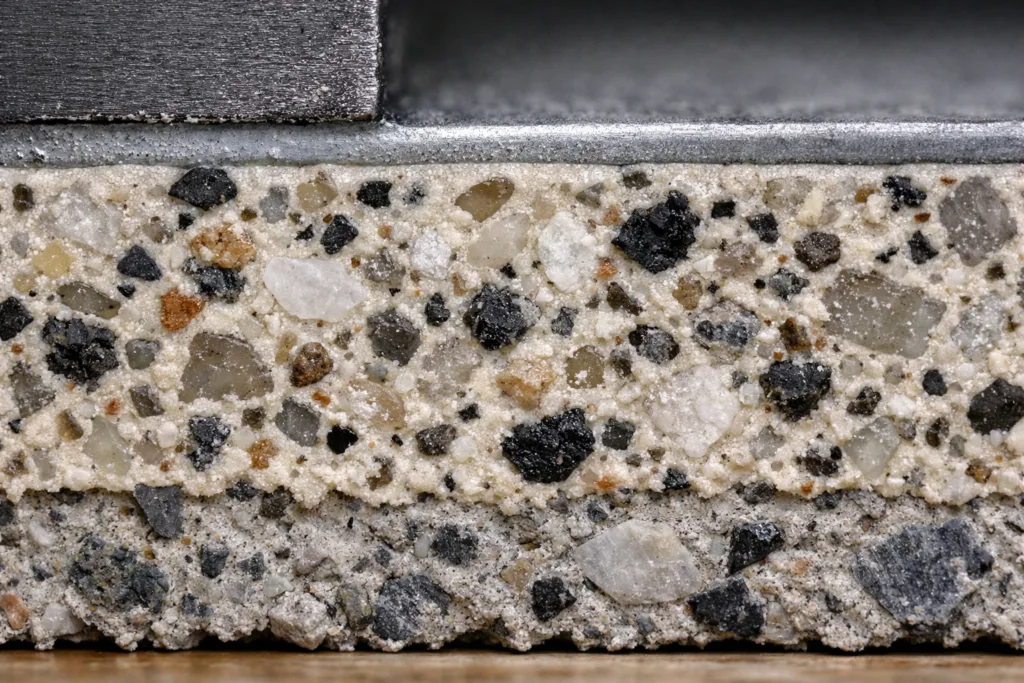
High flowability is essential when grouting under narrow baseplates or congested anchor layouts. Incomplete wet-out leads to air voids—a root cause of uneven load distribution or localized misalignment. Selection of a flowable, self-leveling epoxy grout tailored to the actual project gap size avoids this pitfall. If you’re unsure on quantities, use our Epoxy Grout Volume Calculator Project Quote for accurate project planning.
Grouting for Vibration Control and Longevity
Well-executed grout supports not only load transfer but also damping of vibration, protecting both rotating parts and the foundation. Over time, the combination of rigid load path and vibration absorption extends equipment service life and reduces unplanned maintenance.
Practical Epoxy Grouting Methods for Steam Turbines
Professionals follow best practices, such as:
- Sequencing pours to avoid cold joints
- Ensuring consistent mixing and placement temperature
- Using formwork that is oil-tight and robust
- Pre-testing batch properties before main pour
This discipline is essential—especially when site variables like wind, rain, or sub-optimal temperature threaten project quality.
Surface Preparation for Steam Turbine Foundations
Prime, rough, and clean surfaces maximize epoxy bond to both steel and concrete. ZDSpoxy often recommends solvent-free priming on damp or less-than-perfect substrates to ensure long-term performance; such primers also triple-check both absorption and adhesion, reducing the risk of later delamination.
Optimizing Application: Site Constraints and Cure Schedules
Application timing is critical. Low temperatures may slow gel and cure, while high temperatures can accelerate setup, leaving little working time. Project managers should plan pour and alignment windows, considering actual jobsite conditions—not just ‘lab’ values. Proper protection from rain, foot traffic, and vibration during cure is also essential to avoid early failures.
Quality Control and Testing for Grouted Turbine Foundations
Batch records, compressive strength testing, and post-cure inspection ensure each installation meets both design and field expectations. Resist the urge to de-form and load the grout early—full cure, even for rapid-cycling epoxies, usually needs at least 24 hours, sometimes longer at low site temperatures.
Compliance, Safety, and Environmental Expectations
Proper use of PPE, onsite ventilation, and controlled storage of resins are non-negotiable. It is important to monitor material shelf life, especially for epoxies, which can pre-cure or lose flow if stored outside manufacturing recommendations. For environmentally sensitive sites, ensure VOCs meet local standards.
Case Example: Real-World Application of Epoxy Grout in High-Temperature Steam Turbine Base
A recent installation in a Middle Eastern power station required grouting a 220 MW turbine and generator. During ‘hot commissioning,’ foundation movement was tracked, and differential analysis between foundation and baseplate confirmed the need for a high-modulus, low-exotherm epoxy. Adjustments to batch size and pour rate minimized risk of heat buildup, and detailed flow tests targeted all critical load-bearing surfaces. Outcome: after two years of service—including multiple full thermal cycles—no misalignment or grout cracks were observed, confirming both the design and installation method succeeded.
Steam Turbine Grouting: Managing Thermal Growth & Misalignment
The right approach to grout, material selection, and application is key for reliable turbine operation. Epoxy grouting provides robust support, compensates for thermal expansion, and minimizes risks of vibration and misalignment. Every step—from inspection and formwork to QC and cure—matters. Regular training, site-specific planning, and professional products give teams the confidence that turbines will stay aligned, safe, and productive for years to come.
Conclusion
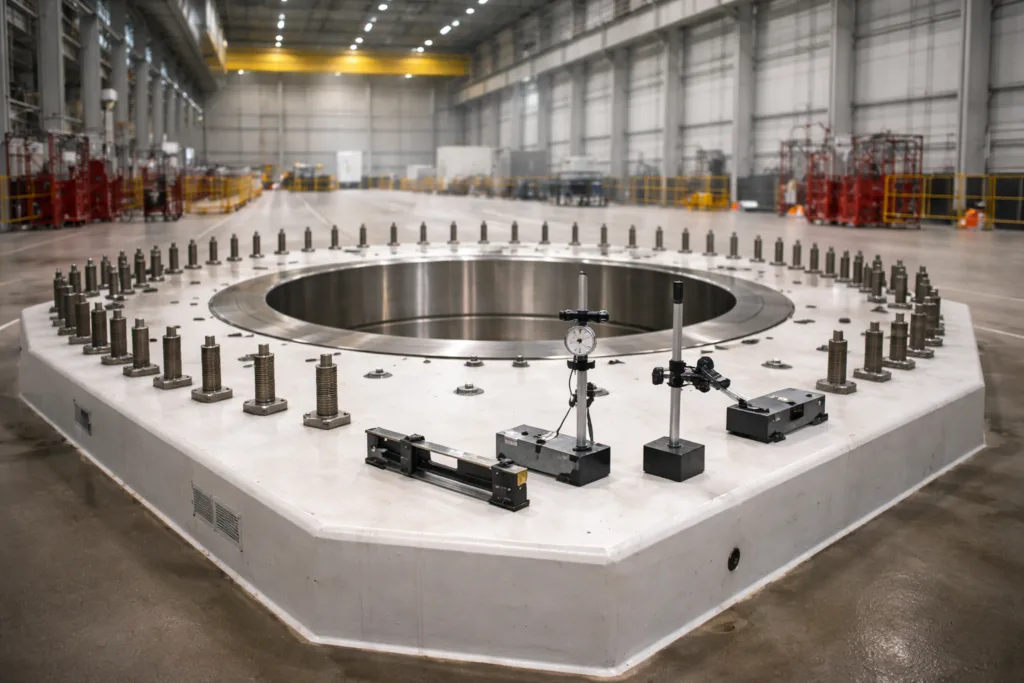
Proper grouting in steam turbine projects is more than a foundational step—it’s a guarantee of long-term machine stability, efficient energy transfer, and minimized downtime. By understanding the science of thermal growth, leveraging modern epoxy solutions, and following disciplined field practices, engineers and operators can significantly reduce the risks of misalignment and vibration. Well-executed grout installation, aided by predictive design and thorough QC routines, transforms a potential failure point into a lasting asset. Looking ahead, as turbine technology evolves, so too will grouting solutions—and those who understand these fundamentals will be positioned for success.
Frequently Asked Questions
What are the main benefits of using epoxy grouts for steam turbine foundations?
Epoxy grouts provide superior compressive strength, chemical resistance, negligible shrinkage, and match foundation material’s thermal characteristics, offering top performance in turbine settings.
How does thermal expansion impact steam turbine alignment?
As turbines heat up, components expand, potentially causing misalignment if not anticipated during installation. Correct grout selection and alignment allow for this movement, preventing operational failures.
What mistakes most commonly cause steam turbine grout failures?
Poor surface prep, using non-flowable or unsuitable grout, improper batching, and not allowing for thermal movement are the key mistakes leading to foundation issues.
How can I ensure proper grouting under a steam turbine base?
Follow thorough inspection protocols, ensure baseplates are level and clean, use the right epoxy grout for the thermal profile, and monitor mixing, placement, and cure with care.
Can old cementitious grout be replaced with epoxy in turbine retrofits?
Yes, with careful removal, surface preparation, and proper design detailing, epoxy can replace older grouts, providing significant improvements in foundation durability and reliability.
What special considerations apply when grouting steam turbines in hot climates?
Hot weather accelerates epoxy cure, so smaller batch sizes, rapid placement, and attention to exotherm are crucial; always monitor both substrate and ambient temperatures closely.