
Top 10 Signs Your Building Needs Waterproofing Renovation
Is your building showing mysterious damp patches, musty odors, or persistent peeling paint? Ignoring early warning signs can lead to severe structural damage and sky-high repair bills. Spotting the top 10 signs your building needs waterproofing renovation early allows for quick, cost-saving fixes—especially important in today’s unpredictable weather. This guide will walk you through key symptoms, likely causes, photos to take for checking, what not to do (common mistakes), and recommended actions. We’ll also share how ZDSpoxy’s expertise helps diagnose issues and create custom waterproofing kits, often remotely.
Why Early Detection of Waterproofing Issues Matters
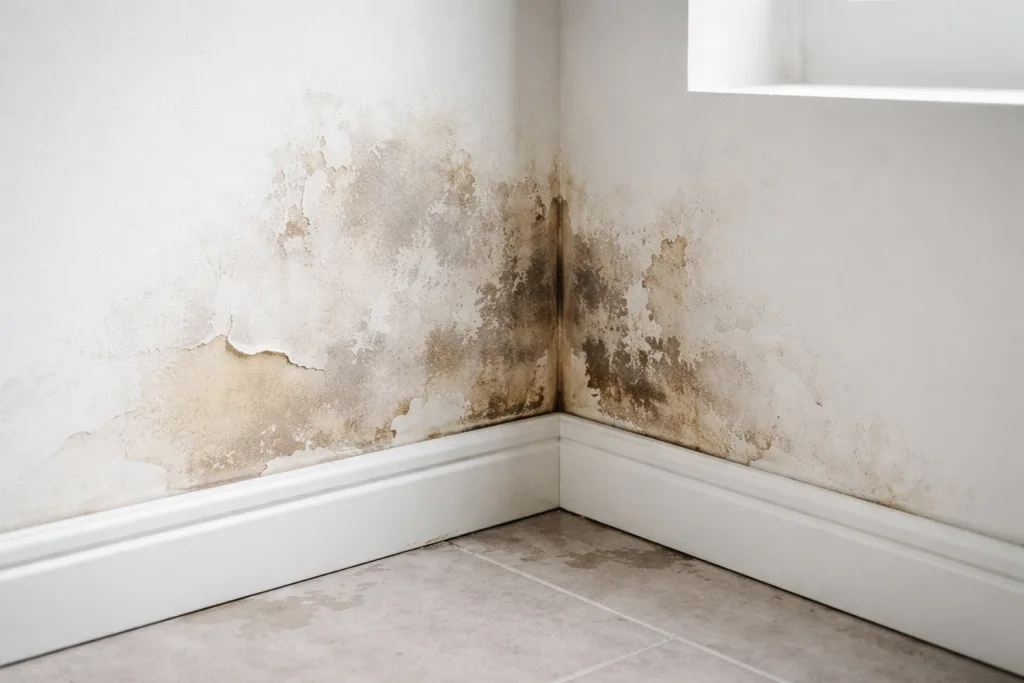
Water seeping through walls, floors, or roofs isn’t just an eyesore. It’s a signal of underlying problems that can escalate—fast. Quick intervention can prevent mold, mildew, structural cracks, and even health risks. Whether your property is residential or commercial, understanding the 10 signs you need waterproofing renovation is crucial for long-term protection.
Top 10 Signs Your Building Needs Waterproofing Renovation
| Symptom | Possible Cause | What to Check (Photo Point) | Don’t Do This (Common Mistake) | Recommended Action |
|---|---|---|---|---|
| Damp Spots after Rain (墙体或天花板现湿斑) | Failed exterior coating, leaking joints, clogged drainage | Photograph spots on walls/ceilings post-storm, outside wall sections | Don’t just repaint or wallpaper wet plaster—it traps moisture! | Inspect for leaks, use waterproofing renovation solutions for exterior walls |
| Persistent Musty Odor (长期发霉味) | Hidden mold due to trapped moisture, poor ventilation | Photo baseboards, corners, inside cabinets where smell is strongest | Never mask with air fresheners—mold spreads unseen | Locate moisture source, check interior wall renovation for strategies |
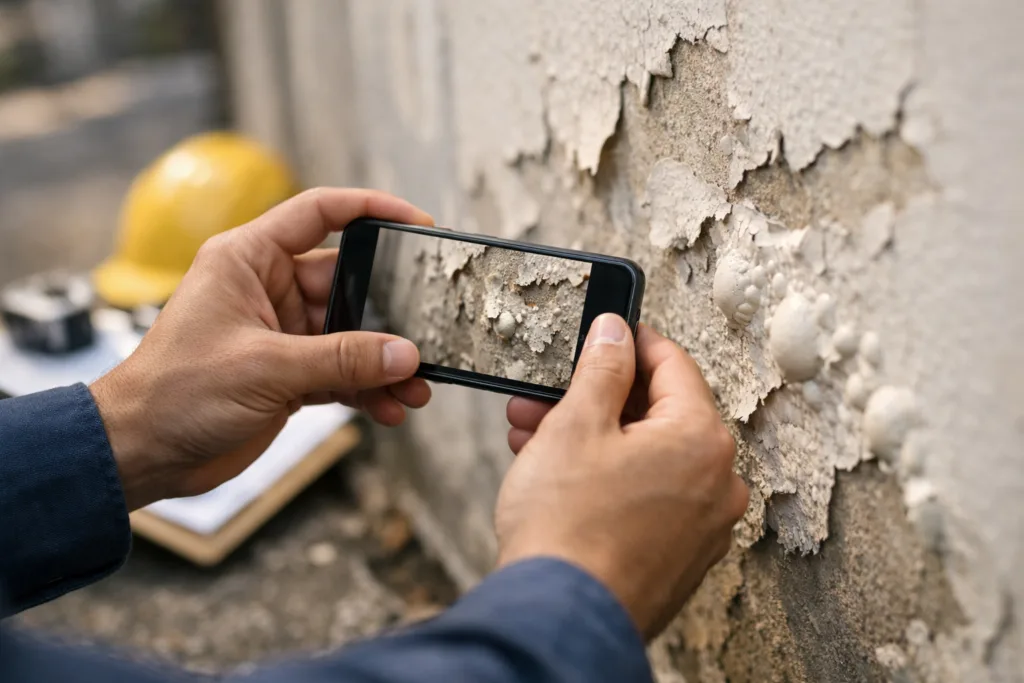
| Peeling or Bubbling Paint (起皮、漆鼓泡) | Water vapor pressure behind coating, incorrect substrate prep | Photograph paint edges, blisters, both indoors and outside | Don’t scrape and immediately repaint—problem will return | Test moisture in substrate, upgrade to breathable coatings (consult ZDSpoxy for optimal systems) |
| Chalking or Whitening (发白、粉化) | UV damage, moisture movement, incompatible paints | Zoom on faded/white powder areas, especially south-facing walls | Don’t simply wash off, as underlying damage may be deeper | Assess wall waterproofing layers, consider full exterior wall renovation |
| Loose or Hollow-Sounding Tiles (瓷砖空鼓) | Water under tile loosening adhesive, improper waterproofing | Tap tiles, photograph any hollow/loose sections and nearby grout lines | Never just reglue or grout—moisture remains and spreads | Lift tiles to check for water; see kitchen bathroom tile waterproofing |
| Powdery Floor Surface (地面粉化) | Capillary action wicking up water, or old flooring failures | Photo powder build-up on foot, around perimeters, near drains | Don’t sweep and ignore—moisture is compromising the structure | Test for rising damp, upgrade substrates (floor coatings as needed) |
| Recurring Cracks (裂缝反复开裂) | Water intrusion, foundation shifts, poor expansion design | Photograph cracks with measuring tape, before and after repairs | Don’t fill cracks with rigid putty—movement will break it again | Assess structural reasons, use elastic waterproofing materials |
| Efflorescence (盐渍,表面结晶) | Water dissolving salts from inside out—shows active leaks | Closeup of salt crust, trail direction, area size | Don’t just scrub off—roots of problem must be fixed | Track leak back to source; correct waterproofing at origin |
| Mildew or Mold Growth (黑点或霉斑扩展) | Condensation, water trapped in cavities | Wide shot and closeup of affected wall/floor, check behind furniture/baseboards | Don’t bleach and ignore—mold signals deeper issue | Improve ventilation, address core moisture entry |
| Surface Blistering or Bubbling Floor (地面气泡起鼓) | Vapor pressure, waterproofing layer breakdown | Oblique/side angle showing bubble outlines or domes | Avoid just rolling flat or covering with carpets | Test vapor emission; use high-performance coatings like polyurethane or epoxy |
Pitfalls: What Not to Do When You Spot Symptoms
Many quick fixes—like repainting, caulking, or merely grouting tiles—give only short-term relief. Moisture will always find its way back if the root cause remains. For instance, painting over mold-affected areas traps spores. Replacing individual tiles ignores wet substrate below, setting you up for repeat failures. Trust your senses: smells, recurring marks, or persistent cosmetic issues almost always indicate deeper waterproofing renovation needs.
First Steps: How to Check and Document Damage Effectively
- Use your phone camera to document all suspect areas. Capture close-ups and overviews of stains, cracks, bubbles, or powdering. For tiles, include a tapping video if possible.
- Photograph junctions (wall corners, floor-wall, around windows) and behind furniture where problems arise.
- If you’re seeking remote diagnosis, add daylight photos of both the inside and corresponding outside wall/floor sections.
- Keep a record of when patches appear (after rain/cleaning etc.) and if size or stains expand over time.
How ZDSpoxy Evaluates Real Conditions for Custom Waterproofing Solutions
Manufacturing-grade waterproofing isn’t just about slapping on a coating. ZDSpoxy engineers consider factors like substrate moisture content, ventilation, expansion requirements, and even the required pot life to prevent exothermic buildup. On challenging jobs where surface contamination, temperature, or joint complexity is an issue, brand experience ensures primers, bond lines, and recoat intervals are set for your environment—not just generic instructions. This real-world approach frequently uncovers hidden failures overlooked by quick walkthroughs.
When Should You Call for a Professional Waterproofing Inspection?
If damp, cracking, or musty signs return after DIY repairs, it’s time to involve a building professional or waterproofing specialist. Pooling water, suspected rising damp (powdery edges), or stubborn hollow tiles require an in-depth diagnosis. Property owners can also work with technical suppliers remotely. Sharing site photos, recent weather context, and a short timeline of issues helps teams like ZDSpoxy to create a precise, custom waterproofing kit.
External Areas: Terraces, Balconies, and Courtyards
Outdoor surfaces often suffer silently, especially where water can pool or drainage is poor. Watch for white streaks, flaking, or popping tiles on terraces and balconies. For stone or resin-bound systems, mildew or granular loss flag water trapped beneath. Explore terrace balcony outdoor floor coating methods for upgrades.
Special Cases: Pools, Kitchens, and Bathrooms
Pool surrounds, showers, kitchen floors, and wet rooms are water-prone hotspots. Bubbling paint near pool edges, soft stone, blackened grout, or loose bath tiles all indicate moisture infiltration. Detailed waterproofing and regular maintenance are key—see our section on kitchen bathroom tile waterproofing above for targeted solutions.
What Makes a Lasting Waterproofing Renovation?
True renovation always begins with root cause analysis. Quality waterproofing involves surface prep, moisture gradient checks, the correct primer for the substrate, appropriate membrane or coating, and correct edge/joint treatment. Discipline in application (mixing ratios, batch size, working times) is critical to success and longevity. Whenever possible, test adhesion and moisture before closing up with tiles or finishing paint.
Top 10 Signs Your Building Needs Waterproofing Renovation: Symptom Table Recap
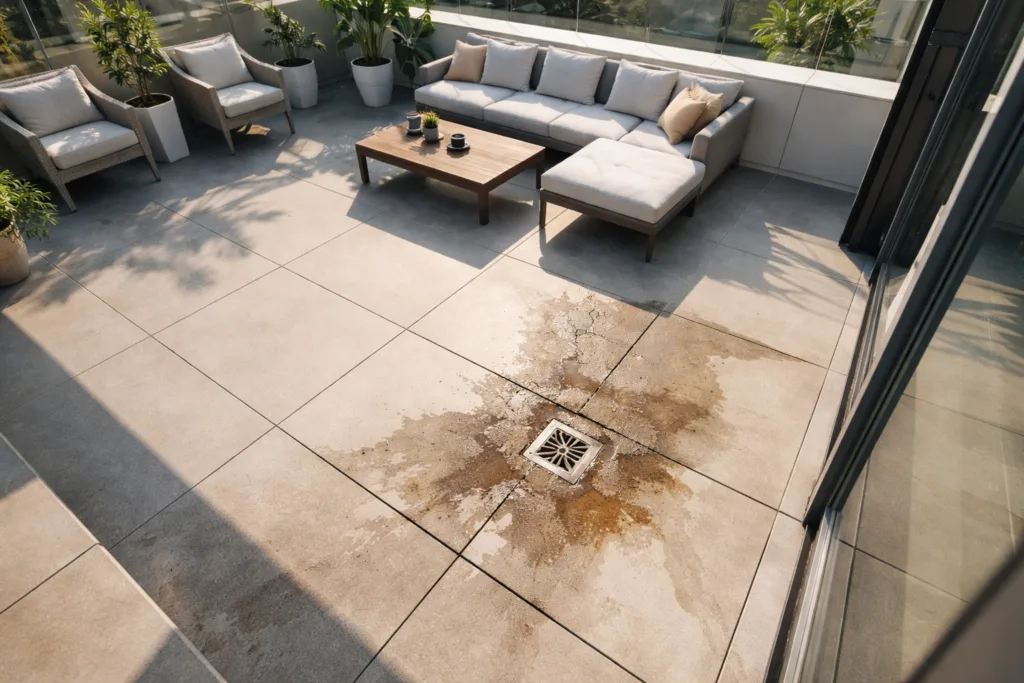
Here’s a quick look at the ten warning signs your building may need waterproofing renovation. For each, check the spot carefully, record with photos, and avoid common cover-up attempts. Professional remote judging by ZDSpoxy can save time and money—especially if site visits are not possible. Customized waterproofing kits are made to fit your site’s real substrate and weather conditions, not guesswork.
Frequently Asked Questions
What’s the fastest way to check for waterproofing failure?
Look for musty smells, damp patches after rain, or powdery residue on walls/floors. Use your camera for documentation right after weather events.
Can I waterproof over old damaged surfaces?
Never apply new waterproofing without removing damaged, loose, or powdery layers. Surface prep is key; residual moisture or contamination will cause failures.
Is repainting enough if paint is bubbling or peeling?
No, repainting over bubbles or peeling will not address trapped moisture or underlying failures. Address the moisture and surface issues first.
When should a professional be consulted for waterproofing issues?
If cracks, odors, or dampness return after initial repairs—or for large or persistent areas—get a professional inspection or remote diagnosis for the correct solution.
How can I share useful information for remote diagnosis?
Send clear photos of damage, various angles, and short history of problems. Include weather patterns and location details for a precise solution.
What happens if I ignore early waterproofing signs?
Minor moisture problems often turn into major structural damage, mold outbreaks, and much higher repair bills. Early action always pays off.
Related Reading
- Waterproof vs Water-Resistant: Learn the 7 Practical Differences for Protecting Your Property
- The 9 Costly Waterproofing Mistakes Every Building Owner Should Avoid
- Complete Guide: When Floor Renovation Is Needed and What Works Best
- Expert Comparison: Is 100% Solids or Water-Based Epoxy Safer and More Durable for Floors?
- Upgrade Your Outdoor Space: Modern Solutions for Courtyard Stone Flooring Renovation