
Introduction to Exothermic Reaction Curves in Mass Pours
Mass pours, such as large concrete foundations and industrial resin castings, bring unique thermal challenges. Understanding exothermic reaction curves in mass pours is critical for engineers, applicators, and facility managers. When a chemical reaction, like epoxy curing or concrete hydration, happens in large volumes, it produces heat—sometimes dangerously so. This article unpacks how exothermic reactions unfold inside mass pours, why temperature control is vital, and what steps you can take to ensure structural safety and performance.
Why Heat Generation Matters in Mass Pours
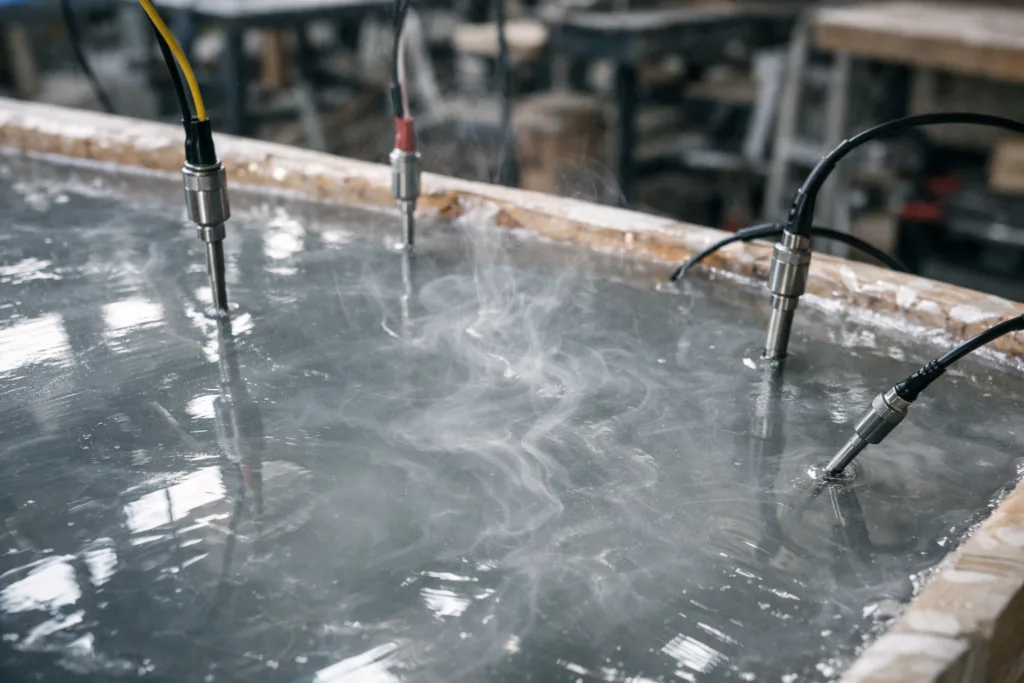
During a mass pour, heat builds up due to the chemical reactions occurring inside. For epoxy systems, for example, the mix of resin and hardener reacts to form a solid polymer network and releases heat in the process—this is an exothermic reaction. In thick sections, dissipation of this heat is limited, so the temperature can rise sharply, risking material degradation, cracks, or even fire. For optimal results, professionals use specialized products like ZDS-1410AB high compressive epoxy grout, designed with heat buildup in mind.
The Science of Exothermic Reaction Curves
An exothermic reaction curve is a graph showing how temperature inside the material changes over time during curing. Initially, temperature rises slowly. Then, as the reaction accelerates, you see a rapid spike—this is the peak exotherm. Finally, the curve plateaus when the reaction completes. The shape and peak of the curve depend on material type, mix design, ambient conditions, and pour size.
Key Factors Impacting Exotherm in Mass Pours
- Volume: Larger pours trap heat more effectively, increasing the risk of high peak temperatures.
- Material Formulation: Fast-setting systems or high-reactivity mixes generate more heat quickly.
- Ambient Temperature: Higher room temperatures accelerate reaction rates and exotherm.
- Insulation: Well-insulated formwork can trap heat, amplifying the exotherm effect.
Typical Exothermic Reaction Curves: What to Expect
The classic exotherm curve in a mass pour involves three main stages:
- Induction Phase: Little temperature rise as the reaction starts slowly.
- Acceleration & Peak: Temperature rises quickly; maximum heat is released.
- Cool Down: Reaction slows, temperature falls as heat dissipates.
The Dangers of Excessive Heat Generation
If exothermic peaks get too high during mass pours, problems can include:
- Thermal cracking: Rapid expansion and contraction can cause cracks.
- Reduced Strength: Overheated resin or concrete may not cure properly.
- Fire risk: At extreme temperatures, combustible forms or compounds can ignite.
- Degraded properties: Cosmetic and mechanical performance suffers.
Monitoring and Measuring Exothermic Reaction Curves
Temperature sensors placed inside mass pours help track exothermic reaction curves over time. By analyzing this data, teams can:
- Predict peak temperatures
- Schedule optimal pour times
- Adjust mix or pour size accordingly
How Reaction Kinetics Affect Mass Pour Outcomes
Reaction kinetics describe how quickly a chemical reaction proceeds. In the context of mass pours, faster reaction rates mean heat builds up sooner and more intensely. This can reduce the working time (pot life) and increase hazards. Slower kinetics allow safer heat management, but may prolong cure time.
Practical Approaches to Managing Heat Generation
So how do you control exotherm in a real-world mass pour? Practical tips include:
- Divide large pours into sections to limit heat in each batch
- Use slow-curing resin or cement blends
- Add fillers or aggregates to reduce resin volume and slow reaction
- Apply cooling (fans or water) in especially hot environments
- Consider formwork design that allows for heat escape
If you’re planning a major pour and want a quick estimate for your material needs, you can calculate your usage with our Epoxy Grout Volume Calculator Project Quote.
Mixing Methods and Real-World Site Experience
In practice, ensuring proper mixing and monitoring batch size are crucial. Resin manufacturers like ZDSpoxy often recommend strict ratio adherence and keeping batch sizes small when dealing with high-volume pours. This supports better control of exothermic spikes, as smaller batches dissipate heat more efficiently. Seasoned jobsite technicians know that rushing or using a “one-size-fits-all” mix can spell disaster in mass pours—precision is your best defense.
Influence of Material Choice on Exothermic Reactions
Material selection can make or break the thermal performance of a mass pour. Specialized materials, such as low-temperature epoxy systems, are engineered to minimize exothermic peaks. They provide ample working time and reduce the risk of thermal stress, especially in foundations for heavy or sensitive equipment.
Managing Ambient and Substrate Conditions
Controlling the ambient temperature, humidity, and substrate moisture is vital. Excess heat or humidity can push exothermic peaks higher than anticipated, so always measure site conditions ahead of a mass pour. If the substrate is wet or if the environment is humid, using a compatible solvent-free primer designed for wet concrete may help maintain bond quality and prevent premature failures.
Practical Case Study: Large-Scale Epoxy Grouting for Machinery Foundations
When installing heavy machinery on mass-grouted foundations, exothermic management becomes mission-critical. ZDSpoxy engineers note that foundations for crushers or compressors—sometimes needing pours exceeding one ton of grout—require careful pre-planning. Using low-exotherm products, monitoring internal temperature, adjusting batch size, and sequencing the pour can all help prevent defects and costly downtime.
Performance Impact: Strength, Shrinkage, and Integrity
The shape and height of the exothermic curve directly affect cured properties. A slow, controlled reaction yields consistent compressive strength, low shrinkage, and strong bonds, all essential for structural integrity. Conversely, rapid, uncontrolled exotherms can cause voids, delamination, and weak spots.
Standard Testing Protocols for Exothermic Curves
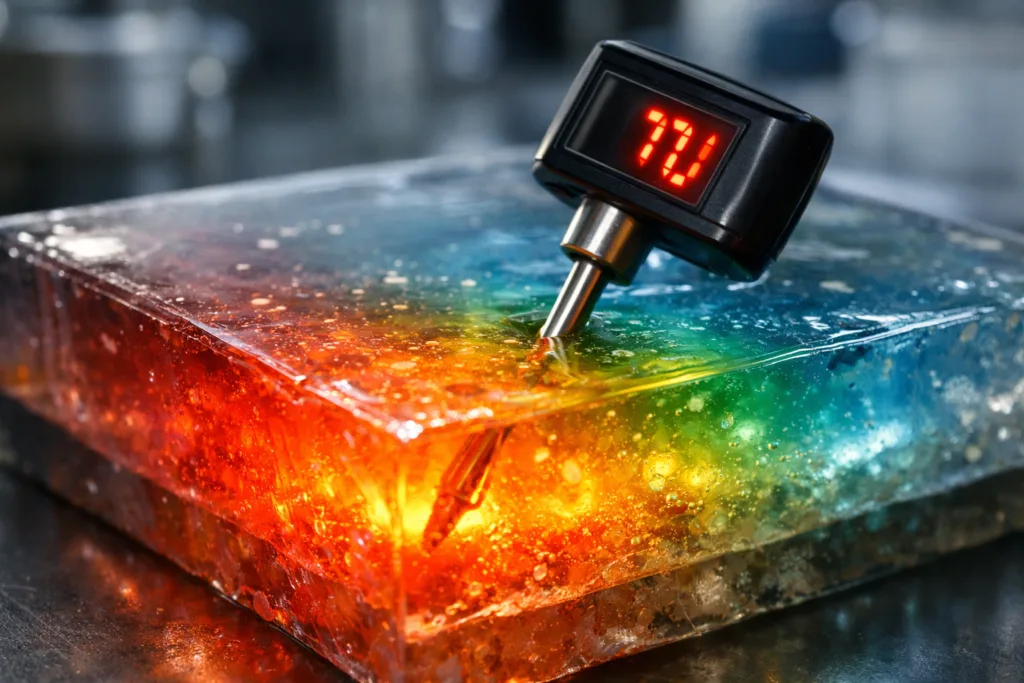
Laboratories use adiabatic calorimetry and embedded thermocouples to measure temperature rises in mass pours. These tests help define safe maximum pour depths and guide product development, ensuring each batch performs reliably in the field.
Application Areas Affected by Exothermic Reaction Curves in Mass Pours
- Industrial Foundations: Heavy machinery grout beds
- Bridge and Infrastructure: Crack repairs and anchoring
- Marine Construction: Underwater grout applications
- Decorative Projects: Large cast resin countertops or floors
Comparing Mass Pour Materials: Exotherm, Cure Time, and Safety
| Material | Exotherm Peak (°C) | Typical Max Pour Thickness | Working Time |
|---|---|---|---|
| Standard Epoxy Resin | 120–180 | 2–4 cm | 25–45 min |
| Mass Pour Epoxy | 60–90 | up to 12 cm | 2–5 hrs |
| Portland Cement Concrete | 50–70 | no strict limit | 2–5 hrs |
| Fast-Set Grout | 150–200 | usually <1 cm | 10–30 min |
Special Challenges and Solutions for Underwater and Tight-Space Mass Pours
For underwater applications or tight-gapped surfaces, managing exotherm requires specialized formulations and careful placement. The balance between flow, cure speed, and heat management is delicate. Modern chemistry offers underwater epoxies that control heat while maintaining viscosity and bond strength.
Role of Fillers, Aggregates, and Mix Ratios
Adding aggregate or filler to the mix slows down the exothermic reaction by spreading resin over more surface area, allowing better heat dissipation and lower peak temperatures. Always follow mix guidelines for proper performance.
Safety Considerations for Technicians and Site Managers
Installing temperature monitors, using personal protective equipment, and having emergency plans are non-negotiable when working with mass pours. Read all safety data sheets, and consider the potential for vapor release and high-temperature surfaces. Proper planning reduces risks of burns, fumes, and structural failures.
Quality Assurance: Batch Testing and Recordkeeping
Reliable mass pours depend on repeatability. Record batch numbers, measure viscosity and gel time, and store all QC documentation. ZDSpoxy’s engineers emphasize that even small deviations in mixing or environment can shift an exothermic curve—potentially resulting in costly failures down the line.
Latest Innovations for Exothermic Control in Mass Pours
Recent advancements include phase change materials that absorb heat, smart sensors streaming real-time data, and improved slow-cure resin chemistries. These innovations reduce manual labor and catch potential failures before they start.
Understanding Exothermic Reaction Curves in Mass Pours
Mastering the exothermic reaction curve is the key to successful, defect-free mass pours. Whether in epoxy grouting, concrete foundations, or specialty resin projects, the same principles apply: understand the chemistry, anticipate the heat, monitor in real time, and select the right system for the job. Safeguarding physical performance and site safety starts with deep knowledge of these temperature dynamics.
Conclusion
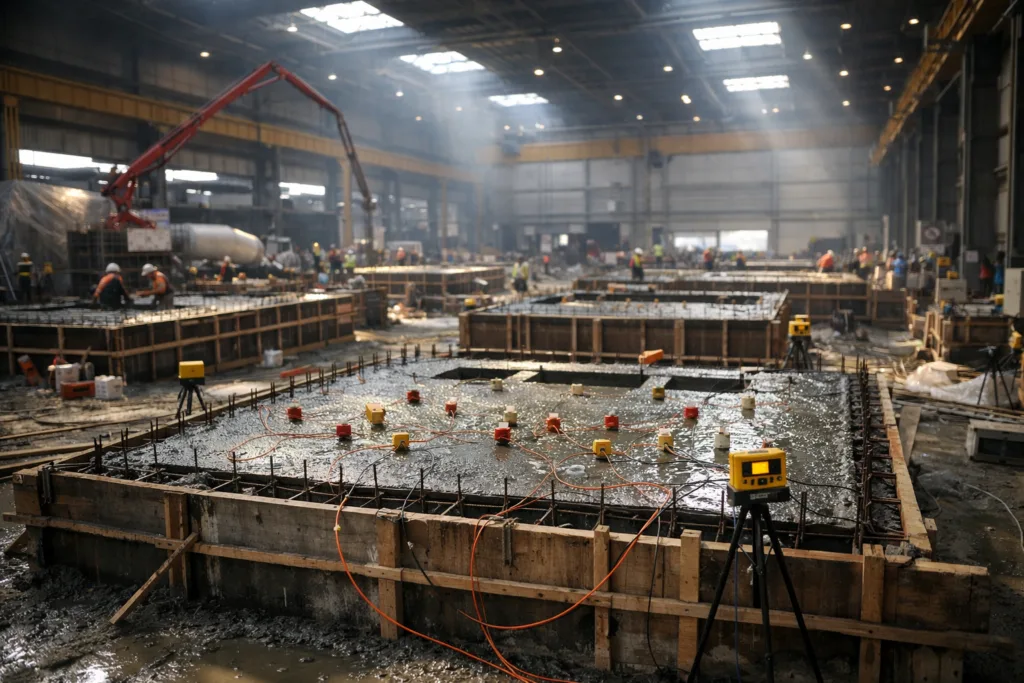
Controlling exothermic reaction curves in mass pours isn’t just for chemists—it’s a practical necessity for anyone wanting safe, high-performance results. Thorough preparation, understanding the science, meticulous site practices, and the use of modern formulations empower teams to manage heat generation, avoid structural hazards, and achieve long-lasting results.
Frequently Asked Questions
What causes exothermic reactions in mass pours?
Chemical reactions, such as epoxy curing or concrete hydration, release heat as molecules combine. In large pours, this heat can’t escape easily, causing temperatures to rise within the mass.
Why is managing peak temperature important in mass pours?
High peak temperatures can cause cracking, reduced strength, and even fires. Controlling temperature ensures proper curing and long-term durability of the material.
Can I measure exothermic curves in real-time on-site?
Yes, by embedding thermocouples or temperature sensors, you can track internal temperature changes in real-time and react if dangerous peaks appear.
How do additives or fillers affect exothermic reactions?
Additives and fillers absorb and spread the heat, reducing the speed and intensity of the exothermic reaction. This helps prevent spikes and material damage.
Are some epoxy systems safer for mass pours?
Yes, specialized mass pour epoxies are formulated to reduce exothermic peaks and extend working time, making them much safer for large-volume applications.
What preparations help avoid failures during mass pours?
Planning pour size, mixing in batches, using proper materials, on-site temperature monitoring, and following manufacturer guidance all help prevent overheating and failures.
Related Reading
- Shelf Life, Pot Life, and Working Time: The Differences That Save Projects
- How Aggregate Ratios Shape Epoxy Strength: 7 Insights
- How ZDSpoxy Resin Beats Cement for Heavy Load Floors
- 7 Lessons for Handling Thermal Expansion in Epoxy Projects
- Why Creep Resistance Is Critical for Long-Term Machine Alignment