
Understanding Waterproofing Renovation Cost: The Factors You Can’t Ignore
When planning to protect your property from water damage, knowing the real waterproofing renovation cost is crucial. But why do projects—seemingly similar at first glance—vary so much in quoted price? From small bathroom touch-ups to sprawling terrace revamps, several hidden variables shape your final investment. Instead of simply searching for numbers, this guide will show you which waterproofing cost factors matter and how to assemble a clear, rapid quote for any project.
Whether you are a homeowner, property manager, or renovation professional, understanding the drivers behind waterproofing costs helps you avoid unpleasant surprises. You’ll learn how repair scope, substrate, total area, UV exposure, safety features, color, and project timing change the equation—and why two jobs with the same square meterage can end up worlds apart in budget.
For those seeking practical next steps, compile an info checklist: region, precise area, clear photos, existing issues, your desired look, and how soon you need surfaces open. This not only speeds up the quoting process but ensures solutions suit both technical and design needs. Let’s walk through exactly what makes waterproofing costs add up—and what to prepare before requesting your proposal.
What Shapes Waterproofing Renovation Cost?
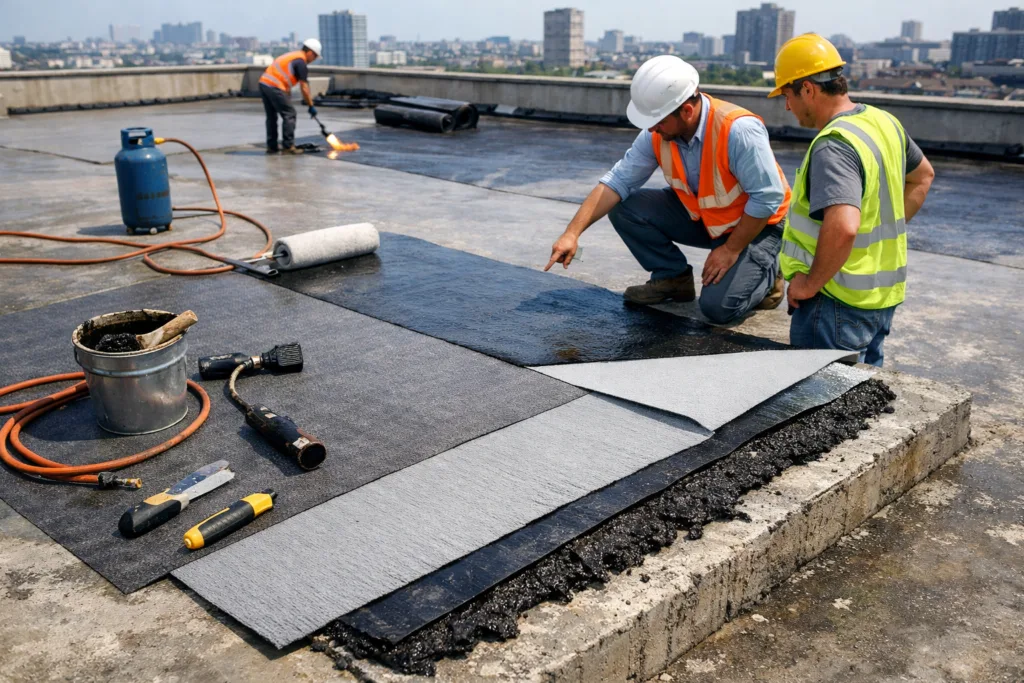
Multiple variables define the final price tag of waterproofing renovation. It’s rarely just about material cost or surface size. Seven main drivers determine projects large and small:
- Repair Volume: Are you patching isolated leaks or overhauling an entire surface?
- Substrate Type: Is the base concrete, tile, stone, or wood?
- Total Area: Larger jobs often enjoy economies of scale, but prep and detail costs matter.
- Outdoor/UV Exposure: Outdoor areas require high UV resistance and tougher detailing.
- Slip Resistance: Anti-slip finishes involve added labor and materials.
- Color & Finish: Special colors, mattes, or glosses may shift material and labor expenses.
- Project Timeline: Tight schedules can mean accelerated products and higher team deployment costs.
Repair Volume: More Than Meets the Eye
The scope of repair is often underestimated. Targeted patching (sealing cracks, isolated leaks) can have a far different cost structure from full-surface reinstatement. Even two jobs of equal area may cost differently if one requires extensive primer or leveling due to failure under existing coatings. When it comes to repair-heavy renovations, contractors must account for cleaning, mechanical prep, possibly removing old membranes, and extra time for meticulous details.
Substrate Type: Why Your Base Matters
Different substrates—concrete, tile, stone, or wood—each present unique challenges and costs in waterproofing. For example, tiled kitchens and bathrooms often need compatible grouts or coatings, while exterior stone patios benefit from flexible polyurethane or epoxy options. Product compatibility, bonding ability, and long-term durability depend on the correct system for each surface. To understand the specifics, review kitchen bathroom tile waterproofing solutions for tailored substrate guidance.
Total Area: When Size Offers Savings (or Not)
While it seems logical that larger projects should be proportionally cheaper, this isn’t always the case. Fixed setup costs, travel, and specialist equipment can only be spread across bigger jobs, reducing the per-square-meter price. But smaller, intricate jobs—such as stair cases, small balconies, or edge details—might cost more due to labor intensity rather than sheer area. This complexity is especially true for terrace balcony outdoor floors where edging, upstands, and drain interfaces command attention.
Outdoor UV Exposure: Not Every Product Suffices
Exposed areas—including rooftops, balconies, courtyards, and pool surrounds—need waterproofing systems with robust UV, weather, and temperature resistance. UV-stable coatings, such as polyaspartic or certain polyurethane systems, cost more than basic options, but prevent fading, chalking, and premature degradation. Locations with extreme sun, seasonal freeze-thaw, or heavy rain require even higher performance specs, often reflected in both product selection and preparation method.
Slip Resistance: Safety Comes at a Cost
Adding anti-slip aggregate or creating texture increases labor time and often requires more topcoat material. Each environment—kitchens, pool sides, ramps—demands a distinct balance between easy cleaning and effective non-slip finish. Not surprisingly, safety-driven building codes may require certified systems in public-facing or commercial properties, nudging up costs compared to basic residential work.
Color and Matte/Gloss Finish: Aesthetic Choices Drive System Complexity
Standard colors and glossy finishes are typically more cost-efficient, thanks to easier batch production and less pigment demand. However, when projects require custom color matching, special order mattes, or designer finishes, both material and labor costs increase. Some 2K polyaspartic or polyurethane coatings excel at holding color and producing contemporary matte effects—study ZDS1235AB Matte 2K Polyaspartic for a prime example. Remember: the bolder your aesthetic ambitions, the more you may invest in specialized product and application technique.
Project Timeline: Time Is Literally Money
When projects require fast turnarounds—tight commercial shutdowns, rainy season races, or crucial grand openings—contractors may use rapid-cure products or deploy more installation crews. Both factors raise cost compared to flexible scheduling. Consider detailing your ‘needed by’ date during inquiries, since this will often determine if premium, quick-cure technology is suitable for your site.
Why Do Waterproofing Renovation Cost Estimates Differ So Much?
It’s common for property owners to be surprised at a wide range of quotes for what looks like a similar job. The reason: while area provides a starting point, actual effort hinges on the variables above. For example, a rooftop and a kitchen of equal size have dramatically different substrate prep, weatherproofing details, and compliance hurdles. Repairing over aged, moisture-damaged subfloors might require additional epoxy primer and leveling. Transparency in cost breakdowns is the result of assessing these critical site features—and is why general “per-square-meter” pricing only tells part of the story.
Manufacturer Perspective: Real-World Factors that Influence Waterproofing Cost
From the viewpoint of a manufacturer like ZDSpoxy, cost disparities often trace back to technical realities on site. Factors such as substrate moisture, proper mixing ratios, ambient temperature, and curing times all impact overall labor and material usage. For instance, in high-humidity conditions or when dealing with irregular surfaces, manufacturers advocate strict primer and bonding layer control to ensure a durable result. Overlooking this can cause warranty issues and require expensive rework. That’s why working with teams that understand the correct system for each substrate—backed by quality control records—helps prevent both hidden costs and future failures.
Quick Quote Checklist: What to Prepare for a Rapid Waterproofing Cost Estimate
To speed up the pricing process and receive an apples-to-apples comparison, prepare these items before reaching out to contractors or system suppliers:
- Region/City: Labor rates and climate can alter both system and scheduling.
- Total Area (with shape/sketch if possible): Exact measurements, especially for irregular shapes or multiple surfaces.
- Clear, Recent Photos: Show typical areas, key details, substrate condition, and any visible damage.
- Current Problems: List leaks, stains, prior repairs, and suspected moisture sources.
- Desired Appearance: Specify color, matte/gloss, and slip resistance preferences.
- Required Open Date: When does the area need to be ready for use?
This info ensures you receive tailored proposals that reflect technical, logistical, and design requirements for your project.
Area Types and How They Change Waterproofing Renovation Cost
From sun-soaked terraces to busy bathrooms, location dictates waterproofing needs, system selection, and thus overall price. Let’s explore how typical areas drive cost:
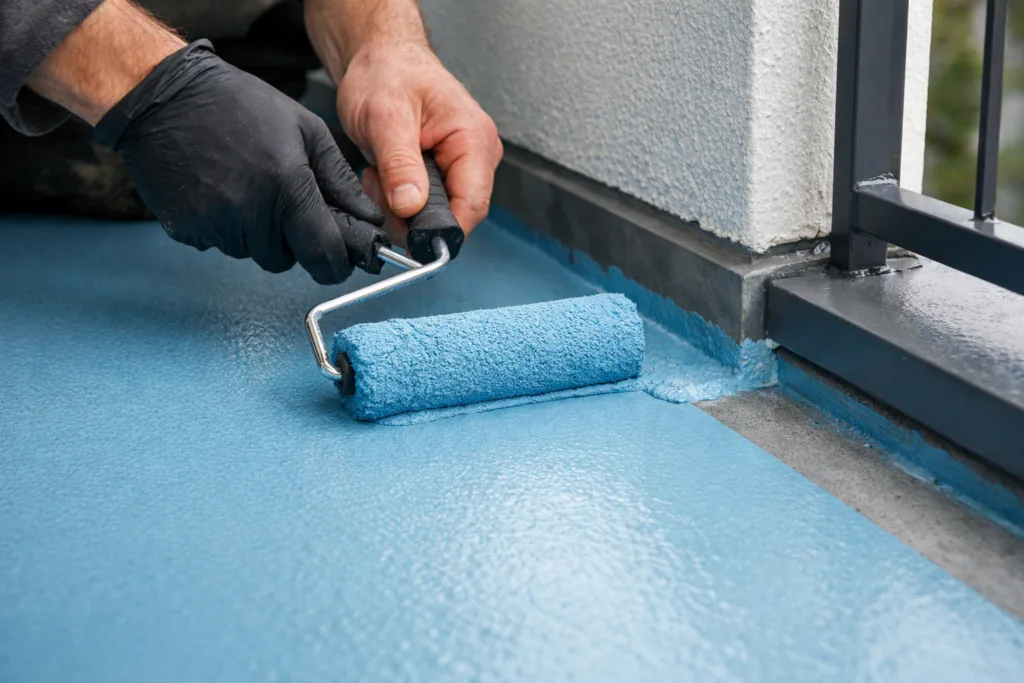
Terraces, Balconies, and Outdoor Floors
Outdoor surfaces must endure UV, fluctuating temperatures, rain, and foot traffic. These demands raise waterproofing renovation cost due to advanced detailing and durable, sun-stable resins. Review the best outdoor approaches via terrace balcony outdoor floor guidance. Expect higher costs for intricate edge sealing or complex layouts, with additional materials required for upstand junctions and drain areas.
Kitchens and Bathrooms: Hidden Factors Add Up
In wet interior spaces, waterproofing focuses on crack sealing, anti-mold detailing, and compatibility with tiles or grout. Surfaces must be smooth for daily cleaning. Special adhesives and flexible coatings—such as polyurethane or advanced 2K systems—contribute to cost, especially if preparation includes grout repair or substrate leveling. You can explore product solutions at kitchen bathroom tile waterproofing.
Swimming Pools and Water Features
Pools require fully immersed, chlorine-resistant coatings with extreme bond strength. These are typically multi-coat systems with reinforced edge details and tile joint work. The extra labor, slow cure times, and stringent preparation standards all push up costs for pool waterproofing projects. Consider this when budgeting for new or renovated outdoor swim areas.
Exterior and Interior Walls
Wall renovations—whether exterior against weather or interior against humidity—each command different system choices and detailing. Smoothness, breathability, and color requirements drive up the waterproofing renovation cost, especially when non-standard colors or matte finishes are requested.
Material Choice & Application System: How Specifications Affect Cost
The right product mix matters: is the system single or multi-component? Are rapid curing or UV-stable resins necessary, or will simple acrylics suffice? For example, rapid-cure polyaspartic products allow for faster reopening but cost more per liter. Lower VOC or solvent-free selections may be needed for sensitive environments, impacting total spend. Complex build-ups—such as primer + body coat + colored non-slip topcoat—raise labor and material volumes. The more demanding the specification (e.g., for food-grade, pool immersion, or high-traffic resistance), the higher the material and skill requirements—and therefore price.
Labor, Mobilization, and Timing
Premium labor rates apply in urban centers, while complex or rush projects often require larger or more experienced crews. Off-hour work, such as overnight or around-the-clock shifts, unsurprisingly adds to the bottom line. Don’t forget site access, material movement, curing staging, and weather contingencies—some of the key but less visible drivers of waterproofing cost.
The “Per Square Meter” Myth: Why General Pricing Fails
It’s tempting to request a simple “per m²” rate for waterproofing, but this rarely tells the whole story. While useful for rough comparisons, it ignores all the practical site differences: uneven substrates, need for new drains, re-sloping, structural expansion joints, detailing complex geometry, and coatings compatibility. Detailed cost drivers—from substrate prep to desired finishes—mean a tailored quote remains the gold standard for controlling scope and spend.
How to Compare Quotes: Key Questions to Ask
When reviewing waterproofing renovation proposals, don’t just look at the headline price. Instead, check:
- Is the repair volume and substrate clearly listed?
- What product types are specified—and are they right for site conditions?
- Are mandatory slip resistance, UV stability, or other safety features included?
- Do quotes account for timeline needs or weather contingencies?
- Are warranty/service terms stated?
- Does the proposal include any contingency for substrate surprises?
Focusing on these details ensures fair like-for-like quote comparisons and greater transparency.
Practical Truths: How to Avoid Hidden Waterproofing Costs
The real cost of waterproofing renovation can spiral when site facts are missing or misunderstood. Uploading low-resolution photos, guessing at surface size, or omitting repair needs leads to project drift and potential disputes. Insist on site visits or clear video walk-throughs, use precise site measurements, and disclose all known substrate challenges up front. Preparedness streamlines both pricing and successful installation.
waterproofing renovation cost
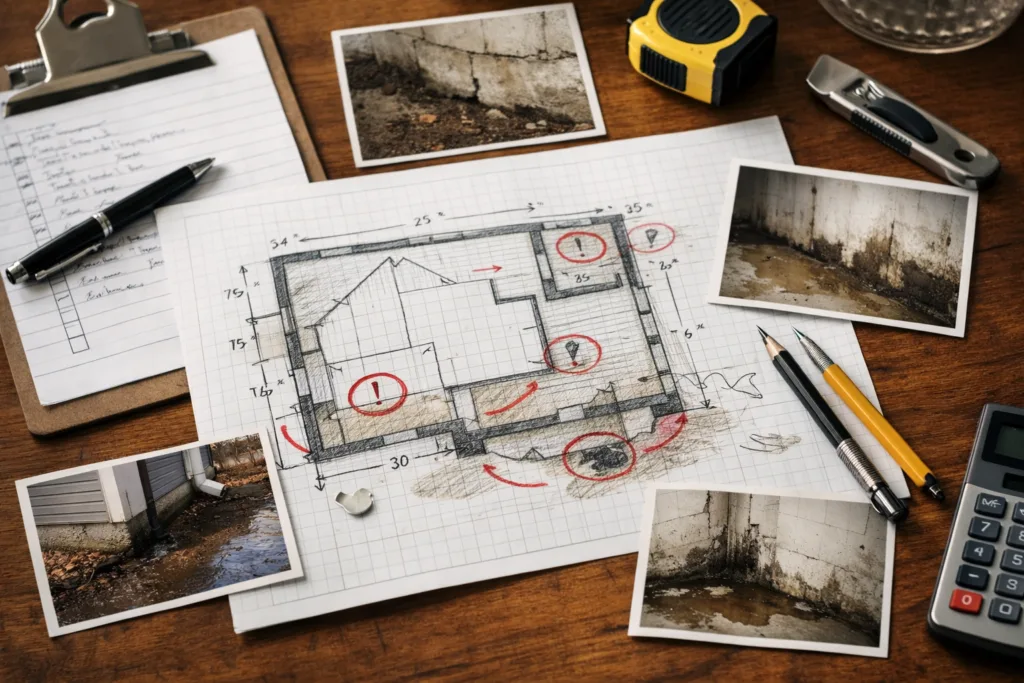
Ultimately, waterproofing renovation cost is a result of much more than square meterage and material price. Volume of repair, substrate, area type, UV demands, slip safety, design choices, and schedule all play decisive roles. By understanding these factors and providing detailed, accurate project info, you’ll receive fair and realistic quotes—empowering you to invest confidently in long-term water protection.
Frequently Asked Questions
What details do I need to get a fast waterproofing quote?
You should provide your region, detailed area (with shape), current photos, visible damage, your desired look, and target re-opening date so contractors can tailor their estimate to your needs.
Can I reduce cost by choosing cheaper products?
Cutting costs on materials can create failures if the product isn’t suited to your substrate, outdoor exposure, or surface traffic. The right specification pays off by preventing future repairs.
Why are outdoor waterproofing jobs usually pricier?
Outdoor areas require higher UV resistance, weatherproofing, and more elaborate detailing around edges and drains, all of which increase both labor and material costs.
Is anti-slip waterproofing necessary for residential spaces?
It depends on location. Kitchens, bathrooms, terraces, and pool decks benefit greatly from anti-slip for safety, but bedrooms or dry rooms typically do not need it.
How does repair volume impact overall price?
Isolated patch repairs usually cost less overall but have a higher unit cost. Full-area renovations are more expensive upfront but can provide better longevity when failure is widespread.
What makes fast-curing waterproof systems cost more?
Rapid-cure formulations use advanced chemical technology to speed up installation and reopening, which raises raw material and application costs compared to standard systems.
Related Reading
- The 9 Most Common Waterproofing Renovation Mistakes—And How to Avoid Them
- Waterproofing Lifespan Revealed: What Affects Real-World Durability?
- Compare Top Waterproofing Renovation Solutions for Every Surface
- 10 Red Flags That Mean Your Building Needs Waterproofing Renovation
- Proven Ways to Waterproof Without Demolition: Save Time and Money